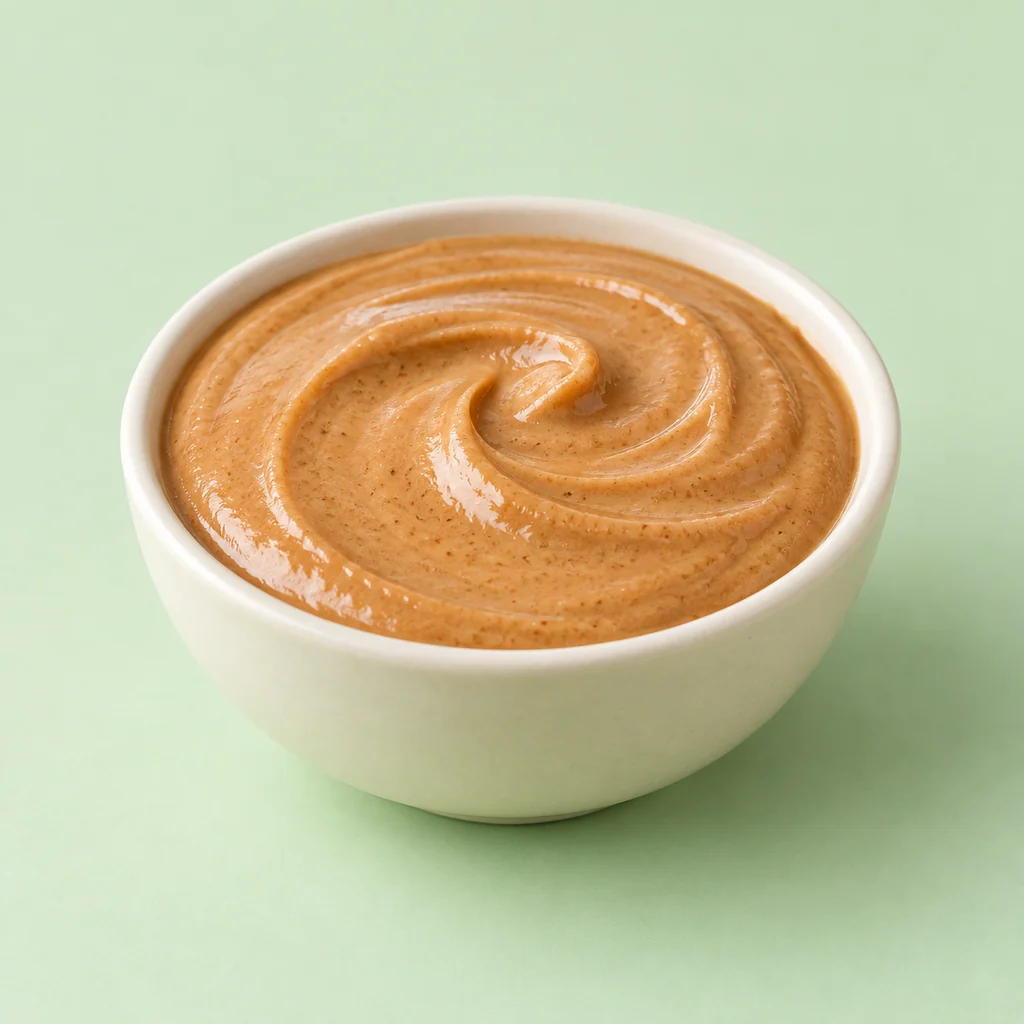
Almond Butter
How to serve: Thin smear on soft bread or mixed into porridge.
Whole almonds and thick nut butter are choking hazards. Only thinned smooth almond butter is safe.
Momsie › What can my baby eat › 9 months
At 9 months, 122 of 123 foods in this guide are safe to offer, and 1 is still worth waiting on. Every serving suggestion below is written for the 9 to 11 months stage. Free, no sign-up, based on NHS weaning guidance.
Nothing new unlocks at 9 months. 122 of the 123 foods in this guide are safe to offer, prepared the right way.
Texture and preparation: 9 months falls in the 9 to 11 months band, so every serving suggestion below is the one written for that stage.
Next change: at 12 months, 1 more become suitable: whole milk.
Want to compare ages, or check a different month? Use the age slider to move through every stage.
How to serve: Thin smear on soft bread or mixed into porridge.
Whole almonds and thick nut butter are choking hazards. Only thinned smooth almond butter is safe.
How to serve: Thick smooth porridge thinned with breast milk or formula.
How to serve: Soft, small cooked pieces or thick applesauce.
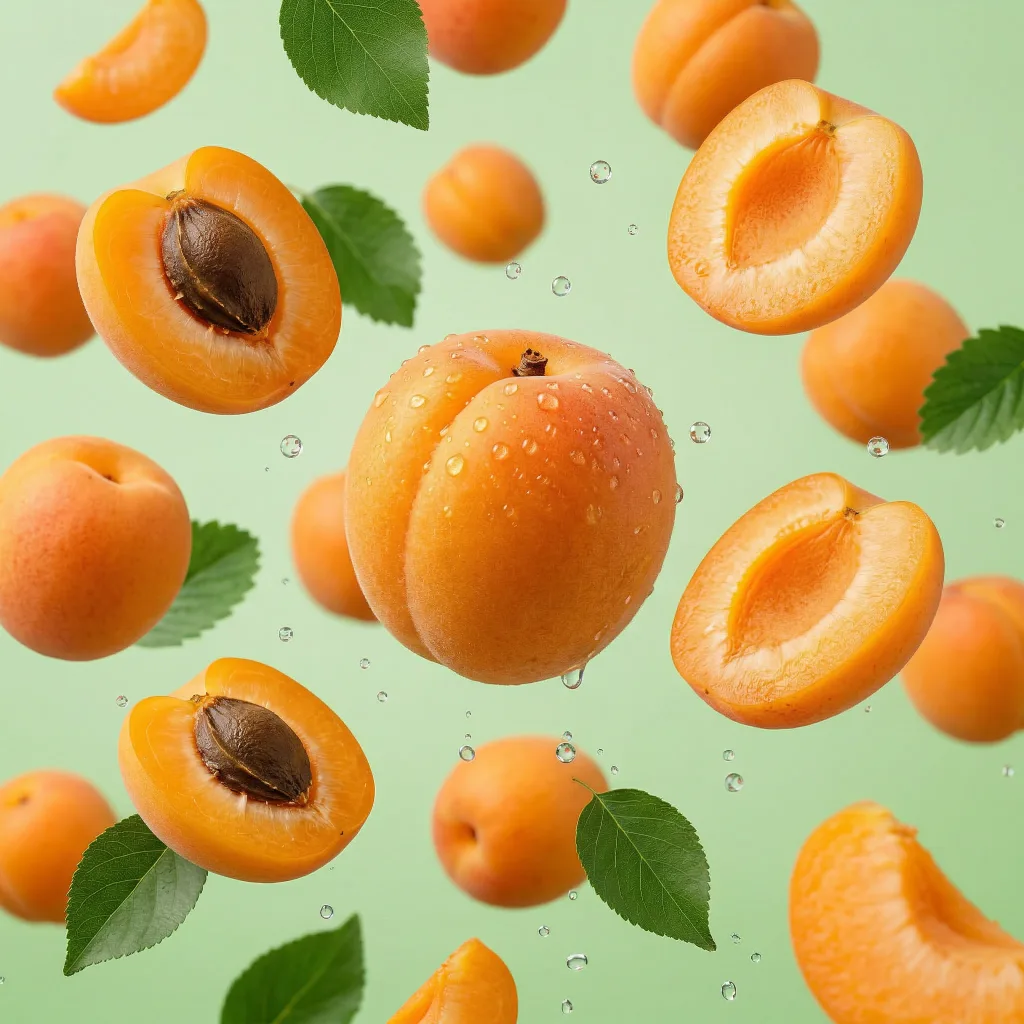
How to serve: Soft mashed or small diced pieces, skin off.
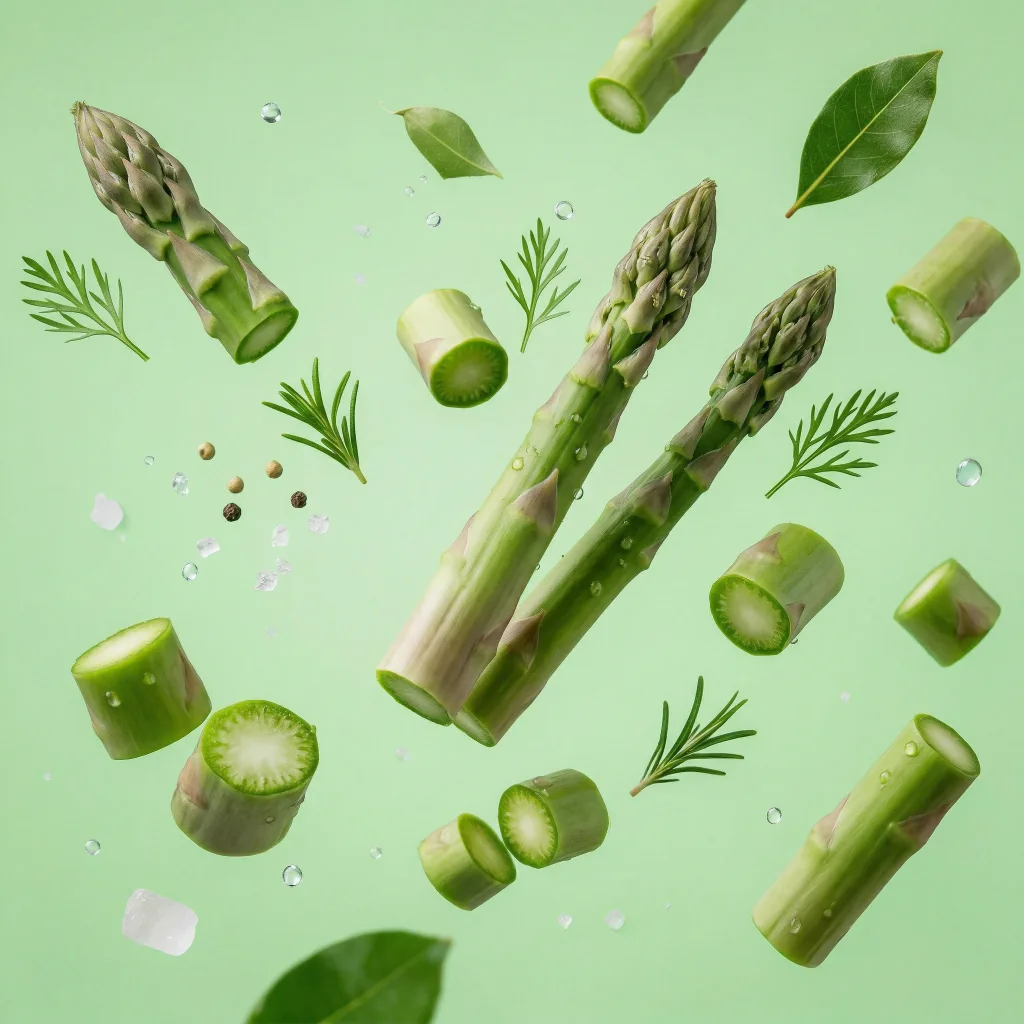
How to serve: Soft steamed spear tips — hold the stem as a natural handle.
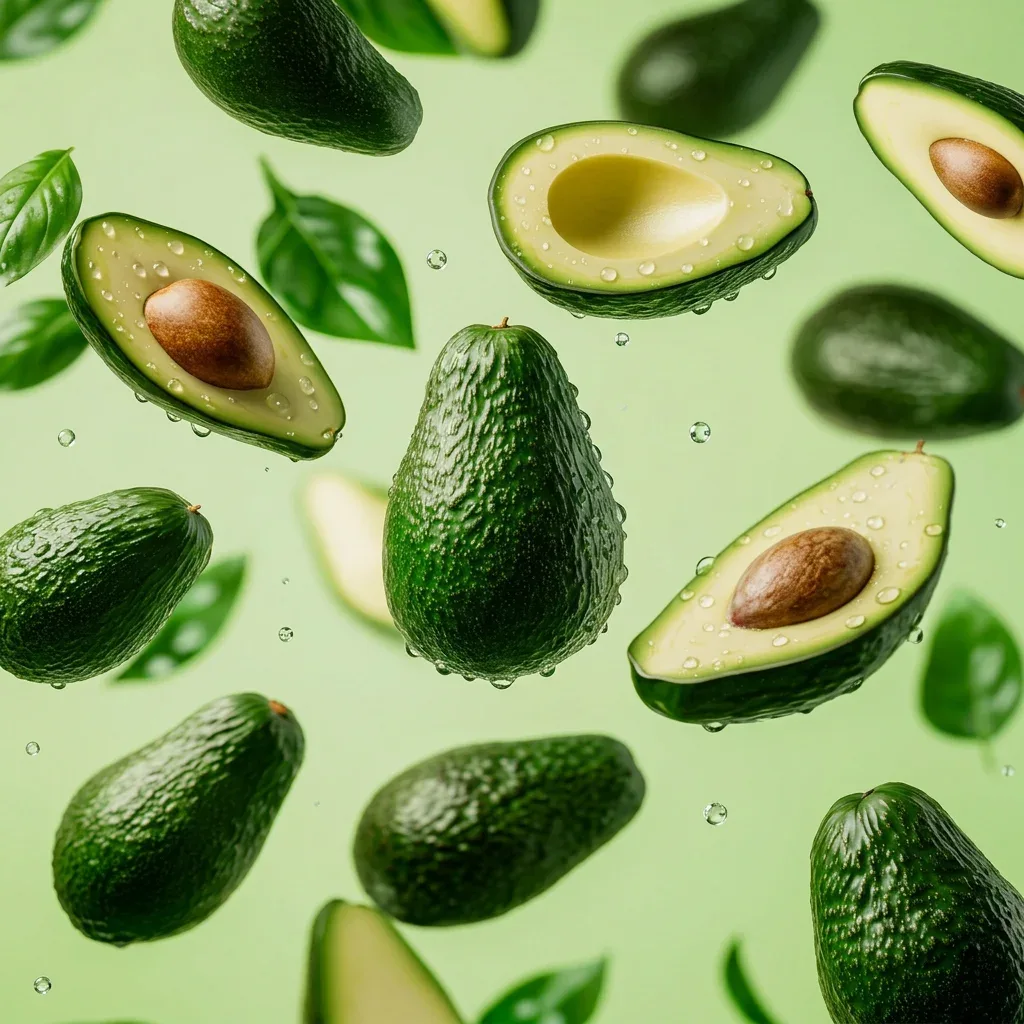
How to serve: Small soft chunks or thick mash.
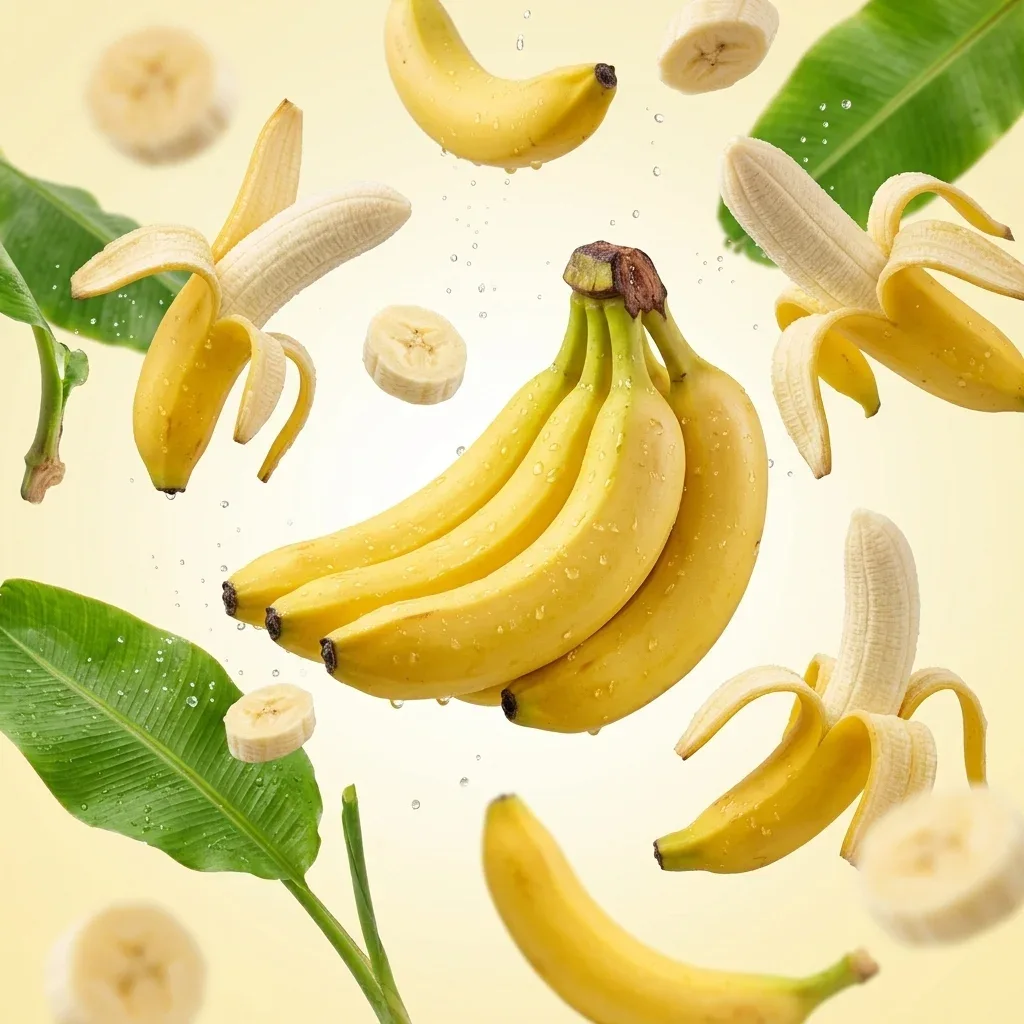
How to serve: Soft small pieces or thick mash — finger-food size.
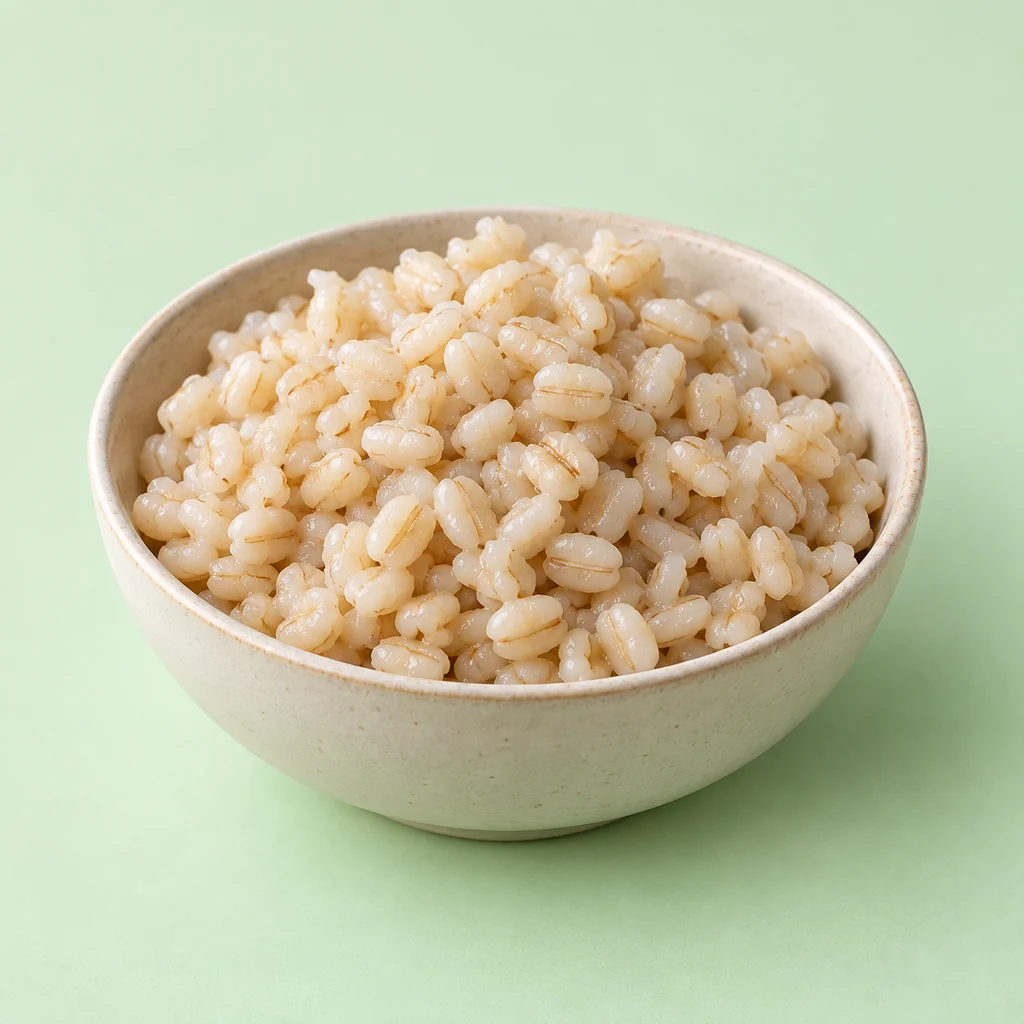
How to serve: Well-cooked, soft barley mixed into purées.
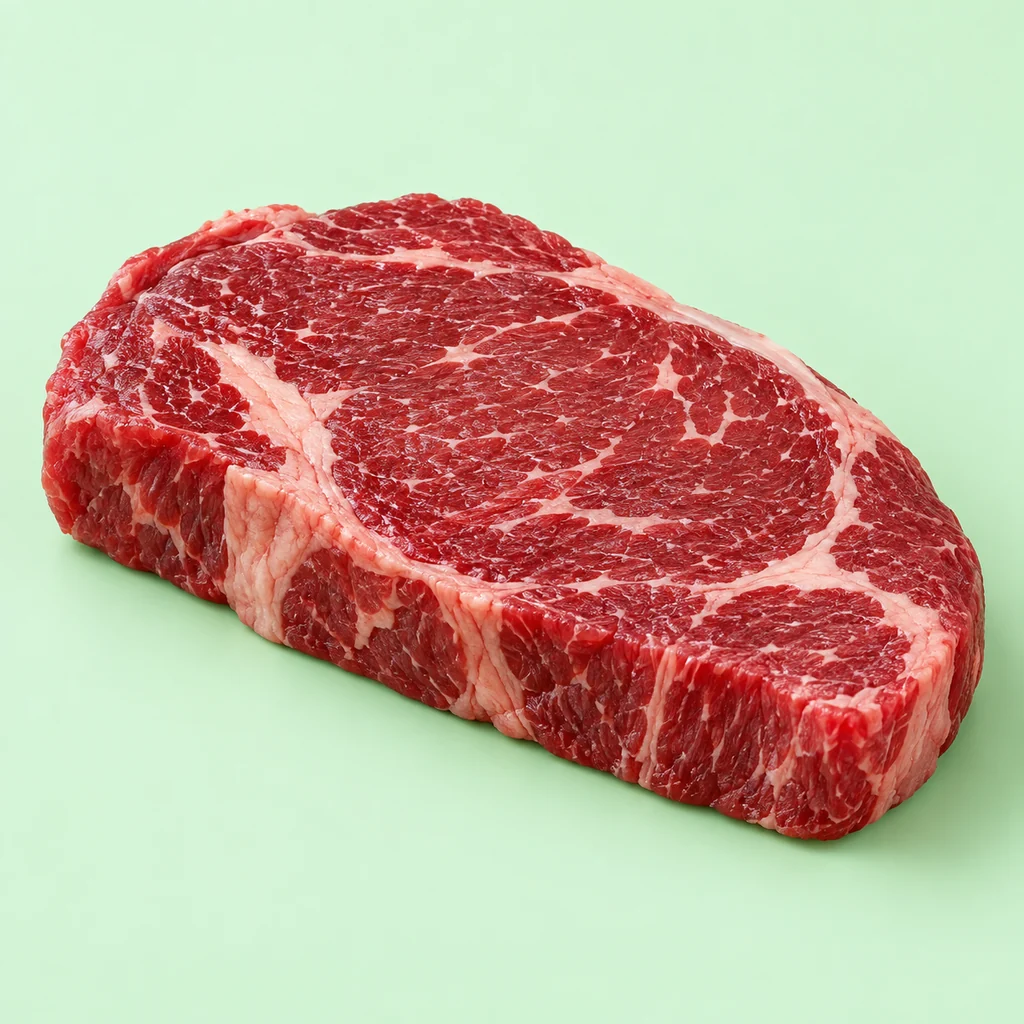
How to serve: Finely minced and mixed into vegetable purées or soft pasta sauces.
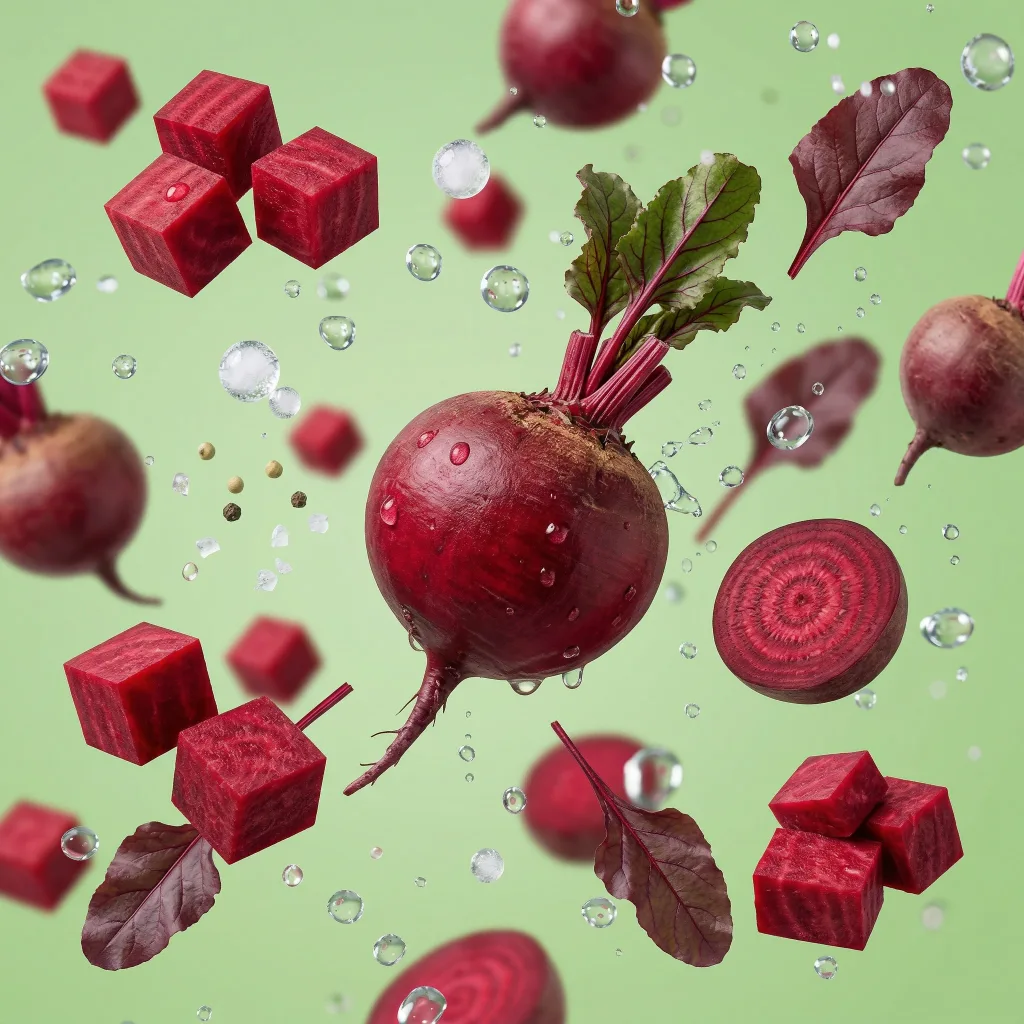
How to serve: Small soft mashed pieces.
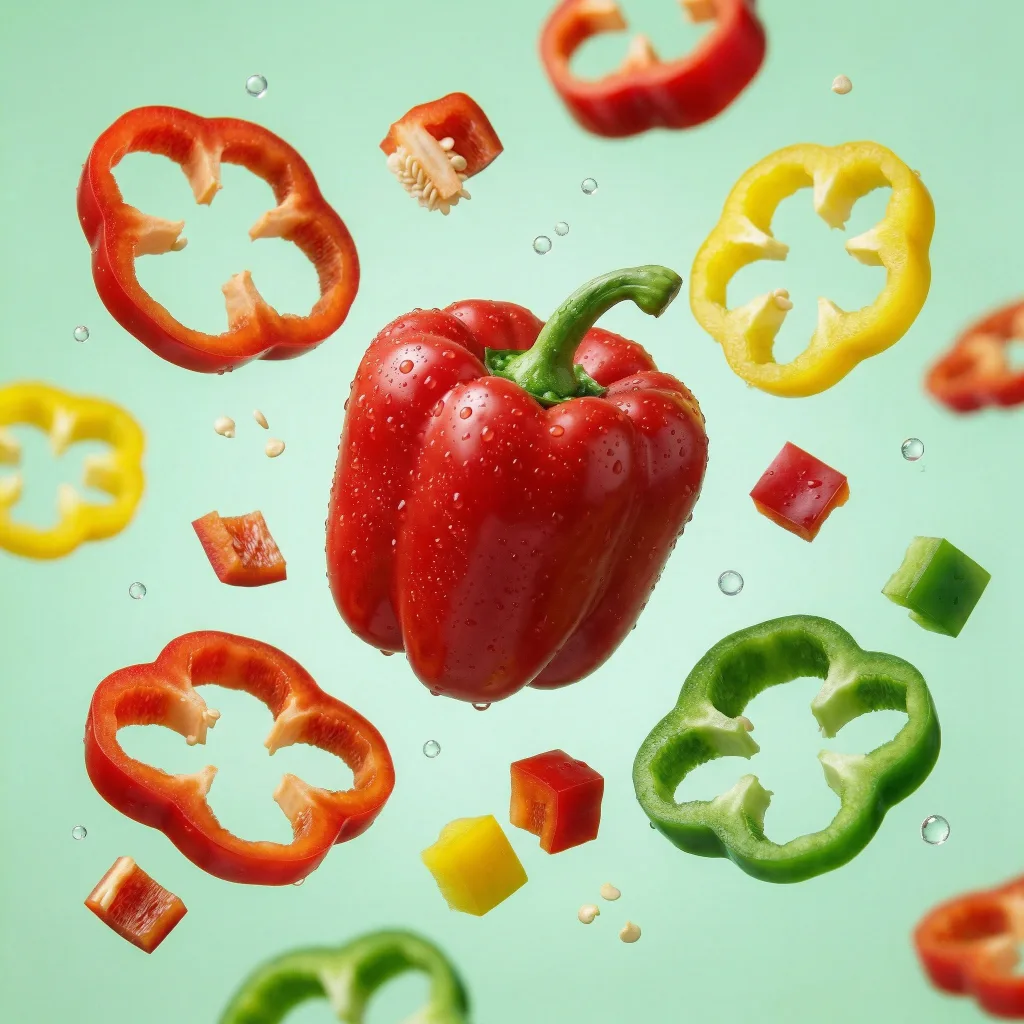
How to serve: Small soft roasted pieces with skin removed.
How to serve: Smooth black bean purée — blend until silky.

How to serve: Mashed or stirred into yogurt or oatmeal.

How to serve: Mashed or mixed into yogurt or porridge.
How to serve: Finely chopped steamed bok choy mixed into porridge or purées.
How to serve: Cook until soft, remove skins, and mash roughly with a fork.
How to serve: Soft florets, mashed, or small pieces.
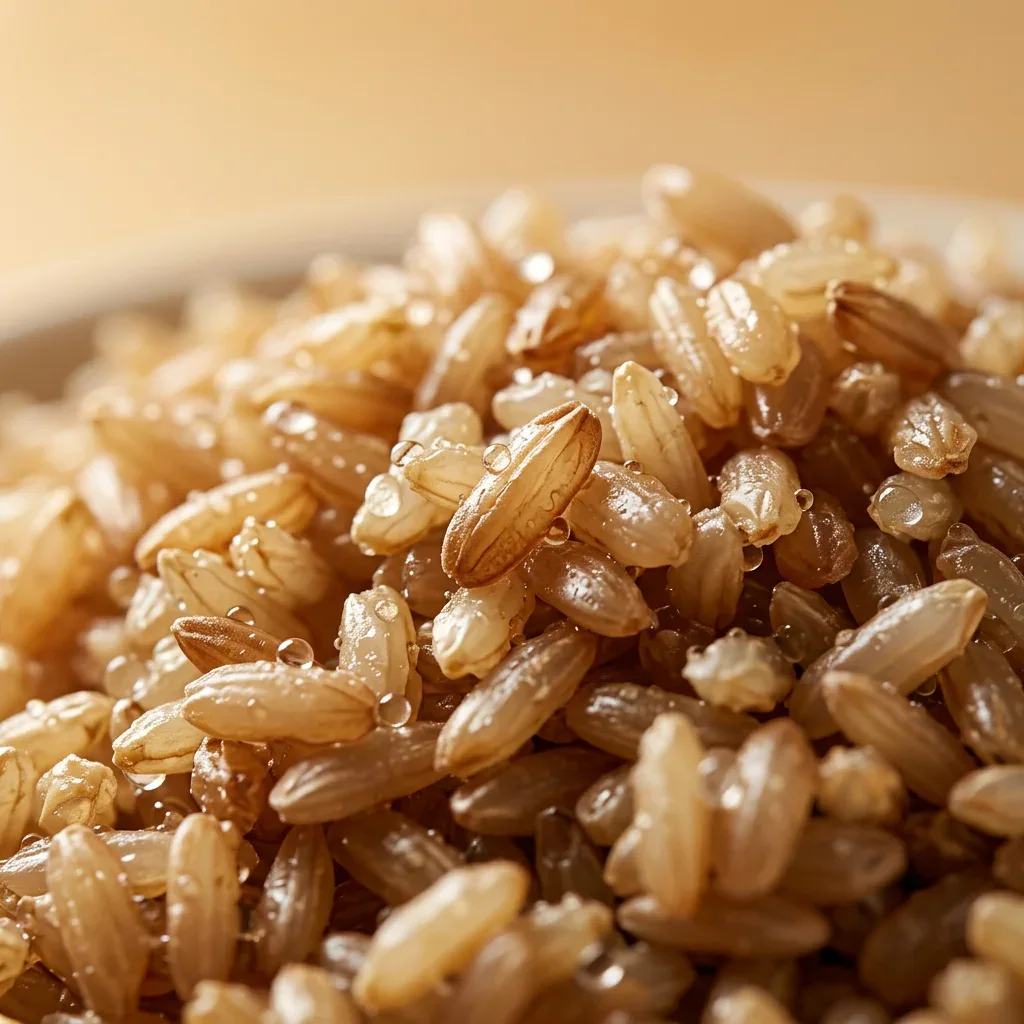
How to serve: Well-cooked soft grains mixed into purées.
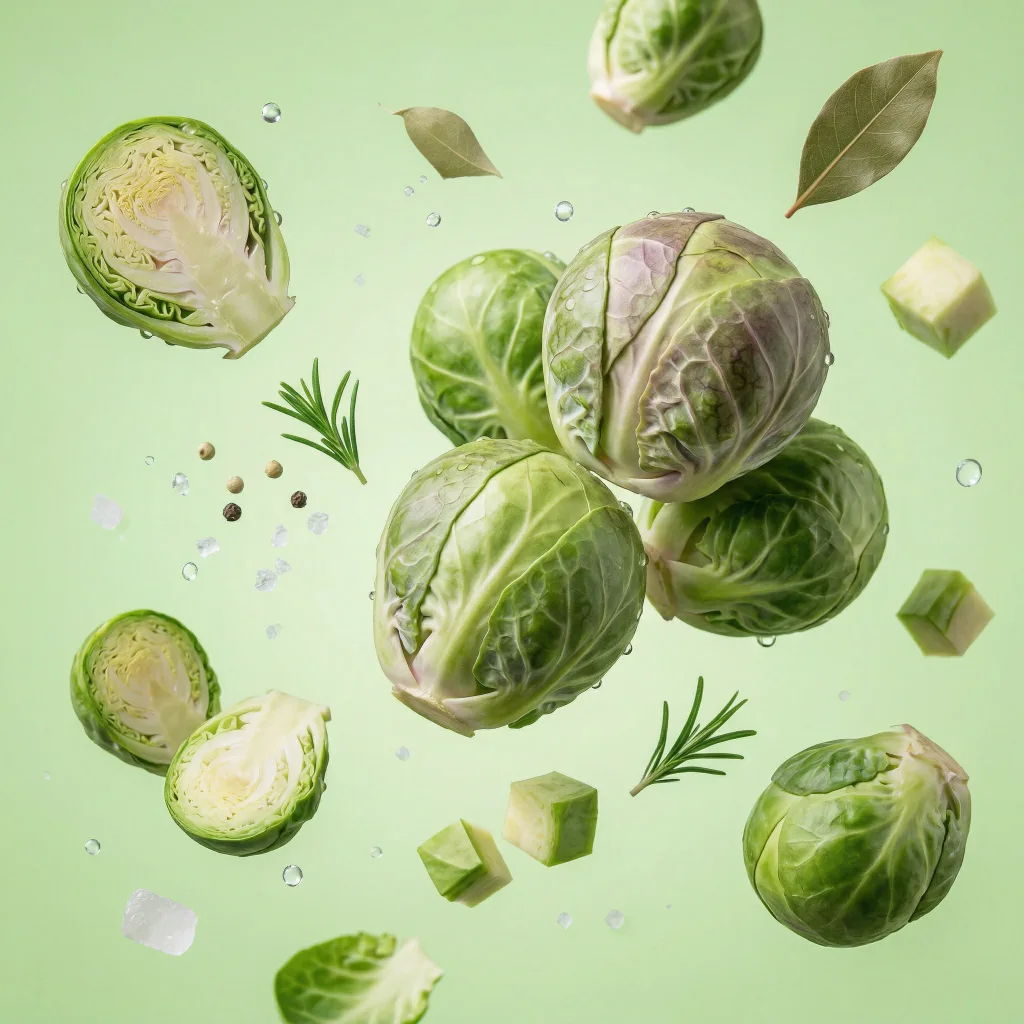
How to serve: Mashed or finely chopped steamed sprouts.

How to serve: Smooth buckwheat porridge.
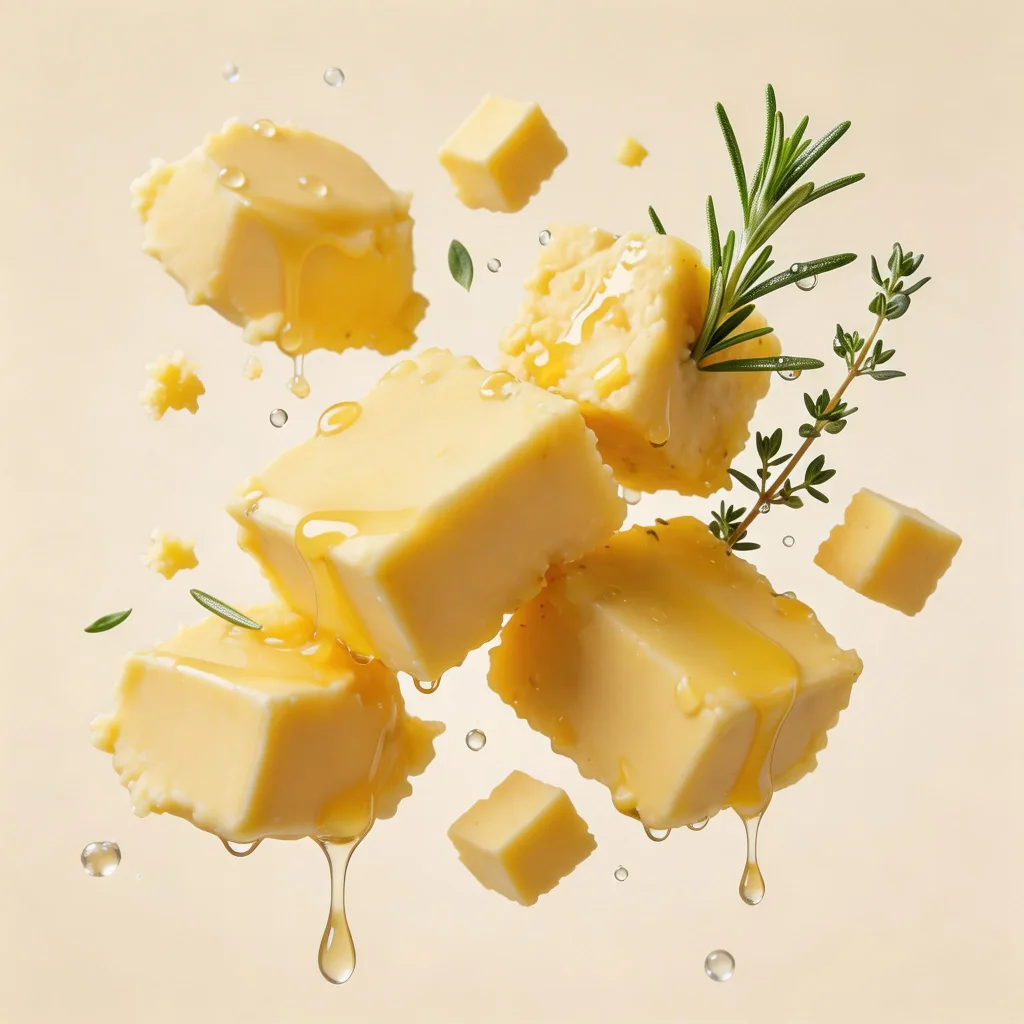
How to serve: Melt into porridge, vegetables, or purées.

How to serve: Smooth, creamy purée — butter beans blend to an exceptionally silky texture.
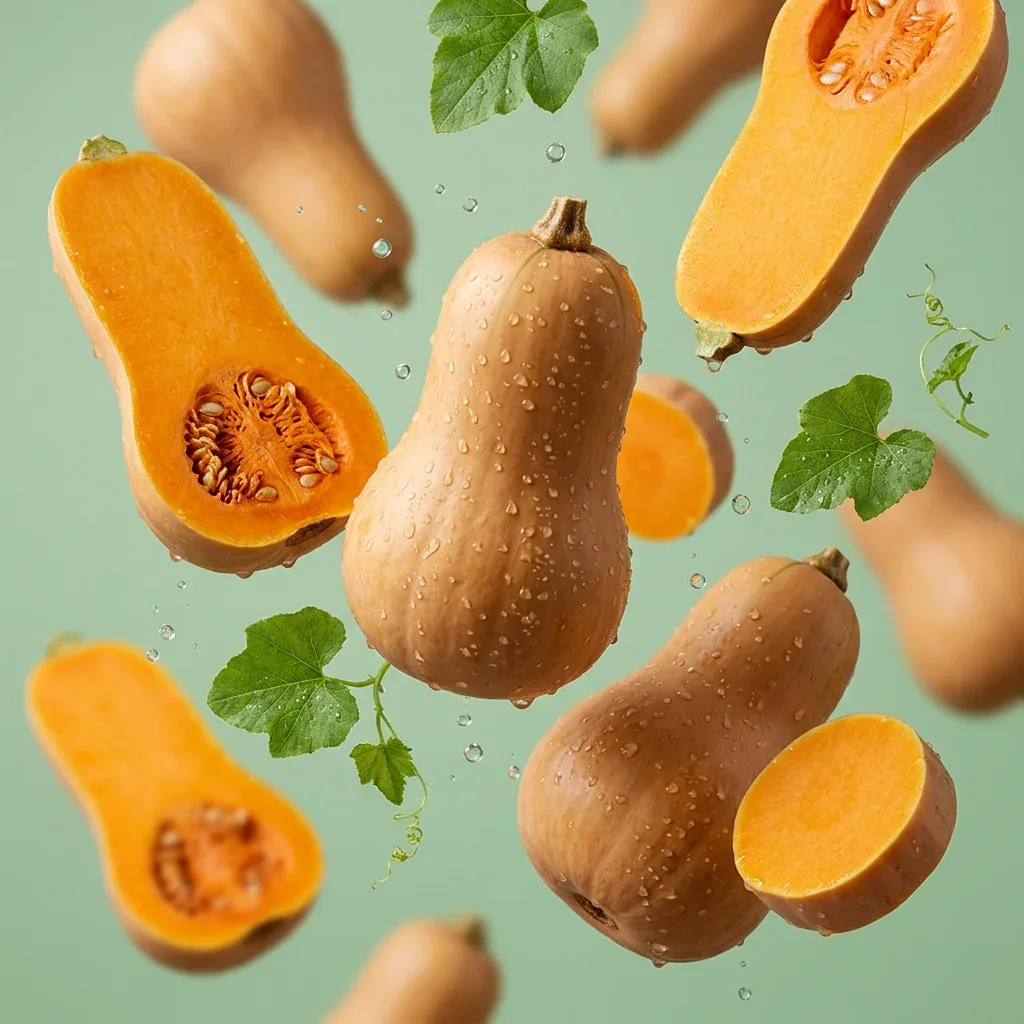
How to serve: Soft mash or small roasted cubes.
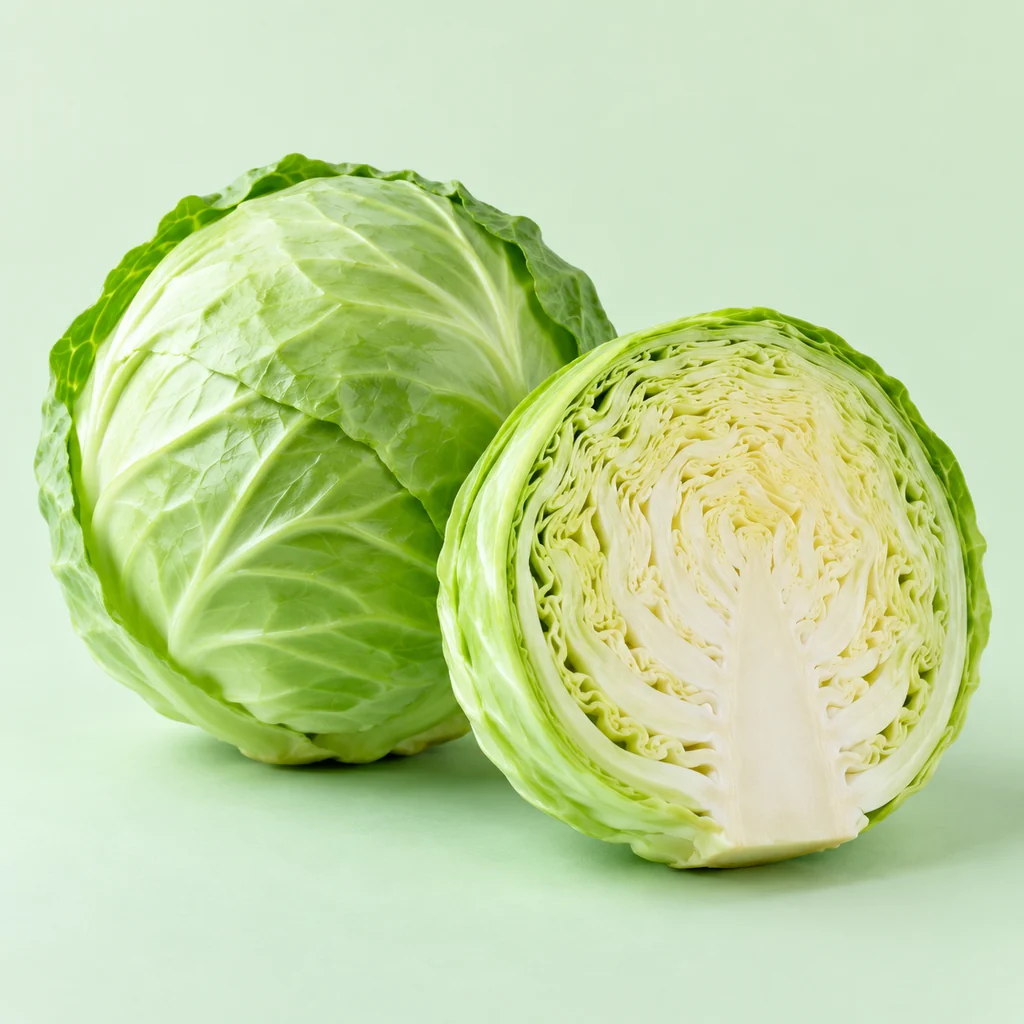
How to serve: Cook until soft and mash roughly. Can be mixed into other vegetables.
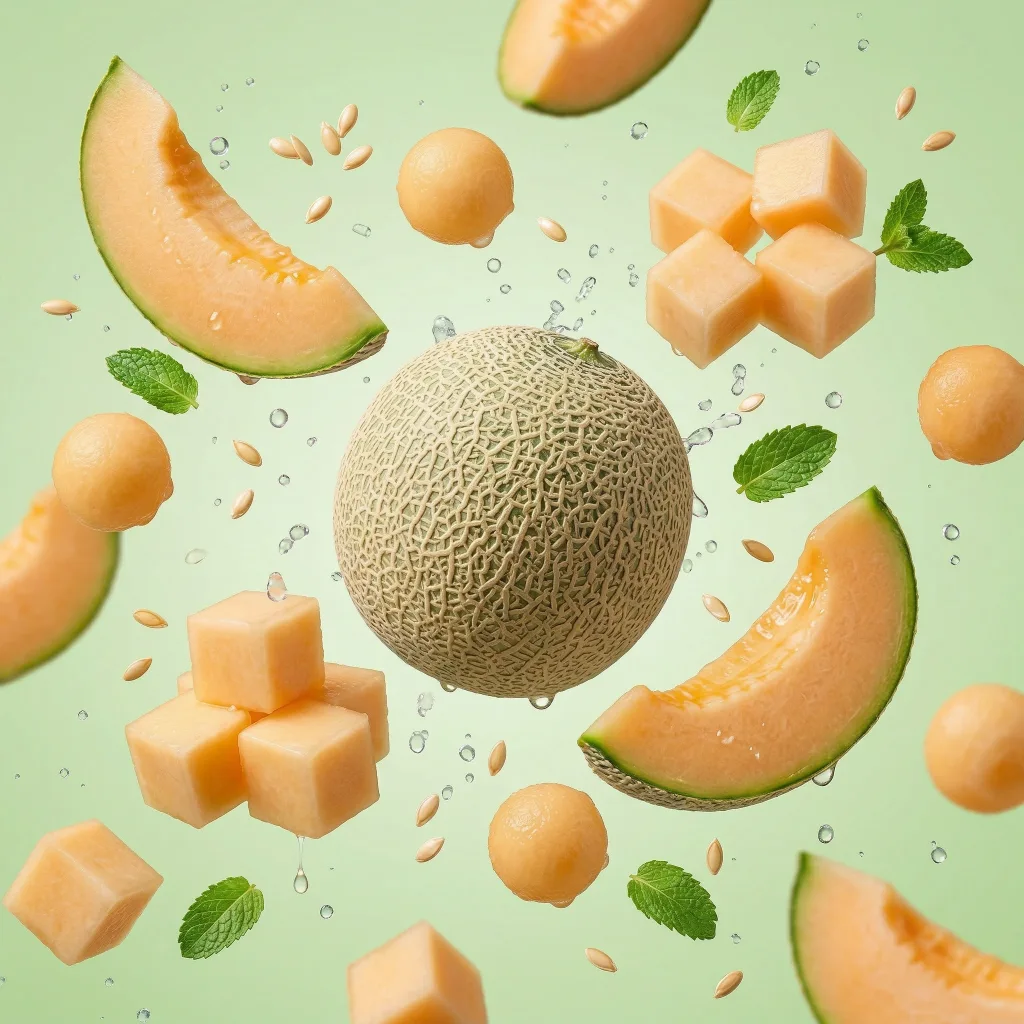
How to serve: Soft diced pieces — very ripe cantaloupe requires no cooking.

How to serve: Soft mash or small steamed pieces.
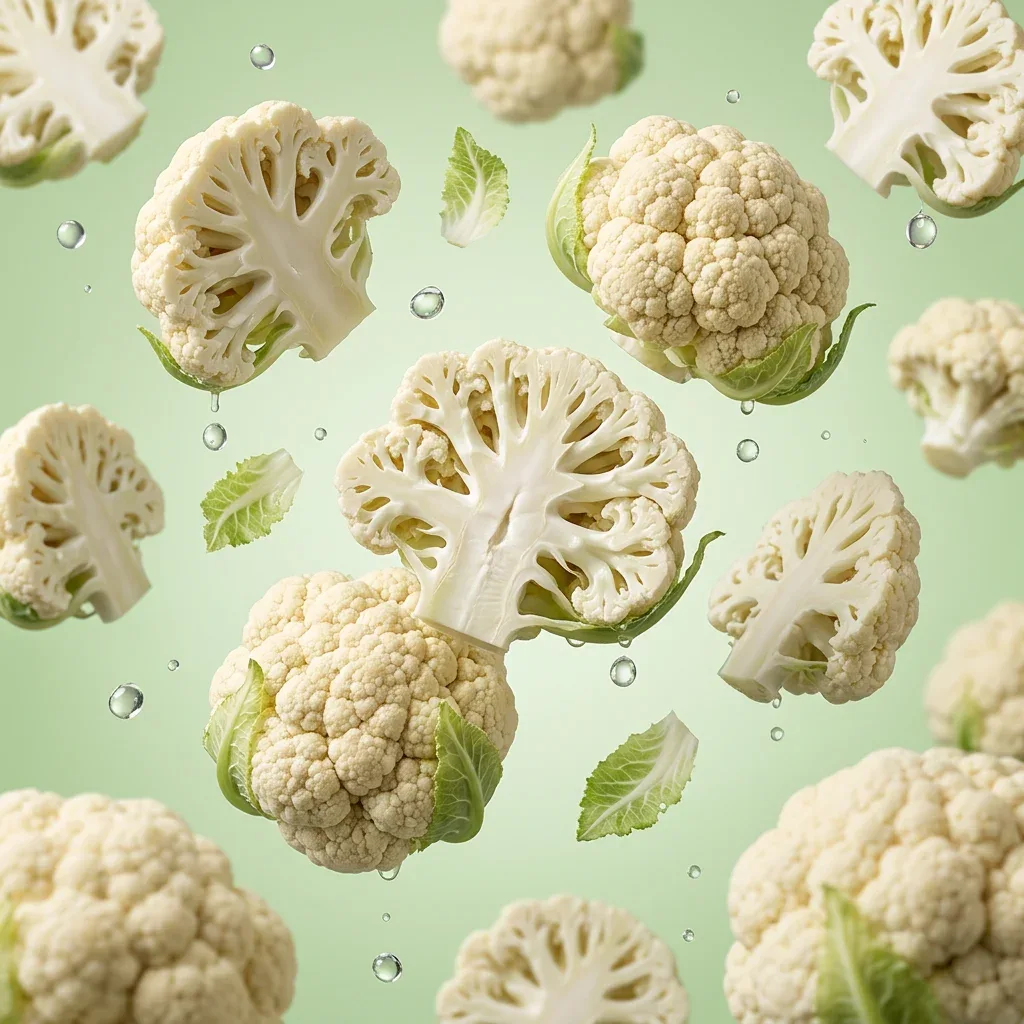
How to serve: Smooth mash — cauliflower blends to a very creamy texture.
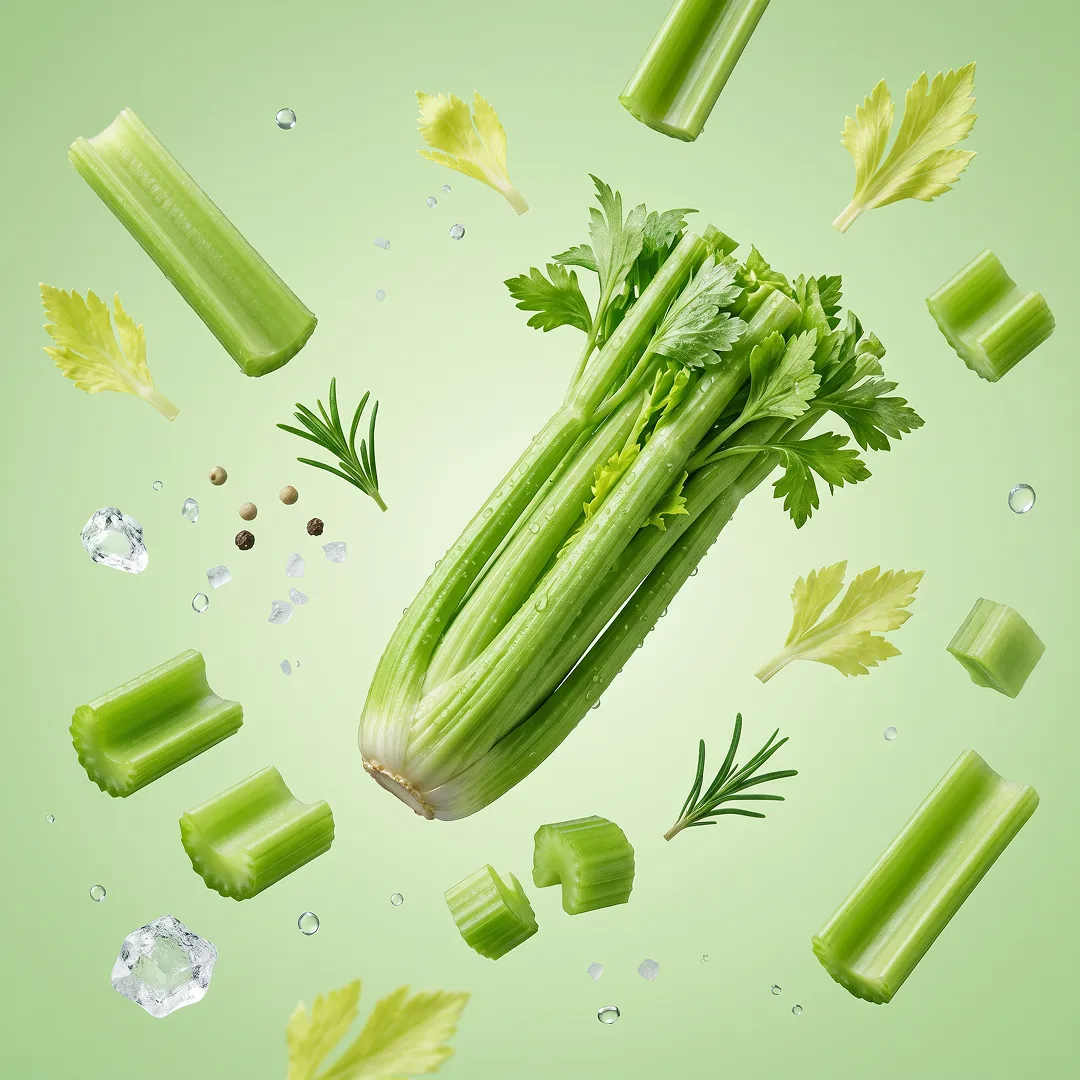
How to serve: Cook until very soft, remove strings, and mash finely into other vegetables.
Raw celery is a high choking hazard for babies and toddlers — always cook until very soft. The stringy fibres must also be removed before serving.
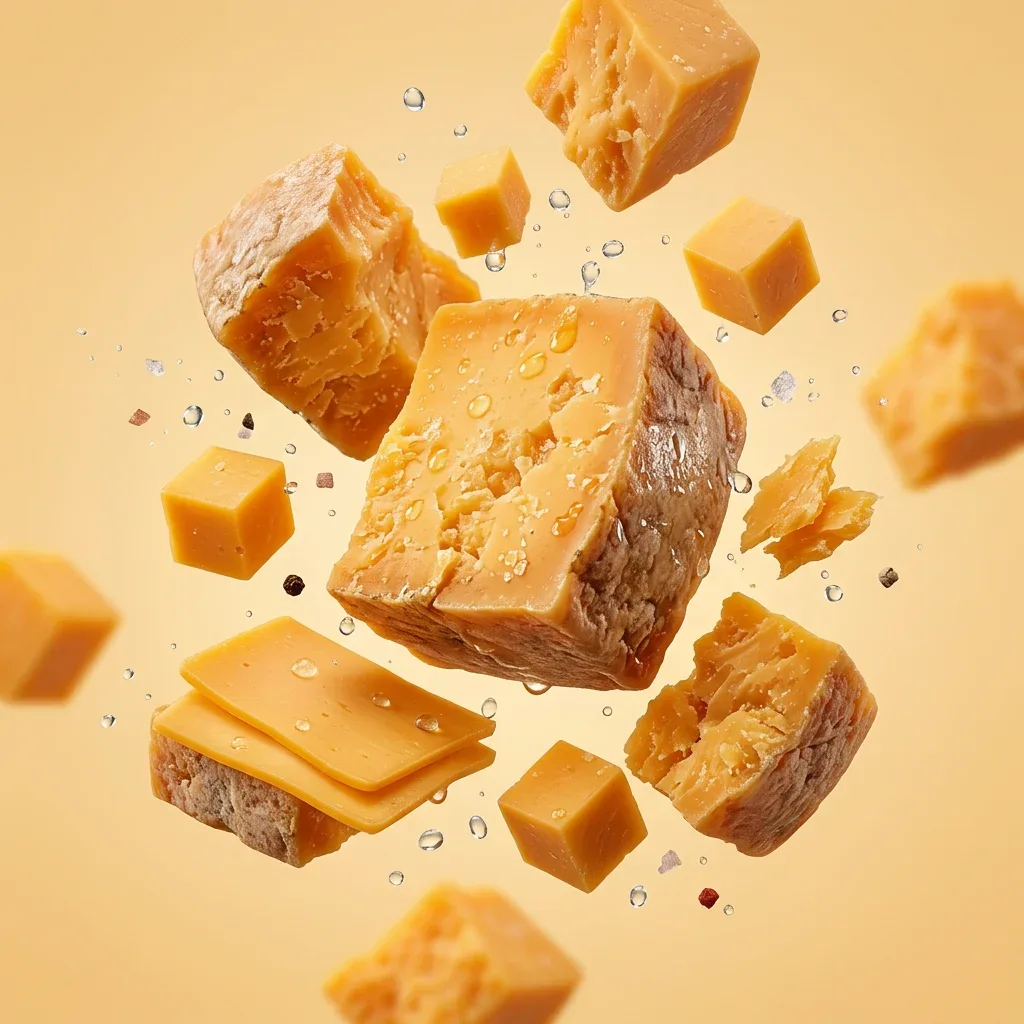
How to serve: Finely grated, melted into vegetables or pasta.

How to serve: Pitted and quartered — never serve whole or halved without quartering.
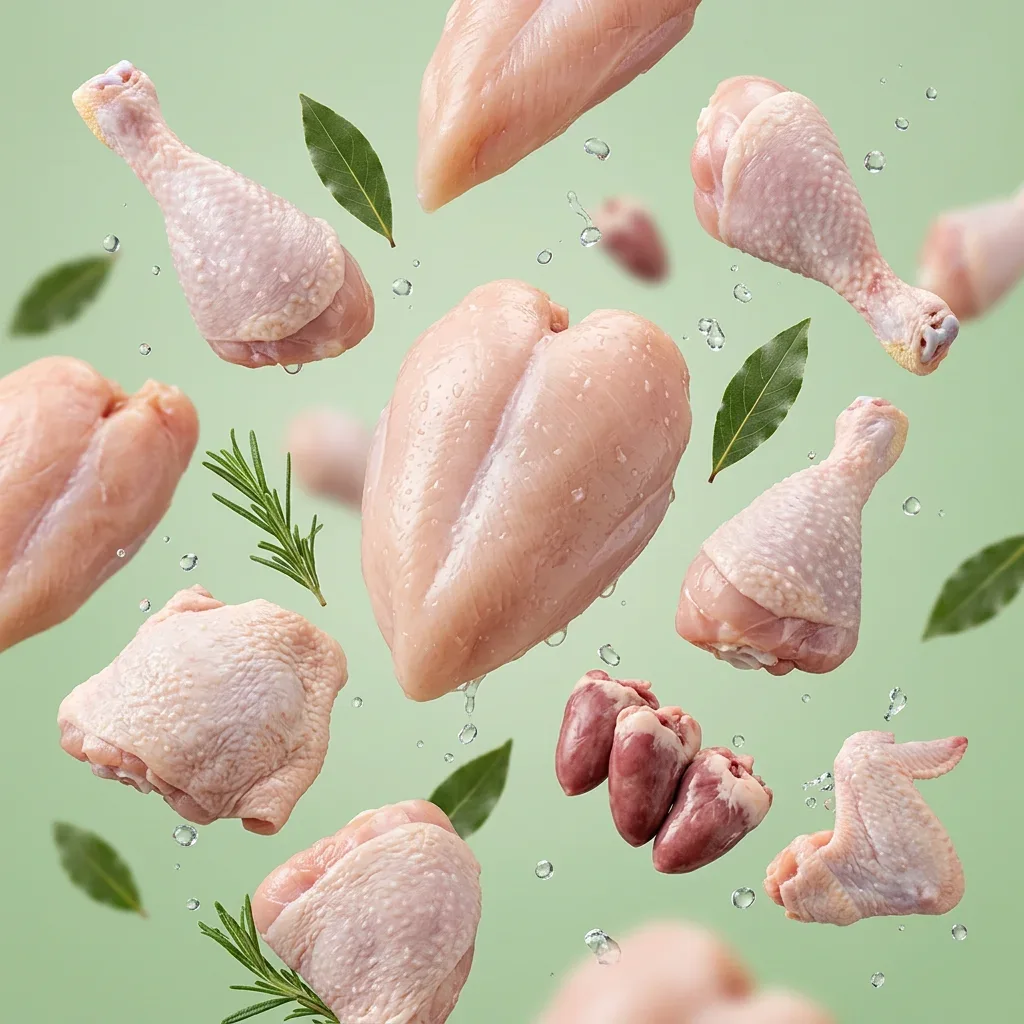
How to serve: Finely minced or shredded, mixed into purées.
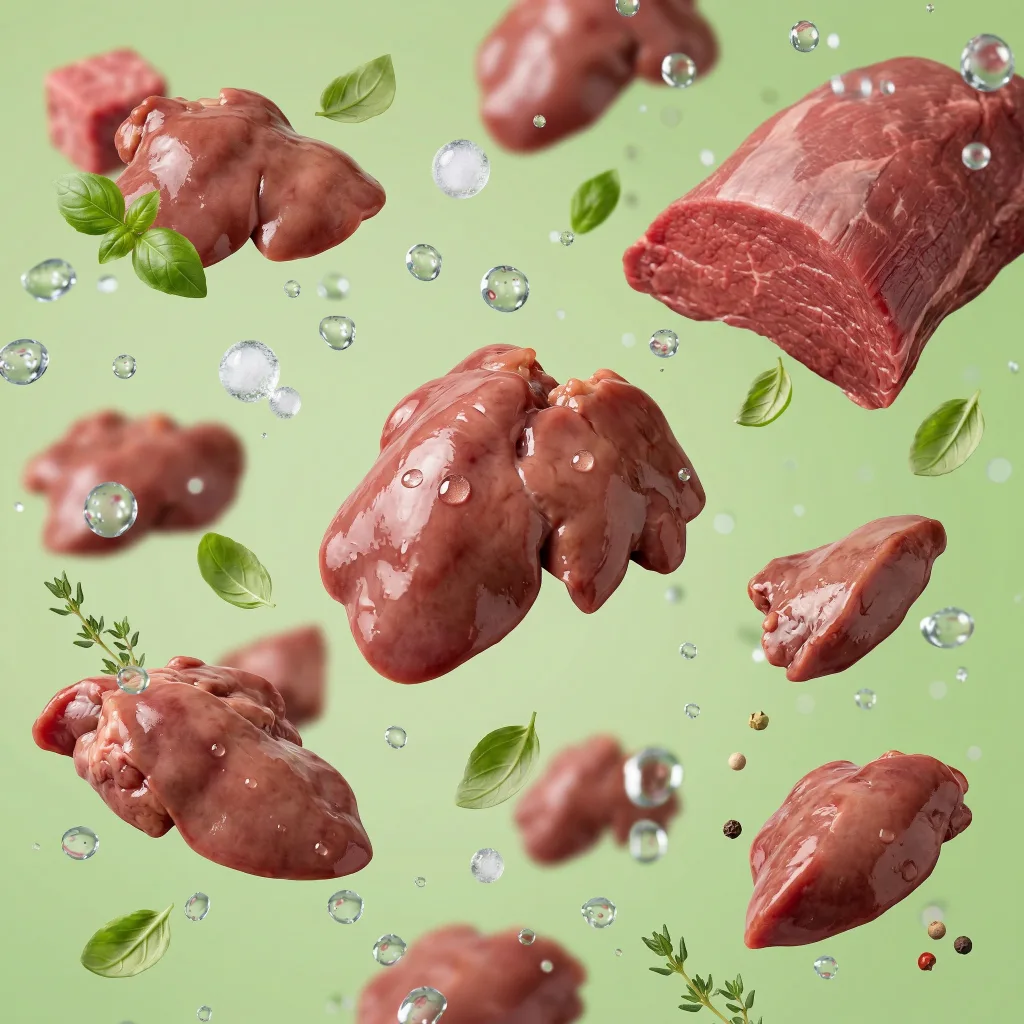
How to serve: Finely blended into purées or porridge — strong flavour, use in small amounts.
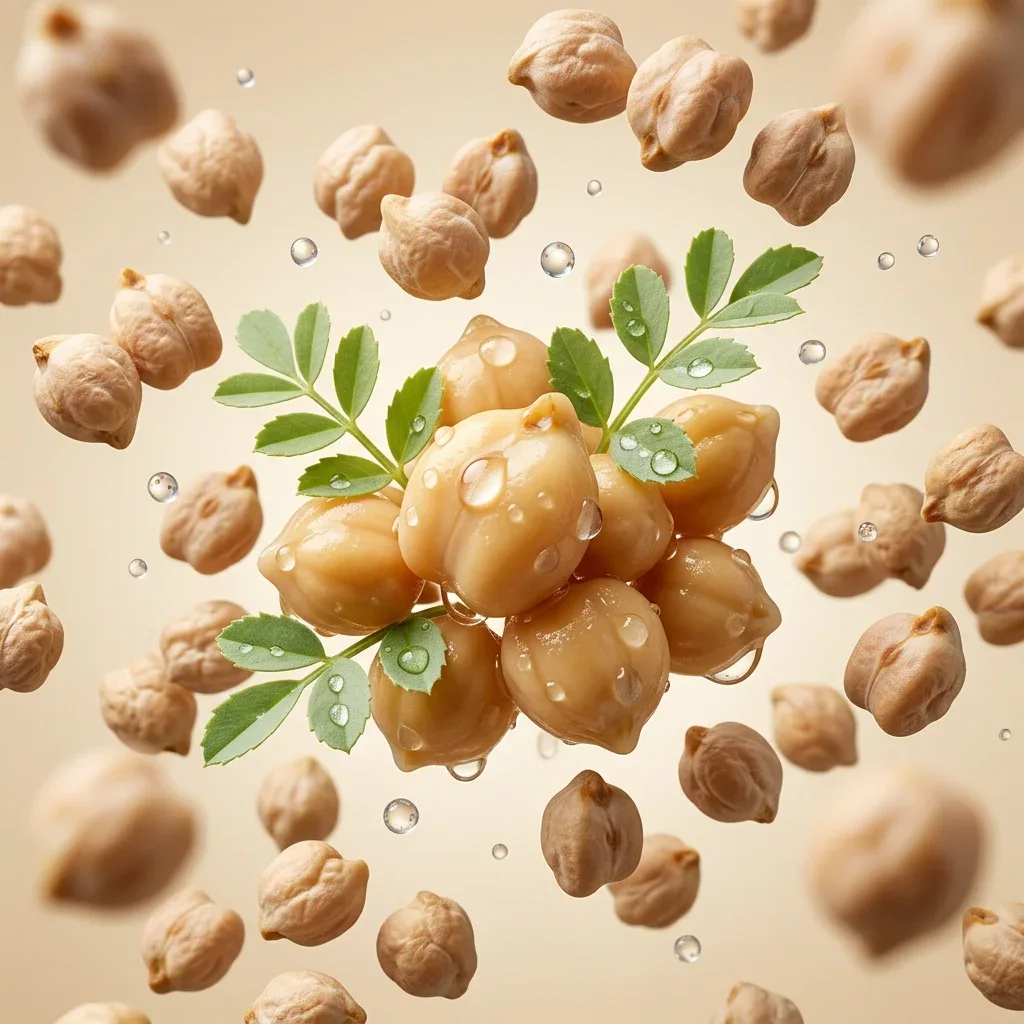
How to serve: Smooth hummus — blend until completely smooth with no lumps.

How to serve: Coconut milk or cream in blended dishes. Very finely blended coconut flesh may be introduced.
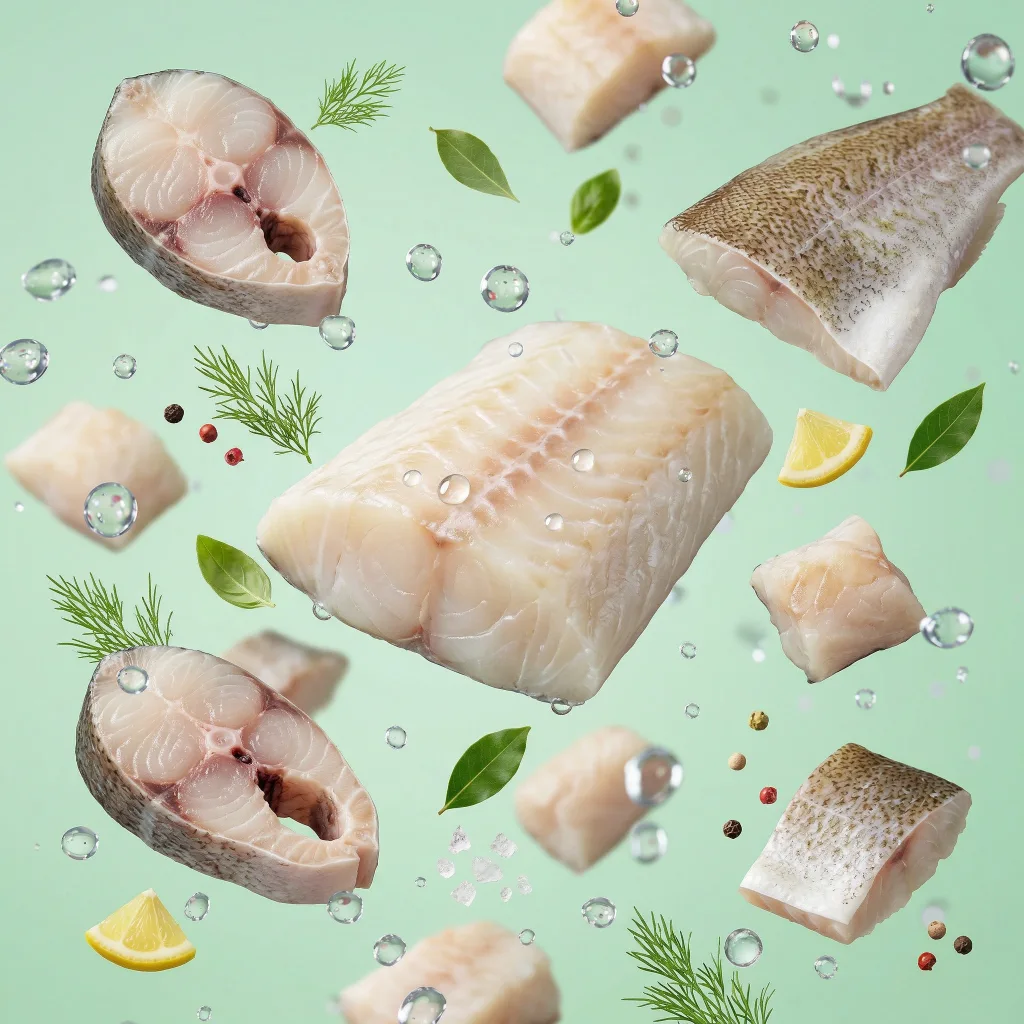
How to serve: Flaked and blended into vegetable purées.
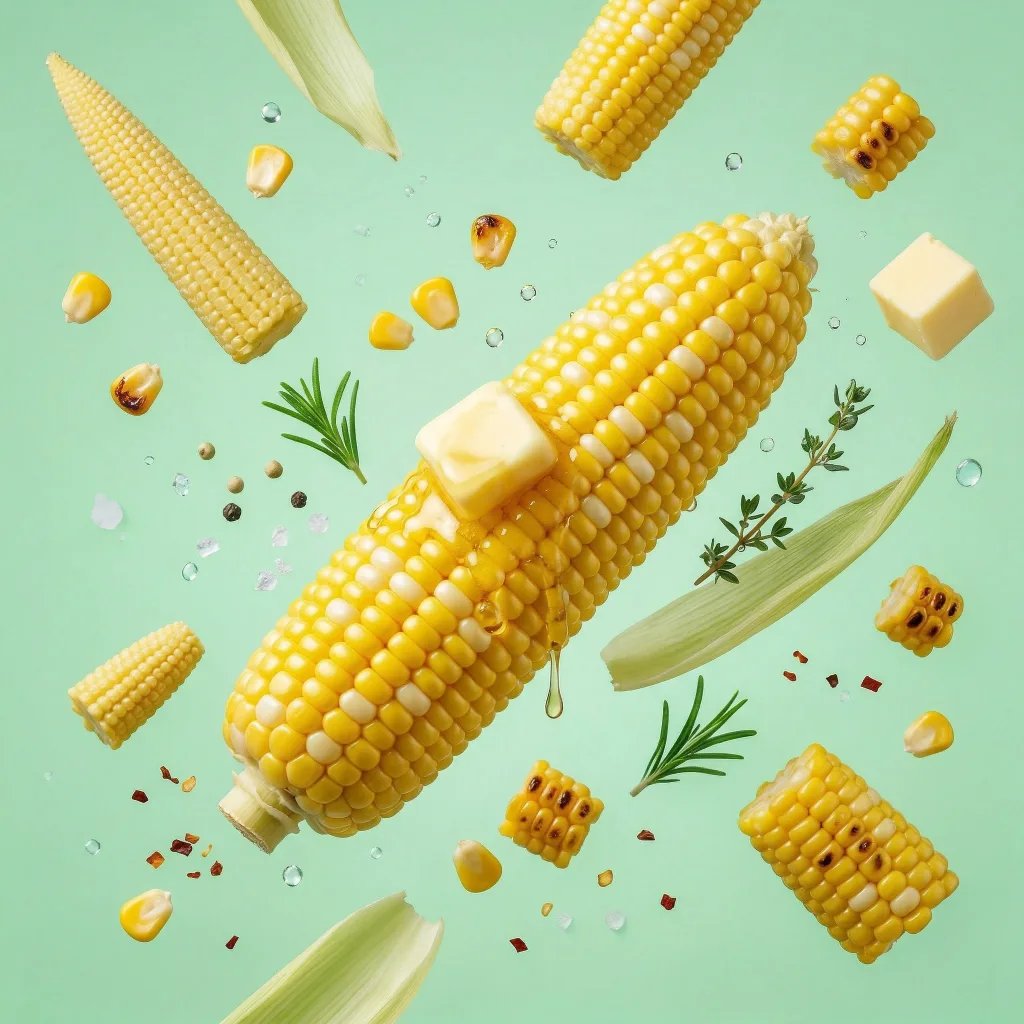
How to serve: Blended into soft foods — kernels alone are still a choking risk.
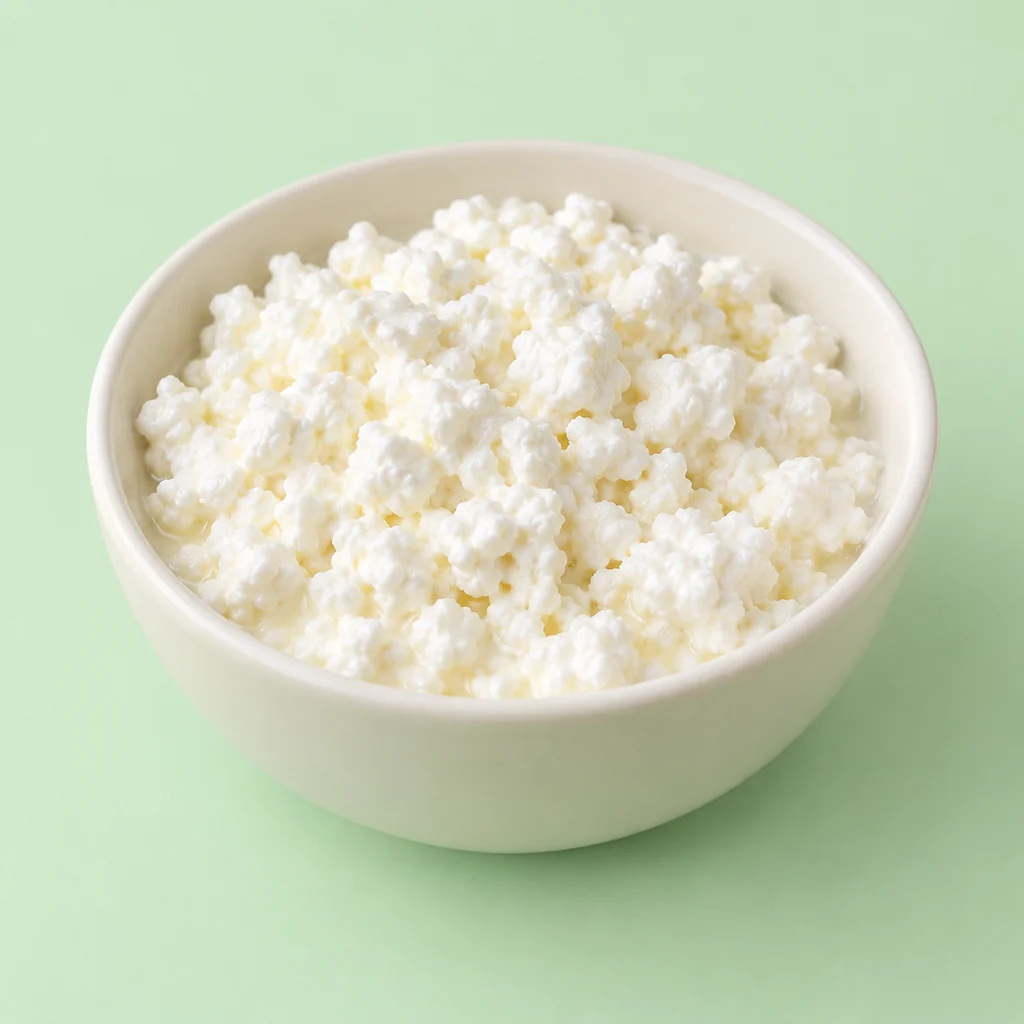
How to serve: Choose pasteurised full-fat cheese. Mixed into fruit or vegetable purées.
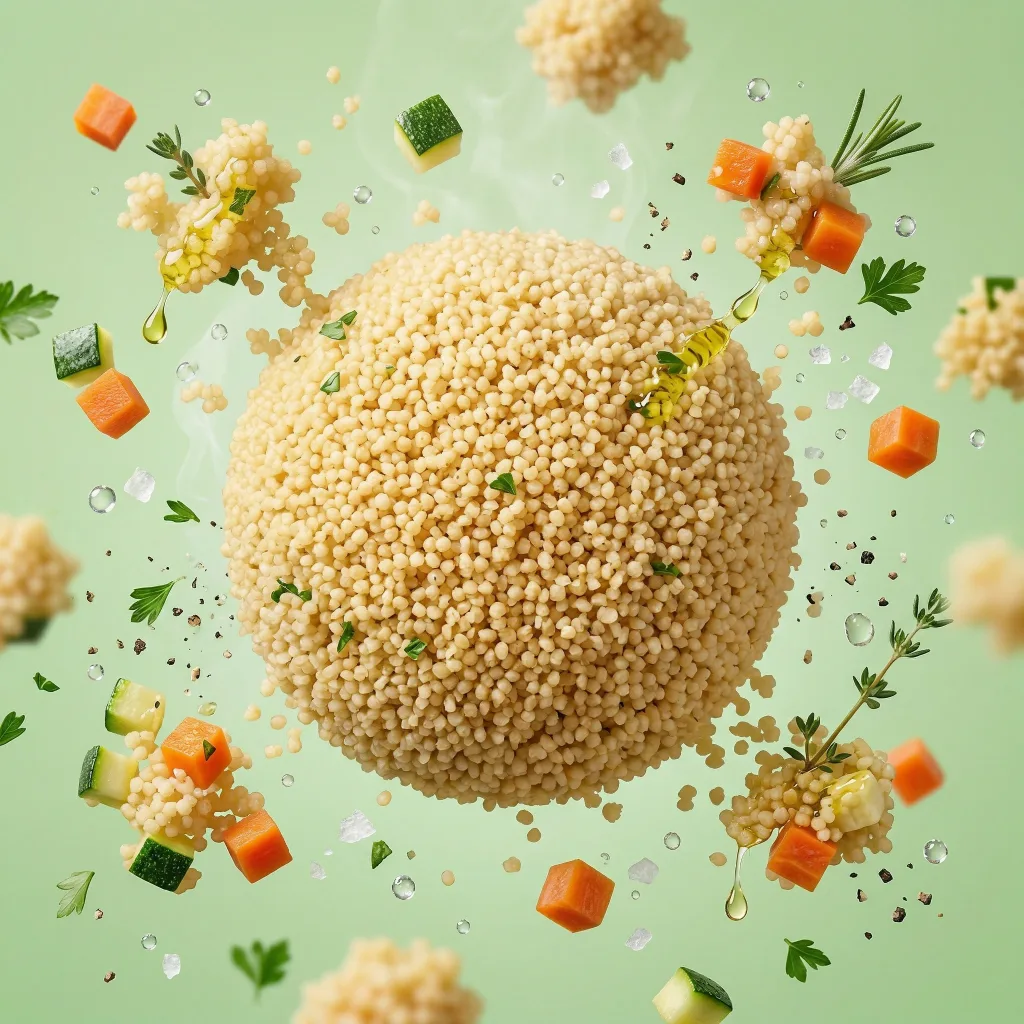
How to serve: Well-softened couscous mixed into purées or with soft vegetables.
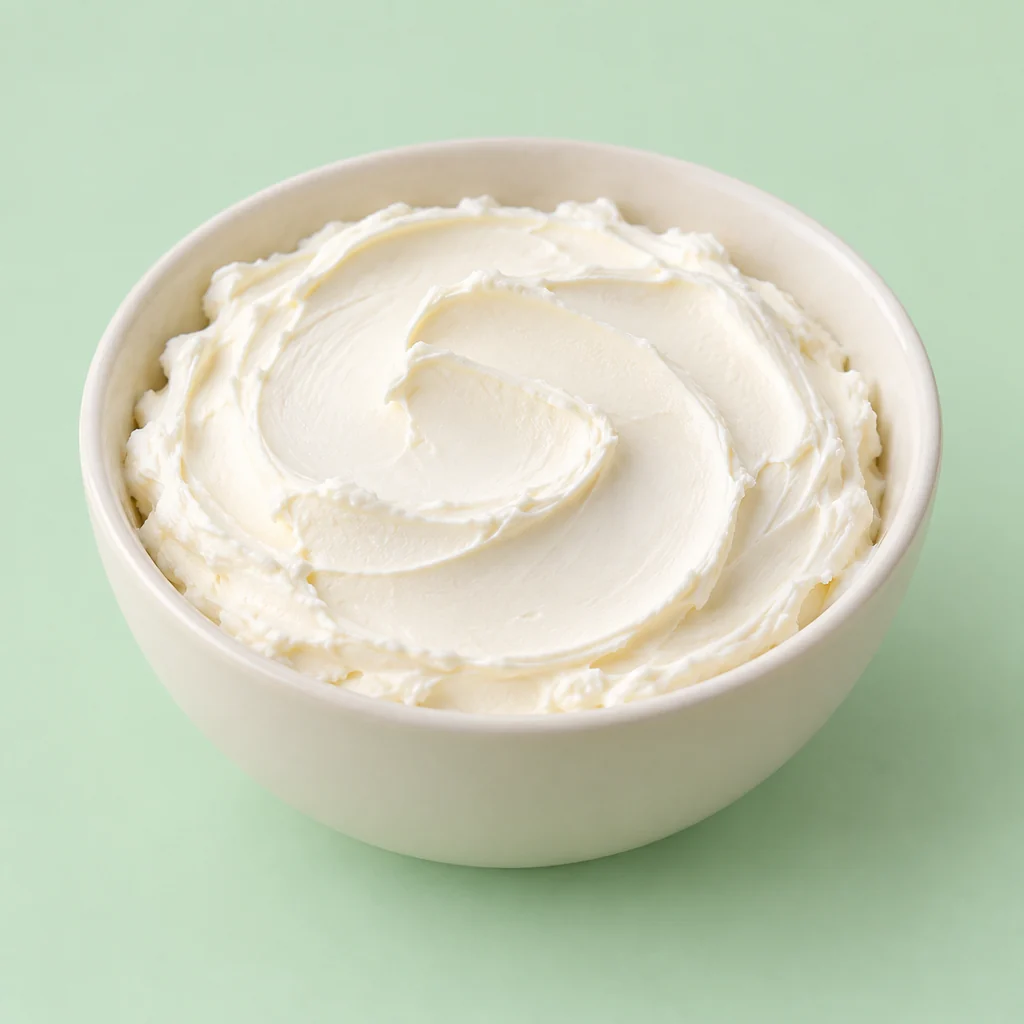
How to serve: Choose pasteurised full-fat cheese. Thin layer spread on soft bread or mixed into purées.
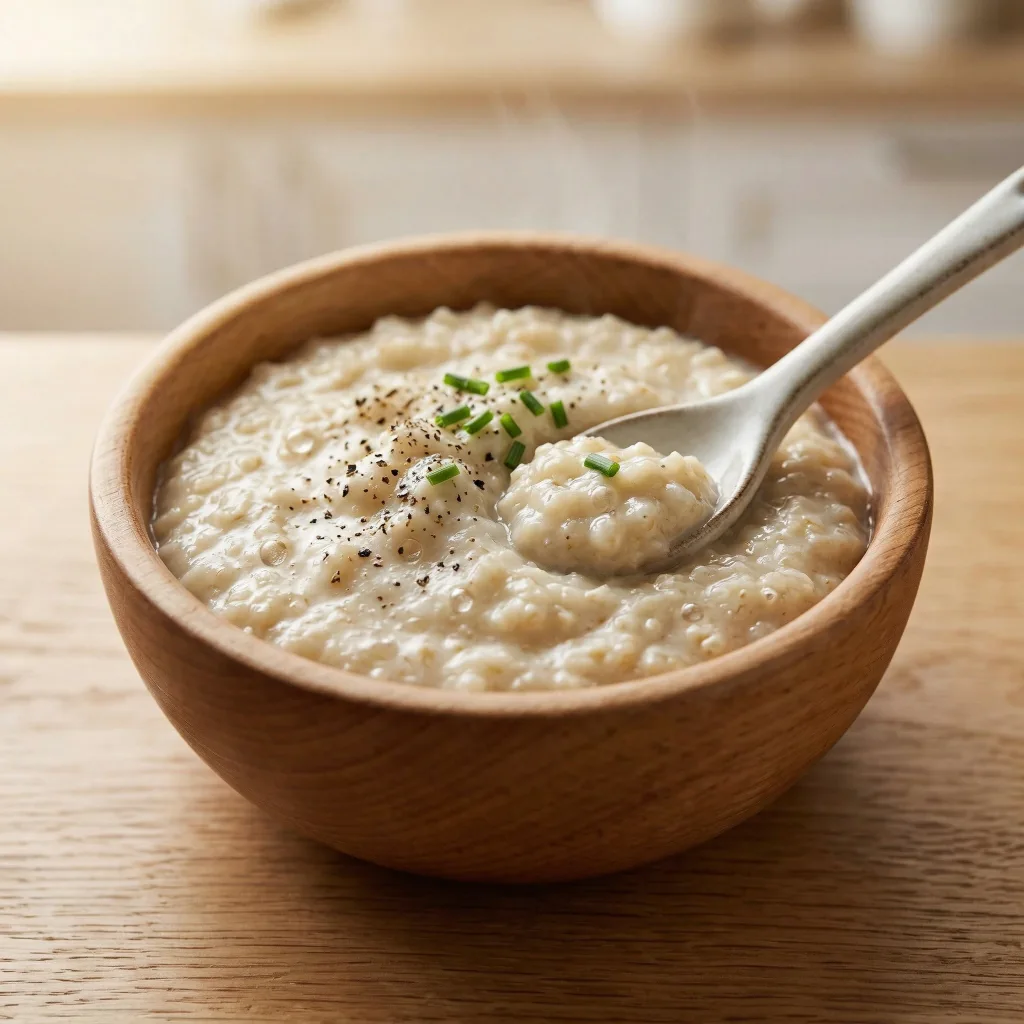
How to serve: Thin smooth porridge — adjust consistency with liquid.
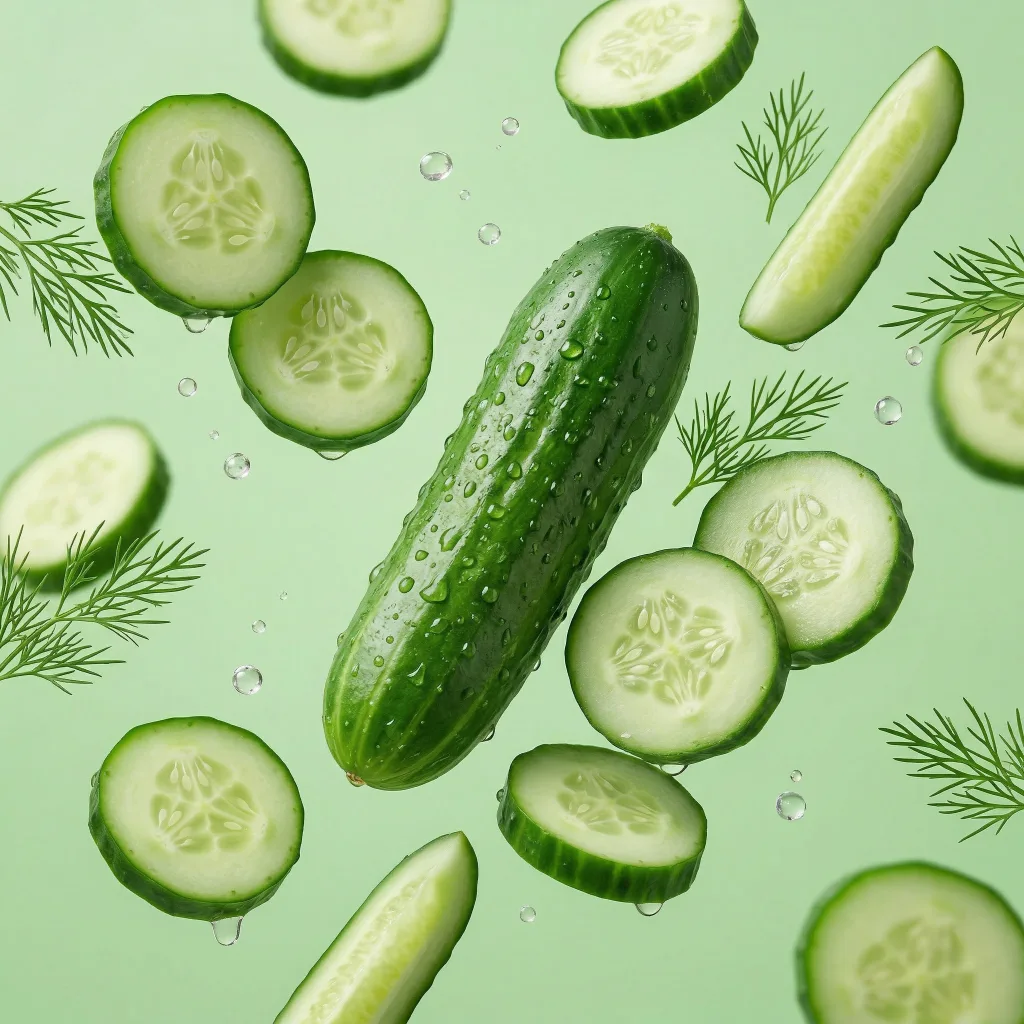
How to serve: Peeled and deseeded soft strips or small diced pieces.
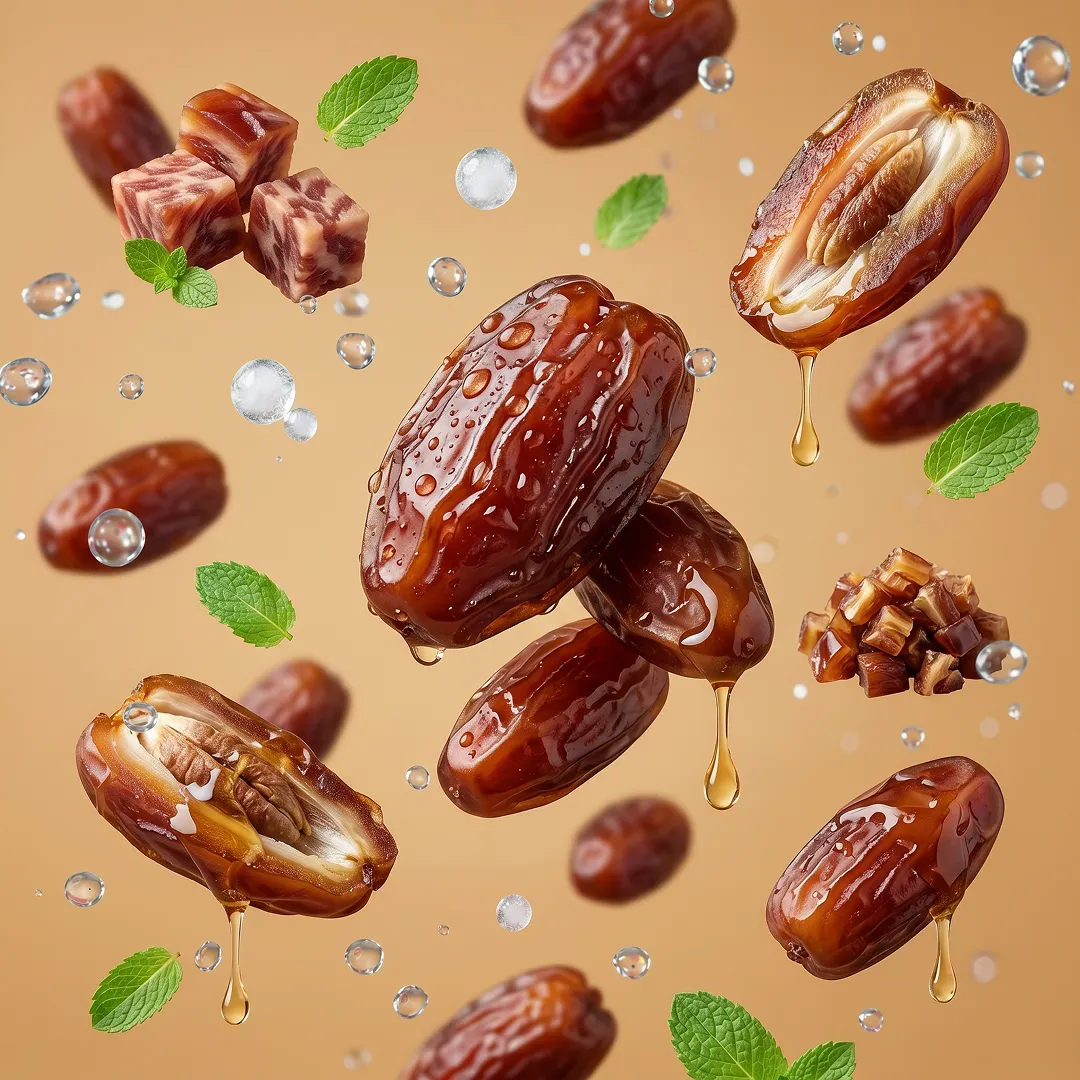
How to serve: Softened, pitted dates mashed finely or blended. Can be mixed into yogurt.
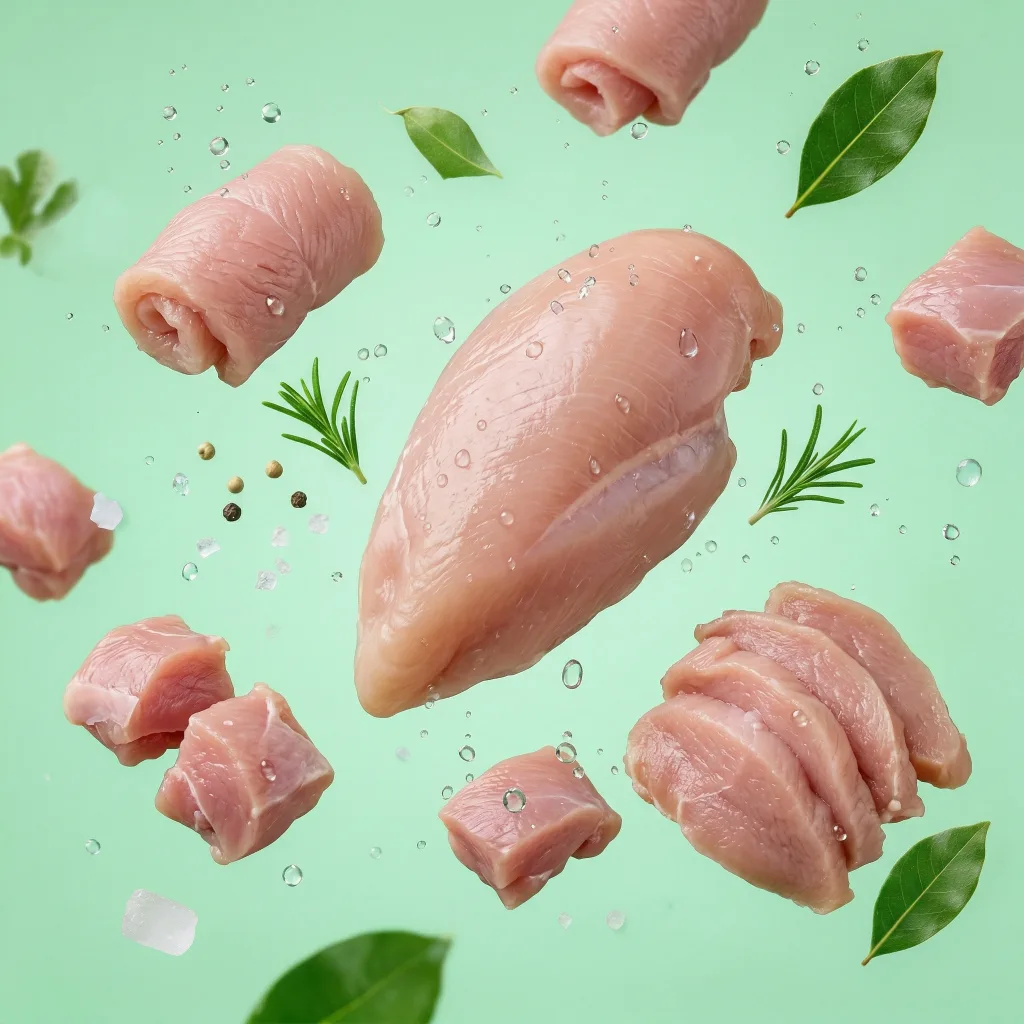
How to serve: Finely shredded tender duck meat.

How to serve: Mashed or blended into purées.
Whole edamame beans can be a choking hazard. Always remove from pods and mash before serving.

How to serve: Offer fully set scrambled egg as soft, small curds without added salt.
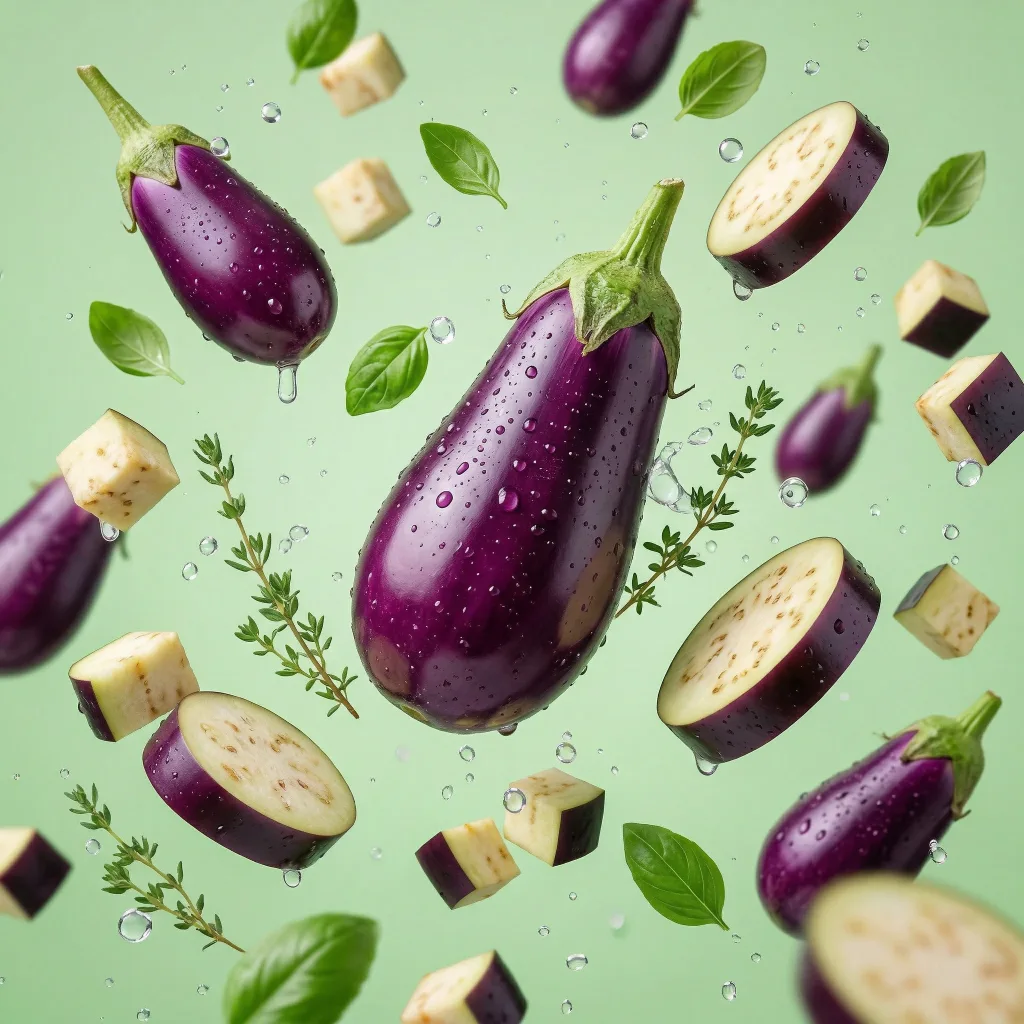
How to serve: Small soft roasted pieces — peel removed.
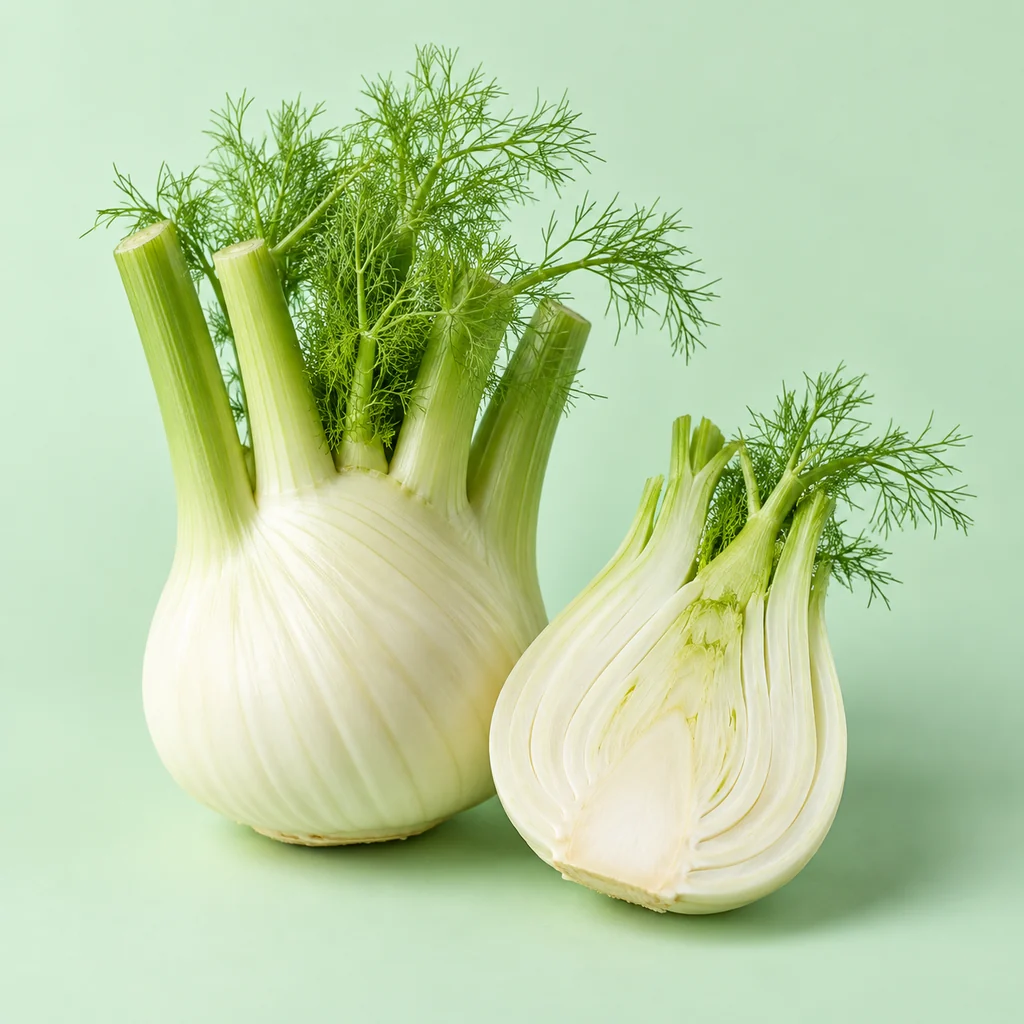
How to serve: Soft roasted or steamed fennel mashed with other vegetables like potato.
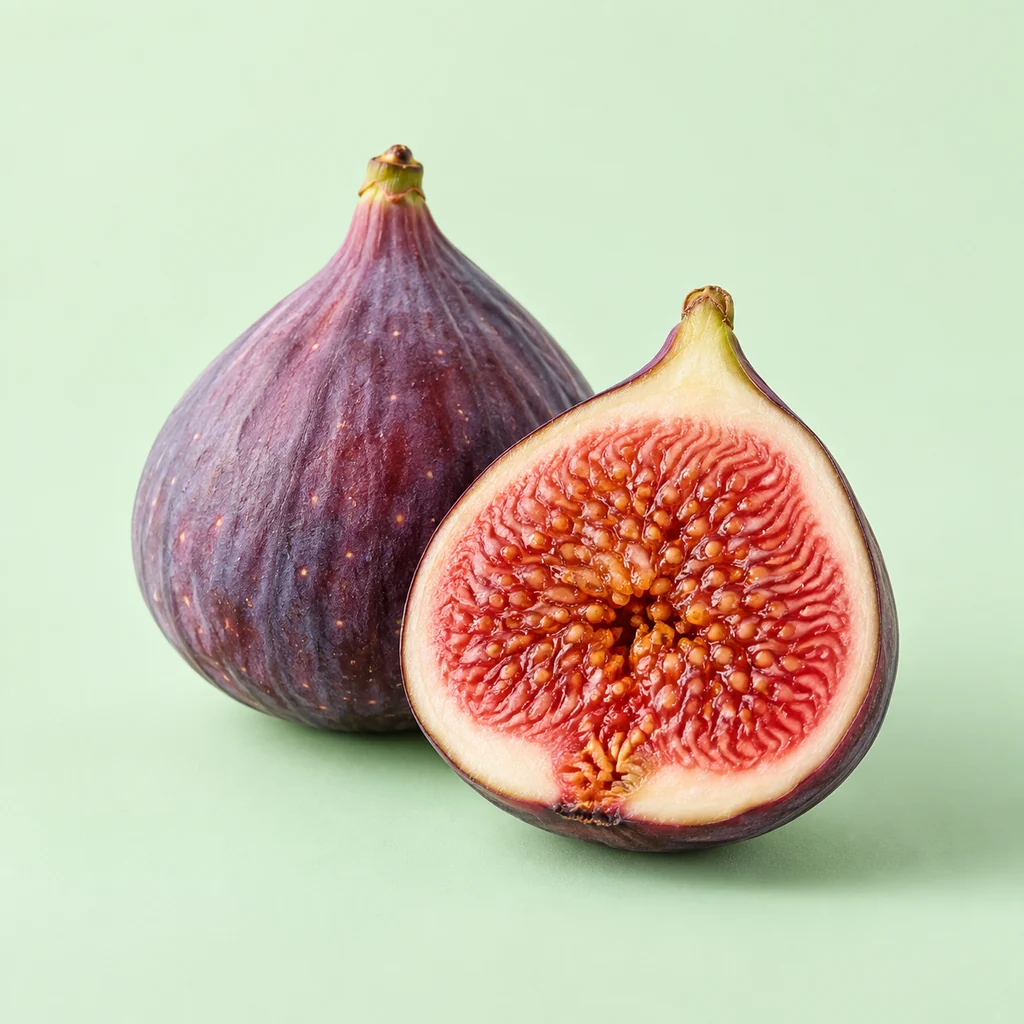
How to serve: Mashed ripe fig — skin off.
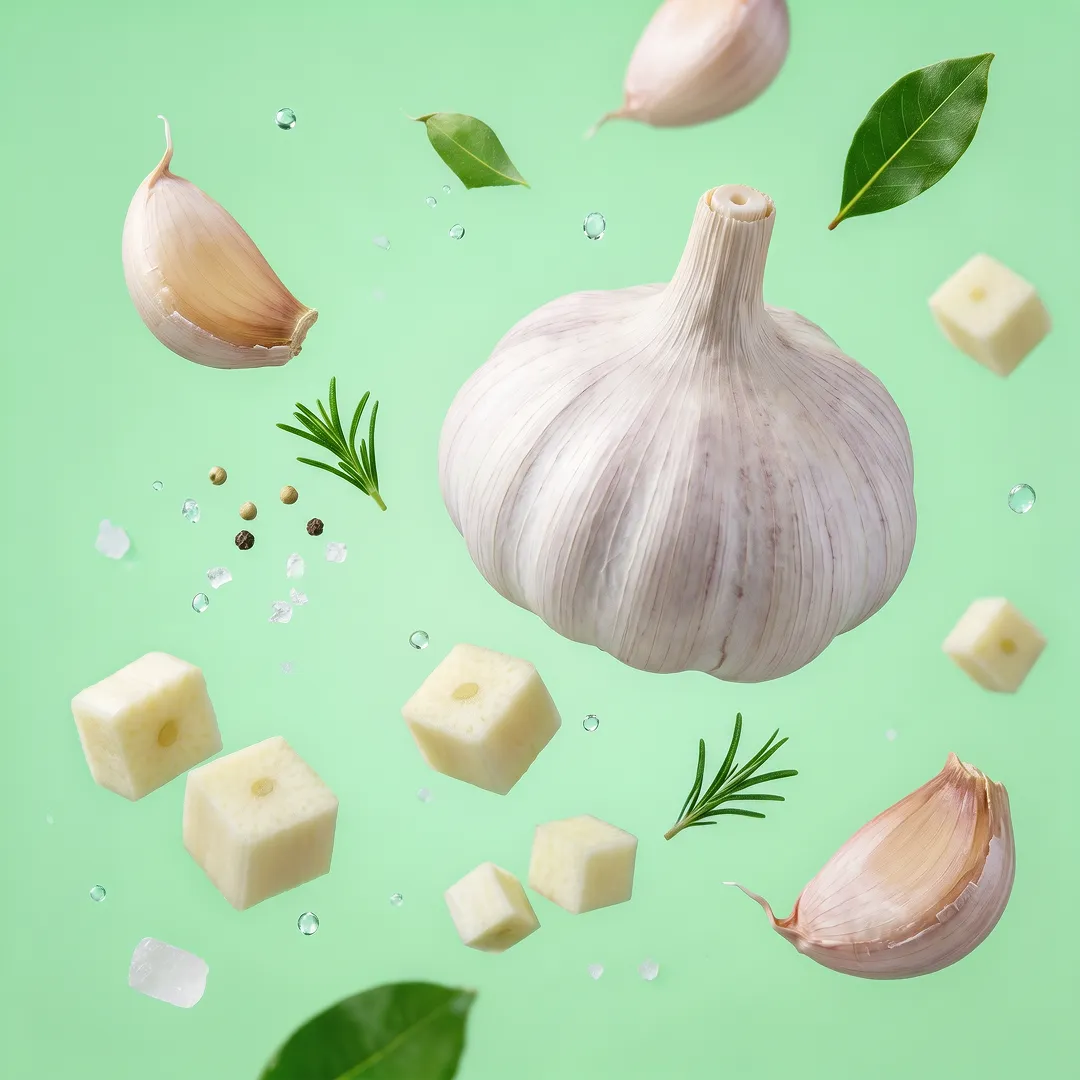
How to serve: Use in cooked dishes — soups, stews, and sautéed vegetables.
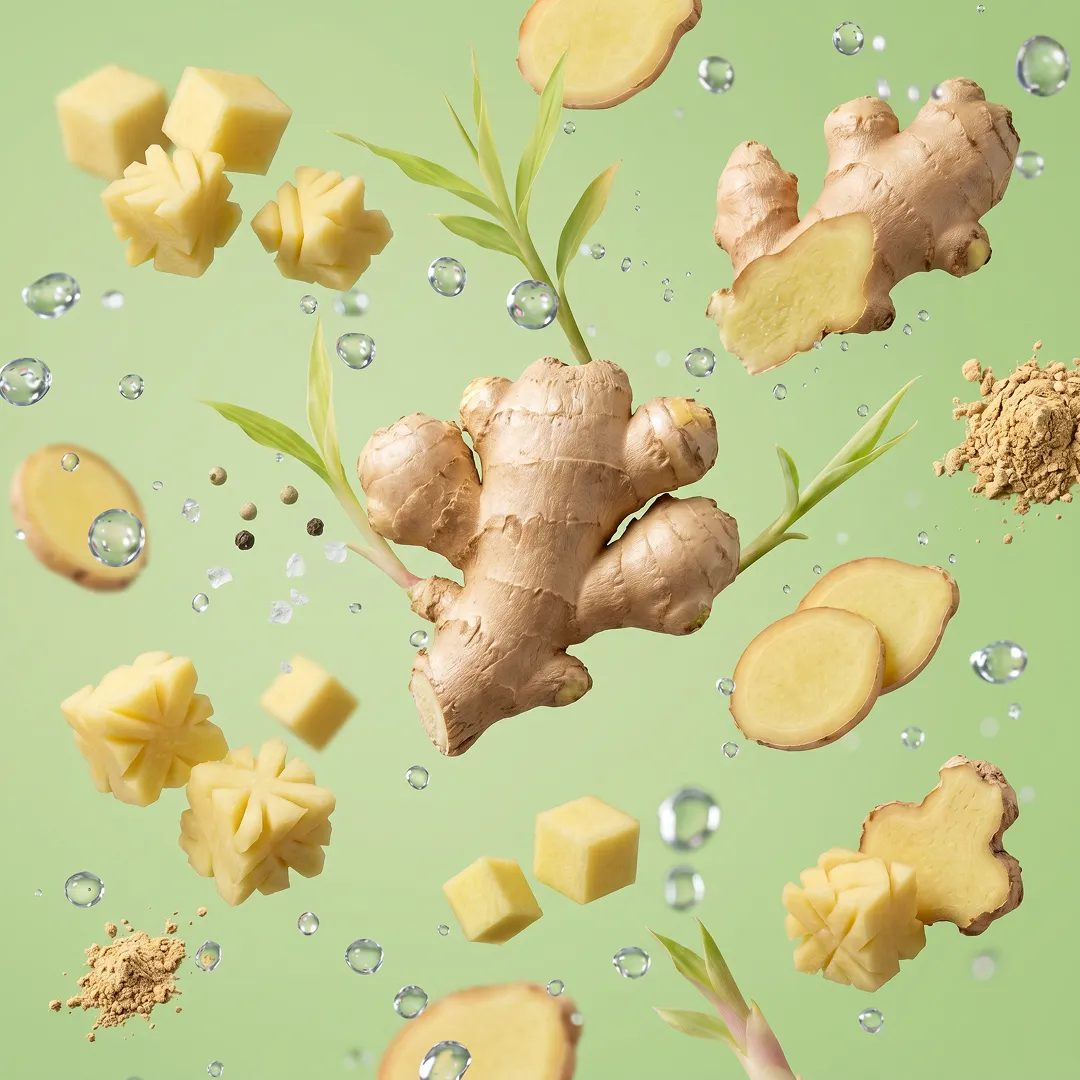
How to serve: Add a small amount of fresh grated ginger to cooked dishes, stir-fries, and soups.
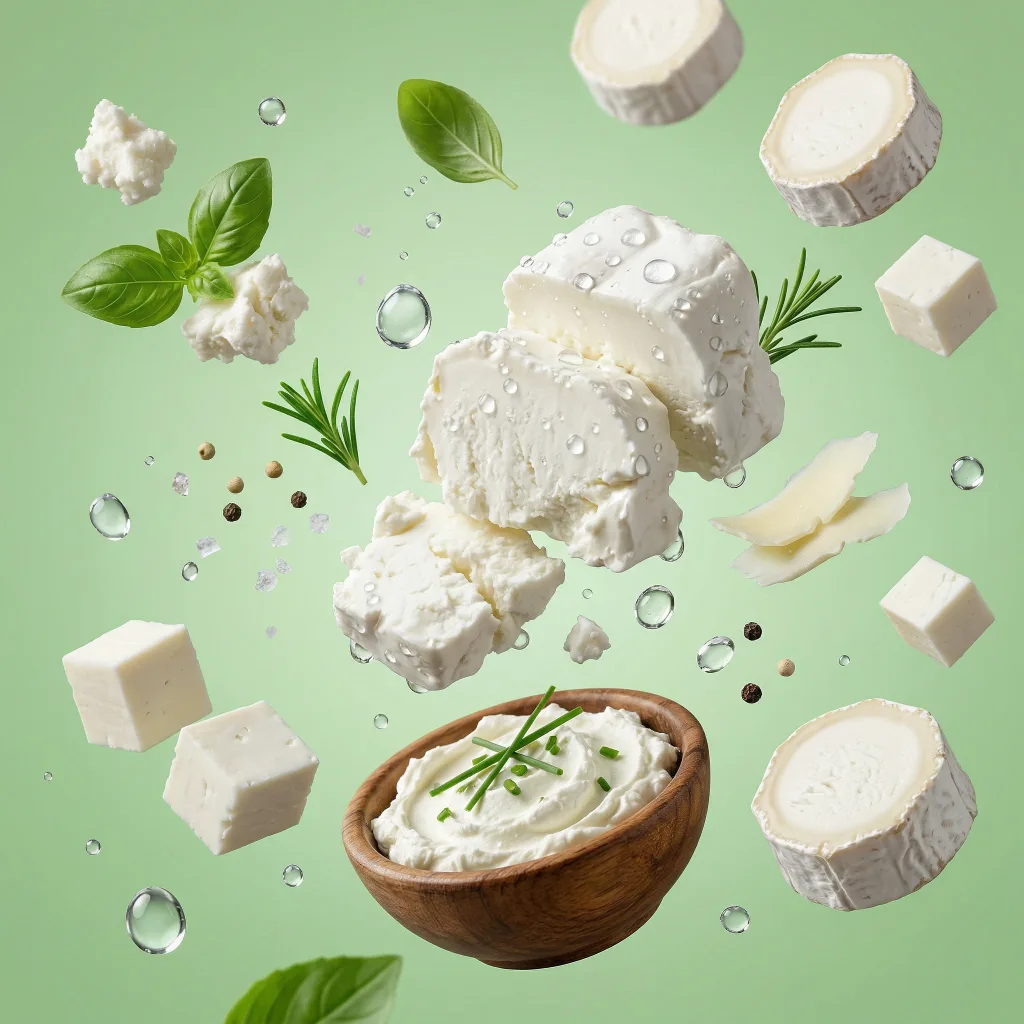
How to serve: Spread a little pasteurised soft goats' cheese without a white rind on soft bread, or mix into mash.
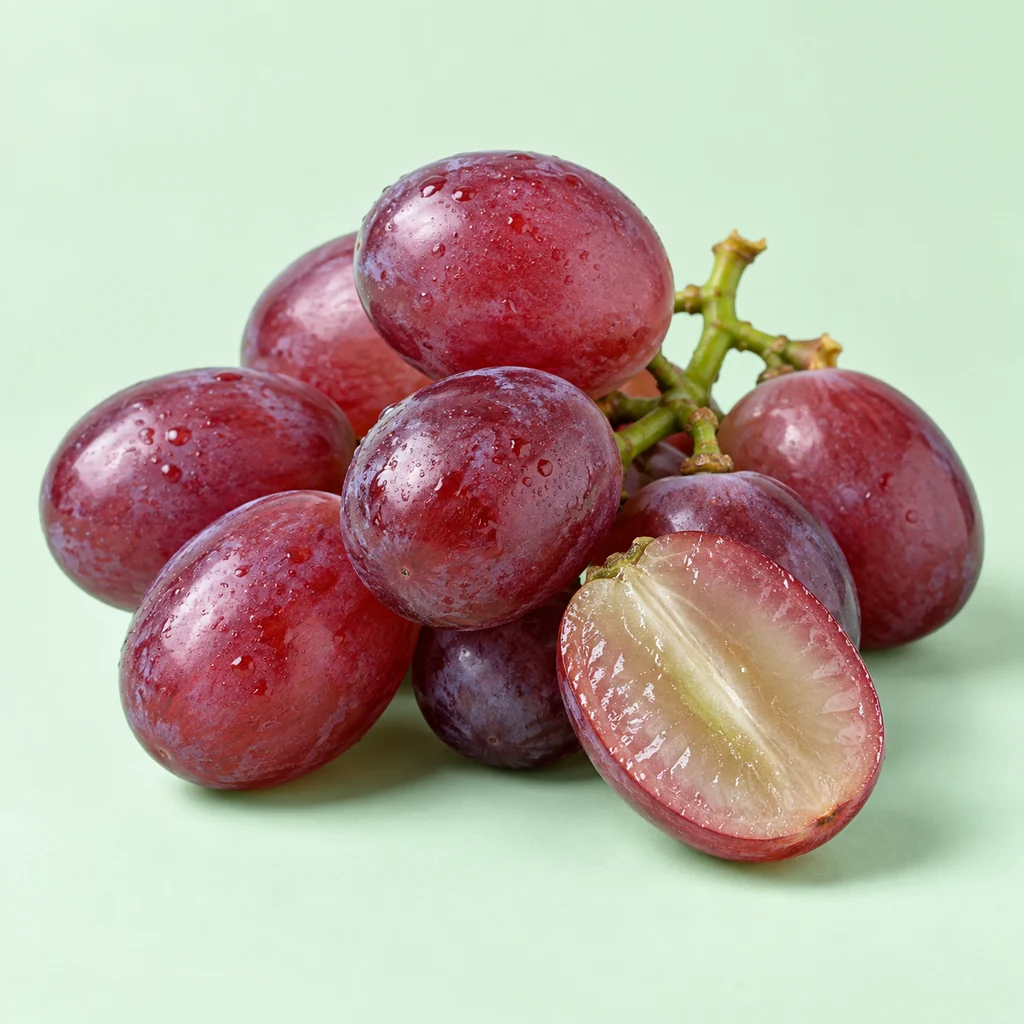
How to serve: Quarter grapes lengthways (4 long pieces from one grape) and offer as soft finger food.
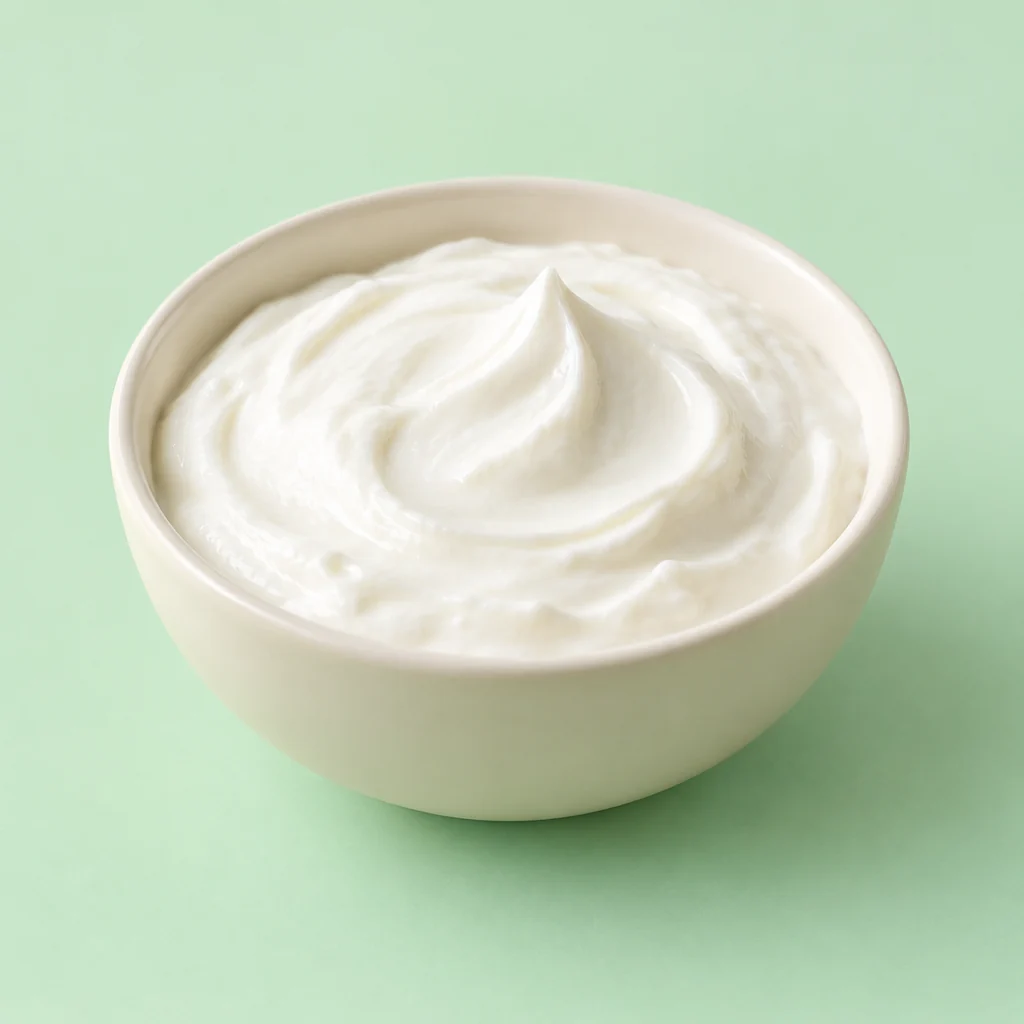
How to serve: Plain full-fat Greek yogurt by spoon or as a dip.

How to serve: Mashed or finely chopped soft pieces.
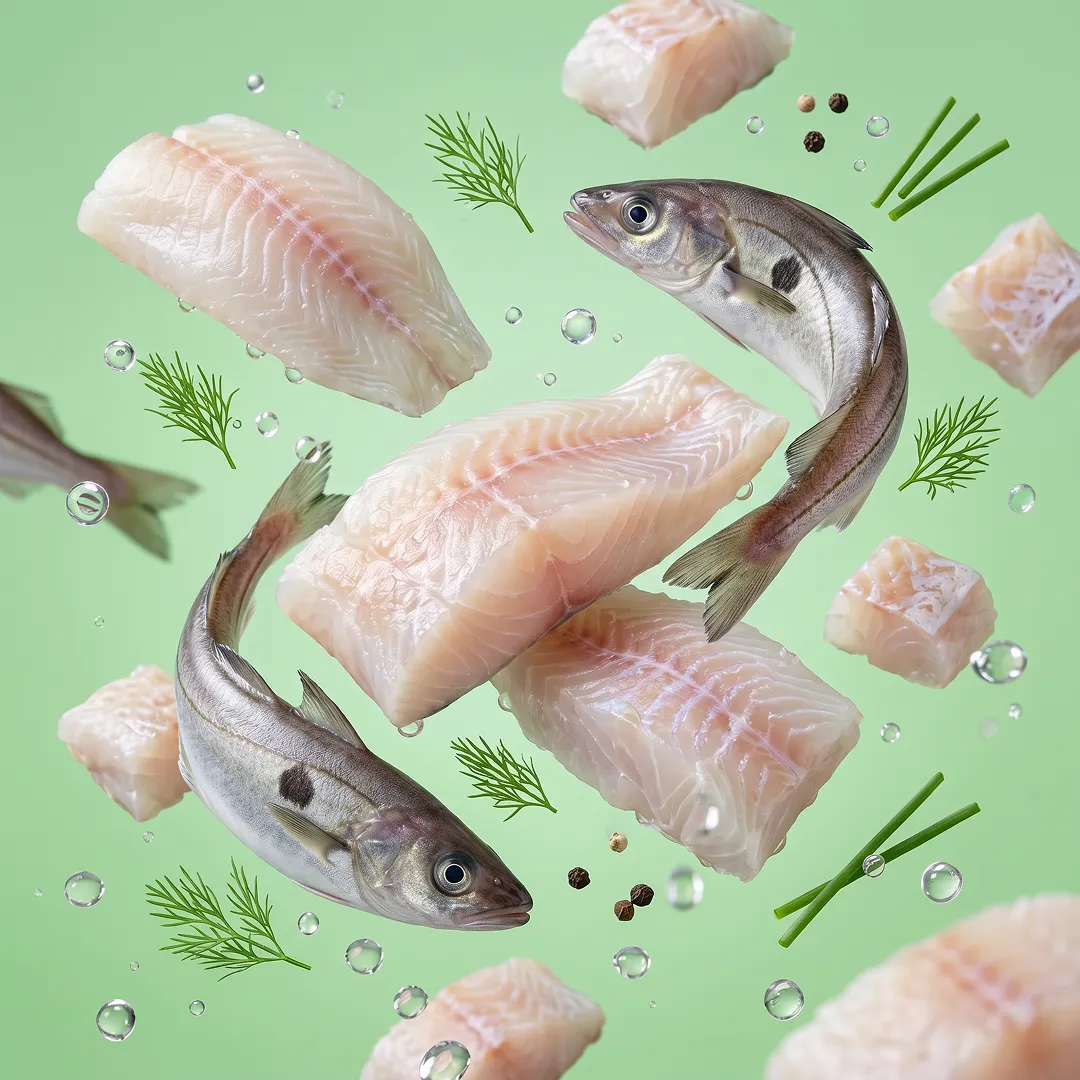
How to serve: Flake cooked, bone-checked haddock finely and mix into vegetable purées or mashed potato.
Always check thoroughly for bones before serving fish to babies. Even boneless fish fillets can contain small pin bones — run your fingers along the flesh and remove any you find.
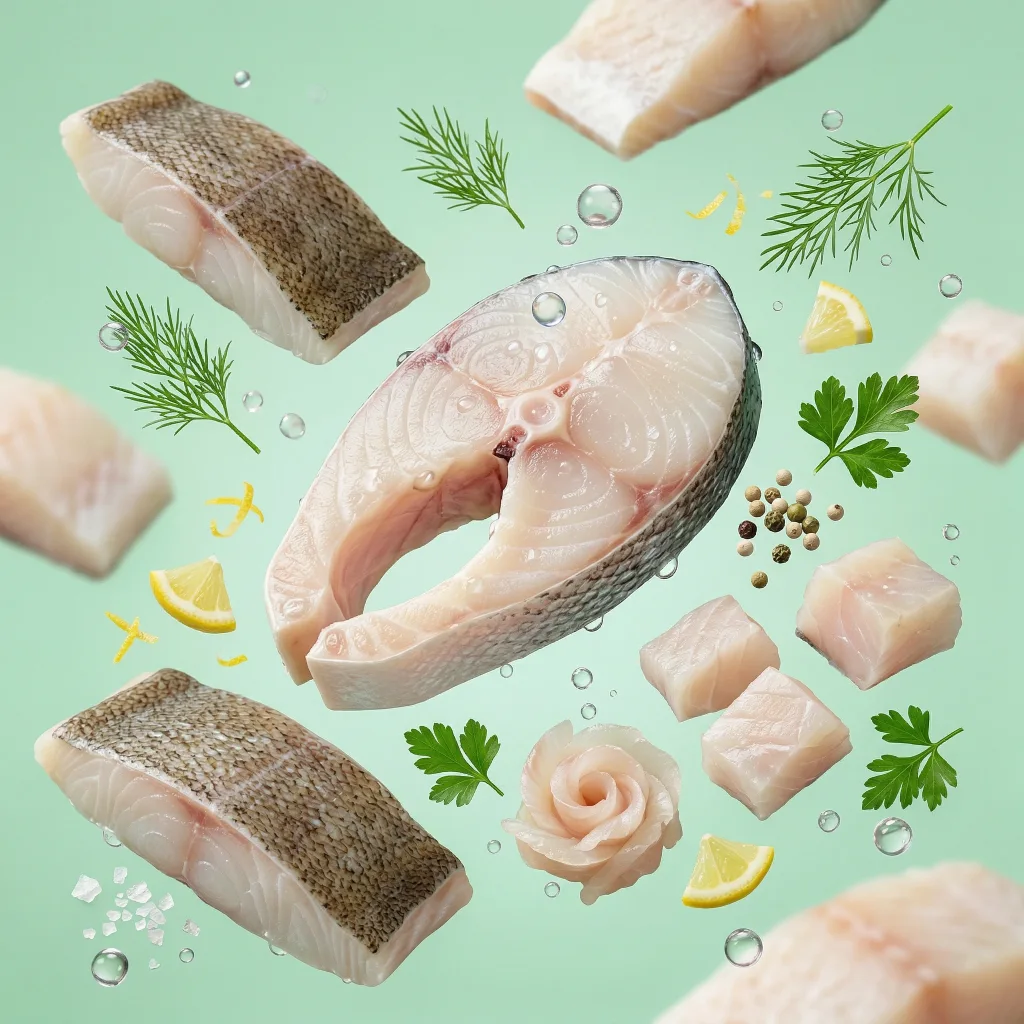
How to serve: Finely flaked steamed halibut mixed into soft foods.
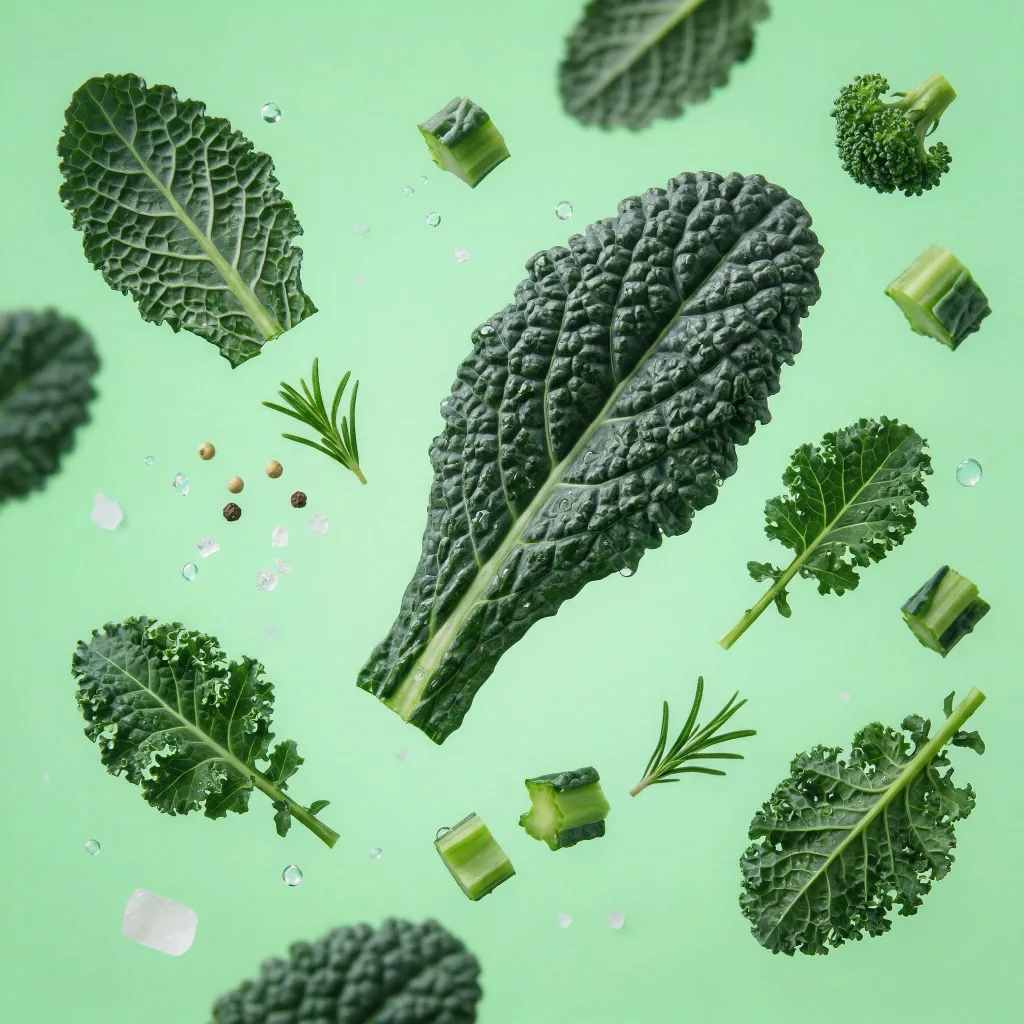
How to serve: Finely chopped and mixed into purées or soft foods.

How to serve: Mix into purées or serve as a drinkable component.
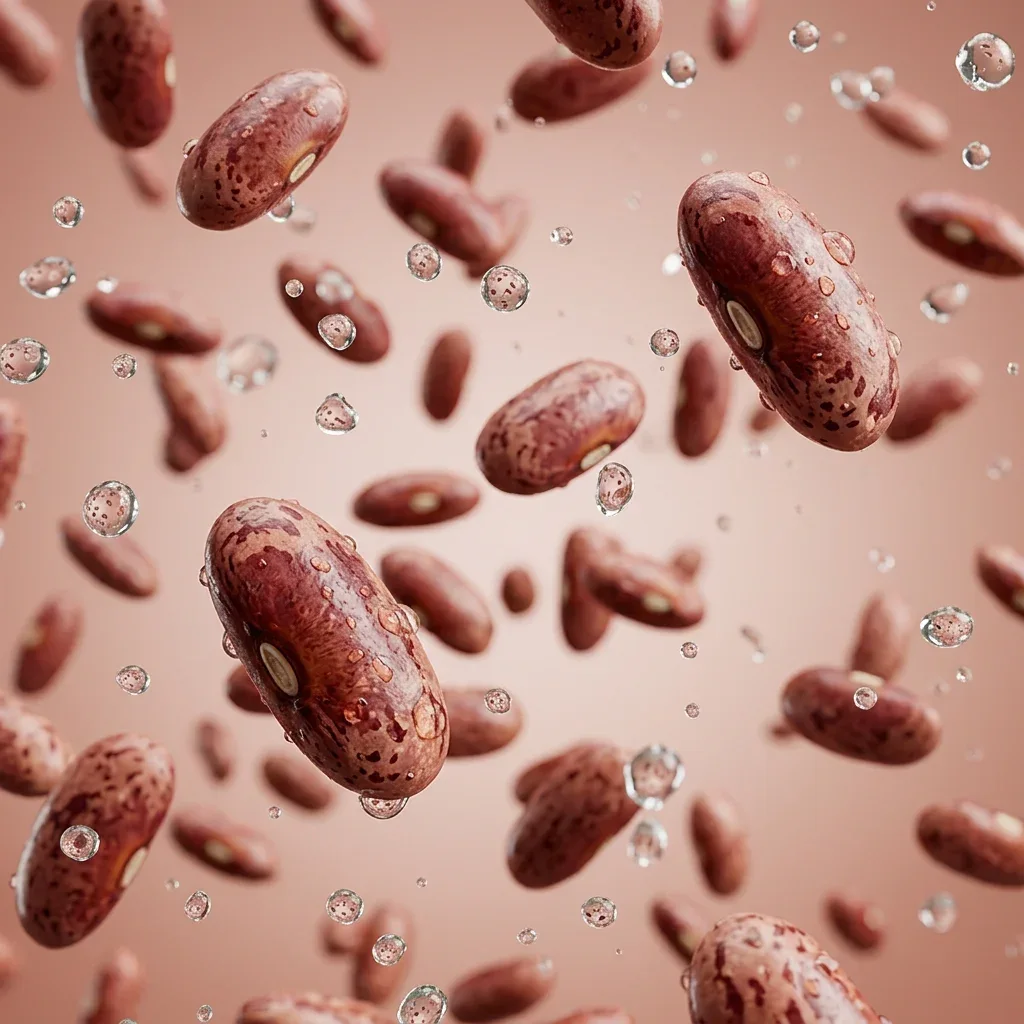
How to serve: Smooth purée — blend thoroughly, kidney beans are starchy and blend well.
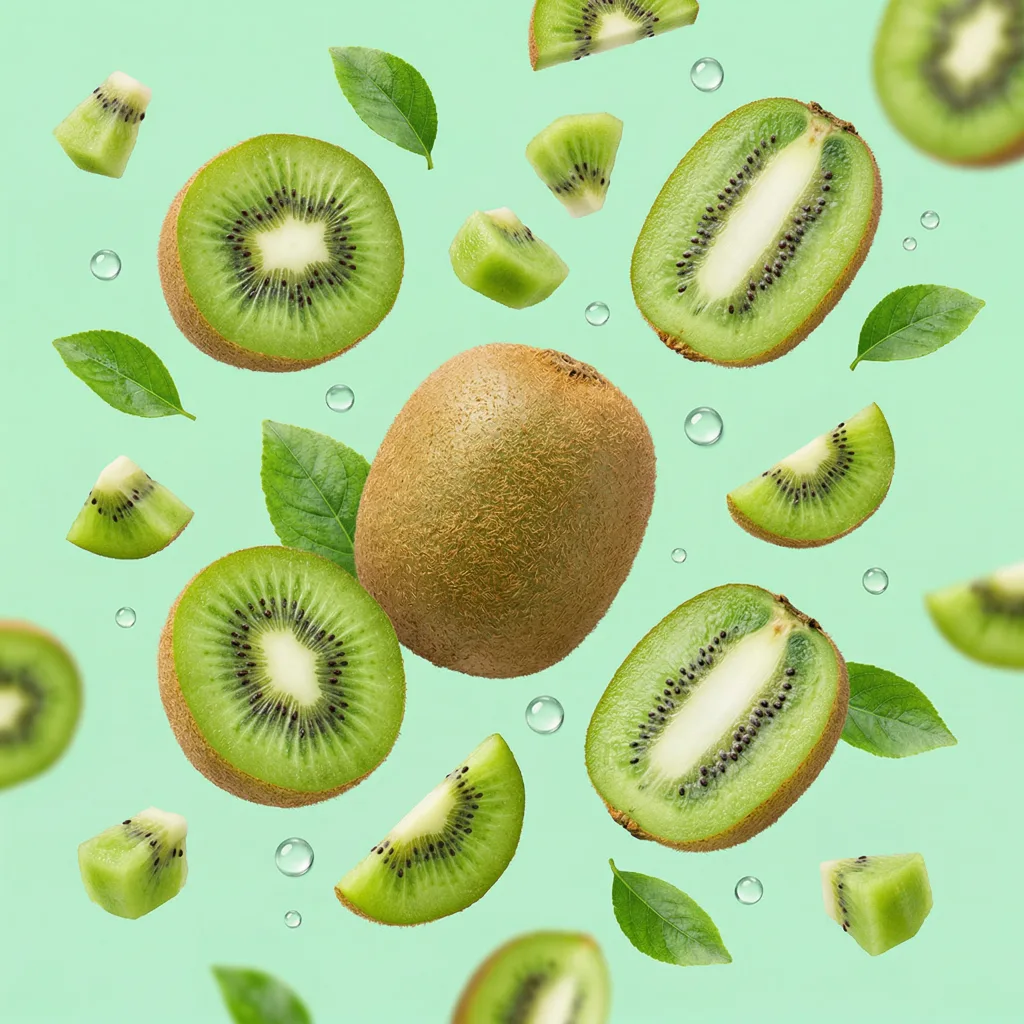
How to serve: Soft diced pieces with skin removed.
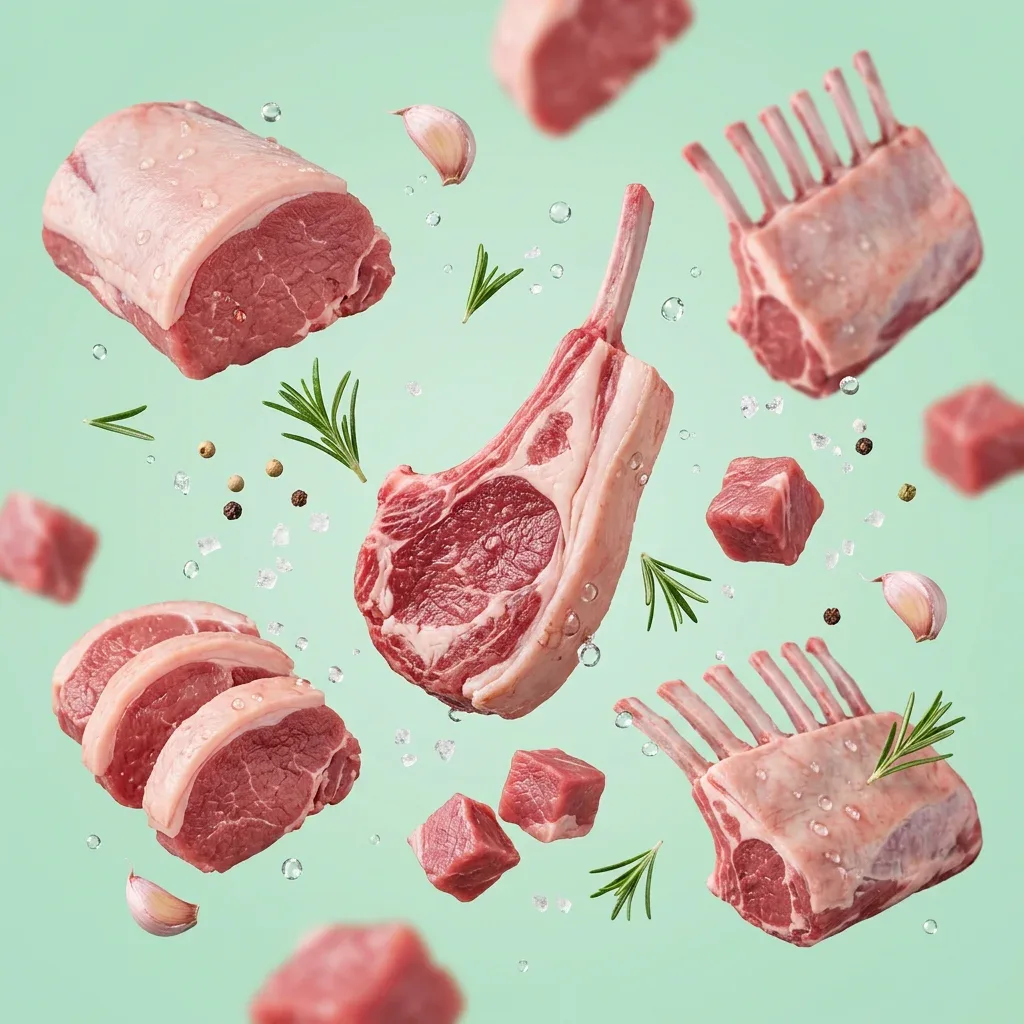
How to serve: Finely minced, mixed into vegetable purées or soft grains.
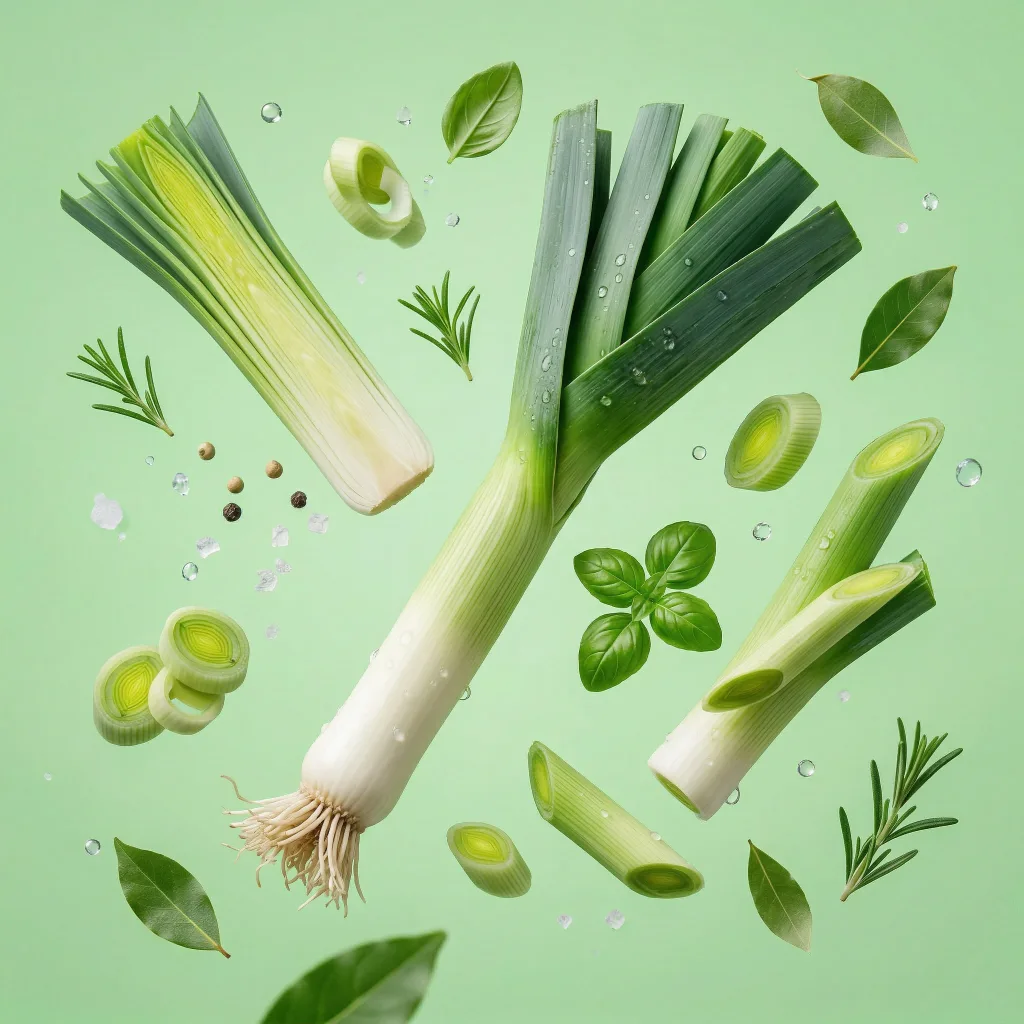
How to serve: Finely chopped and mixed into soft foods or mashed potato.

How to serve: Use lemon juice and zest freely in cooked dishes, dressings, and yogurt.
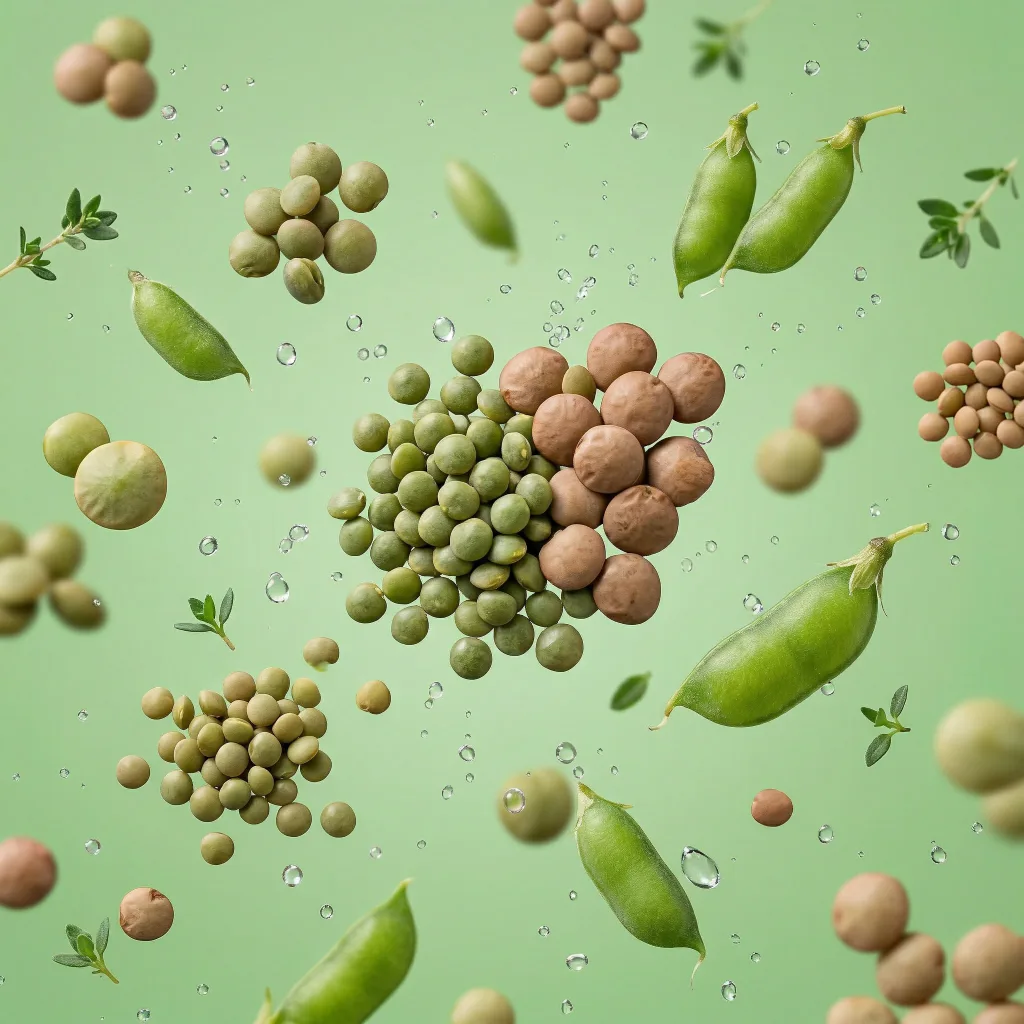
How to serve: Red lentil purée — naturally smooth without blending much.
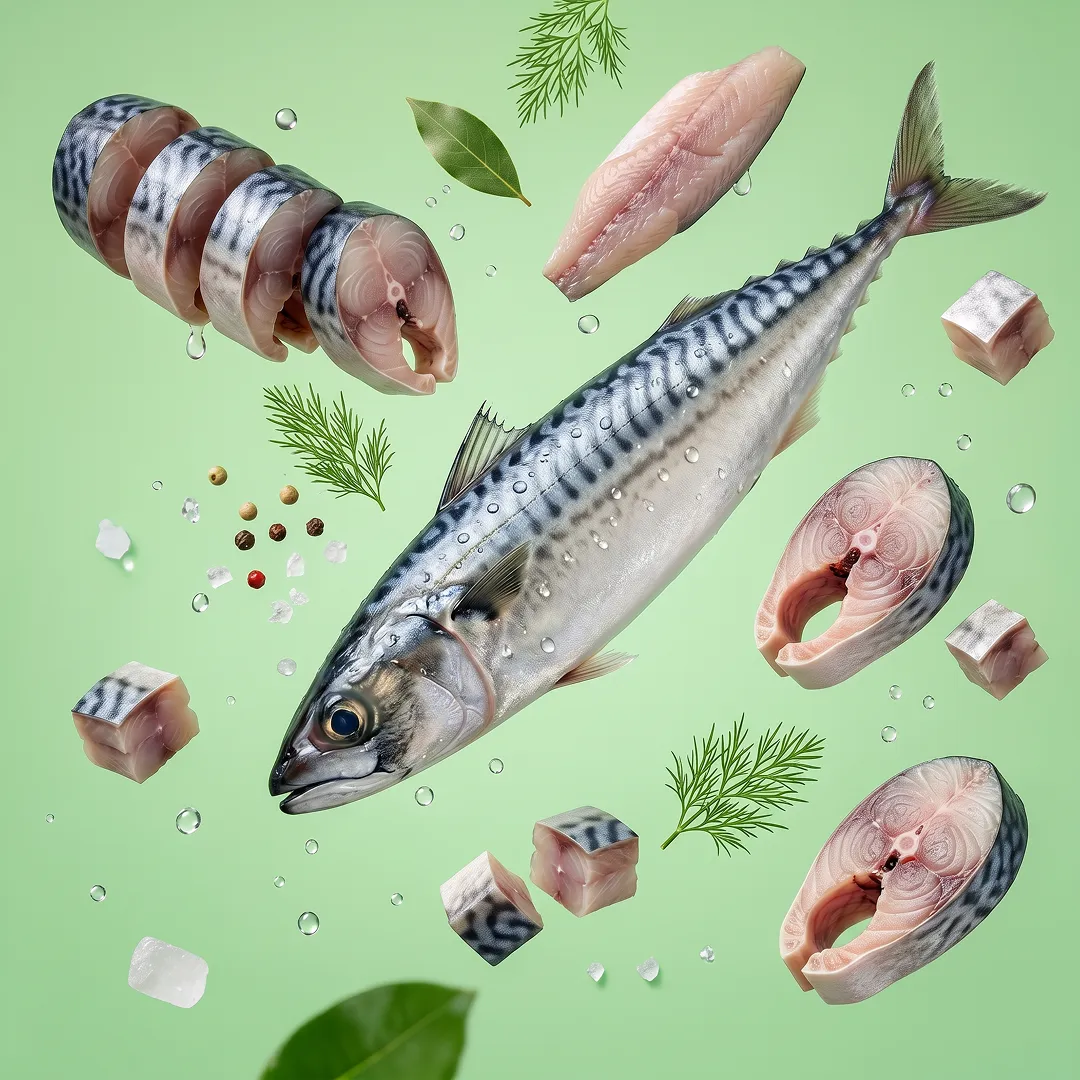
How to serve: Flake cooked, bone-free mackerel and mix into vegetable purées or mashed potato.
Check mackerel thoroughly for small pin bones before serving. Mackerel is an oily fish with a distinctive strong flavour — serve in small amounts initially.
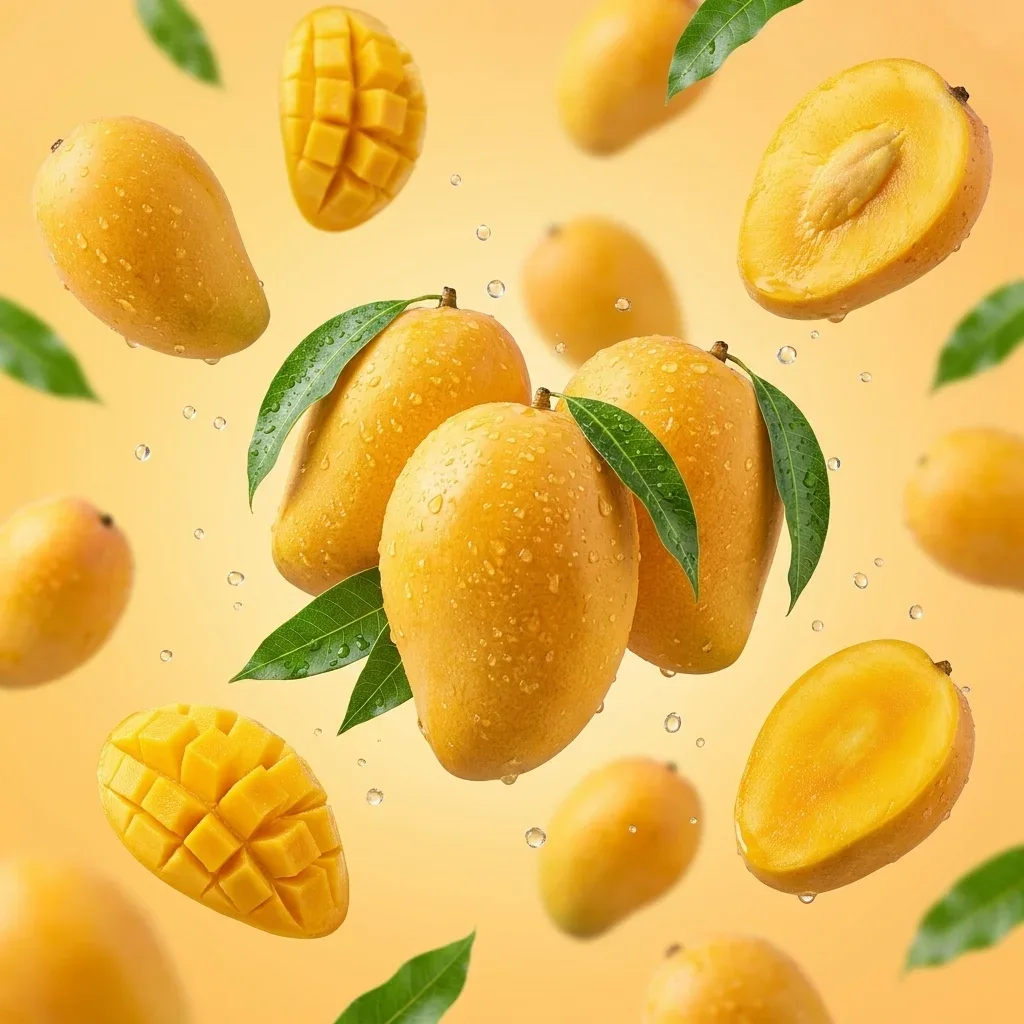
How to serve: Soft cubes or thick mash — finger-food size.
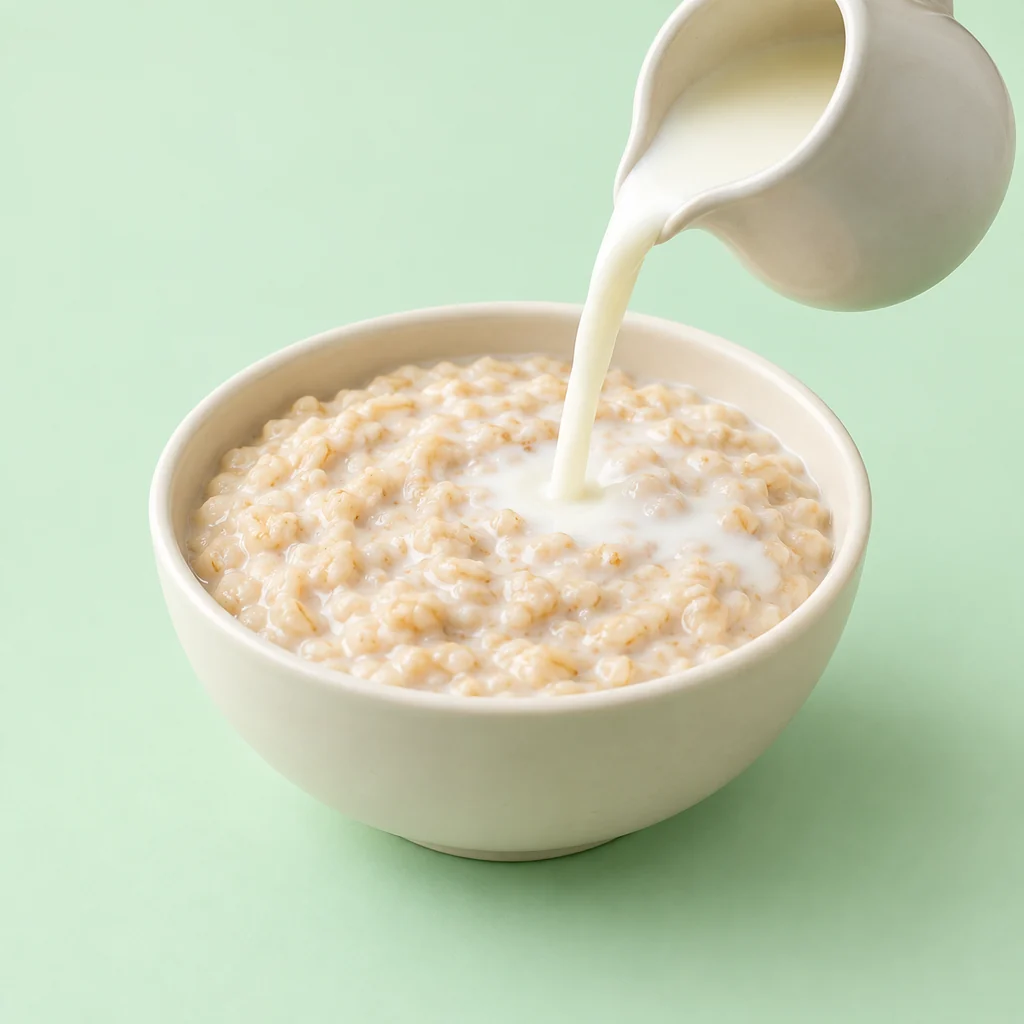
How to serve: Use pasteurised whole cows' milk in cooked food such as porridge or sauce, not as a main drink.
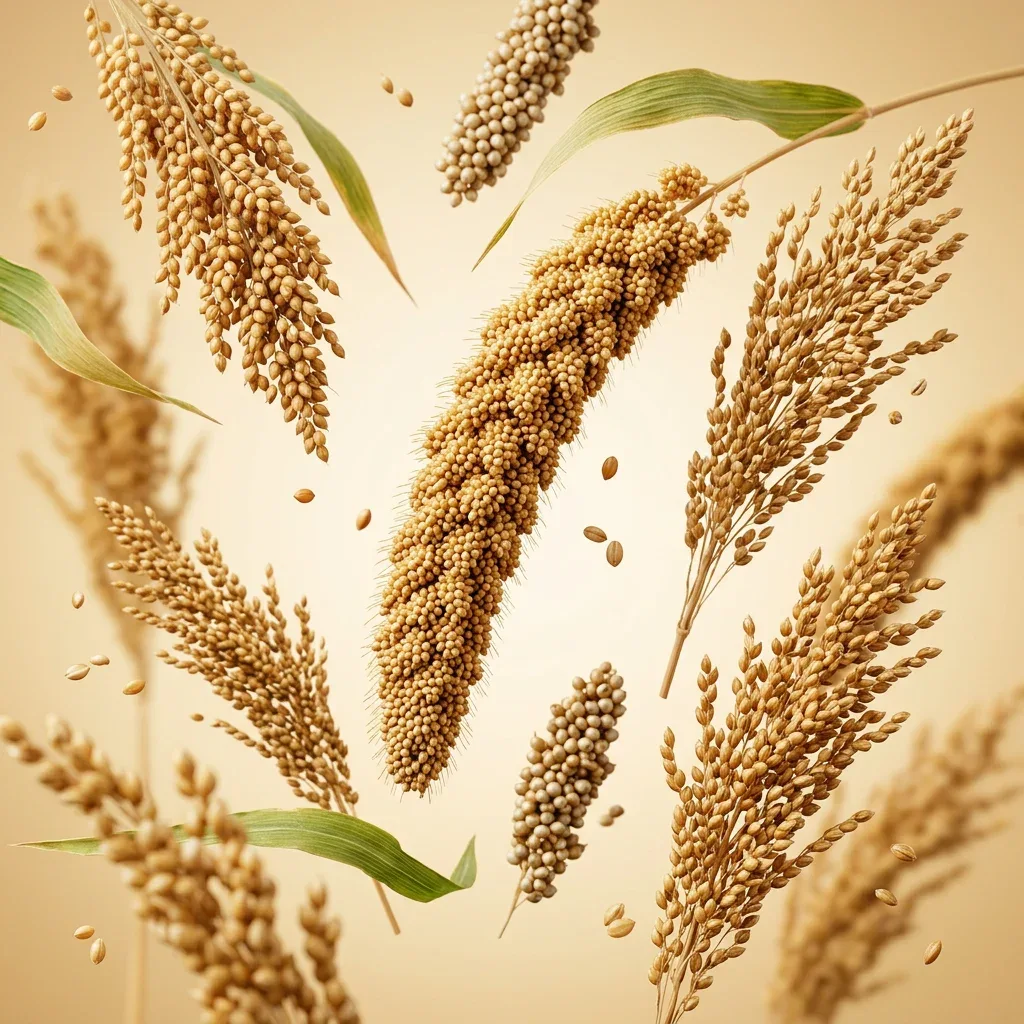
How to serve: Soft millet porridge — slightly thicker consistency.
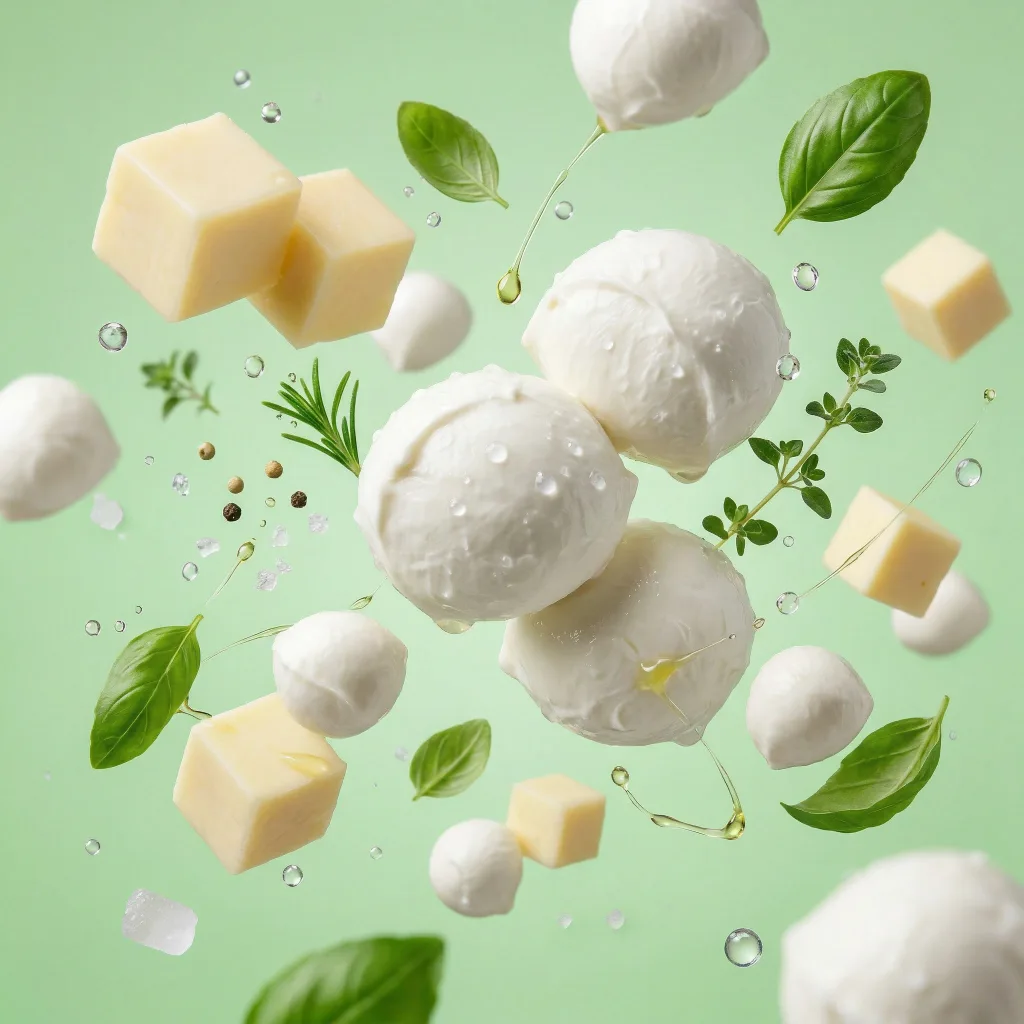
How to serve: Choose pasteurised full-fat cheese. Very small diced pieces mixed into soft foods.
String cheese and large mozzarella pieces can be a choking hazard. Cut into very small pieces.
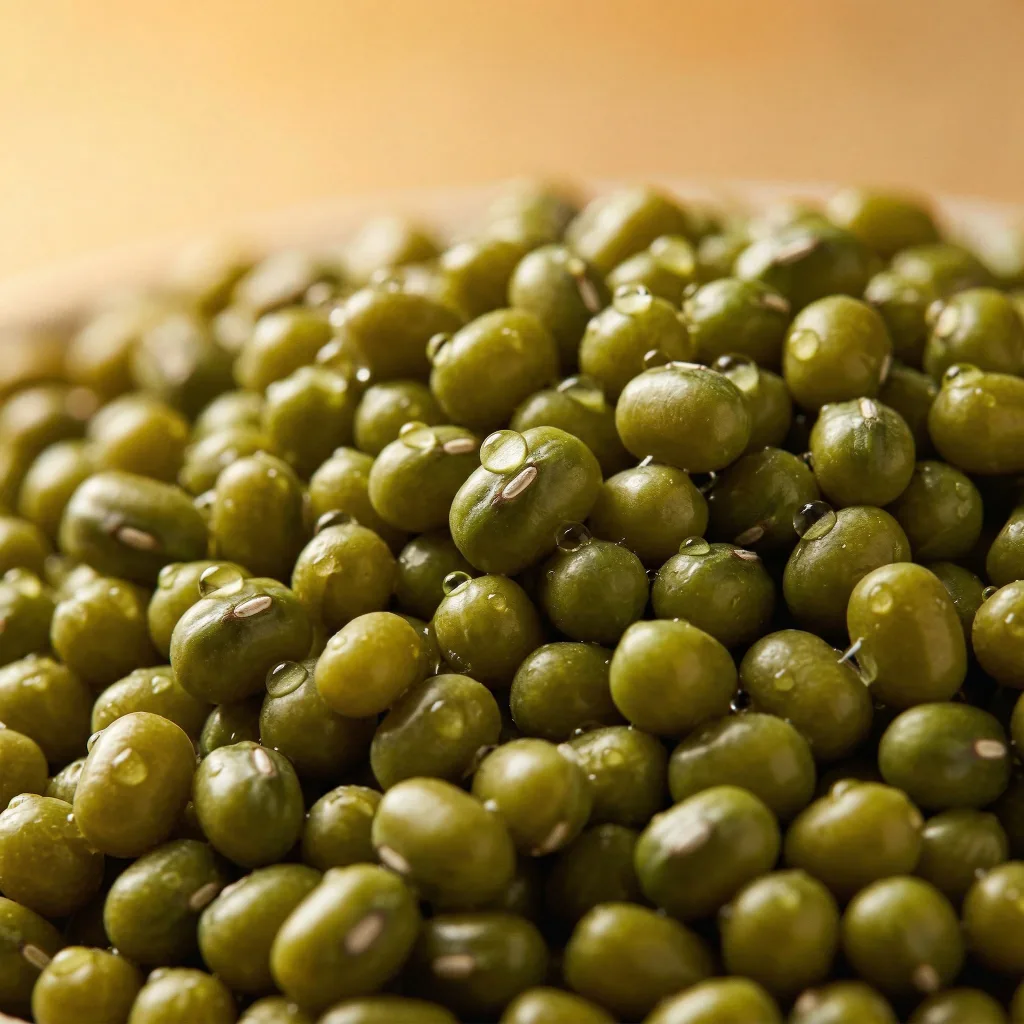
How to serve: Smooth mung bean purée or blended into soft foods.
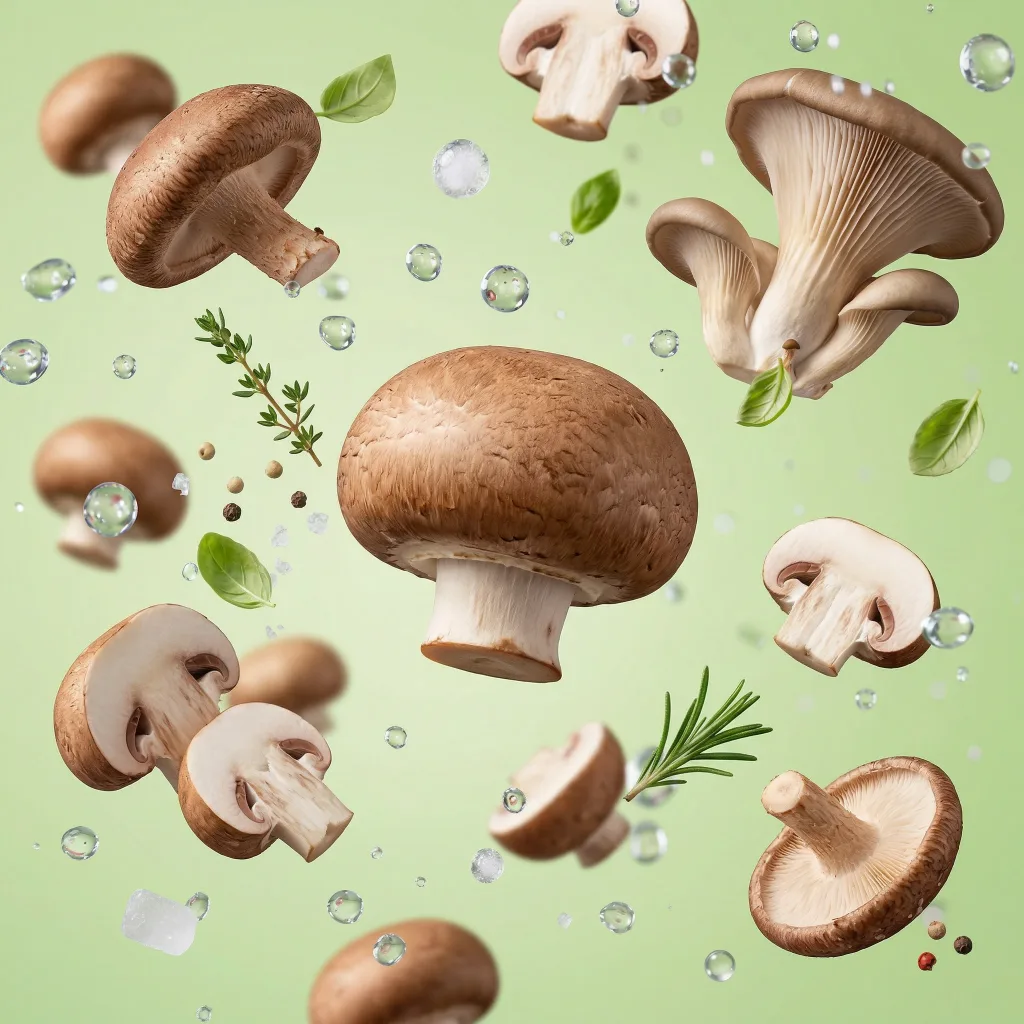
How to serve: Finely chopped well-cooked mushroom mixed into soft foods.
How to serve: Mashed or blended into soft savoury foods.
How to serve: Small soft diced pieces — ripe nectarine needs no cooking.
How to serve: Soft porridge — slightly thicker consistency.
How to serve: Softly cooked diced onion mixed into mashed vegetables or soups.

How to serve: Peeled segment pieces cut into small chunks — remove all pips and membrane.
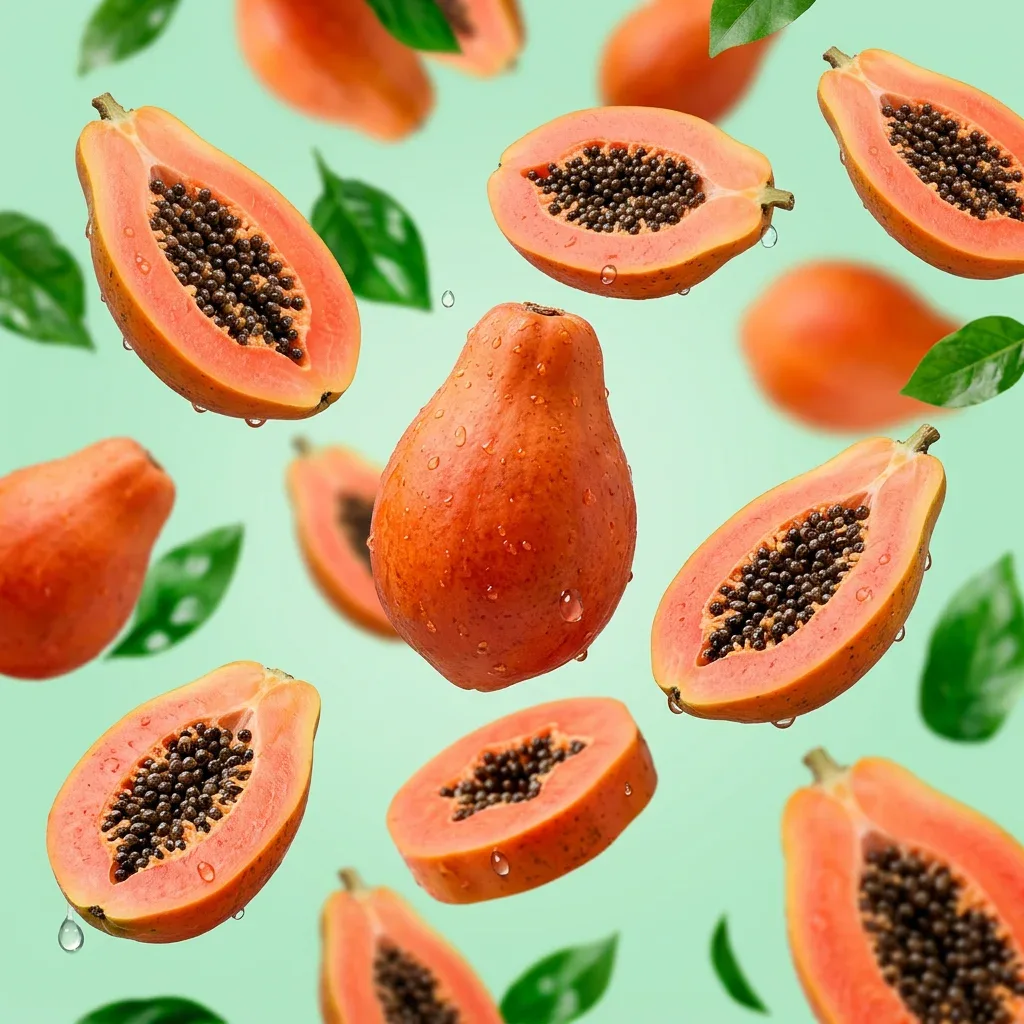
How to serve: Mashed flesh or soft small cubes.
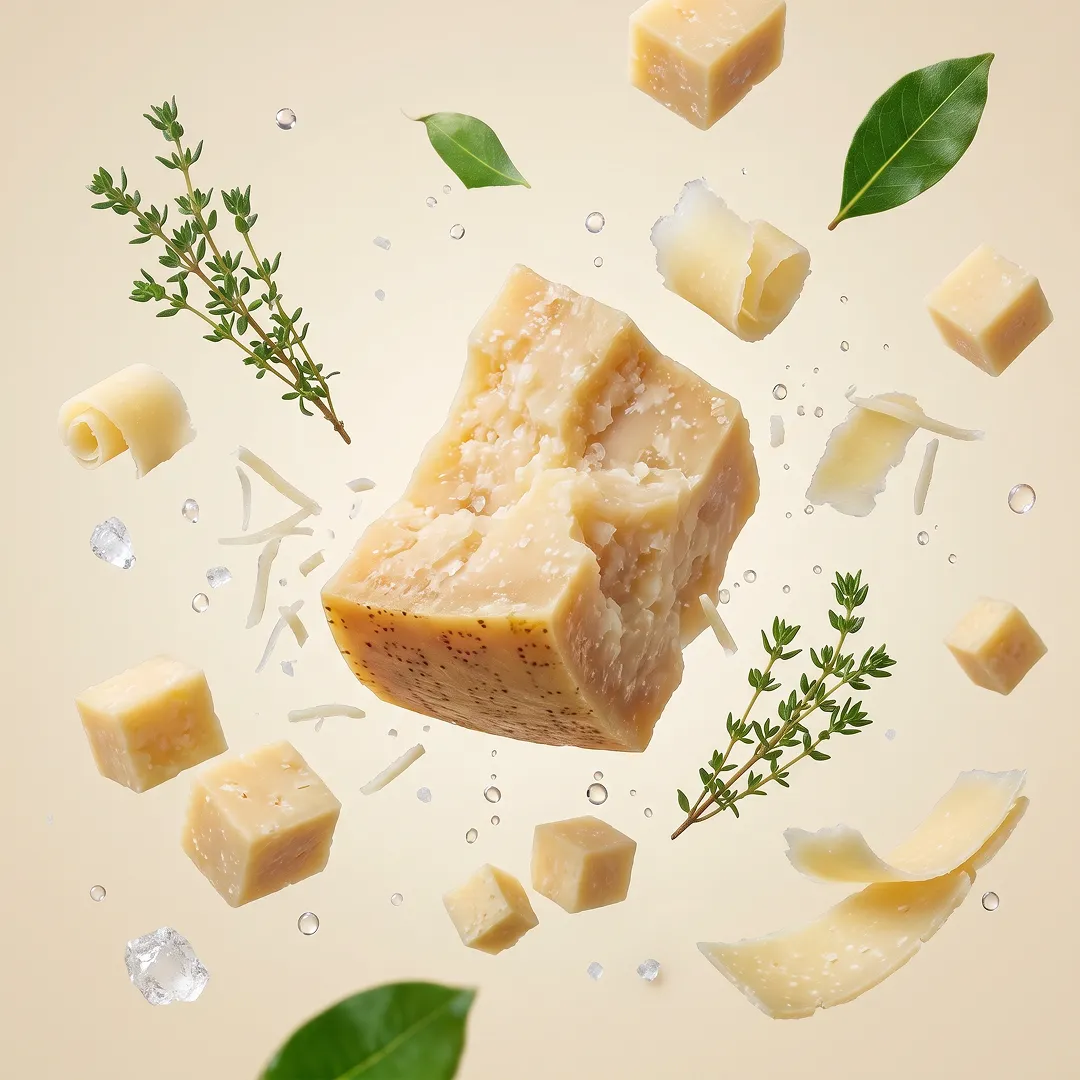
How to serve: Choose pasteurised full-fat cheese. Grate over pasta, vegetables, and soft dishes. The strong flavour means a little goes a long way.
Always finely grate parmesan over food. Never offer chunks of hard cheese to babies as they are a choking hazard. Finely grated parmesan melts into food safely.
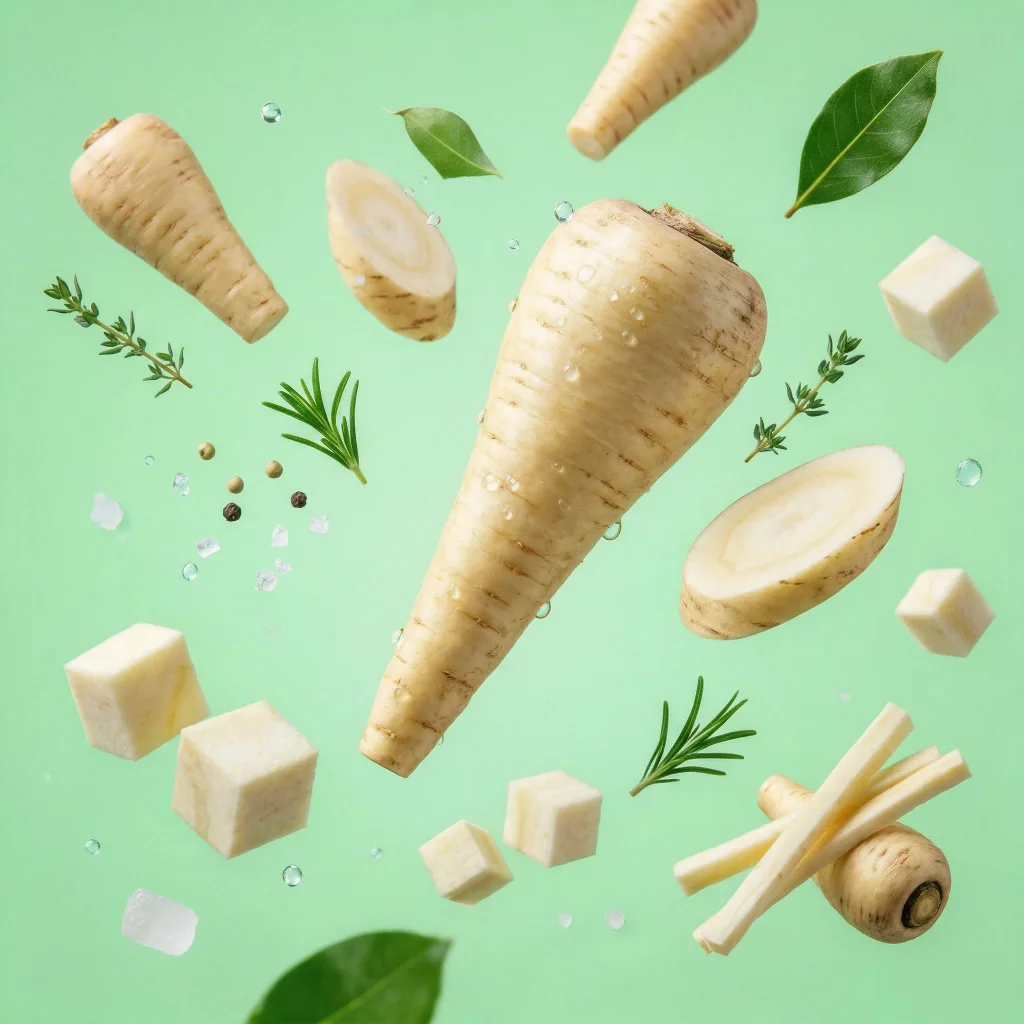
How to serve: Soft mashed or small steamed pieces.

How to serve: Soft mash or small peeled pieces.
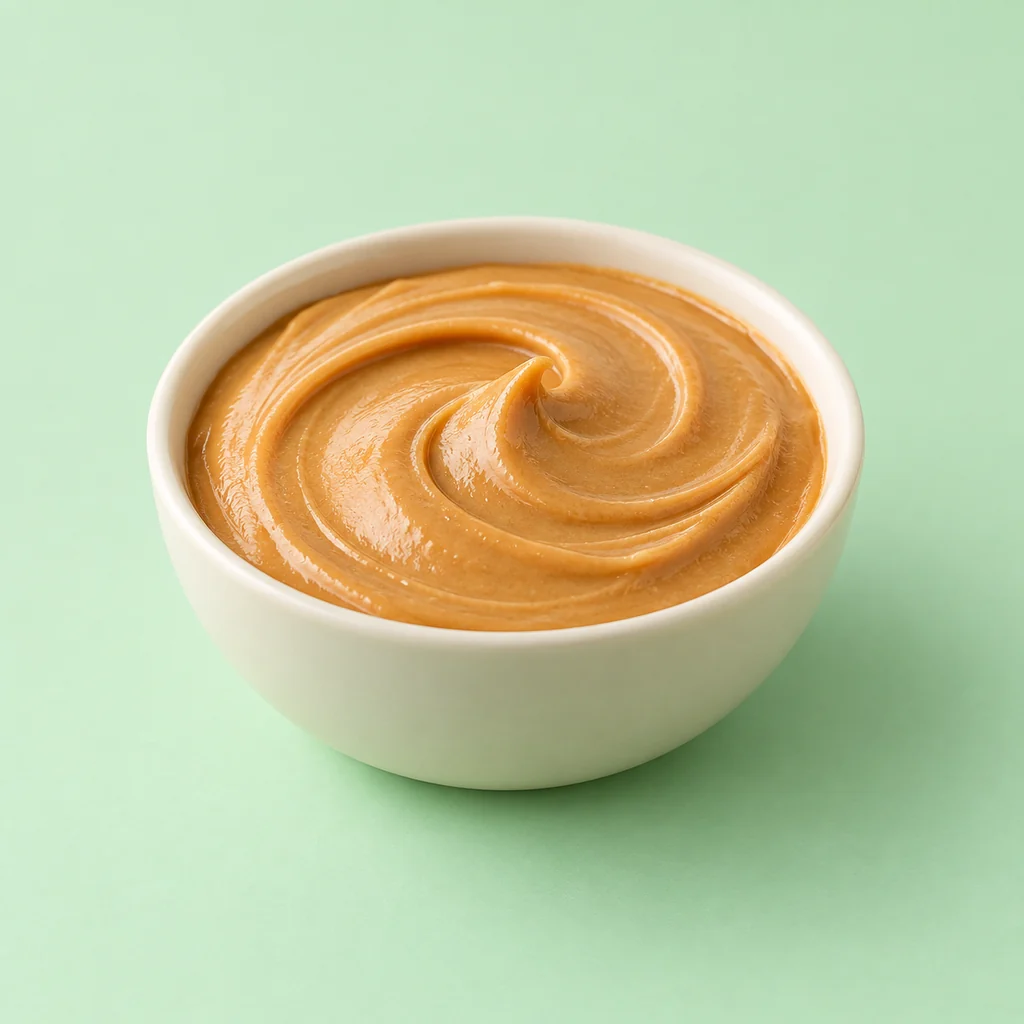
How to serve: Thin smear on soft bread or mixed into porridge.
Whole peanuts are a severe choking hazard. Only smooth peanut butter thinned with water or breast milk is safe.

How to serve: Soft mashed or small steamed pieces.

How to serve: Mashed peas mixed with other purées.

How to serve: Small soft pieces — cook briefly if baby has sensitive skin around mouth.
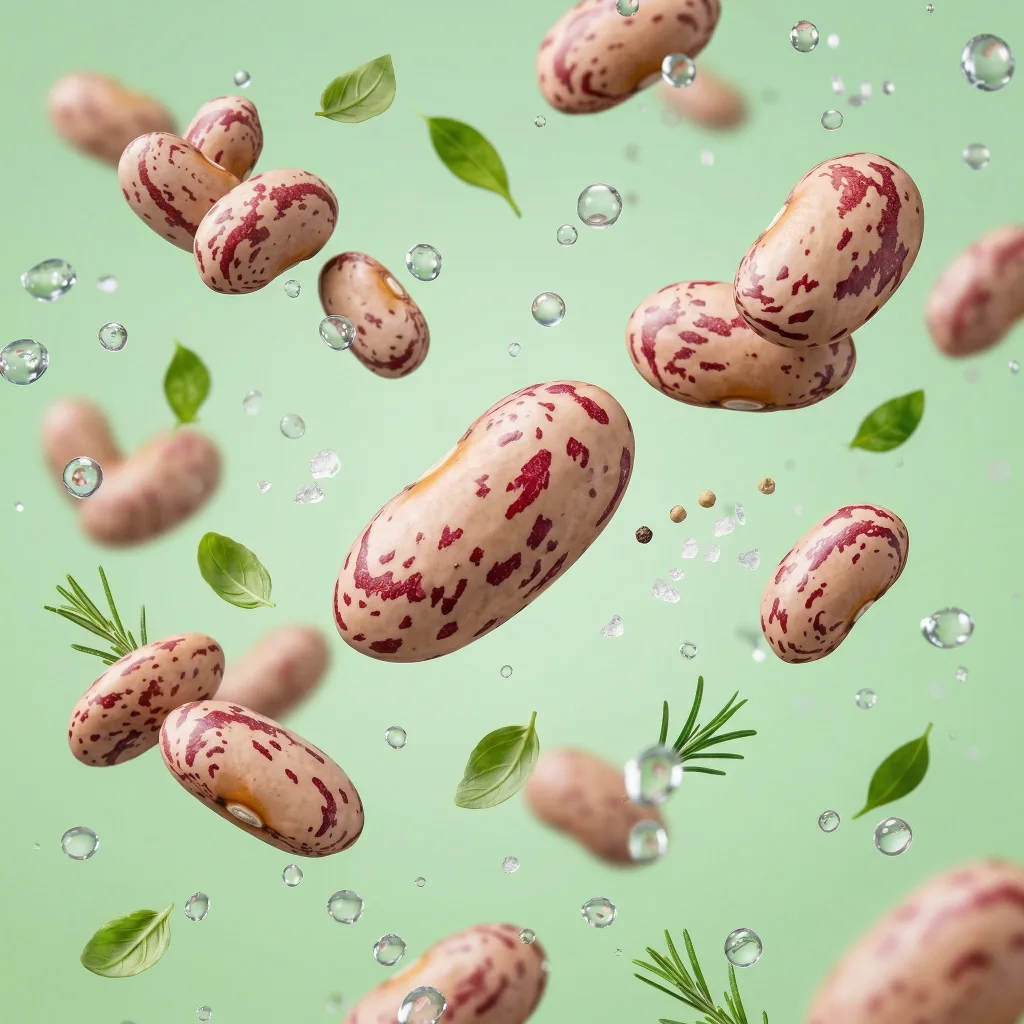
How to serve: Mashed or mixed into soft foods.
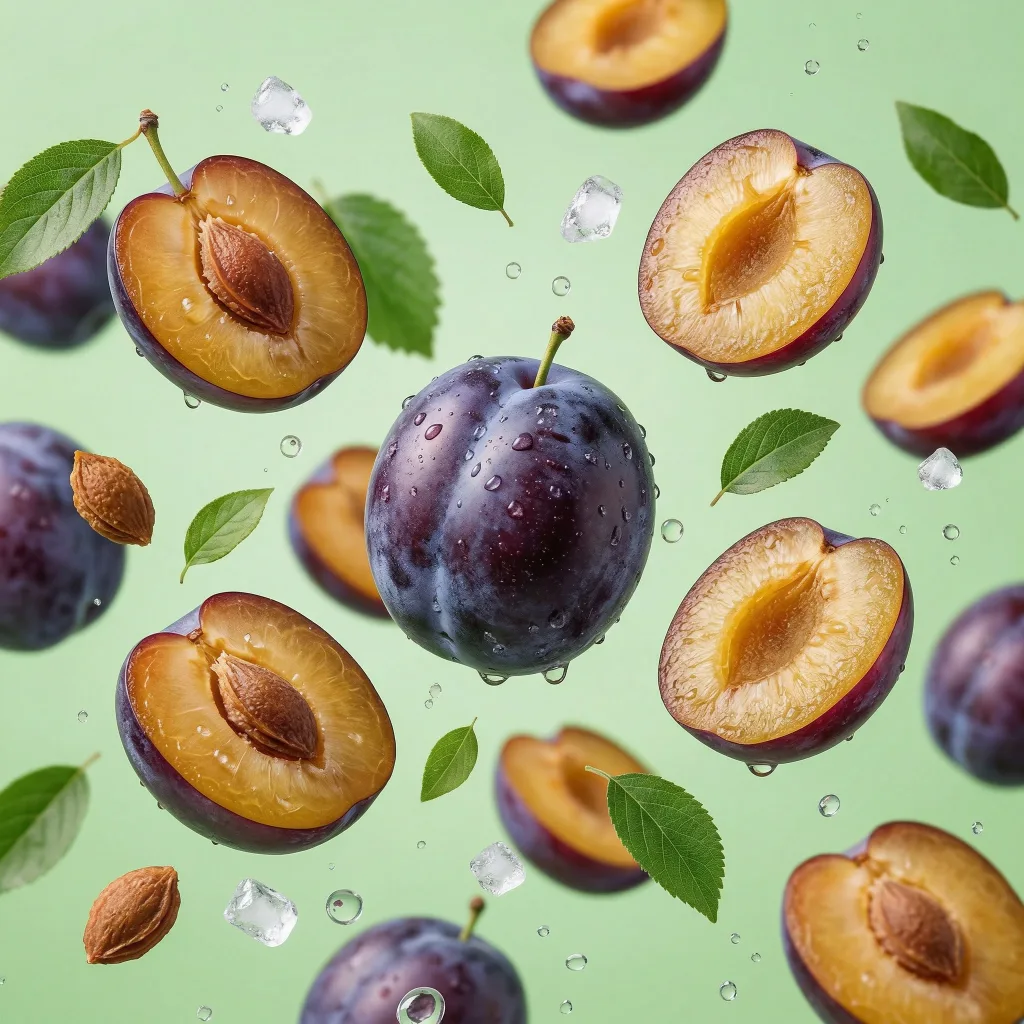
How to serve: Soft mashed pieces with skin removed.
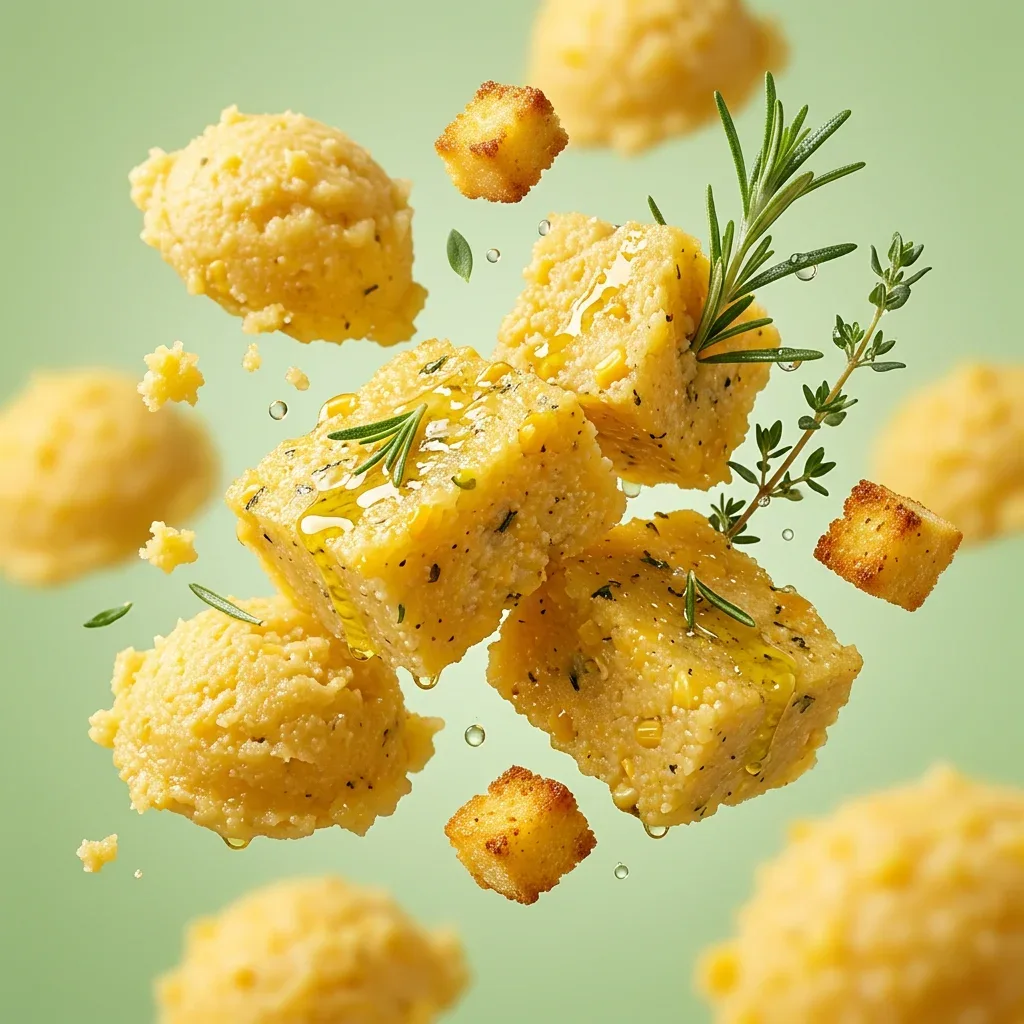
How to serve: Smooth soft polenta — add extra liquid for a thinner consistency.

How to serve: Crush the arils and press them through a fine sieve. Stir seed-free pulp into food.
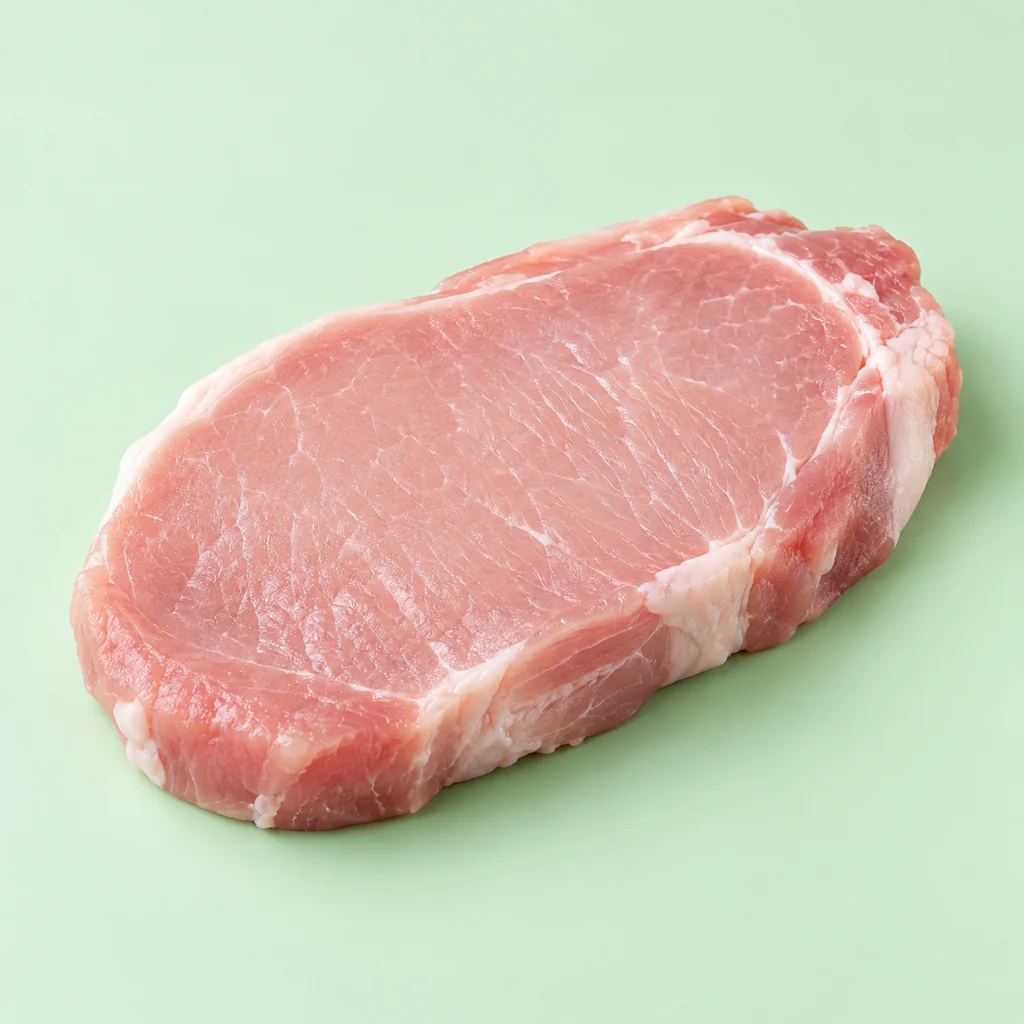
How to serve: Finely shredded tender pork mixed into soft foods.
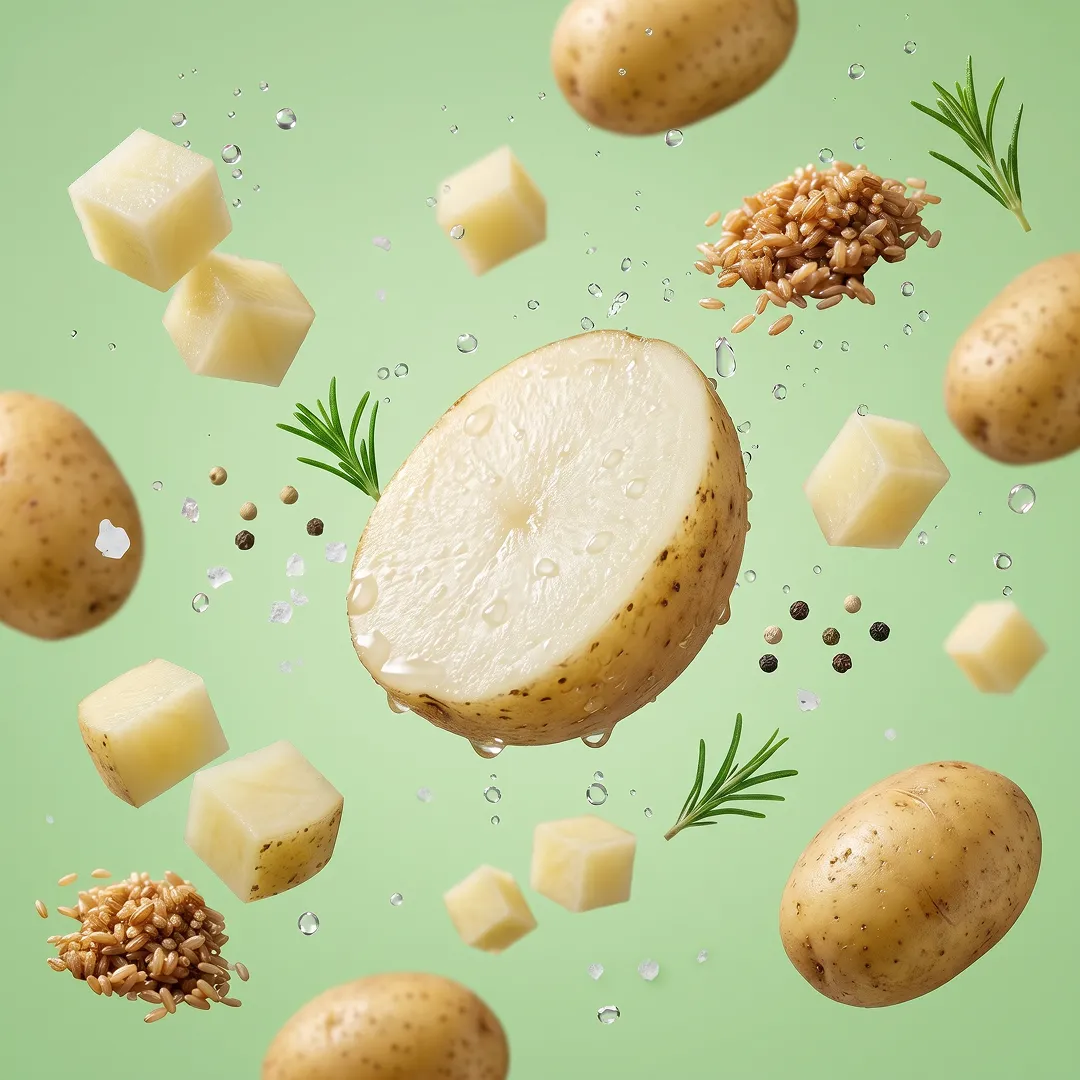
How to serve: Mash with lumps or cut into soft small pieces as early finger food.
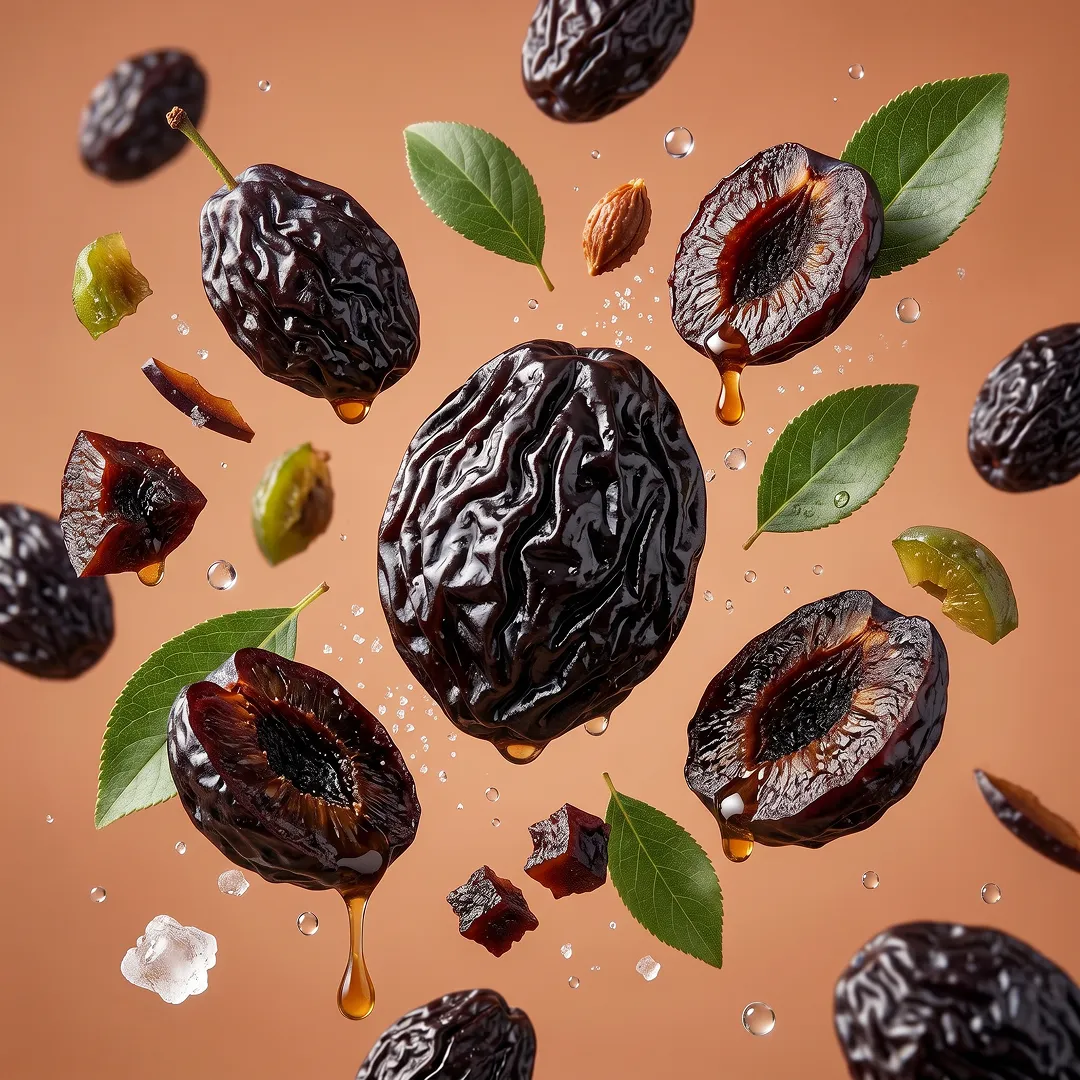
How to serve: Soaked, pitted prune purée mixed into porridge or yogurt.

How to serve: Smooth mash or small soft pieces.
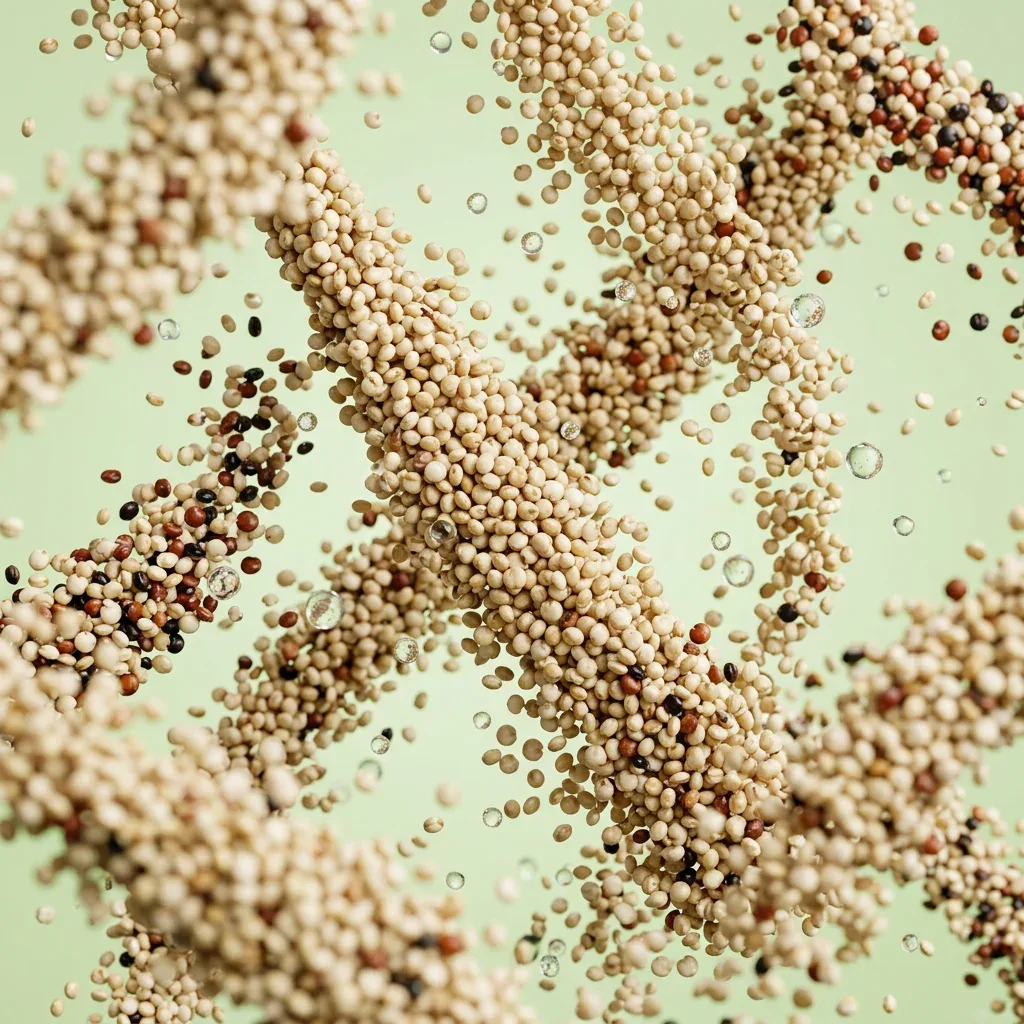
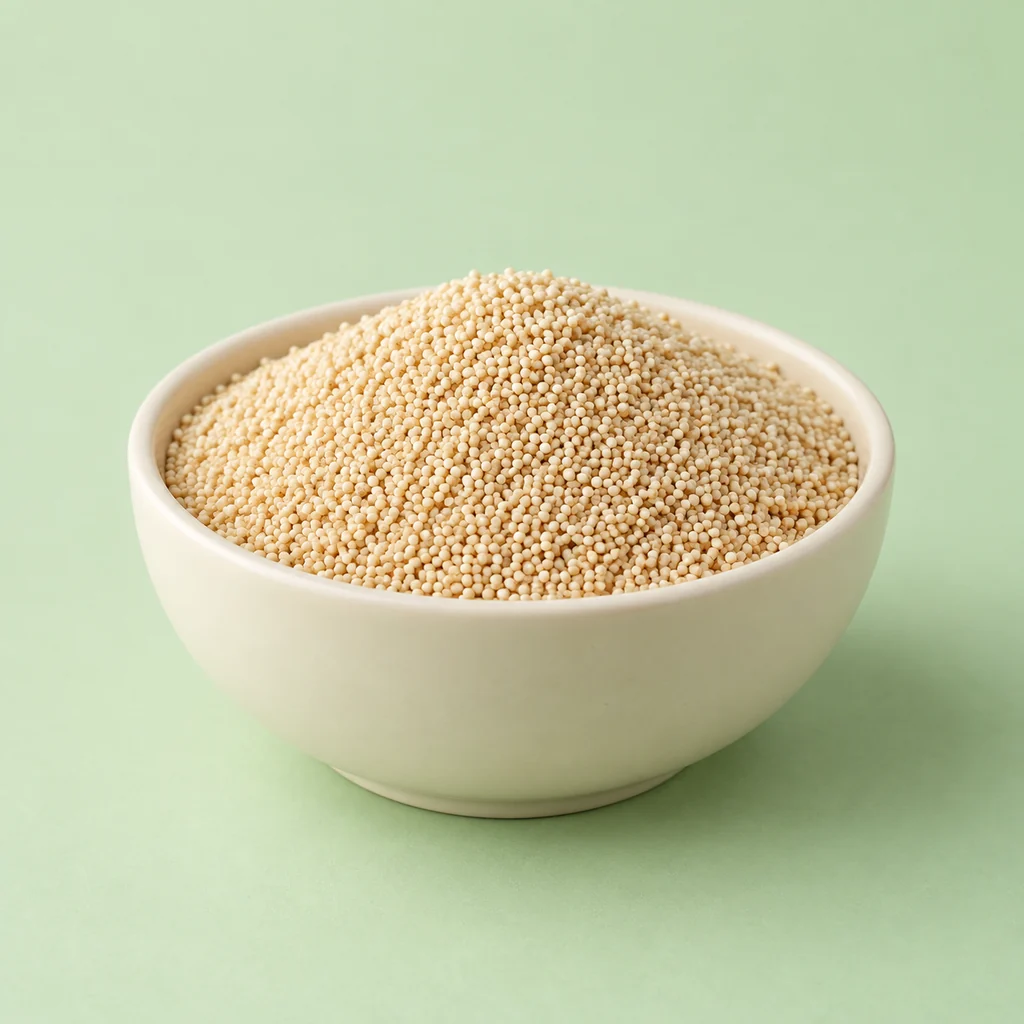
How to serve: Well-cooked quinoa mixed into purées or porridge.

How to serve: Mashed or stirred into porridge or yogurt.
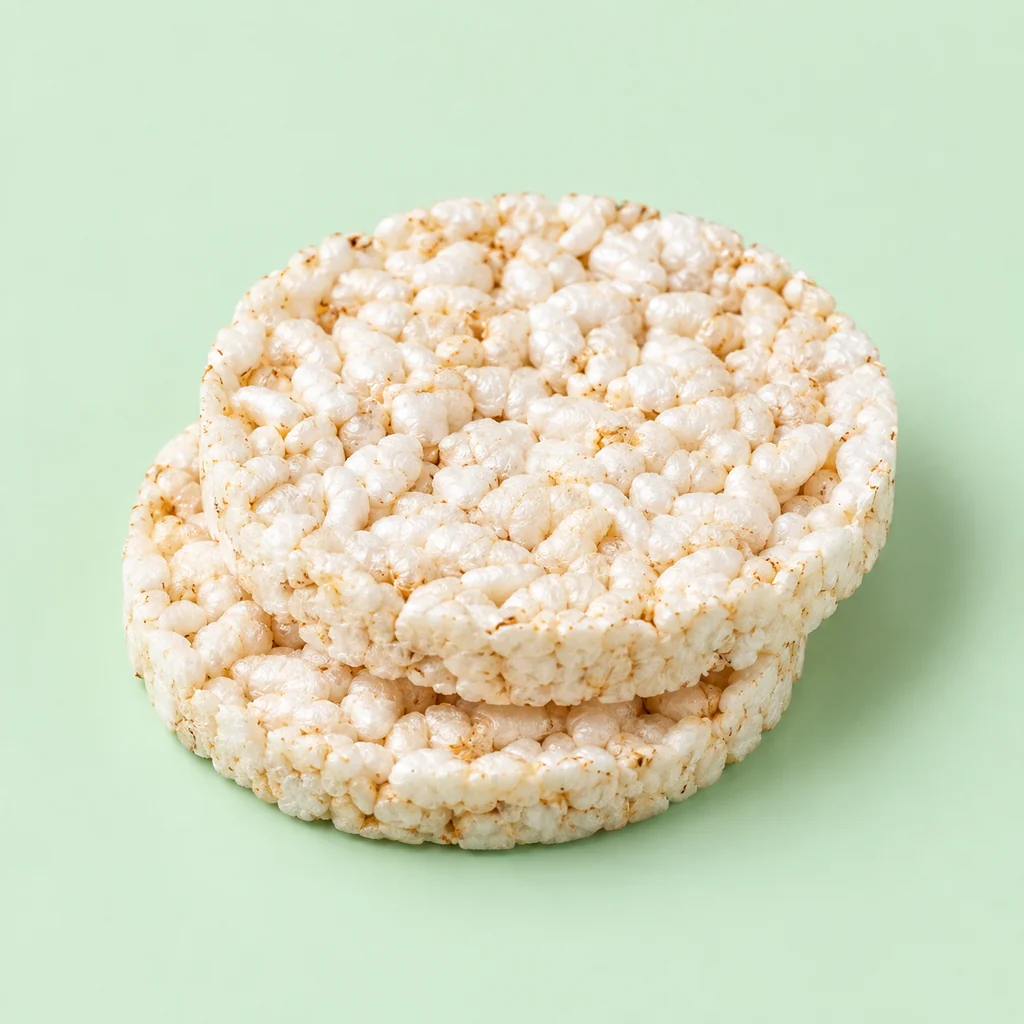
How to serve: Small broken pieces — the dissolving texture helps babies manage.
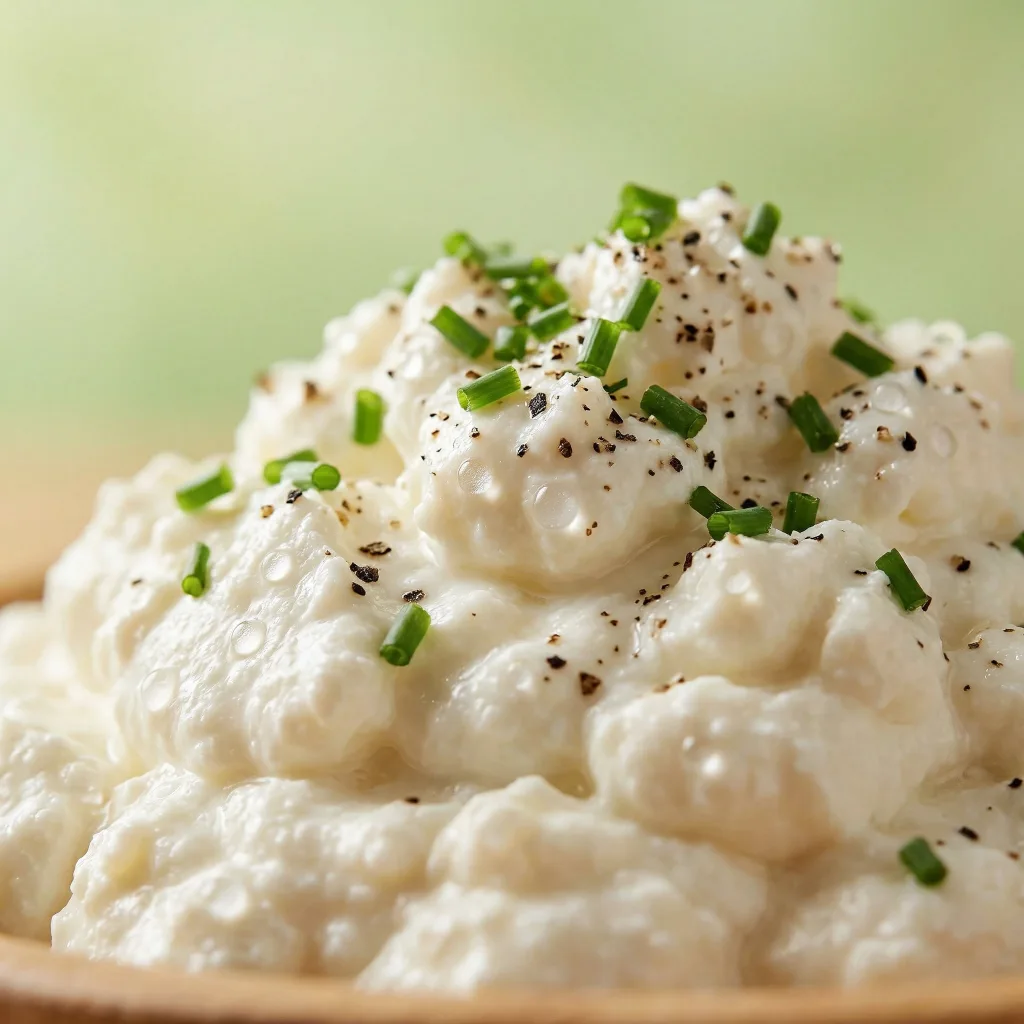
How to serve: Choose pasteurised full-fat cheese. Spoonfuls of ricotta or mixed into vegetable purées.
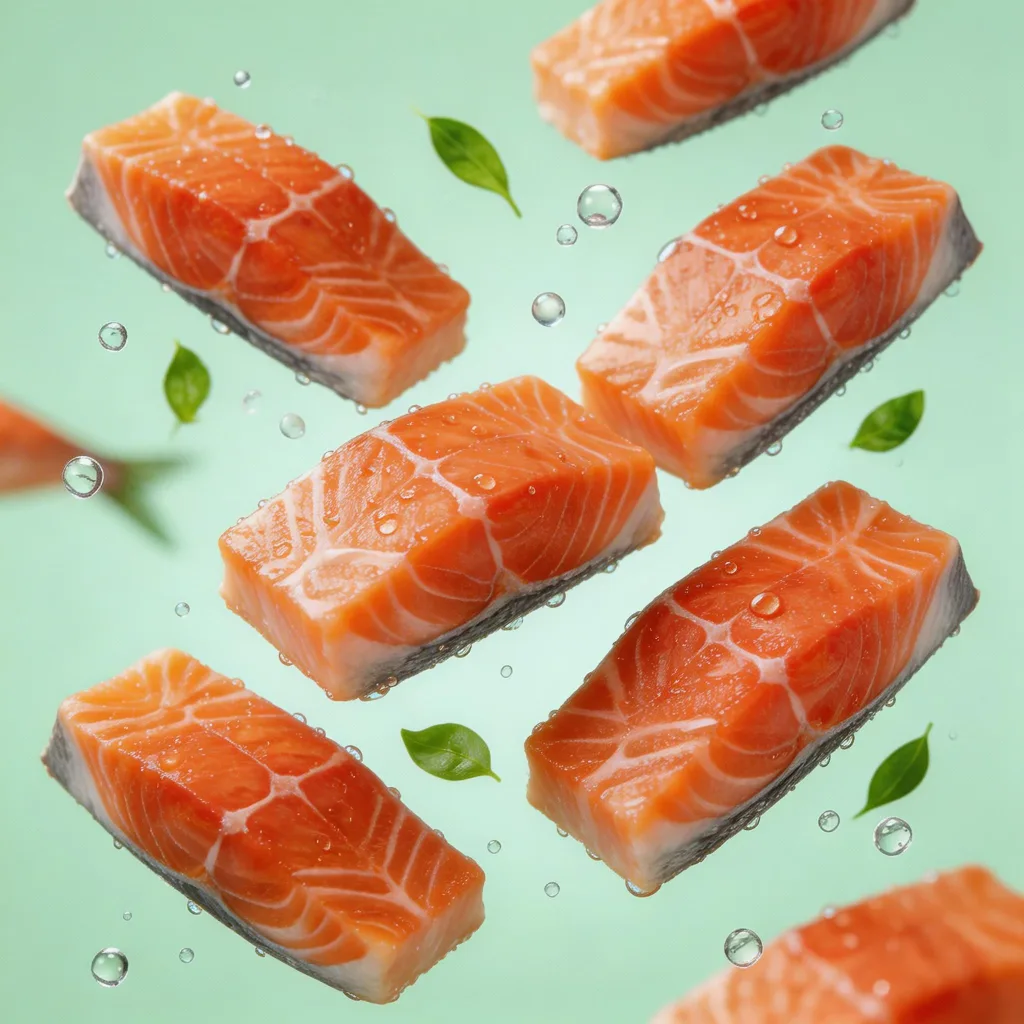
How to serve: Flaked, mixed into vegetable purées.

How to serve: Mashed sardine mixed into vegetable or grain purées.
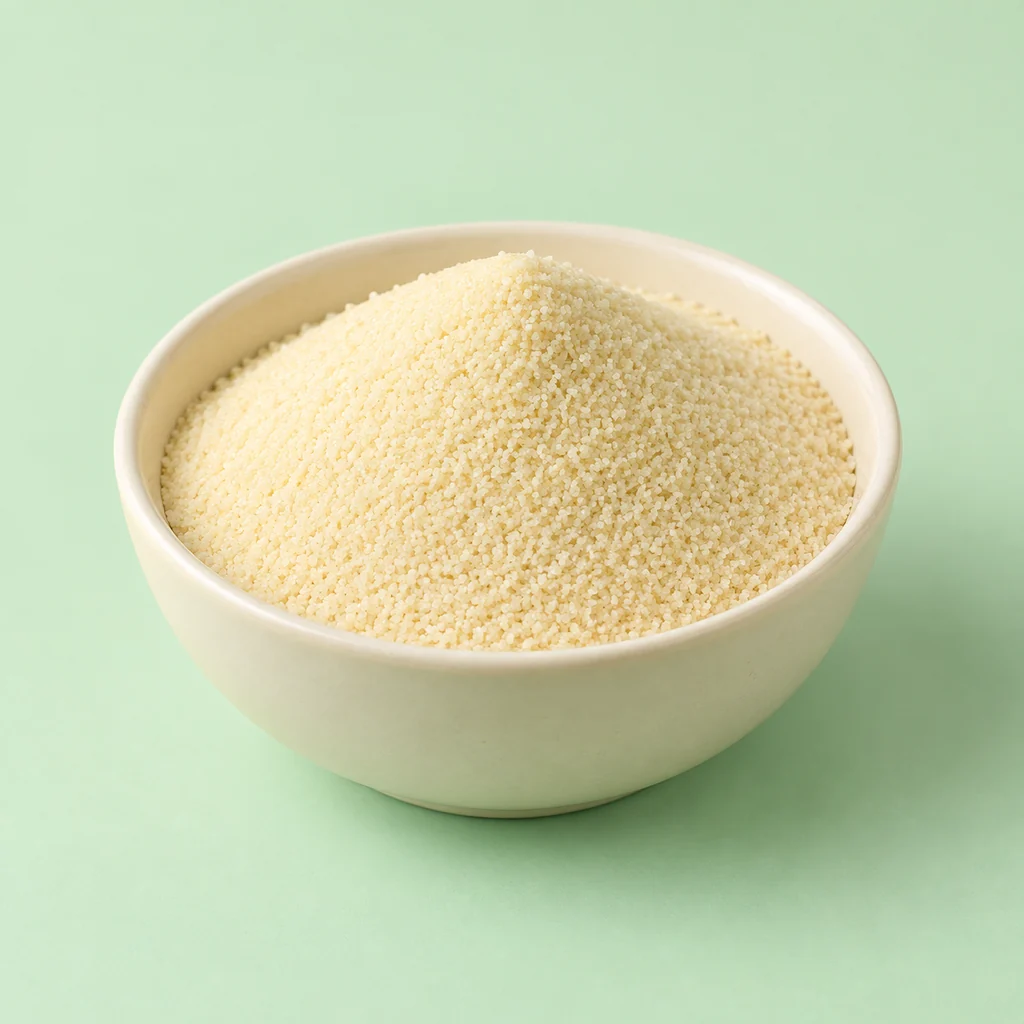
How to serve: Smooth semolina porridge thinned with breast milk or formula.
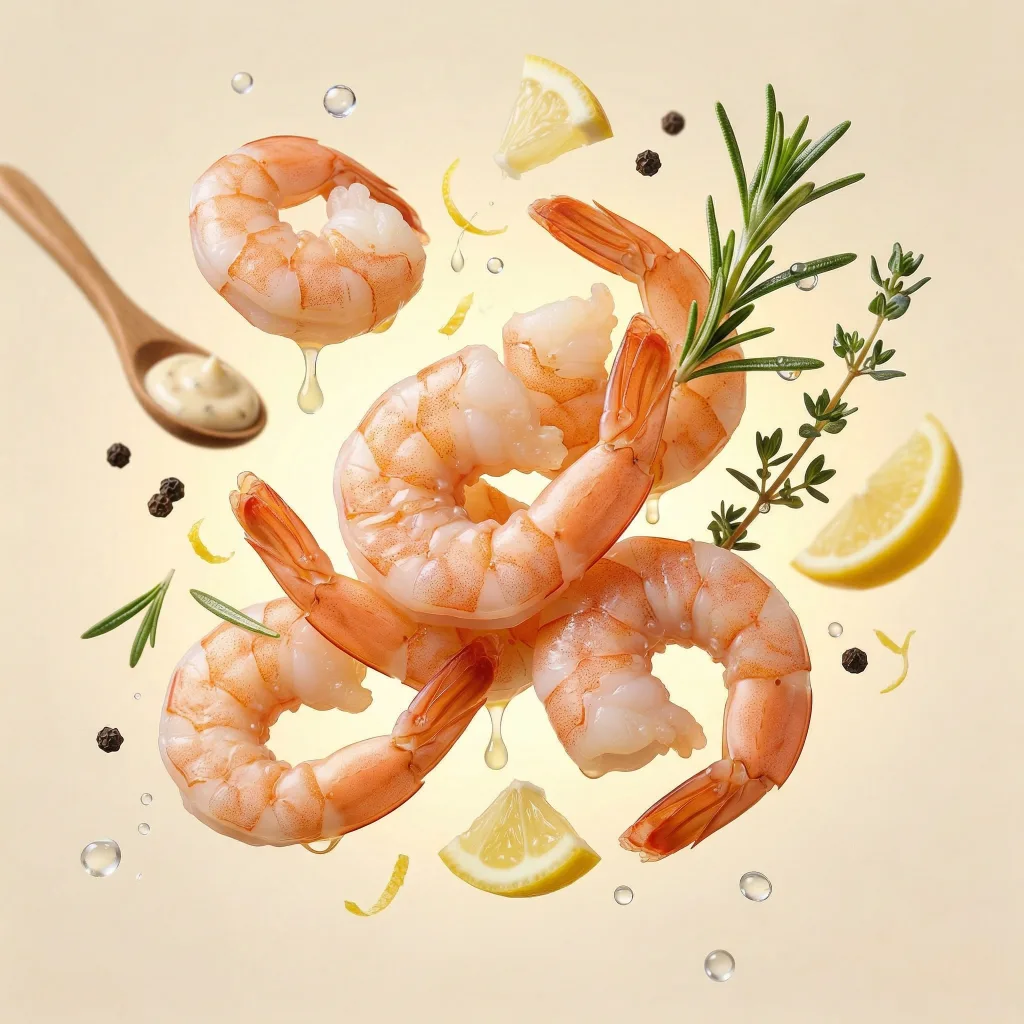
How to serve: Cook thoroughly until pink and opaque throughout, then mince finely and mix into soft moist food. Never serve raw or lightly cooked shellfish.
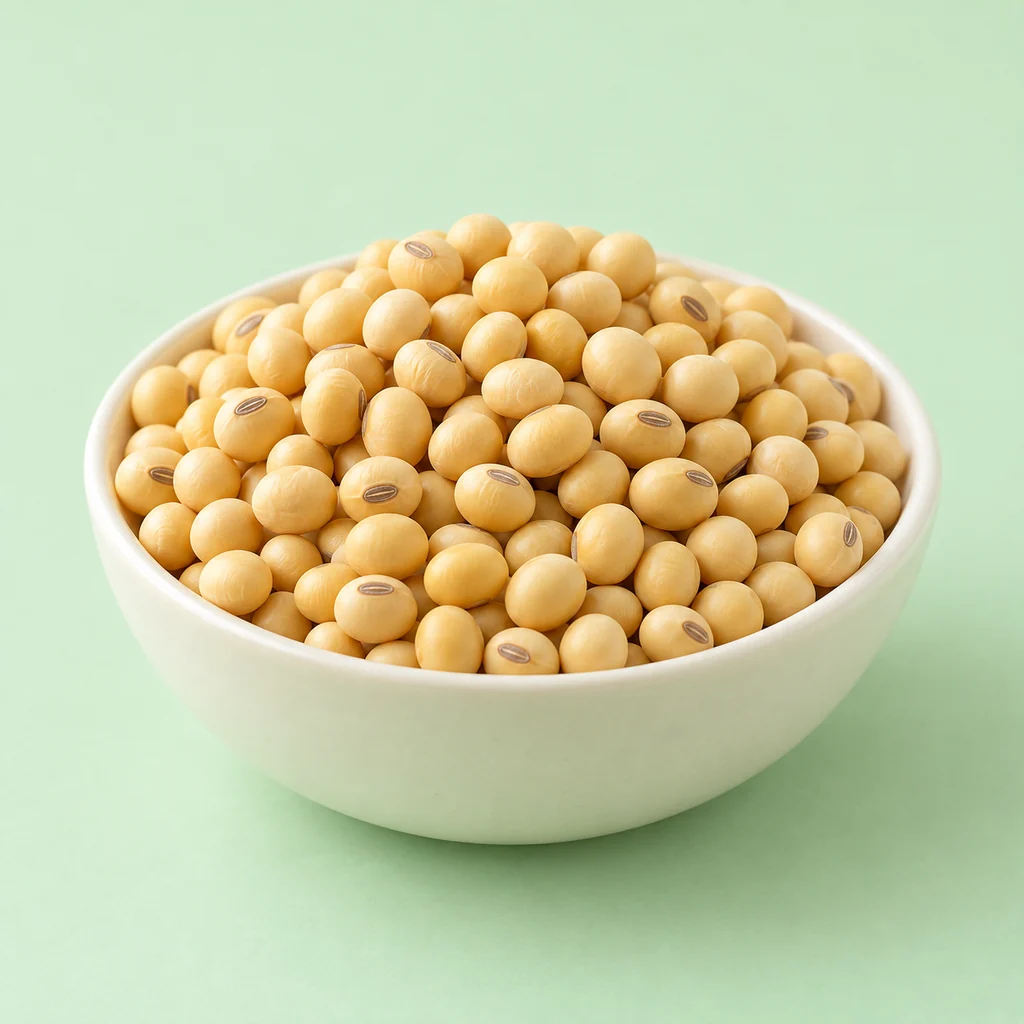
How to serve: Cooked, shelled and skinned beans mashed to a soft, lumpy texture.
Whole soya beans (edamame) are a choking hazard. Remove them from the pod and squash or skin the beans for babies and younger toddlers.
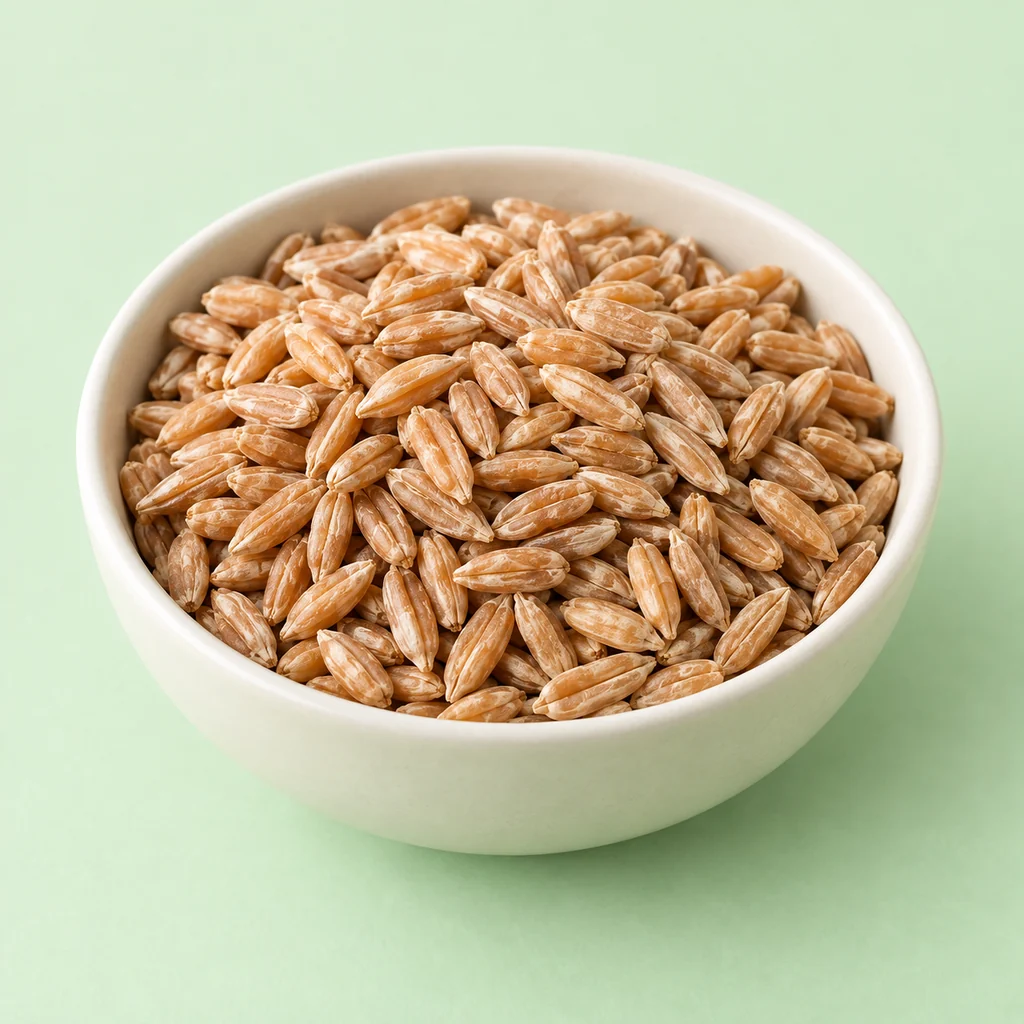
How to serve: Smooth spelt porridge or spelt flour used in soft pancakes.

How to serve: Finely chopped and mixed into other purées.
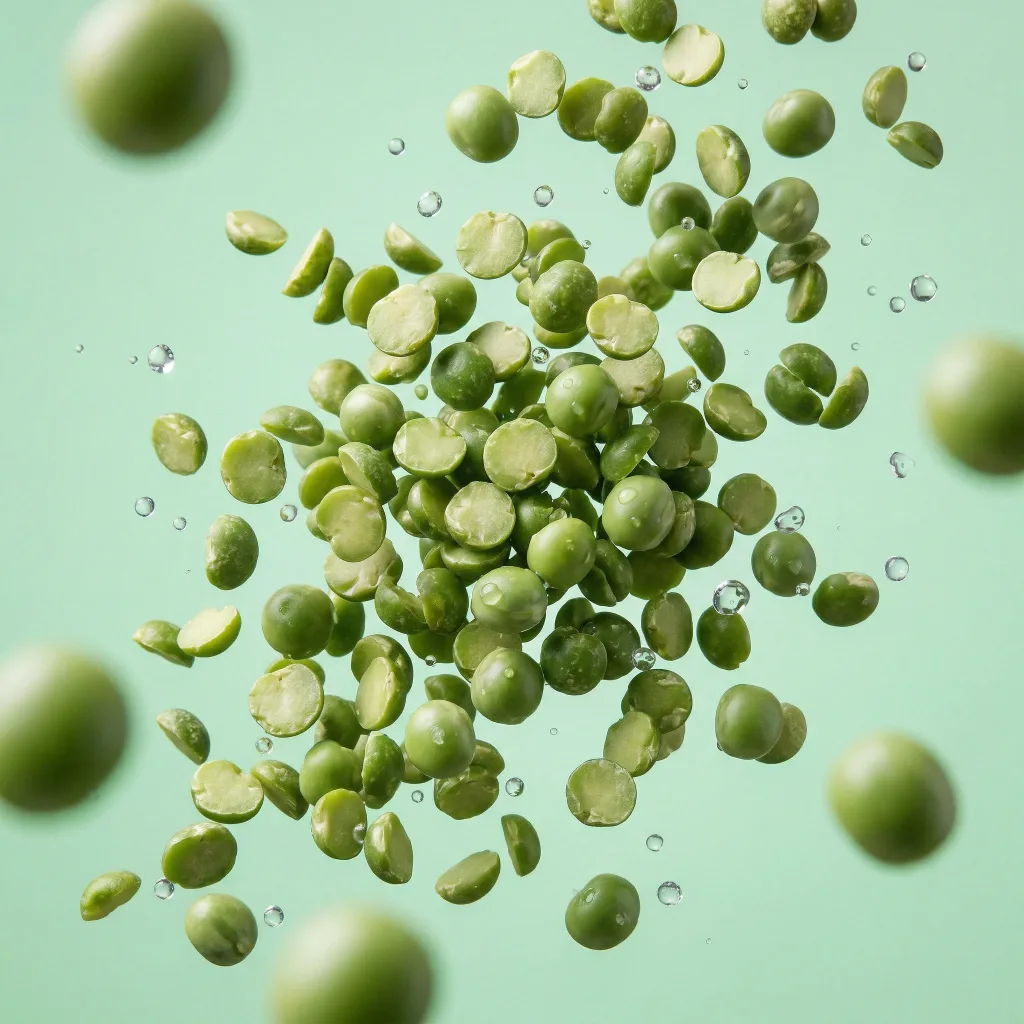
How to serve: Smooth split pea purée or blended into soups.
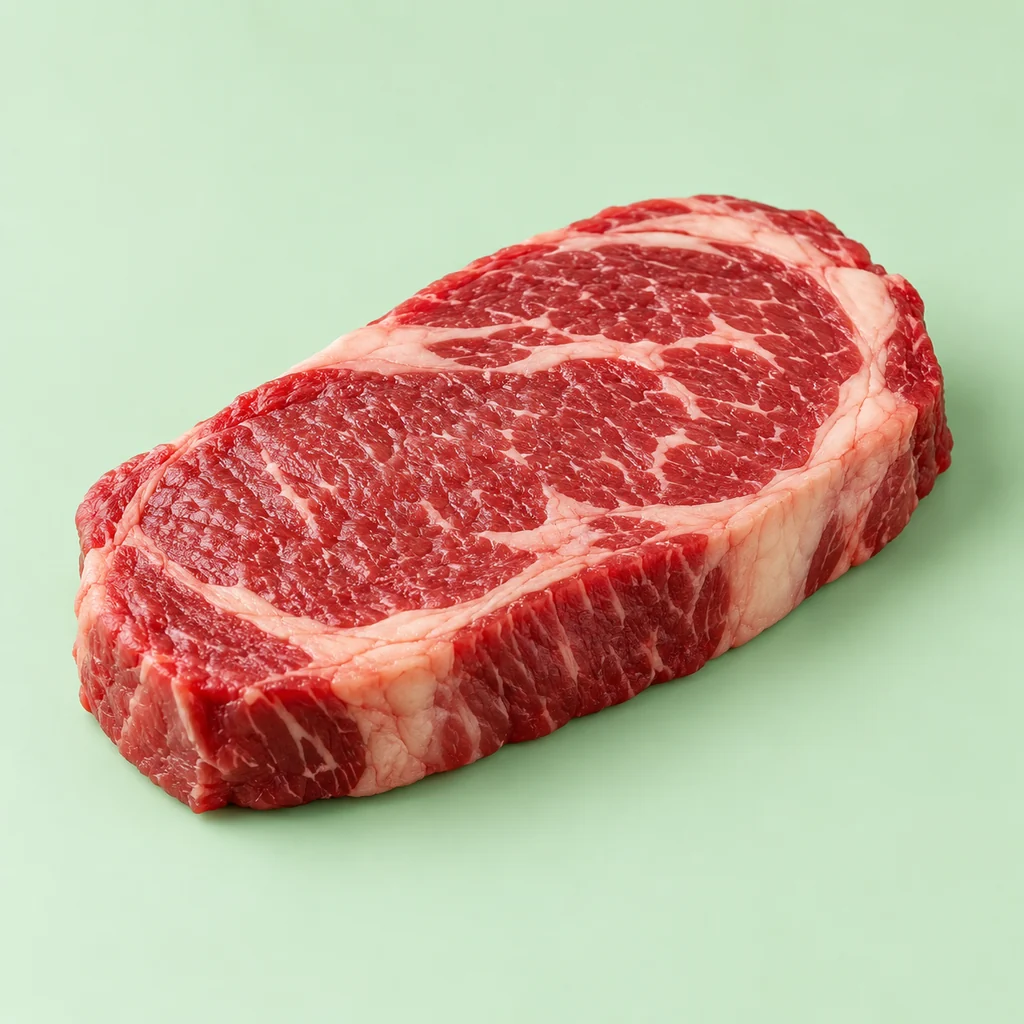
How to serve: Slow-cook or braise until very tender, then finely shred or mince and stir into soft purées or sauces.

How to serve: Soft mashed pieces or thick purée — introduce small, manageable amounts.
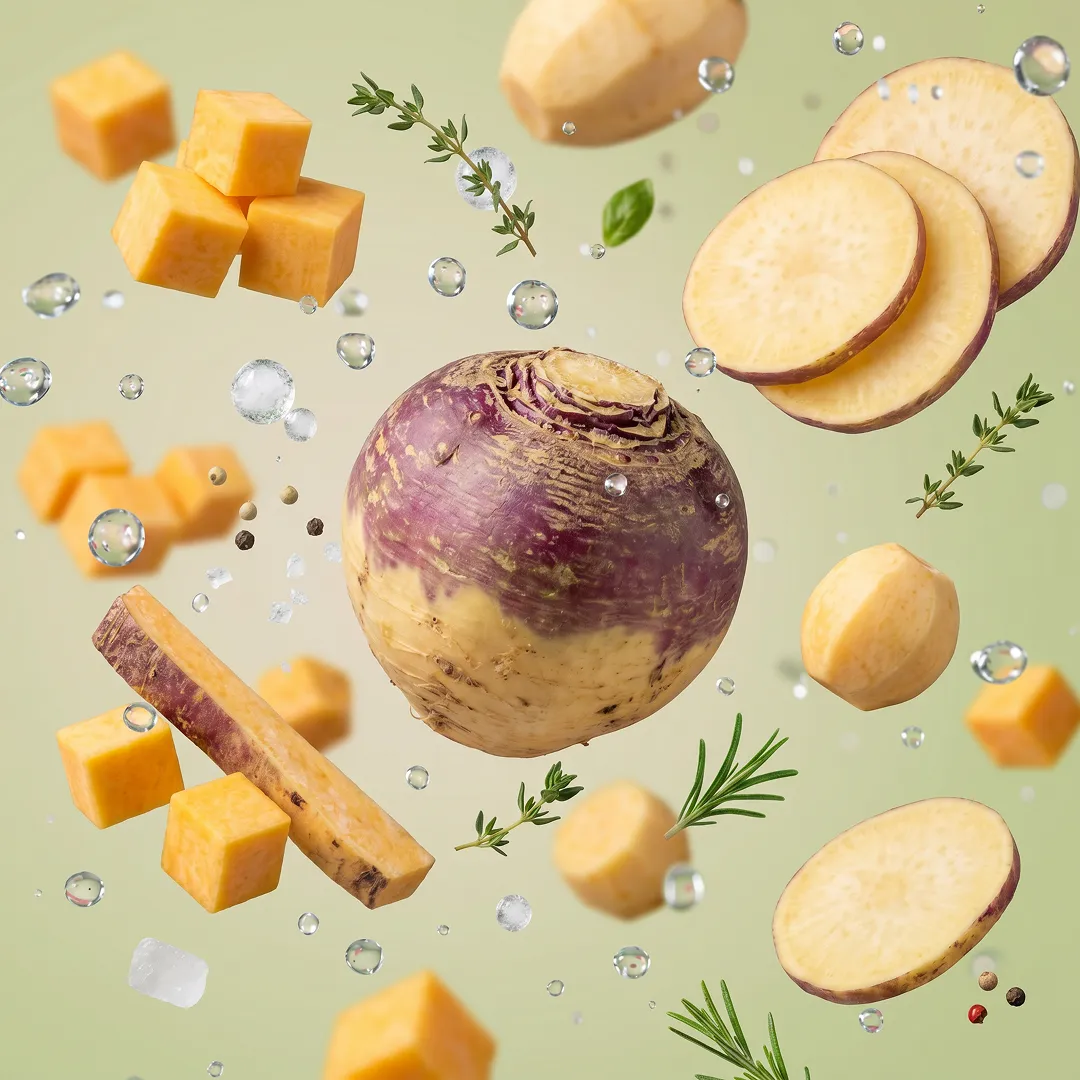
How to serve: Mash cooked swede with lumps as part of mixed vegetable mash.
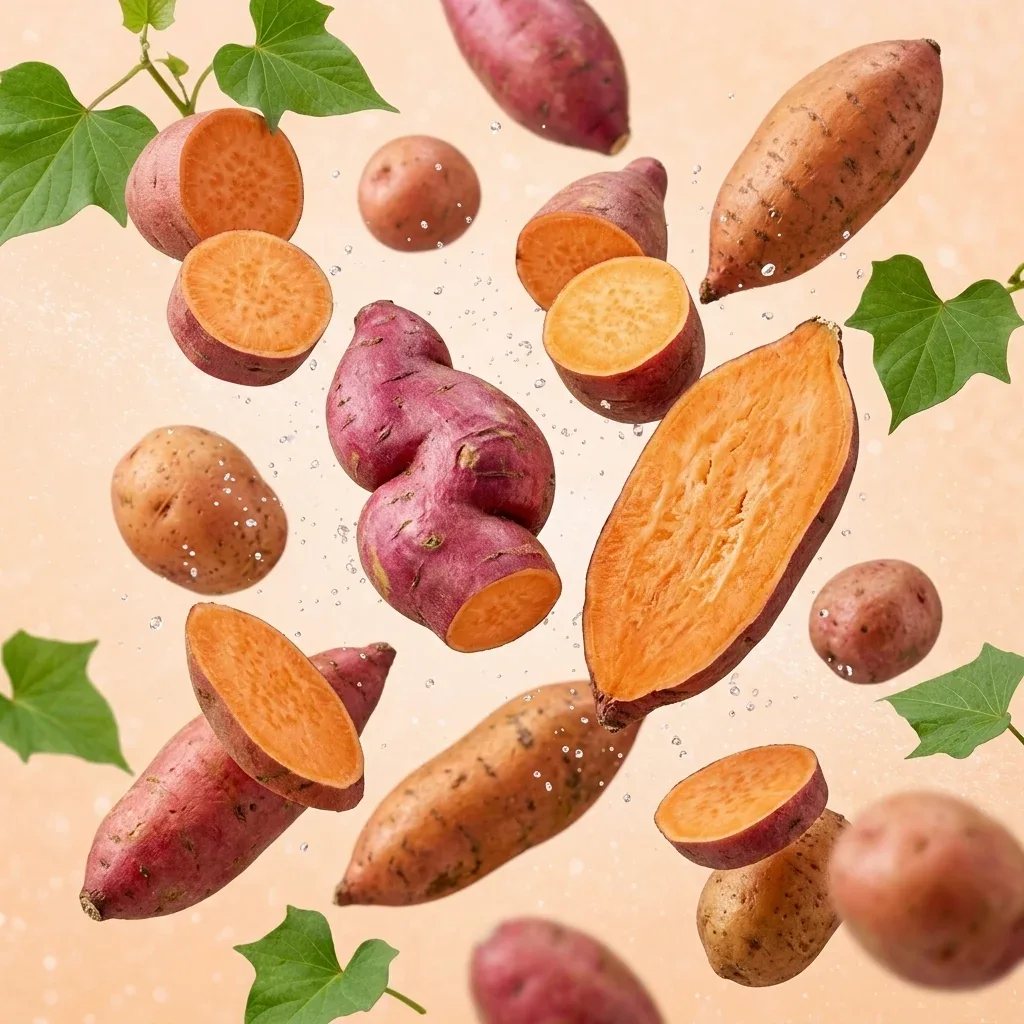
How to serve: Soft mash or small flattened pieces.
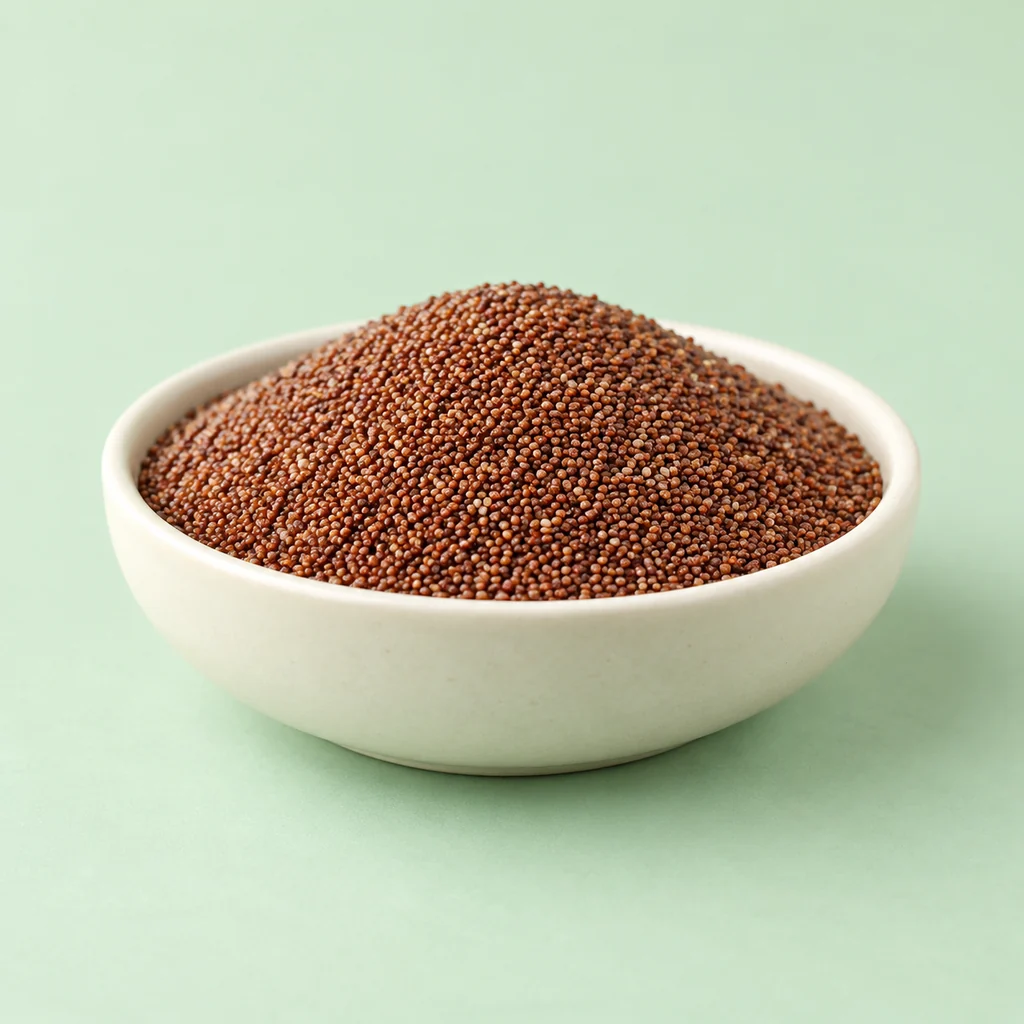
How to serve: Smooth teff porridge thinned with breast milk or formula.
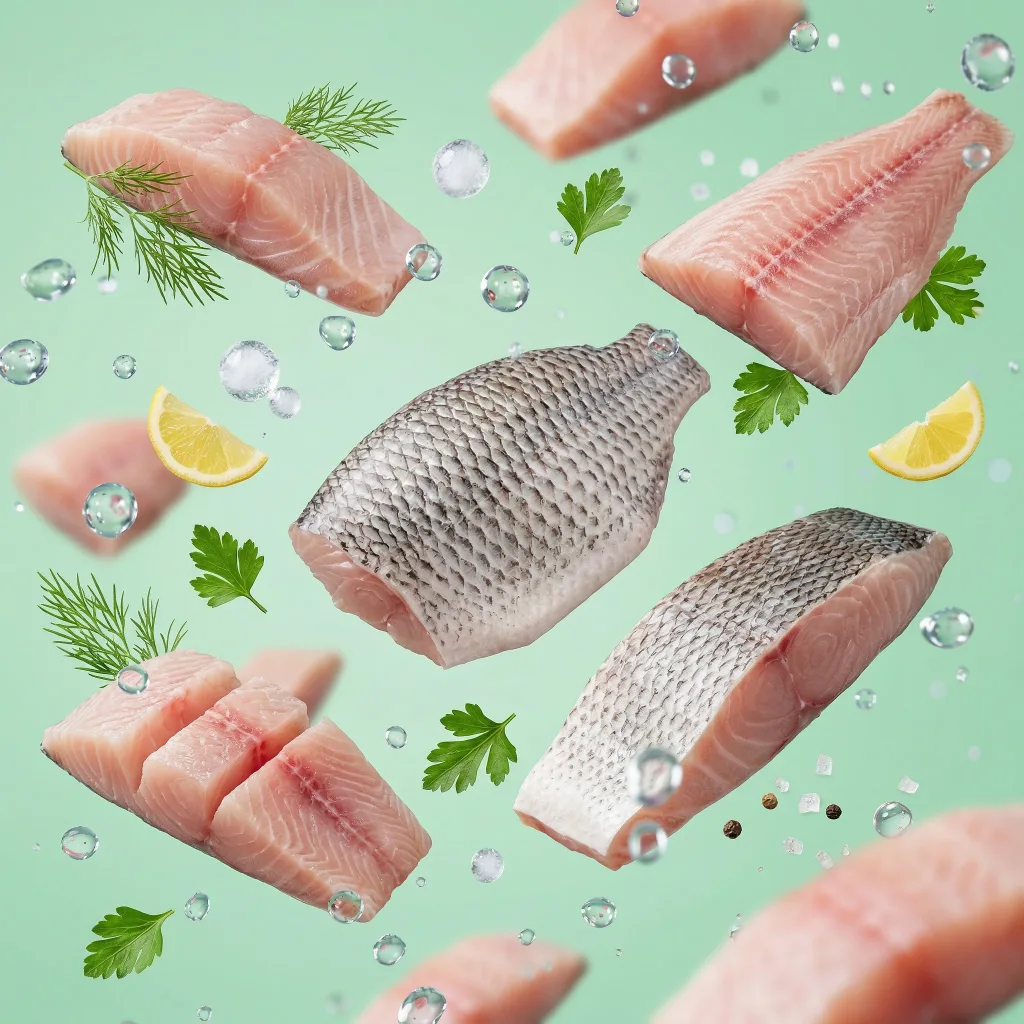
How to serve: Finely flaked steamed fish mixed into soft foods.
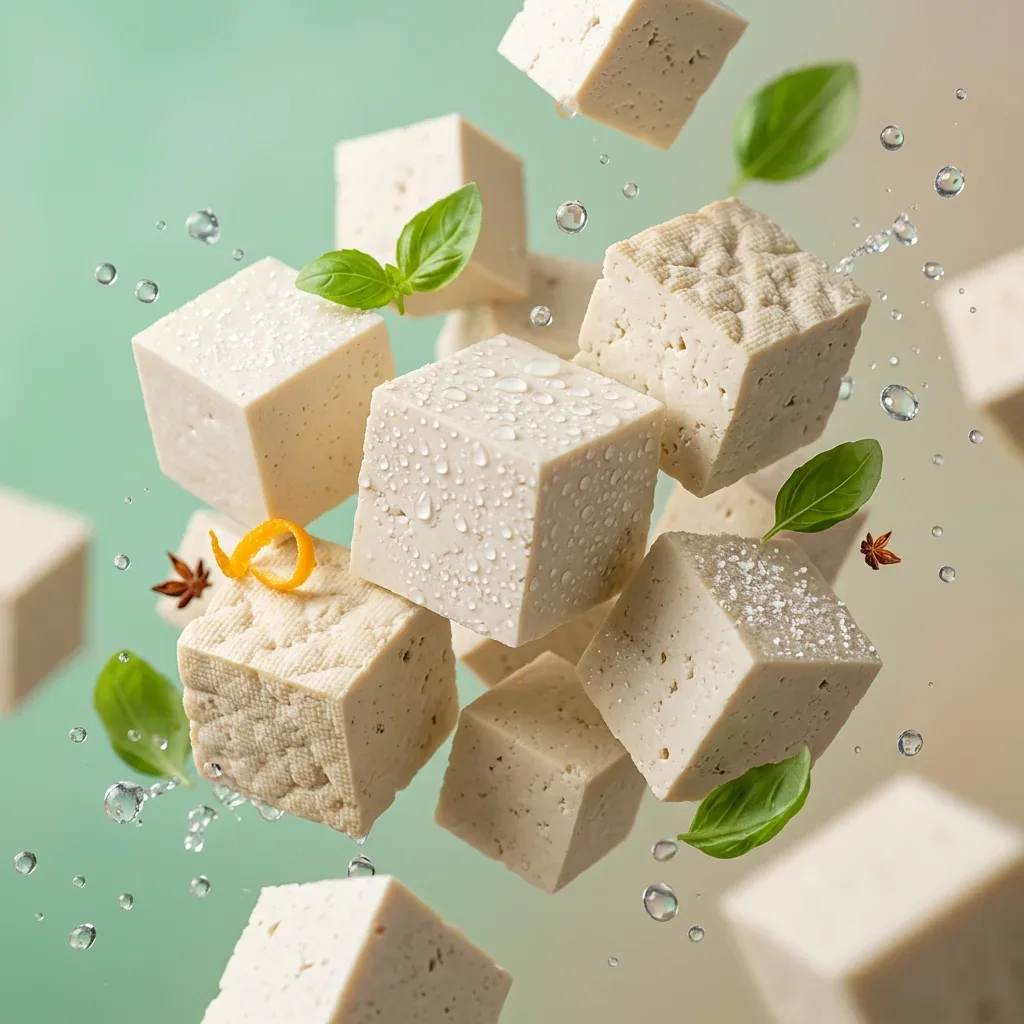
How to serve: Silken tofu mashed or blended — very smooth texture.
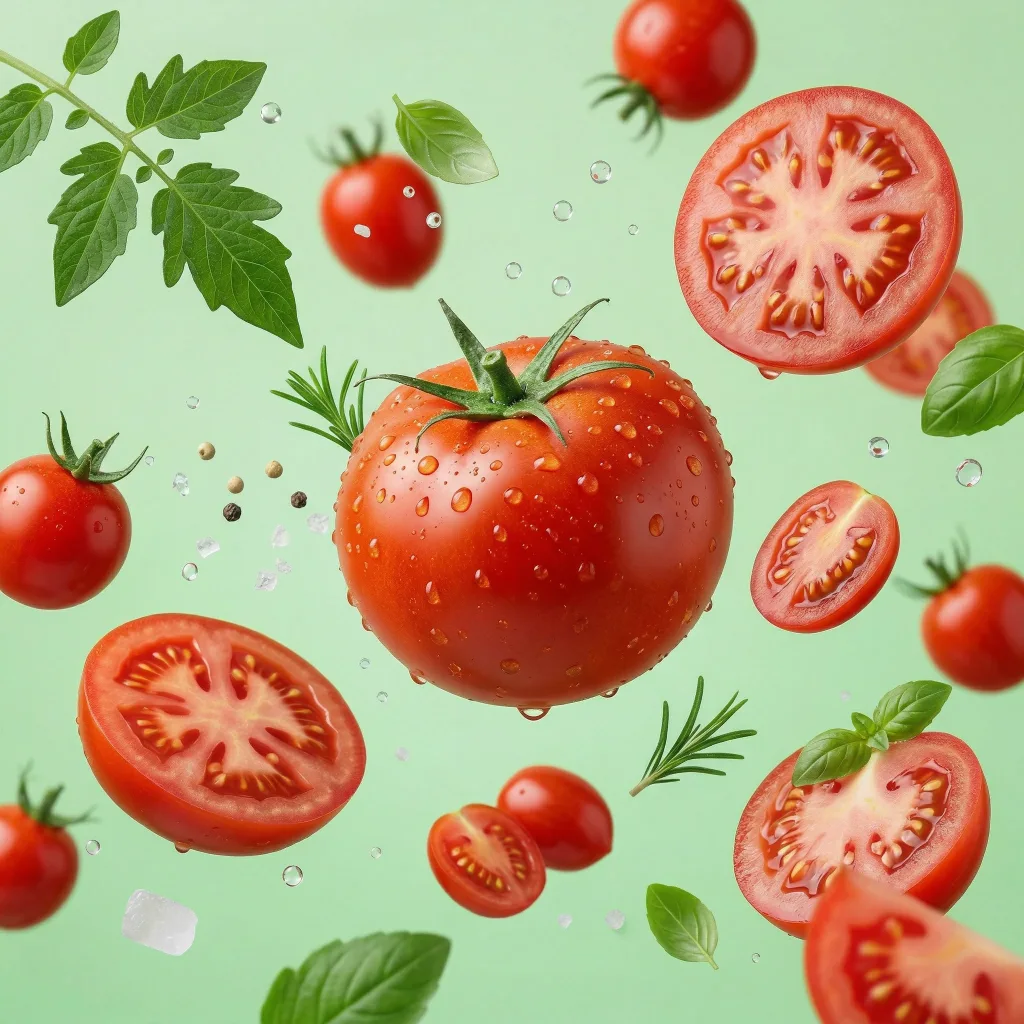
How to serve: Soft cooked tomato — raw is acidic; cooking is gentler on young stomachs.
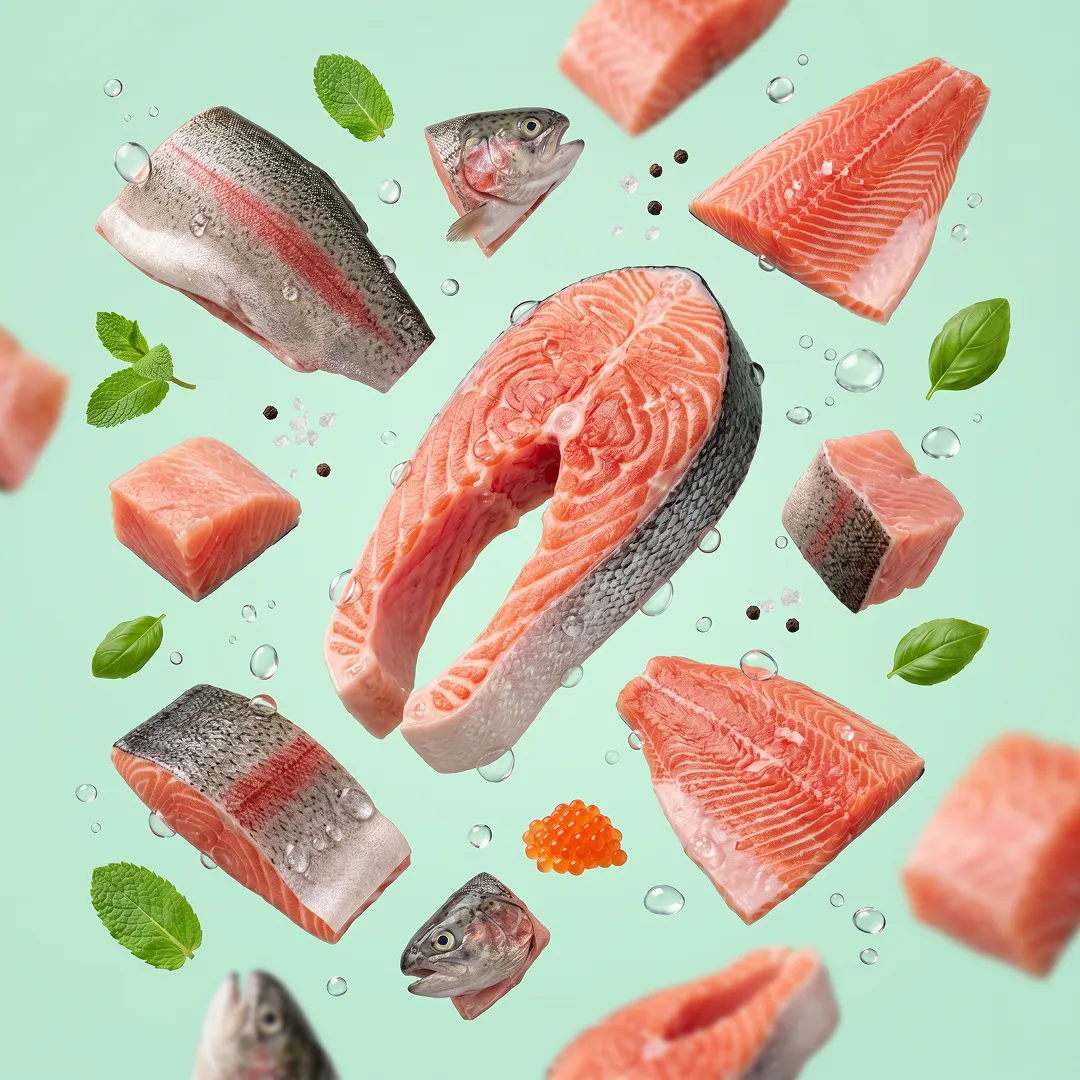
How to serve: Carefully deboned flaked trout mixed into vegetable purées or mashed potato.
Check trout very carefully for small pin bones before serving — trout is known to have many fine bones. Run your fingers along the flesh in all directions to detect them.
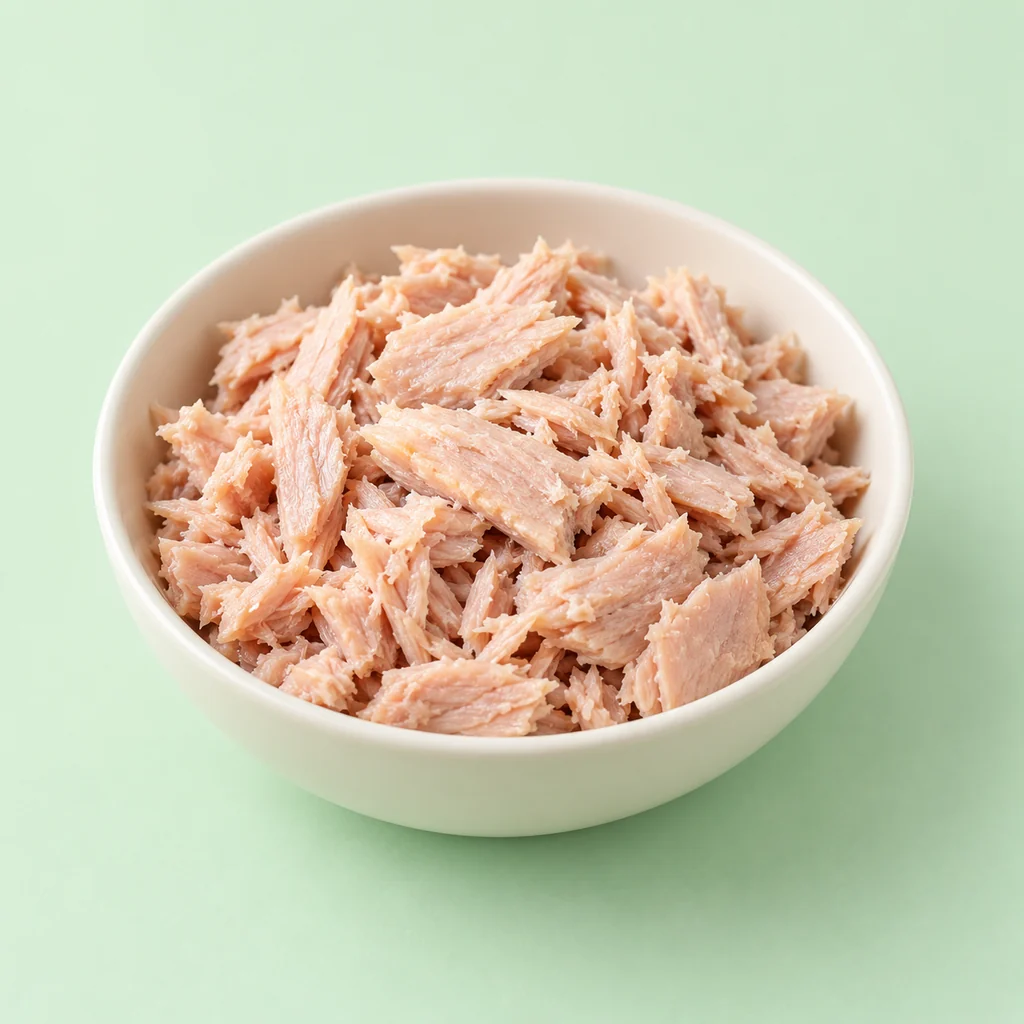
How to serve: Choose no-added-salt canned tuna in water. Drain, check for bones and mash into moist soft food.
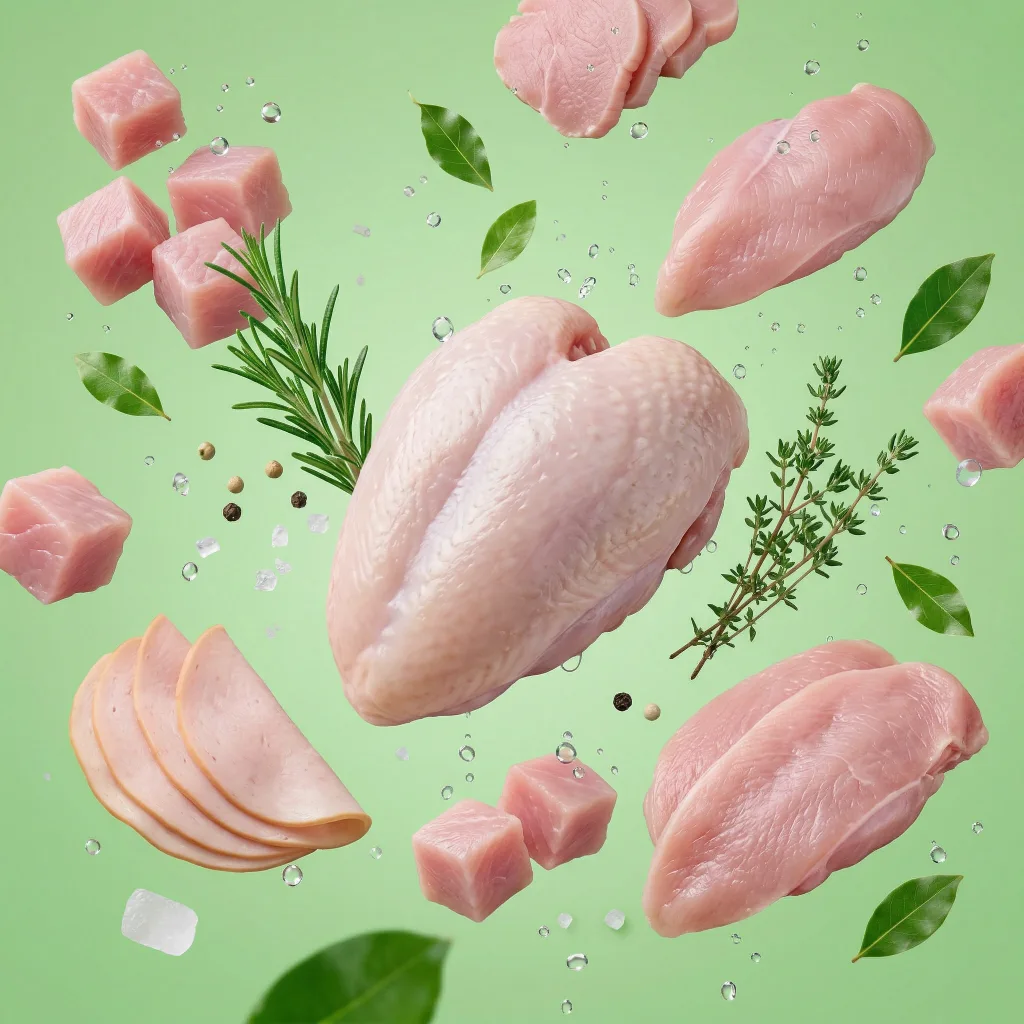
How to serve: Finely minced or blended into vegetable purées.
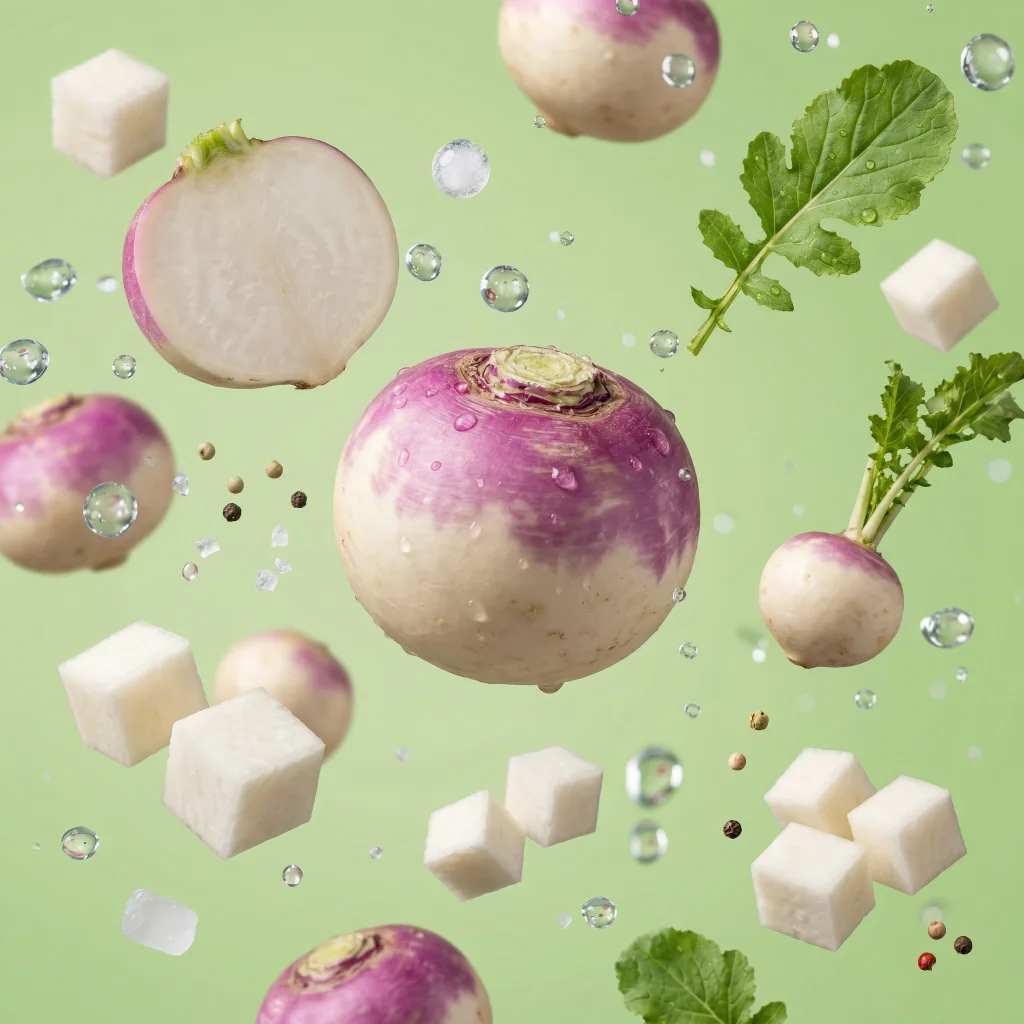
How to serve: Small soft mashed pieces.
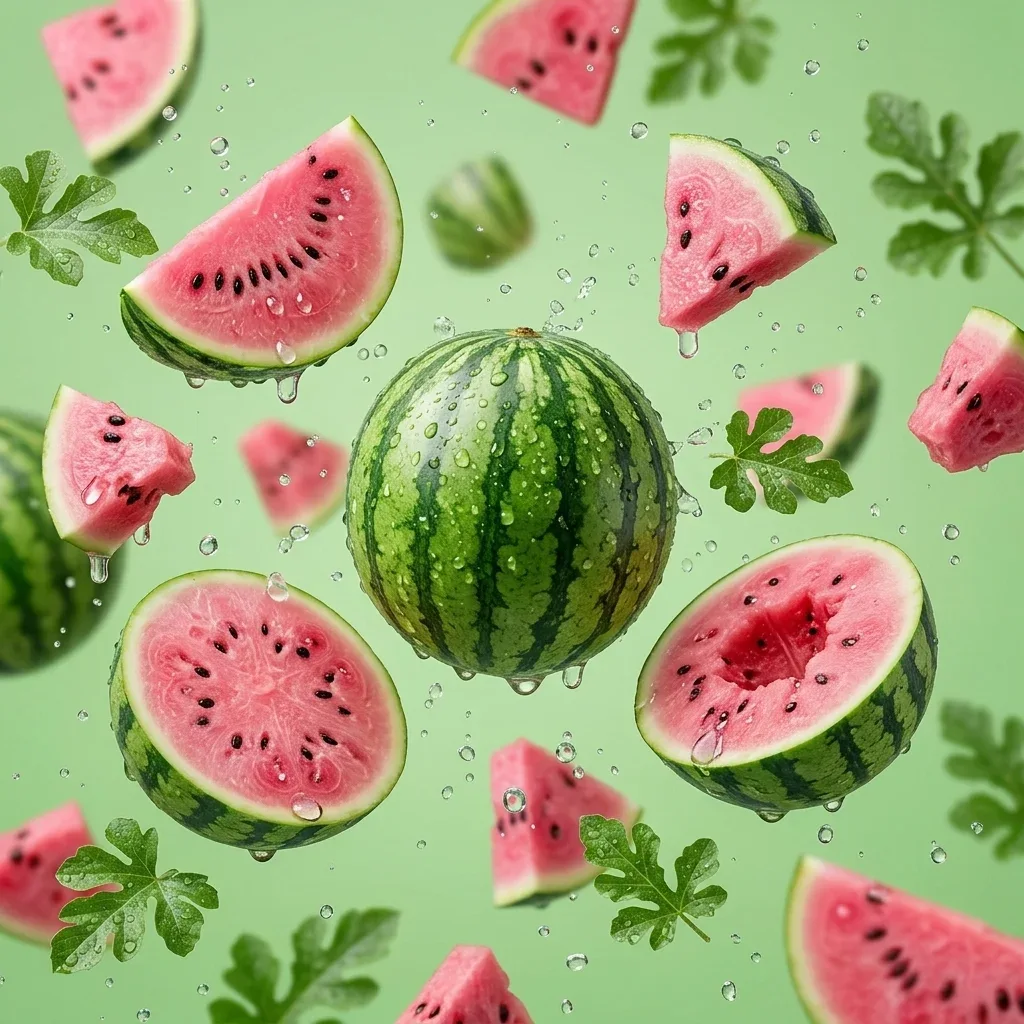
How to serve: Long strips of seedless flesh for easy gripping.
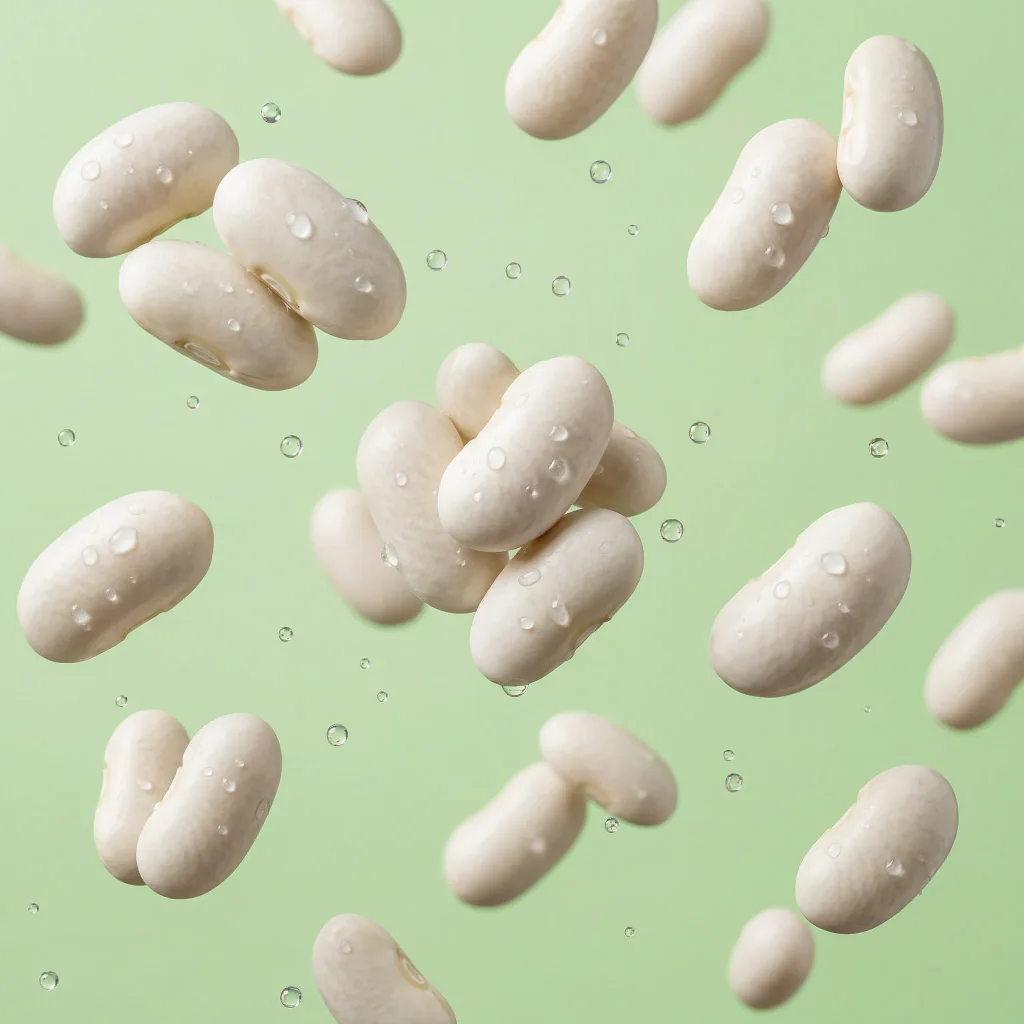
How to serve: Mashed or blended into soft foods.
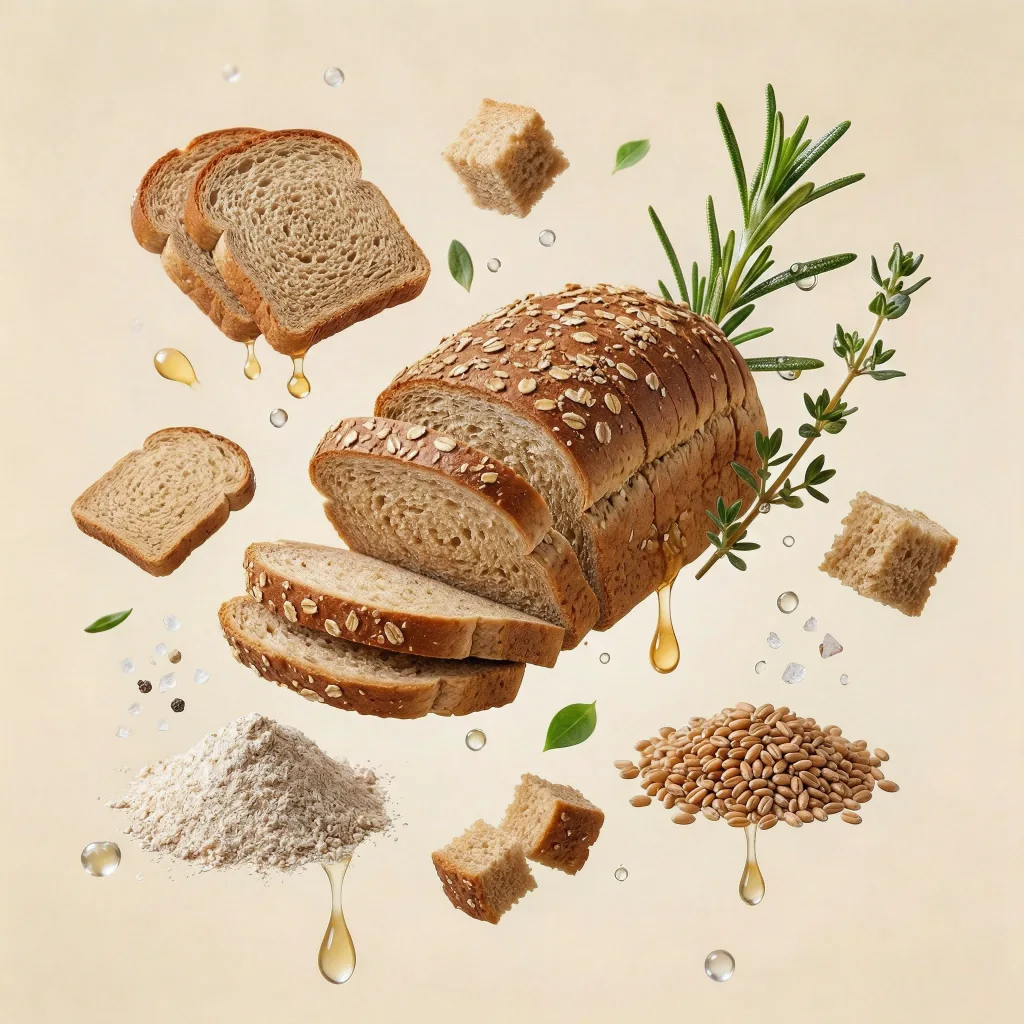
How to serve: Thin bread strips (soldiers) with a topping like avocado or nut butter.
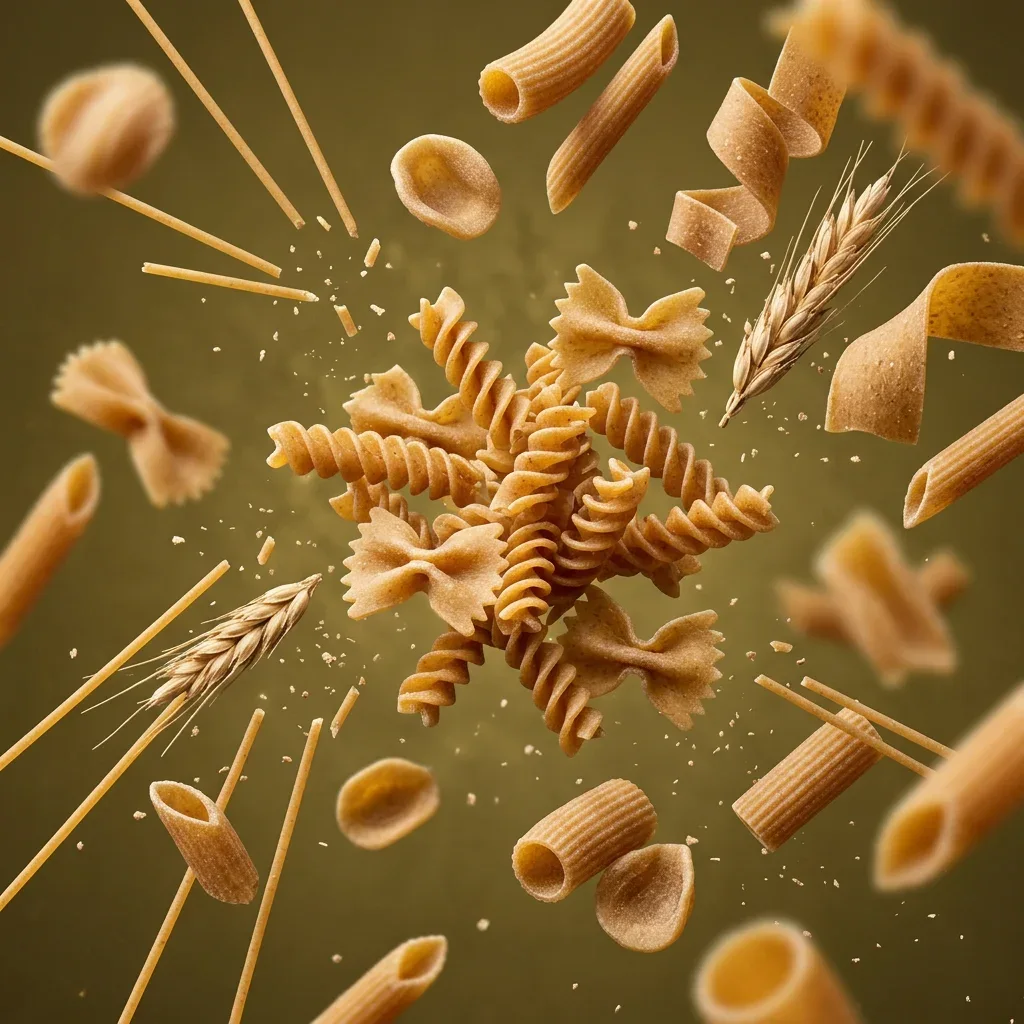
How to serve: Very soft pasta, mashed or blended into sauces.
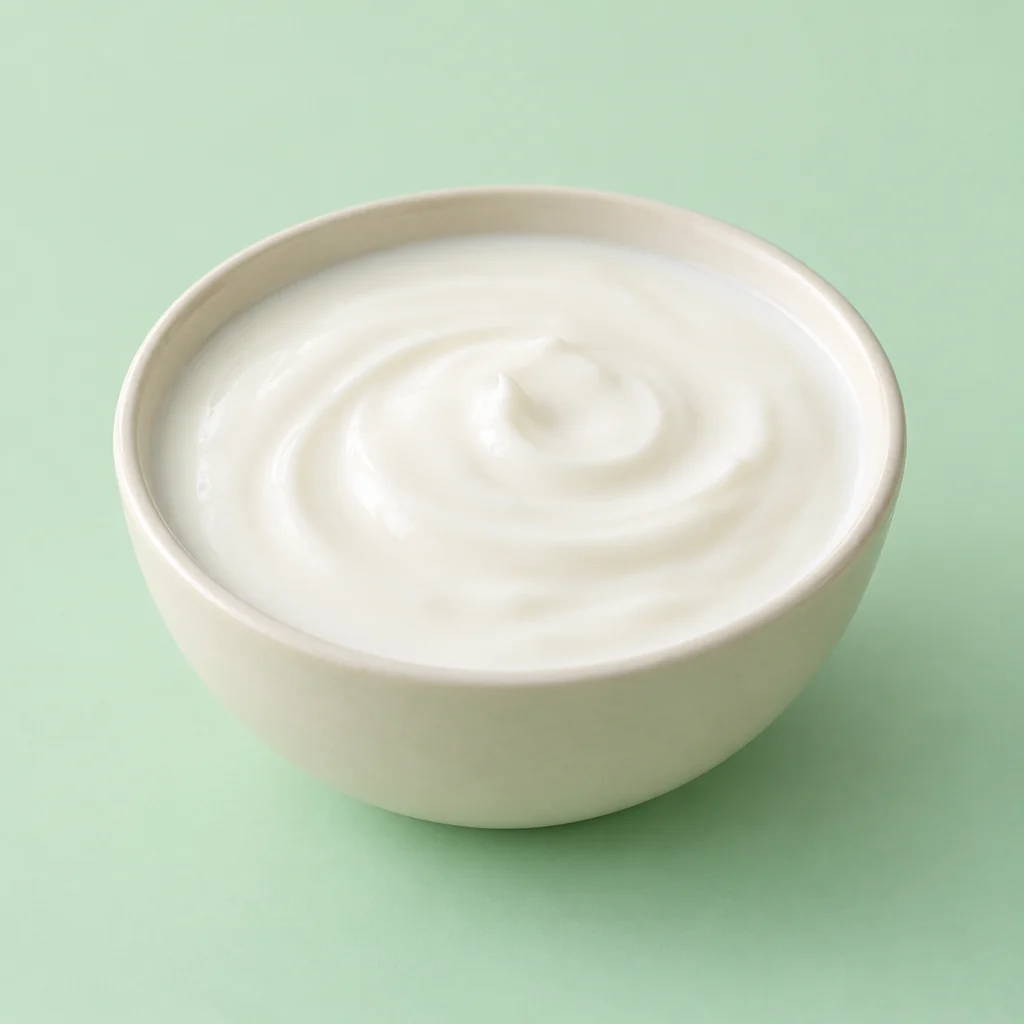
How to serve: Plain yogurt mixed with fruit purées.
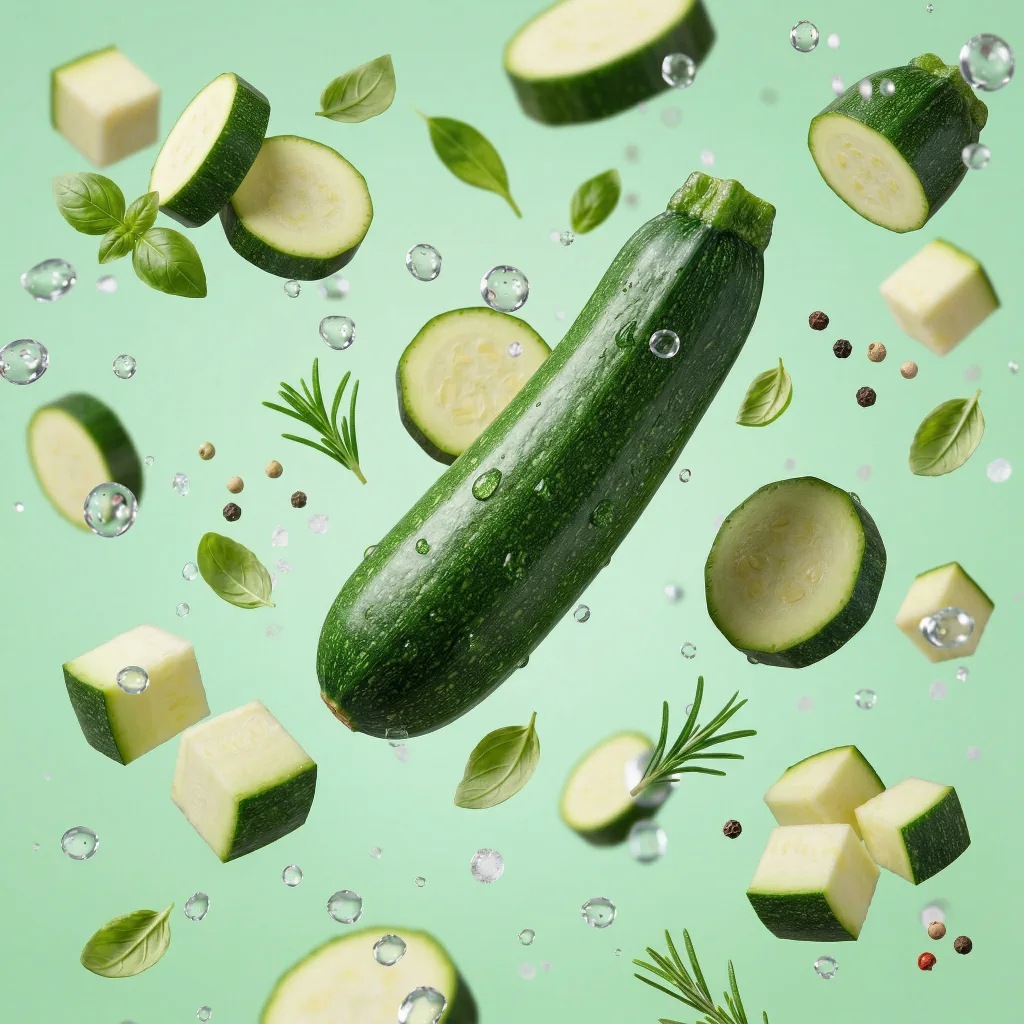
How to serve: Small soft pieces or thick mash.
No foods match that search.
Momsie tracks every food your baby has had, shows the gaps in their diet, and moves the guidance on by itself as they grow. Free on iPhone and Android.
General information based on NHS weaning guidance, not medical advice. Always stay with your baby while they eat. If you have concerns about allergies, choking or your baby's development, speak to your health visitor or GP.