Momsie › Can baby eat › Butter
Can babies eat butter?
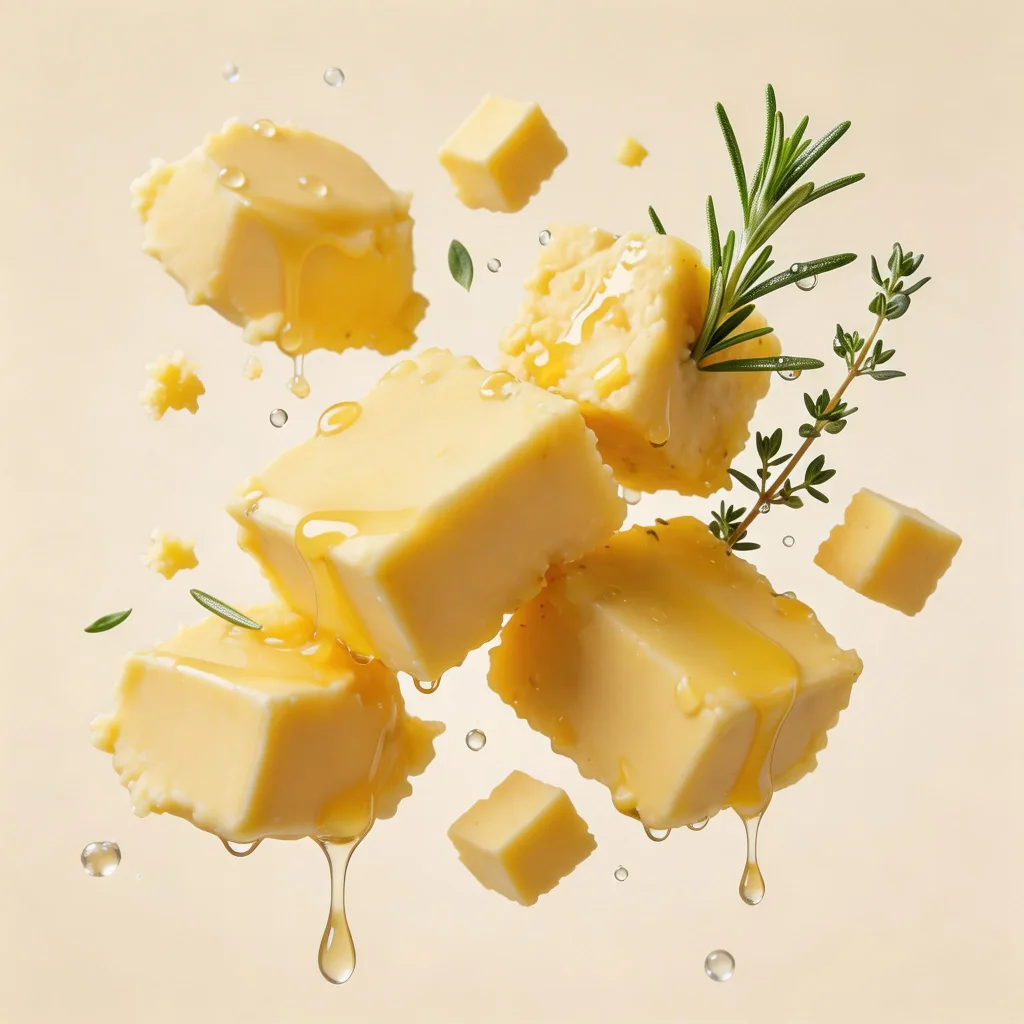
Butter can be offered once your baby has started solids, prepared to suit their stage. This is a common allergen (Milk).
Want the whole picture for your baby's age? See every food they can eat right now, with how to serve each one. Free, no sign-up.
Has your baby tried butter?
Keep track, then see what to try next.
How to serve butter for a baby
- Method
- None / Used in cooking
- Texture
- Melted into food
How you cut and serve butter changes as your baby grows. That is set out age by age below.
How to prepare butter, age by age
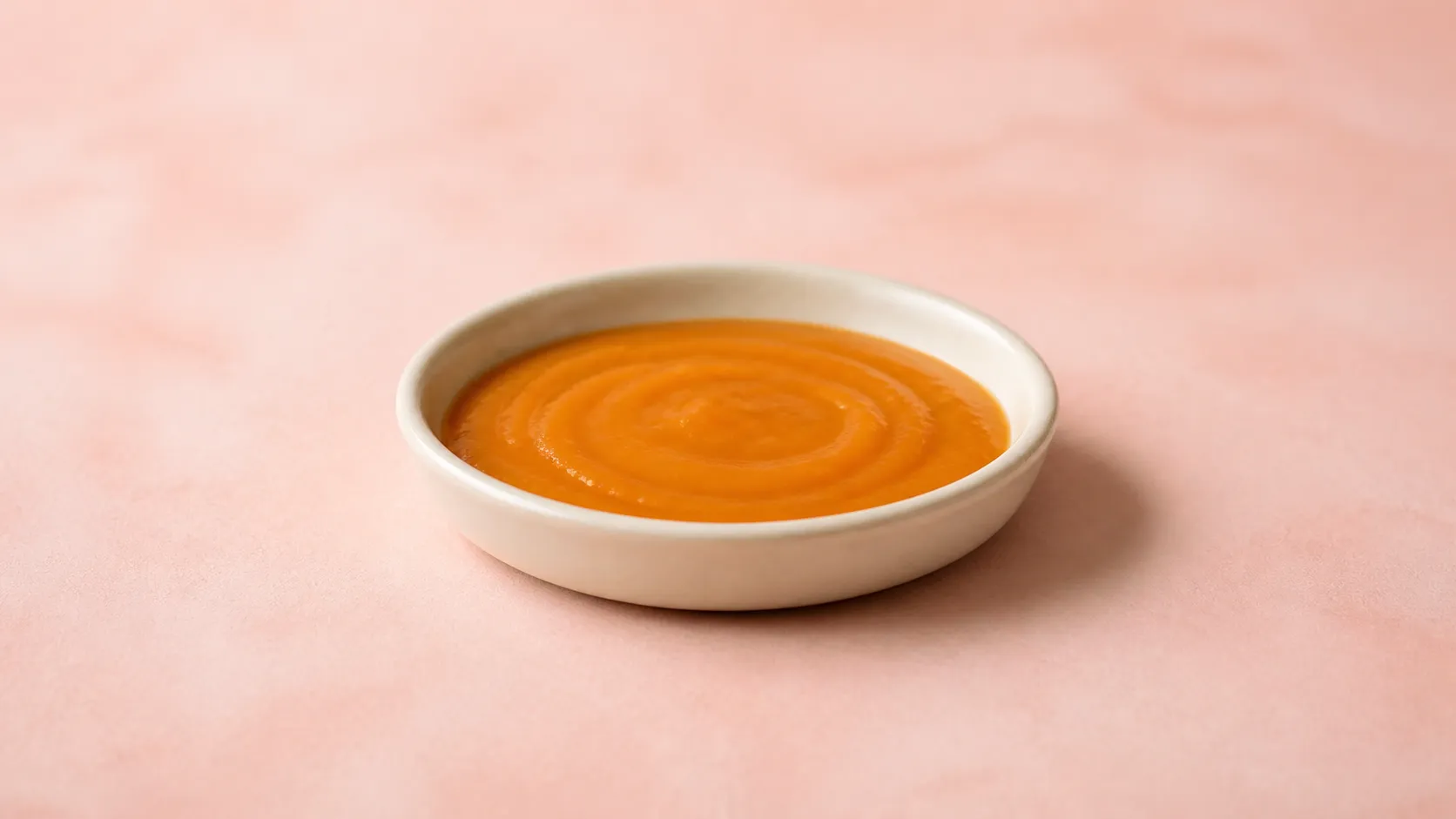
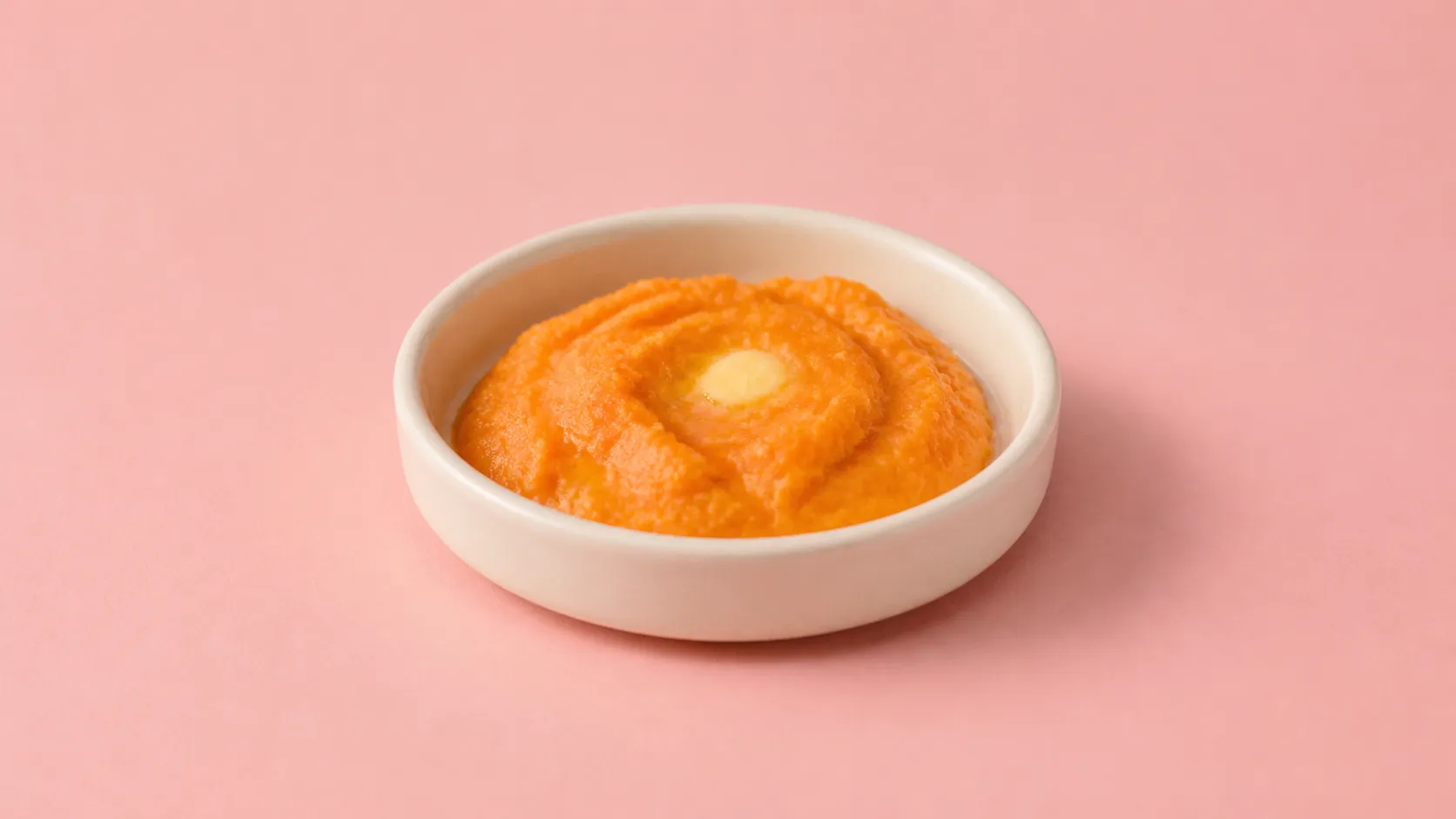
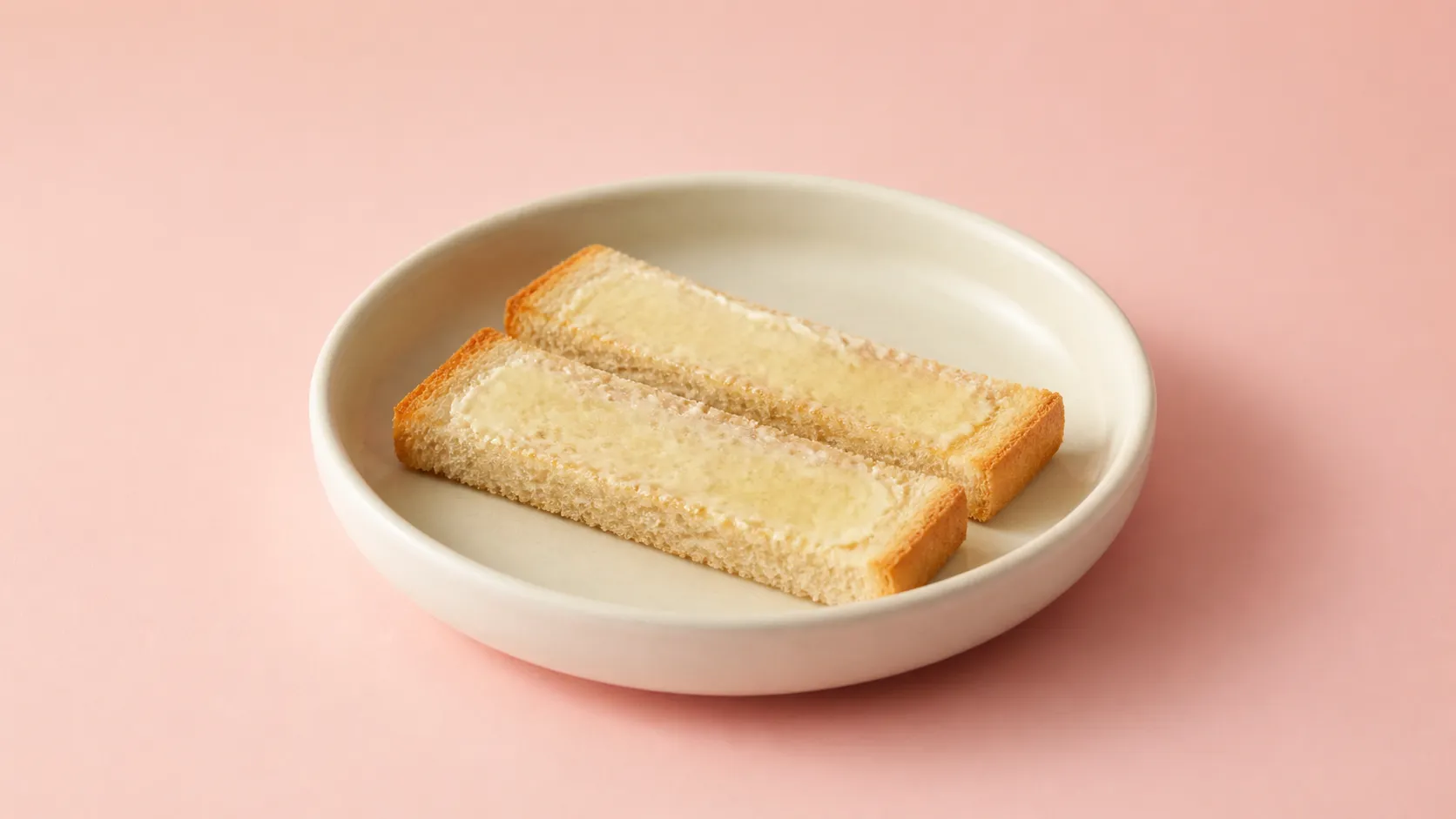
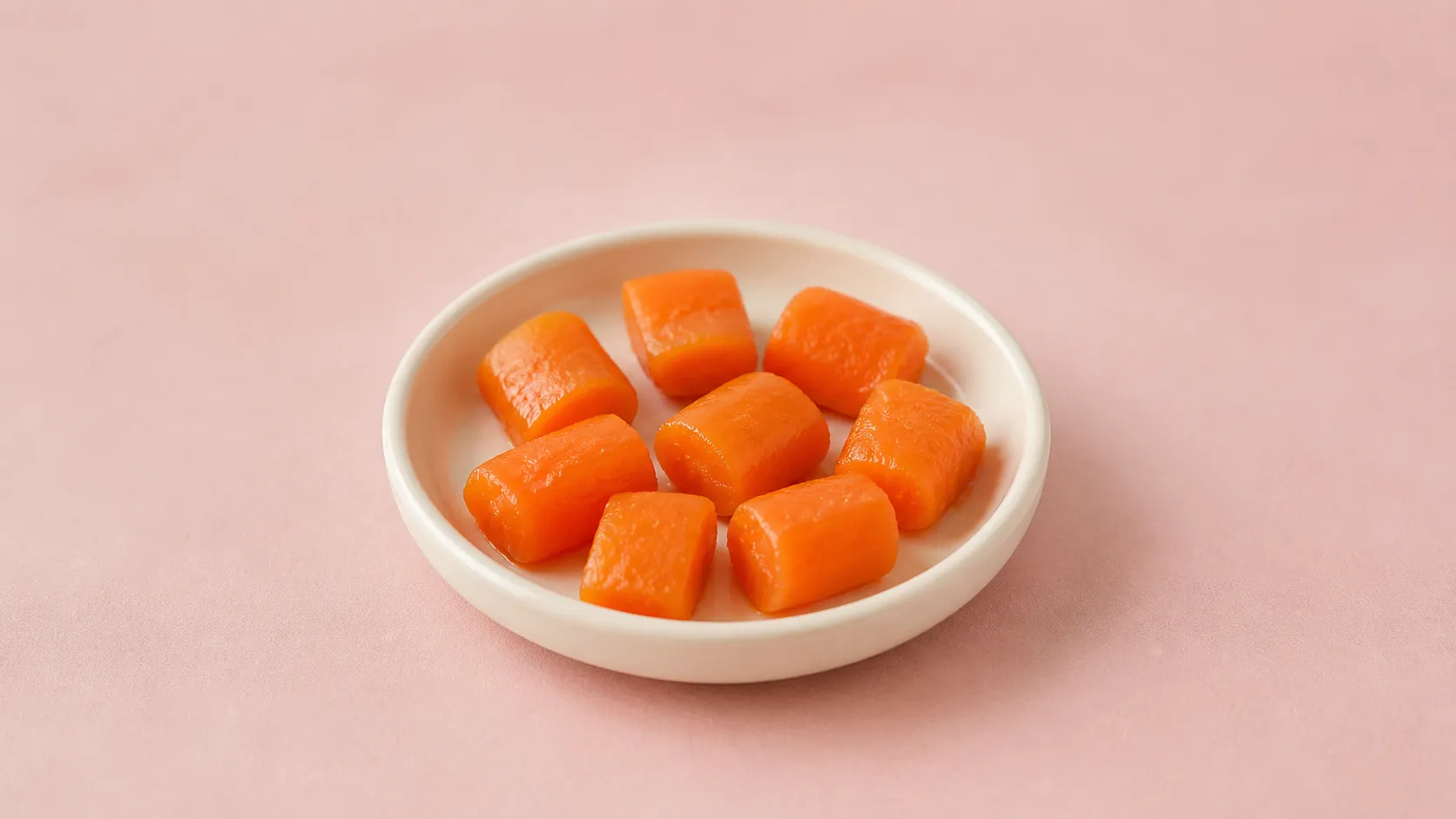
Your baby’s current preparation photo is free in the app.
Unlock every age stage with Momsie Premium.
Is butter an allergen?
This food contains dairy. Introduce one new food at a time and watch closely for any reaction.
Learn about dairy allergy
Is butter good for babies?
Butter is a concentrated source of fat-soluble vitamins A, D, E, and K2 — all critical for baby development. Also contains butyrate, a short-chain fatty acid that feeds gut bacteria and supports intestinal health. Use unsalted butter for babies. Adding butter to vegetables significantly increases the absorption of fat-soluble nutrients.
- Vit A
- Vit D
- Vit K2
- Butyrate
- Healthy Fats
Storing butter
In the fridge
2 Weeks. Refrigerate — salted butter lasts longer than unsalted
In the freezer
9 Months. Freeze in pre-portioned tablespoon-size pieces
Goes well with
Baby recipes with butter
- Banana Oat Porridge
- Broccoli & Potato Mash
- Haddock & Potato Mash
- Potato & Leek Purée
- Scrambled Egg & Spinach
- Swede & Carrot Purée
- Cod & Swede Bake
- Trout with Peas & Lemon
- Baked Egg & Tomato Cup
- Mini Banana Oat Pancakes
- Soft Pasta with Peas & Butter
- Mild Fish Pie with Mash
See all 15 recipes with butter and more
Not sure what to offer after butter?
Momsie turns your baby's age, the foods they have already tried and your allergen list into one clear next step. Free on iPhone and Android.
This page is general information based on NHS weaning guidance, not medical advice. Always stay with your baby while they eat. If you have concerns about allergies, choking or your baby's development, speak to your health visitor or GP.