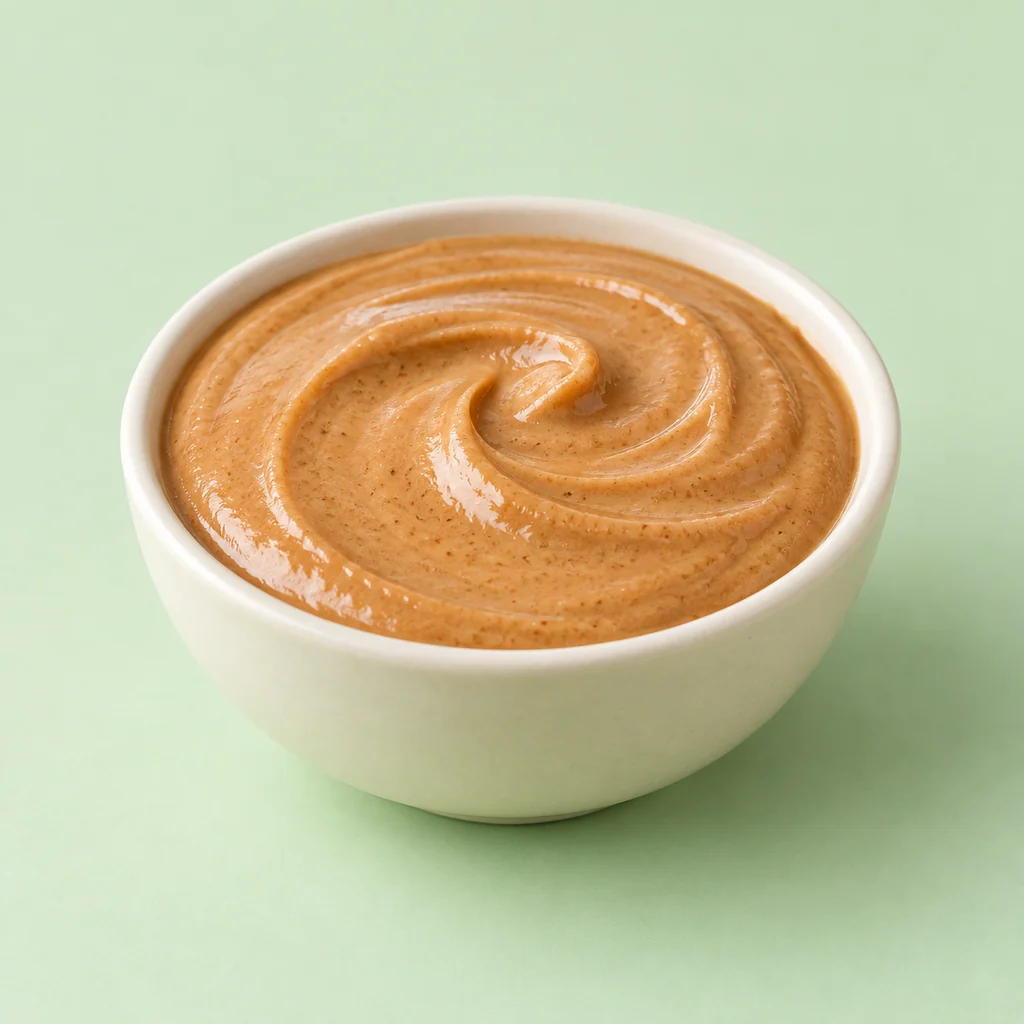
Almond Butter
How to serve: Small amount on bread or mixed into foods.
Whole almonds and thick nut butter are choking hazards. Only thinned smooth almond butter is safe.
Momsie › What can my baby eat › 24 months
At 24 months, 123 of 123 foods in this guide are safe to offer. Every serving suggestion below is written for the 18 months and over stage. Free, no sign-up, based on NHS weaning guidance.
Nothing new unlocks at 24 months. All 123 foods in this guide are safe to offer, prepared the right way.
Texture and preparation: 24 months falls in the 18 months and over band, so every serving suggestion below is the one written for that stage.
Next change: nothing is being held back any more. Every food in this guide is safe at 24 months, prepared the right way.
Want to compare ages, or check a different month? Use the age slider to move through every stage.
How to serve: Small amount on bread or mixed into foods.
Whole almonds and thick nut butter are choking hazards. Only thinned smooth almond butter is safe.
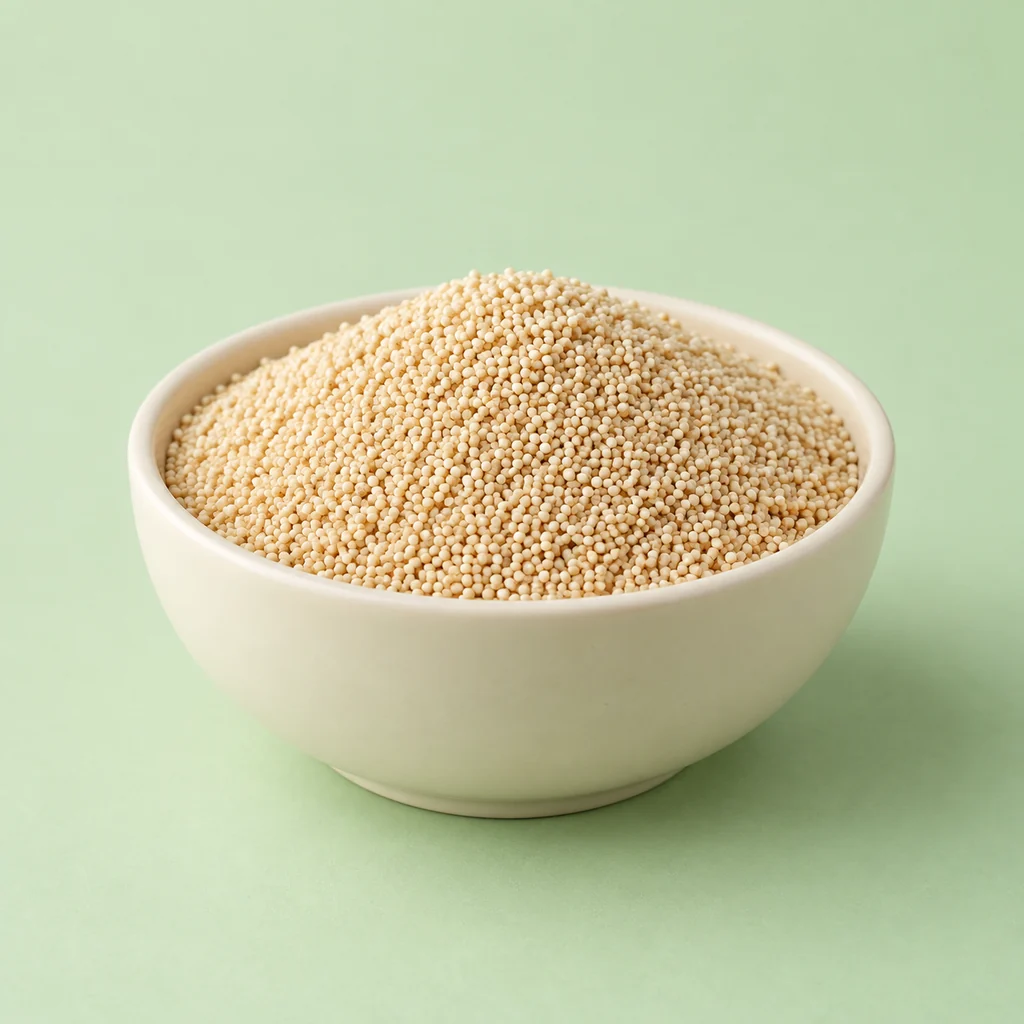
How to serve: Cooked as a porridge or grain side dish.

How to serve: Core and cut soft apple into thin slices; if firm, steam or simmer until soft enough to bite and manage.
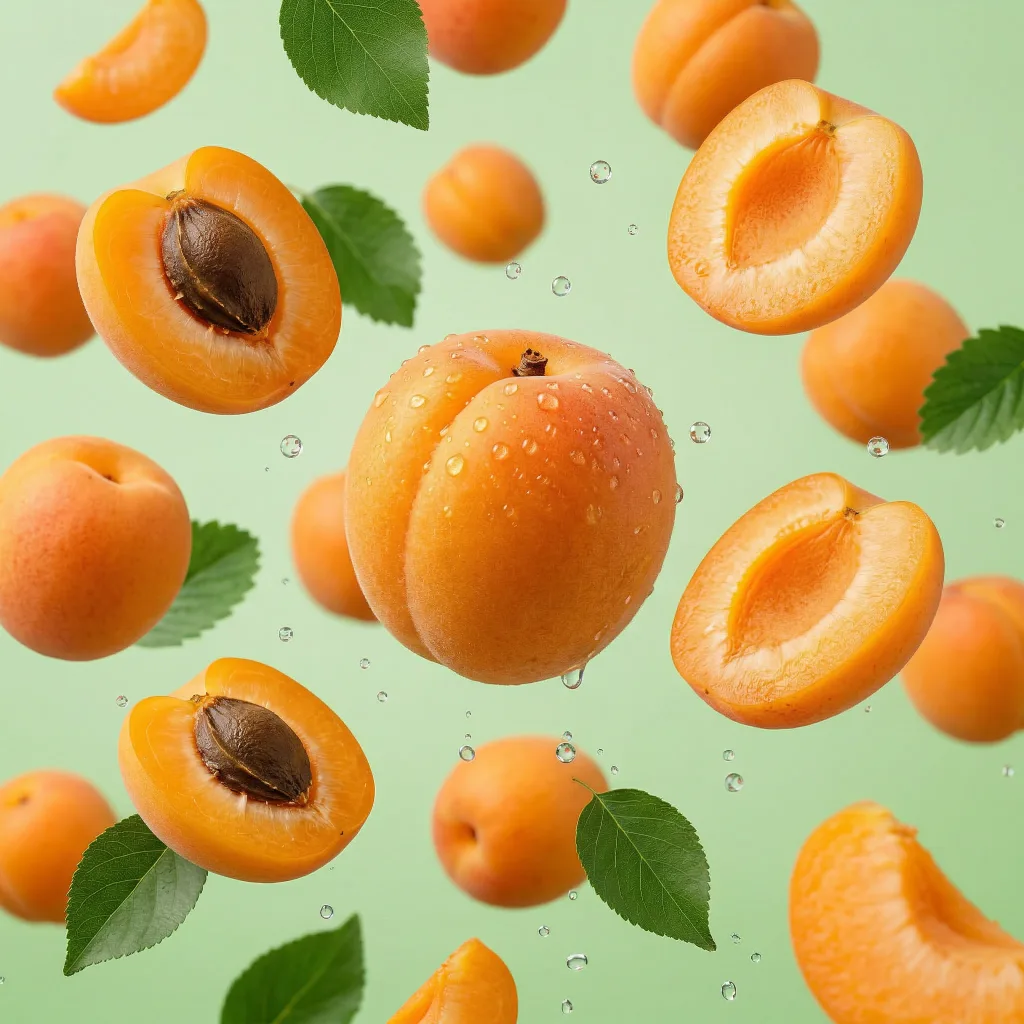
How to serve: Bite-size pieces with skin if very ripe.
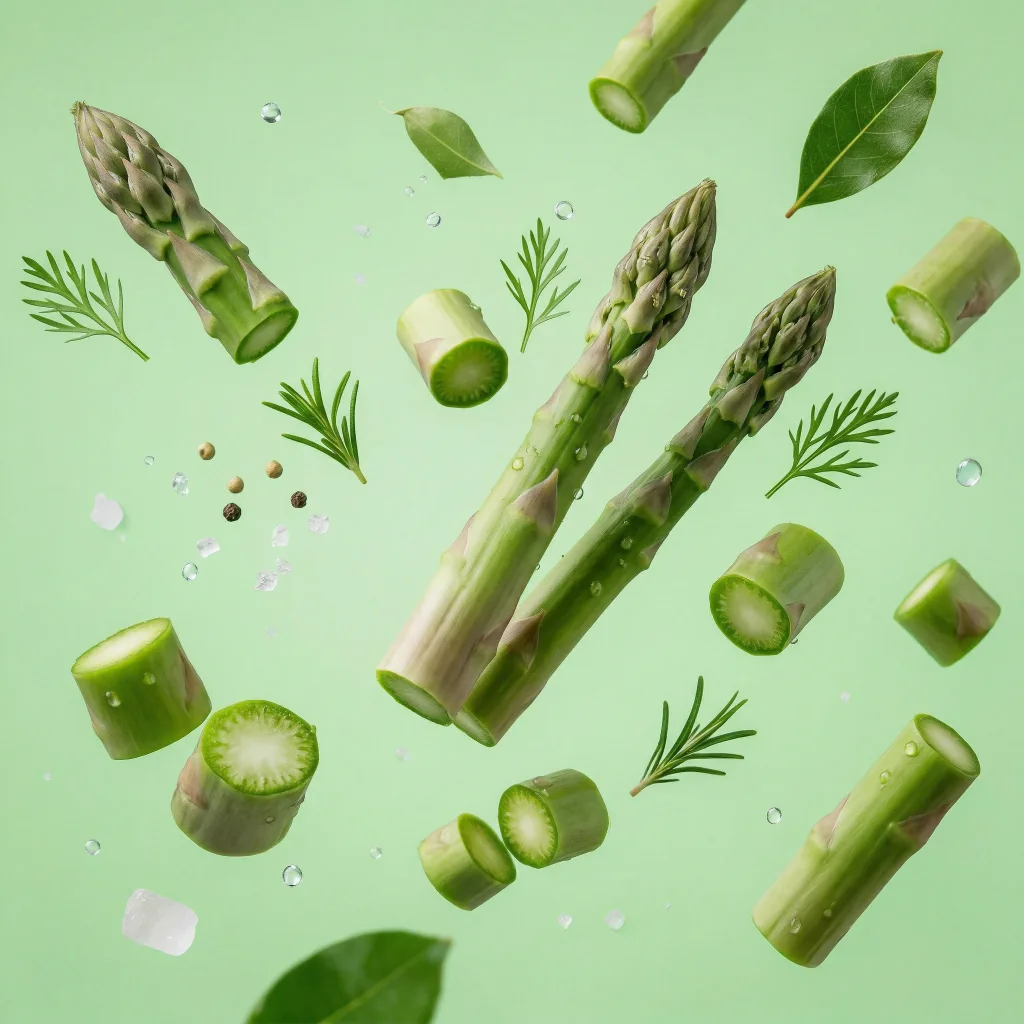
How to serve: Spears or small pieces — chewing well established.
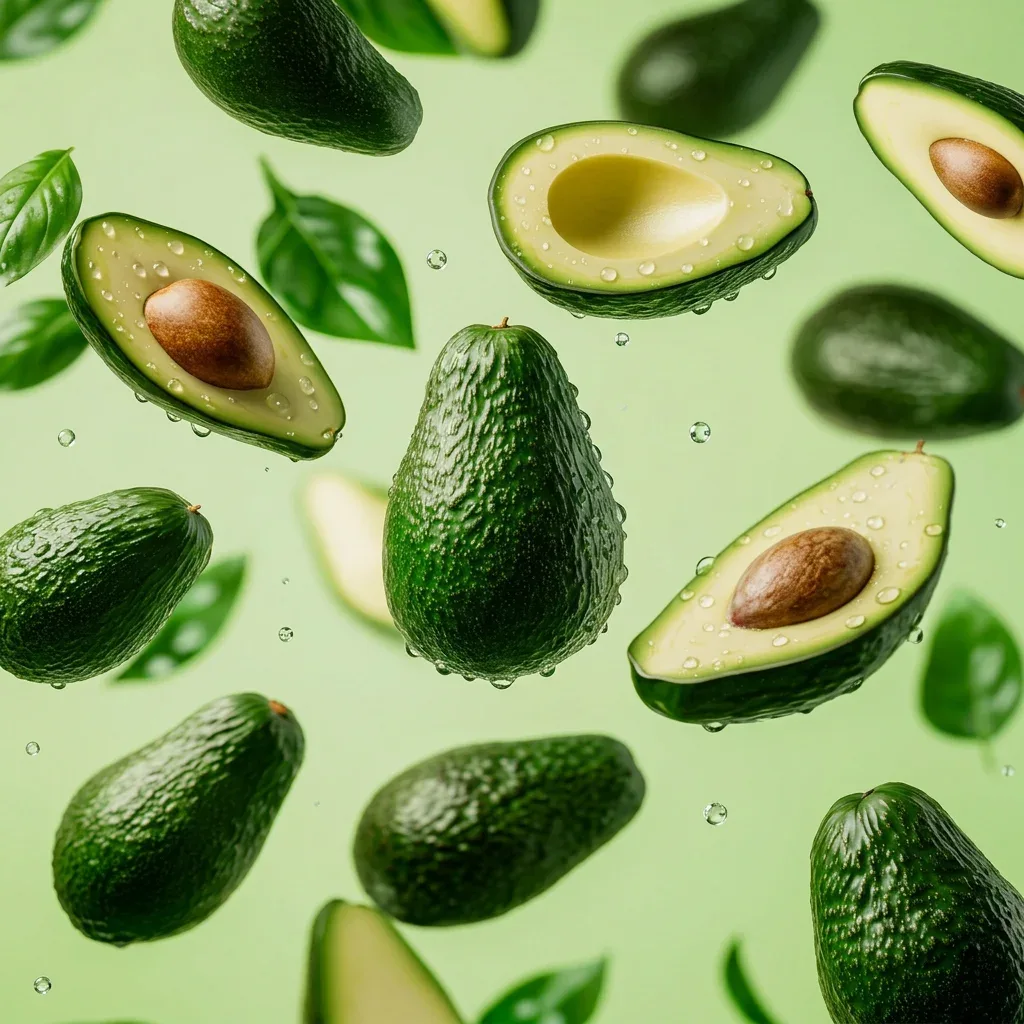
How to serve: Small wedges or cubes they can self-feed.
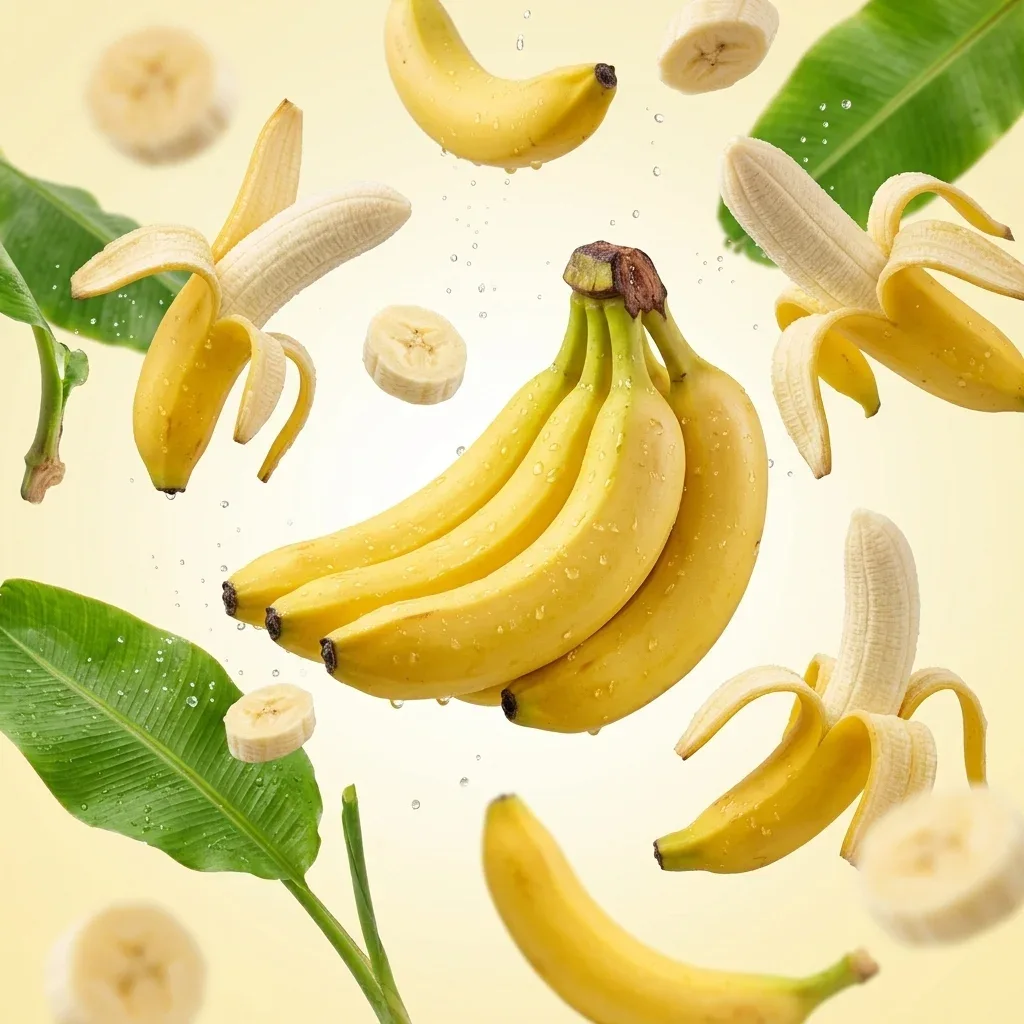
How to serve: Small bite-size chunks they can pick up themselves.
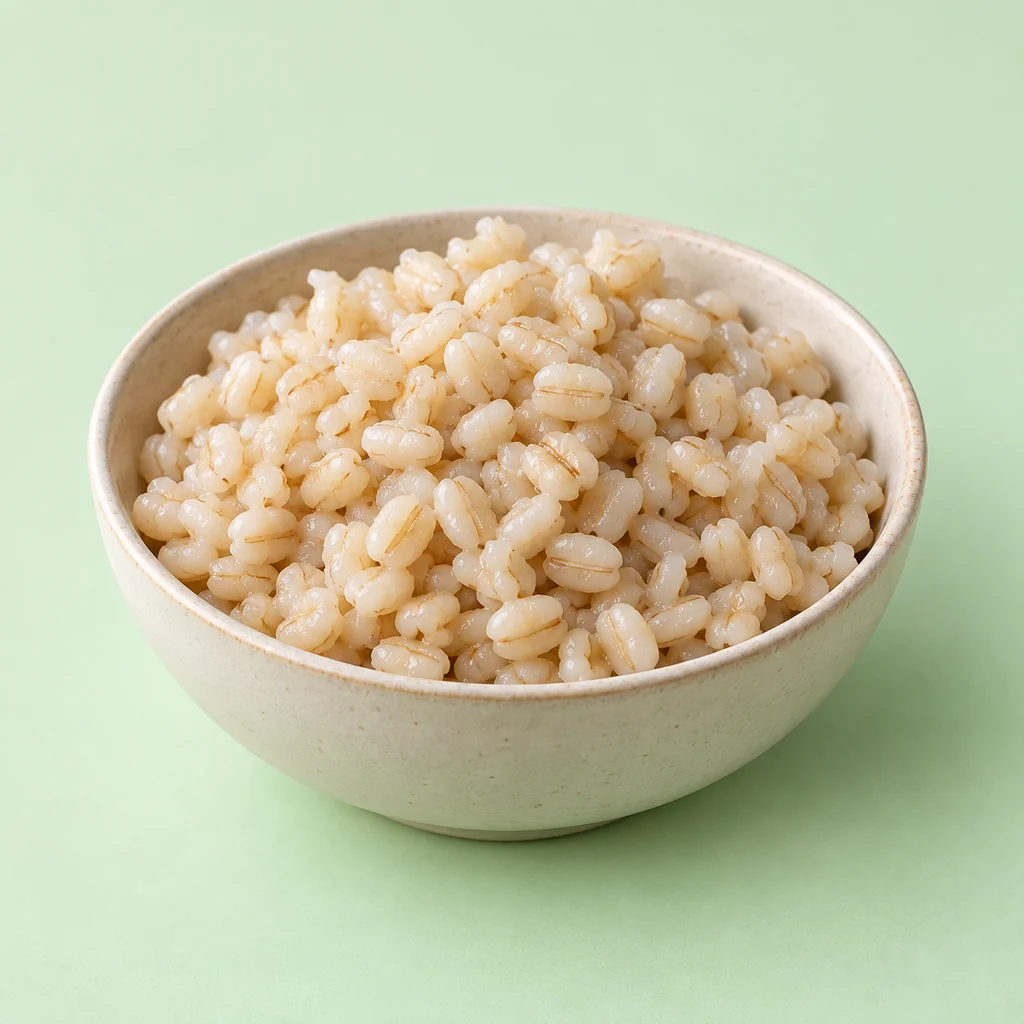
How to serve: Cooked barley served as part of their meal.

How to serve: Small soft pieces — meatballs, patties, or minced mixed into family meals.
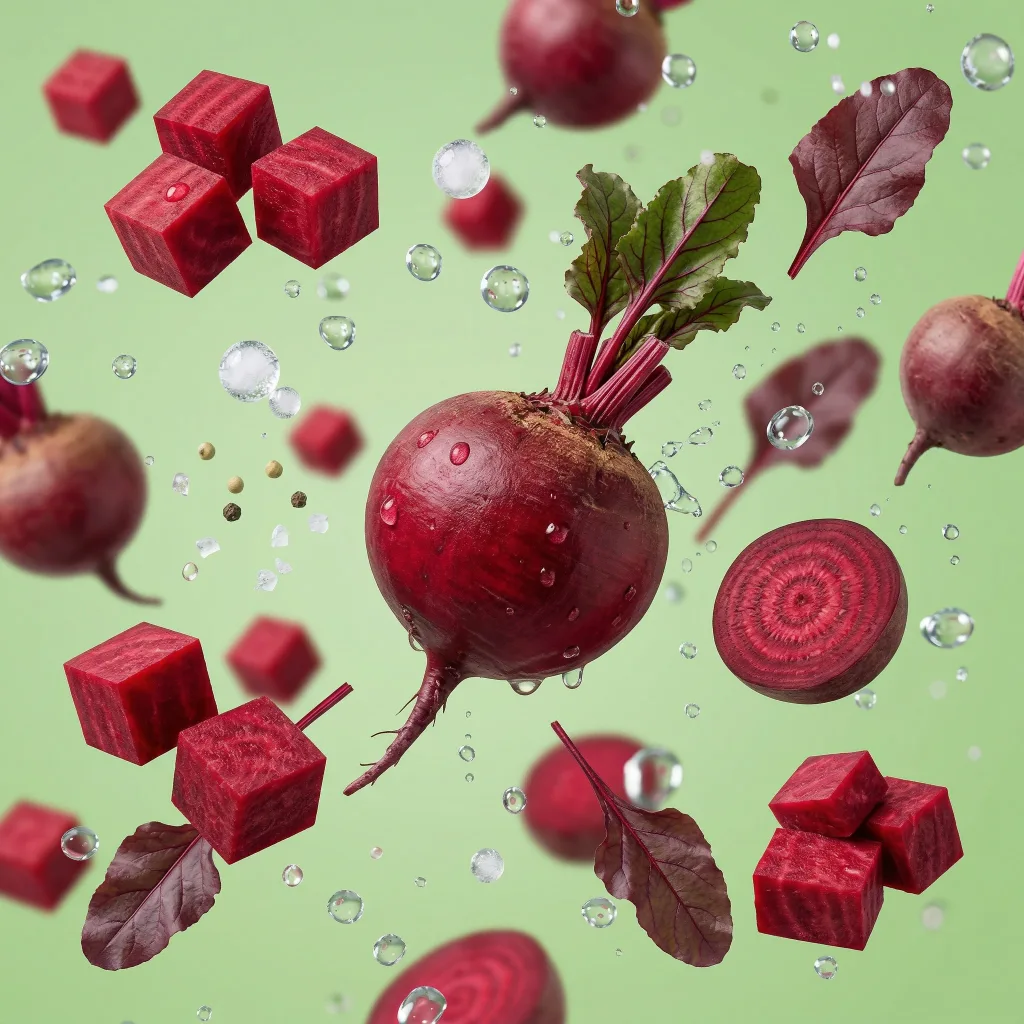
How to serve: Bite-size roasted cubes as a colourful finger food.

How to serve: Remove stem, seeds and pith. Offer narrow strips; if firm, steam or simmer until soft enough to bite and manage.

How to serve: Mashed or lightly mashed beans served with their meal.

How to serve: Cut each ripe blackberry lengthways into quarters.

How to serve: Quarter each blueberry lengthways.
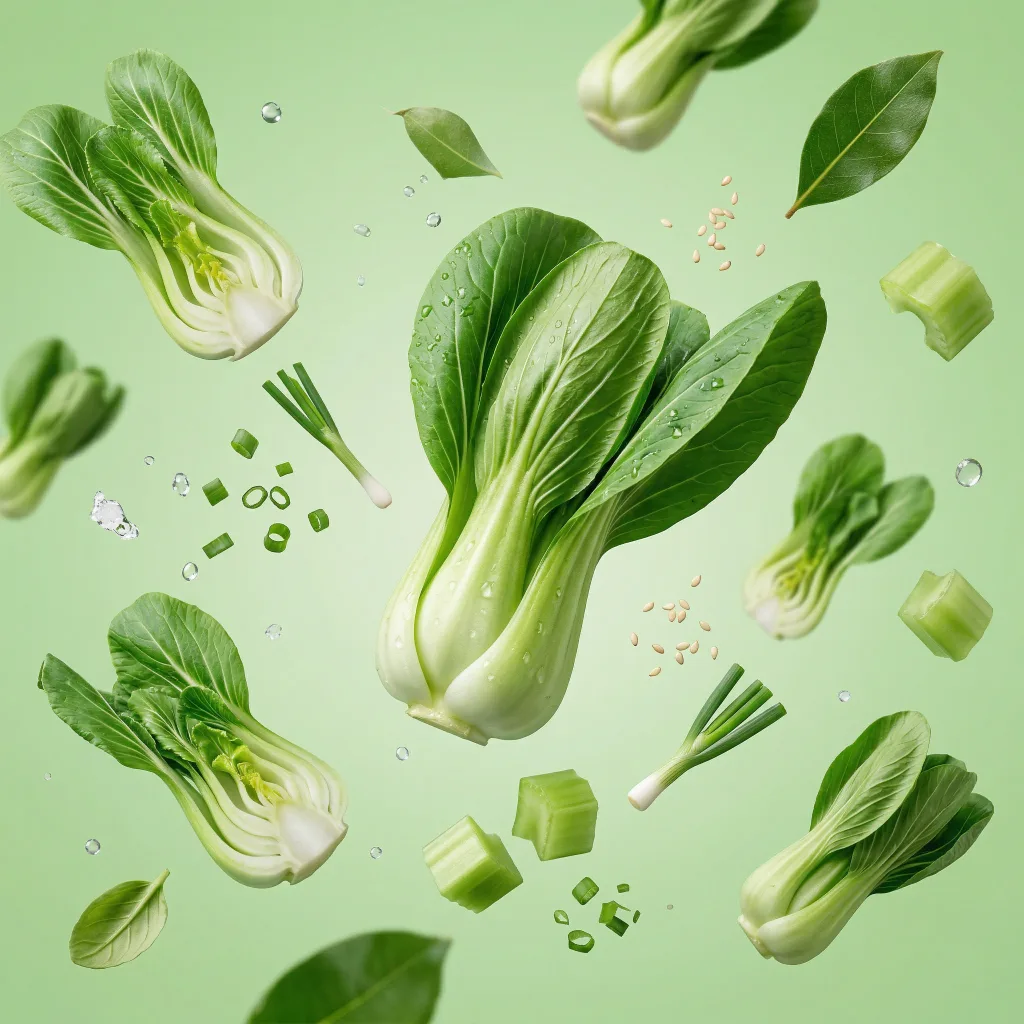
How to serve: Bite-size pieces — crisp stems soft enough when stir-fried.

How to serve: Cook until very soft, split or flatten each broad bean, and remove any tough skins.

How to serve: Small bite-size florets.
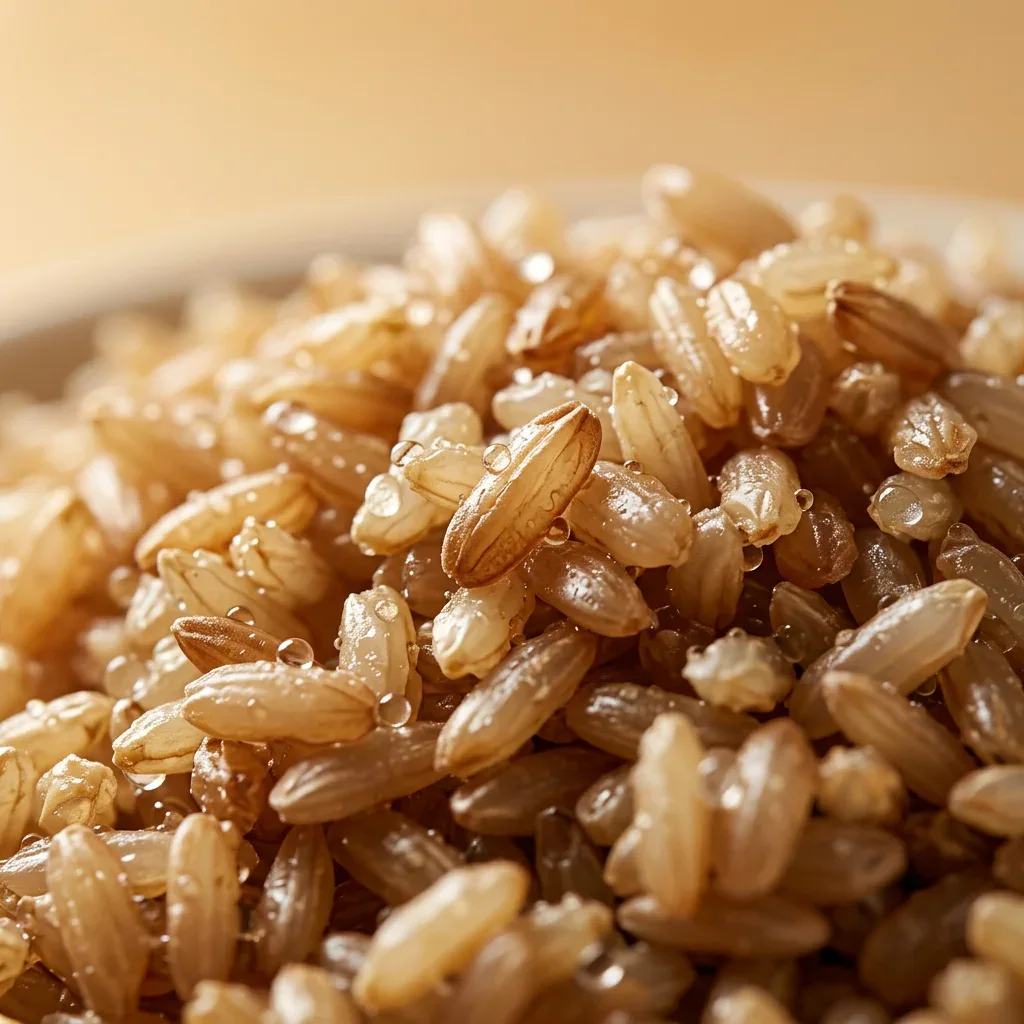
How to serve: Regular cooked rice served with their meal.
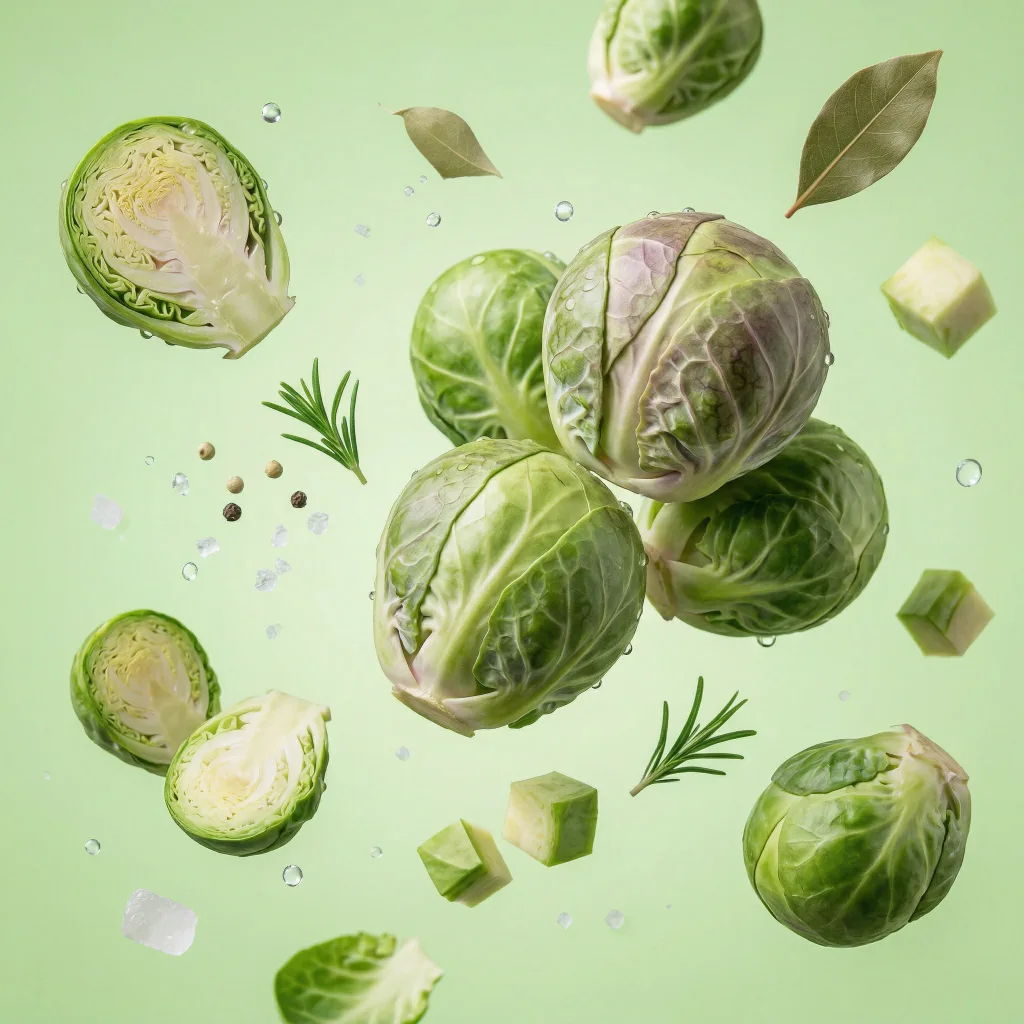
How to serve: Cook until the leaves and core are very soft, then quarter each Brussels sprout lengthways.

How to serve: Cooked buckwheat served as part of their meal.
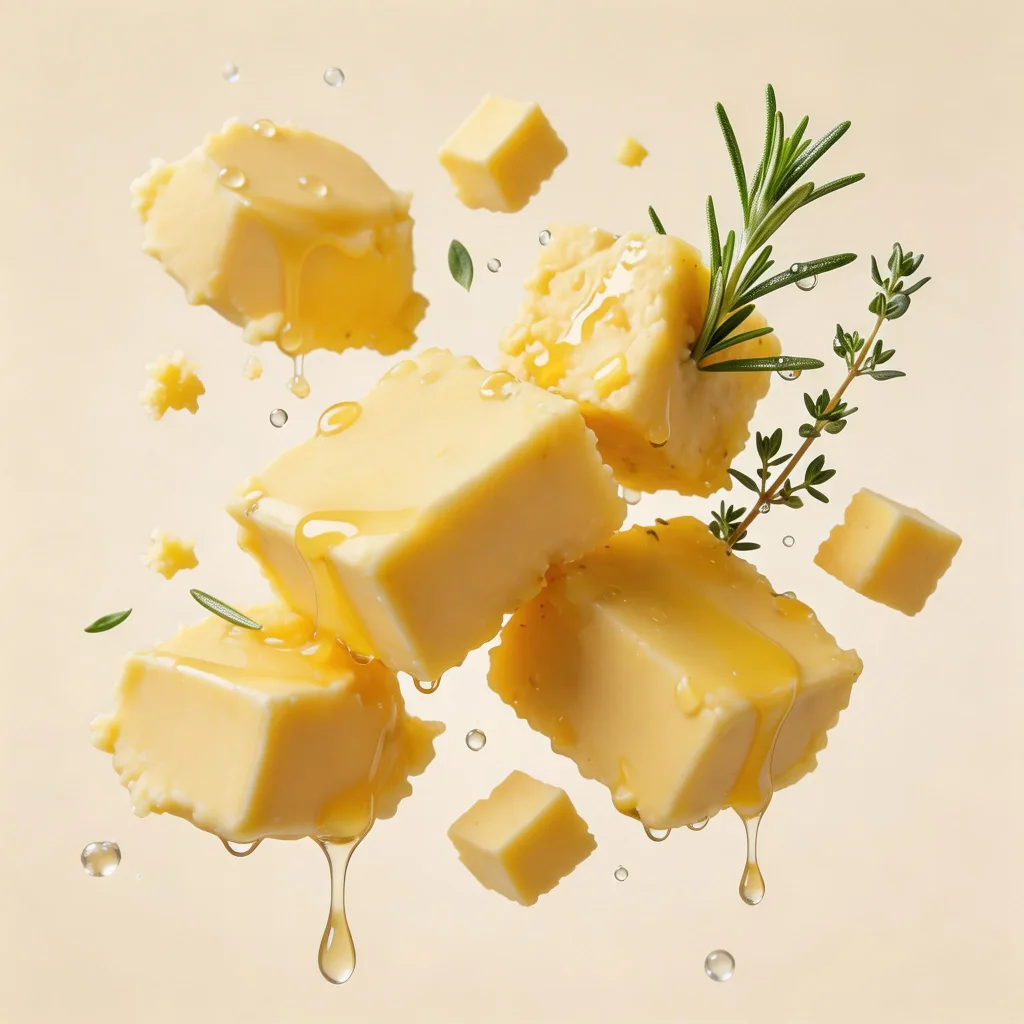
How to serve: Use in cooking, on toast, or stirred into meals.

How to serve: Cook until very soft, break each butter bean into small pieces and flatten lightly.
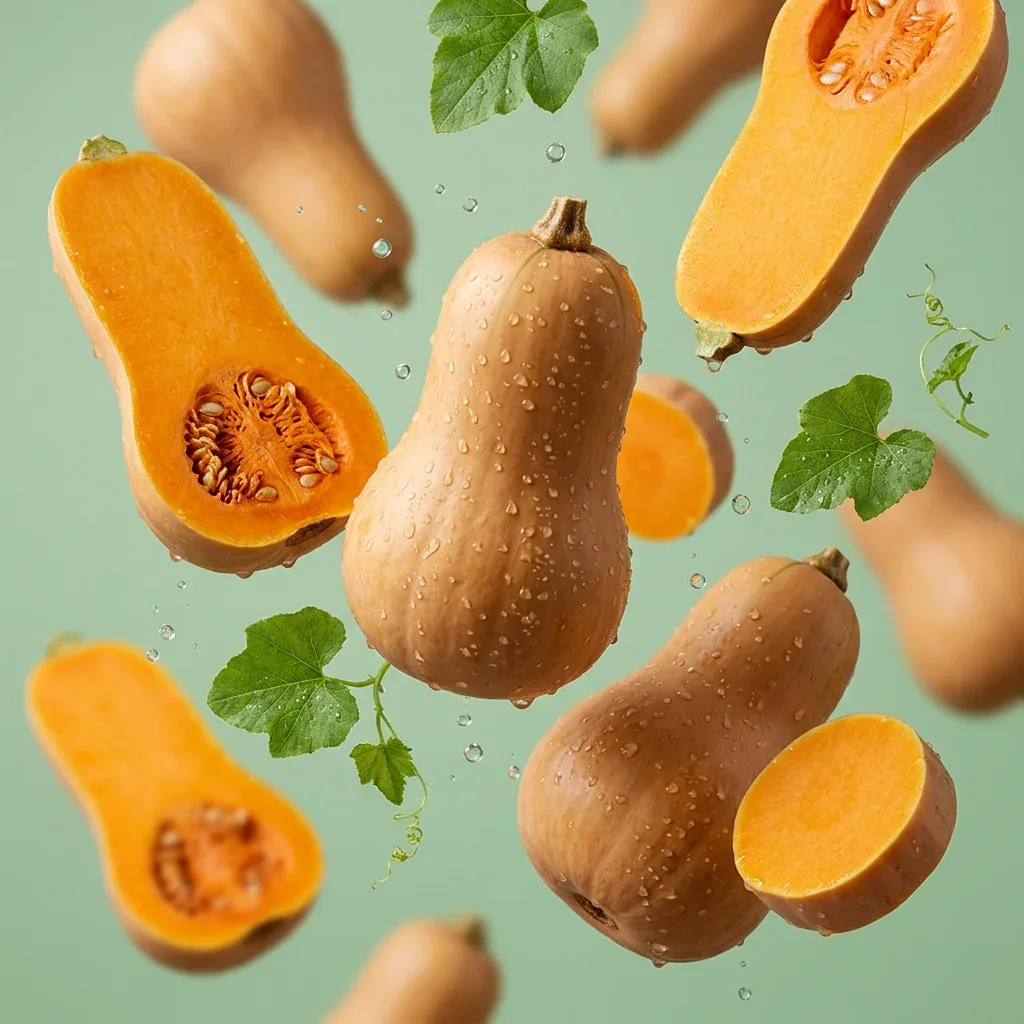
How to serve: Bite-size cubes they can pick up with a pincer grip.
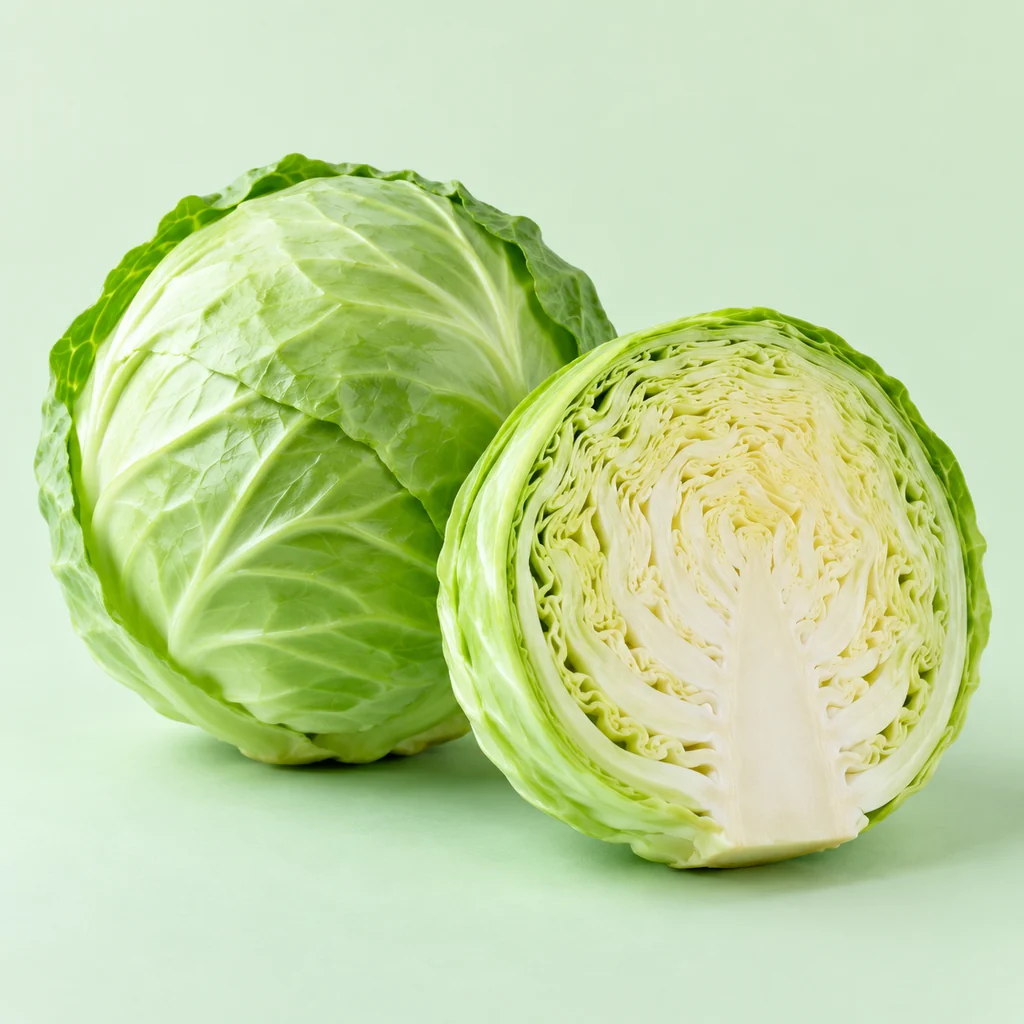
How to serve: Soft cooked pieces as part of a meal or mixed into stews.
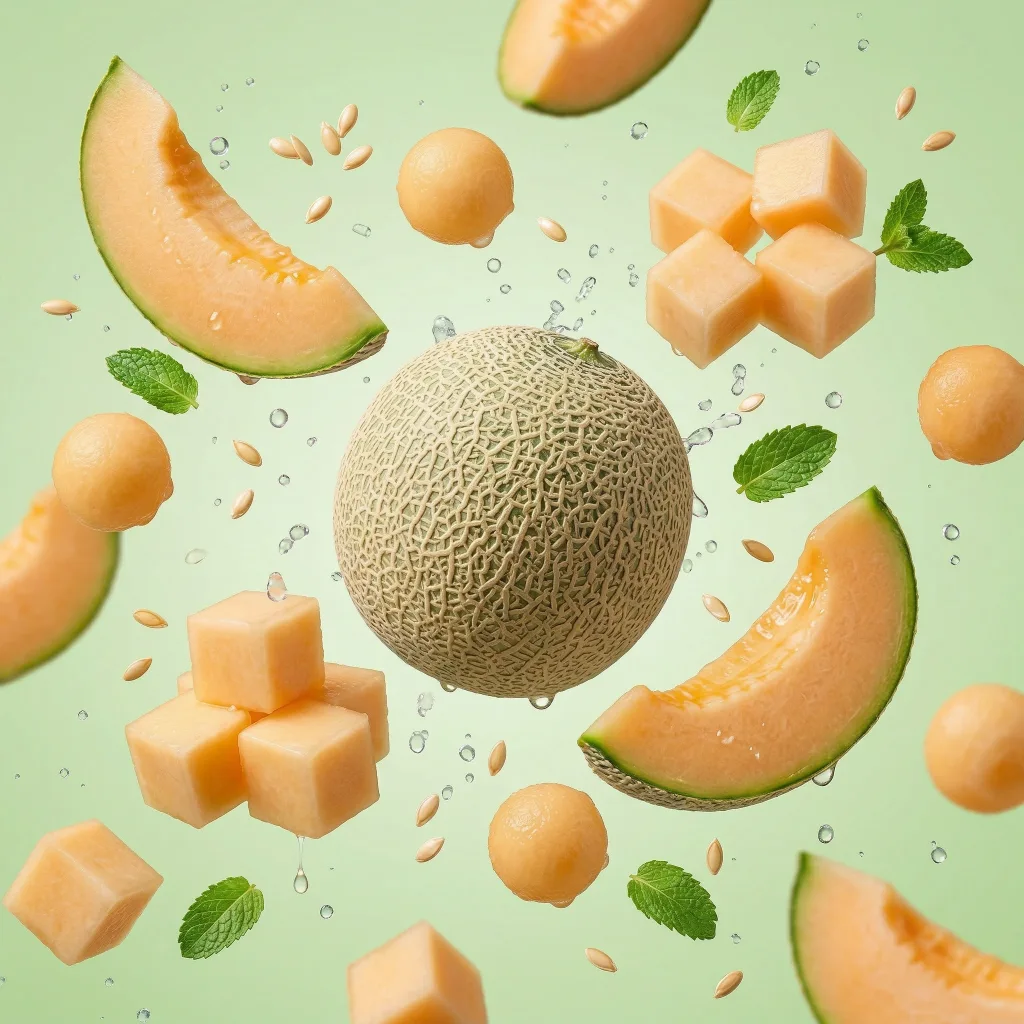
How to serve: Bite-size pieces as a refreshing finger food.

How to serve: Bite-size pieces — soft enough to chew.
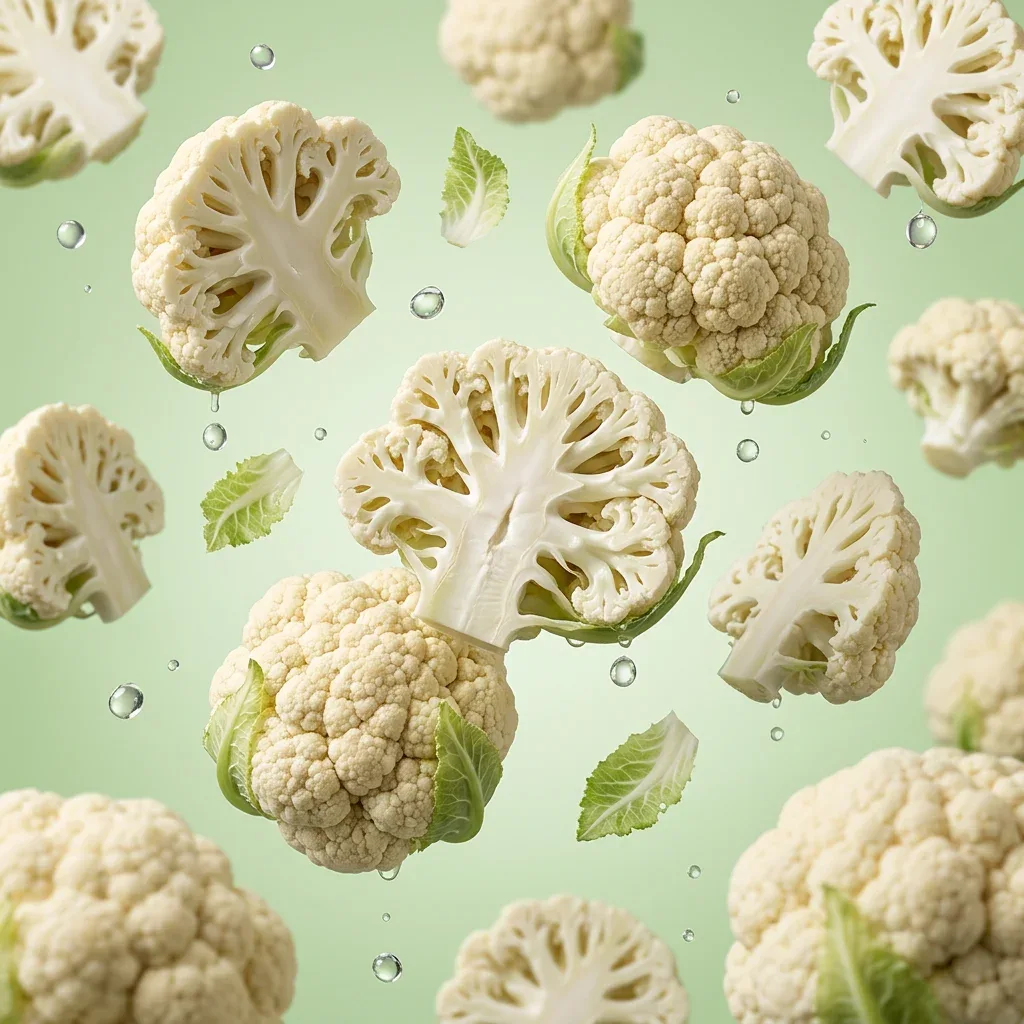
How to serve: Bite-size florets they can pick up.
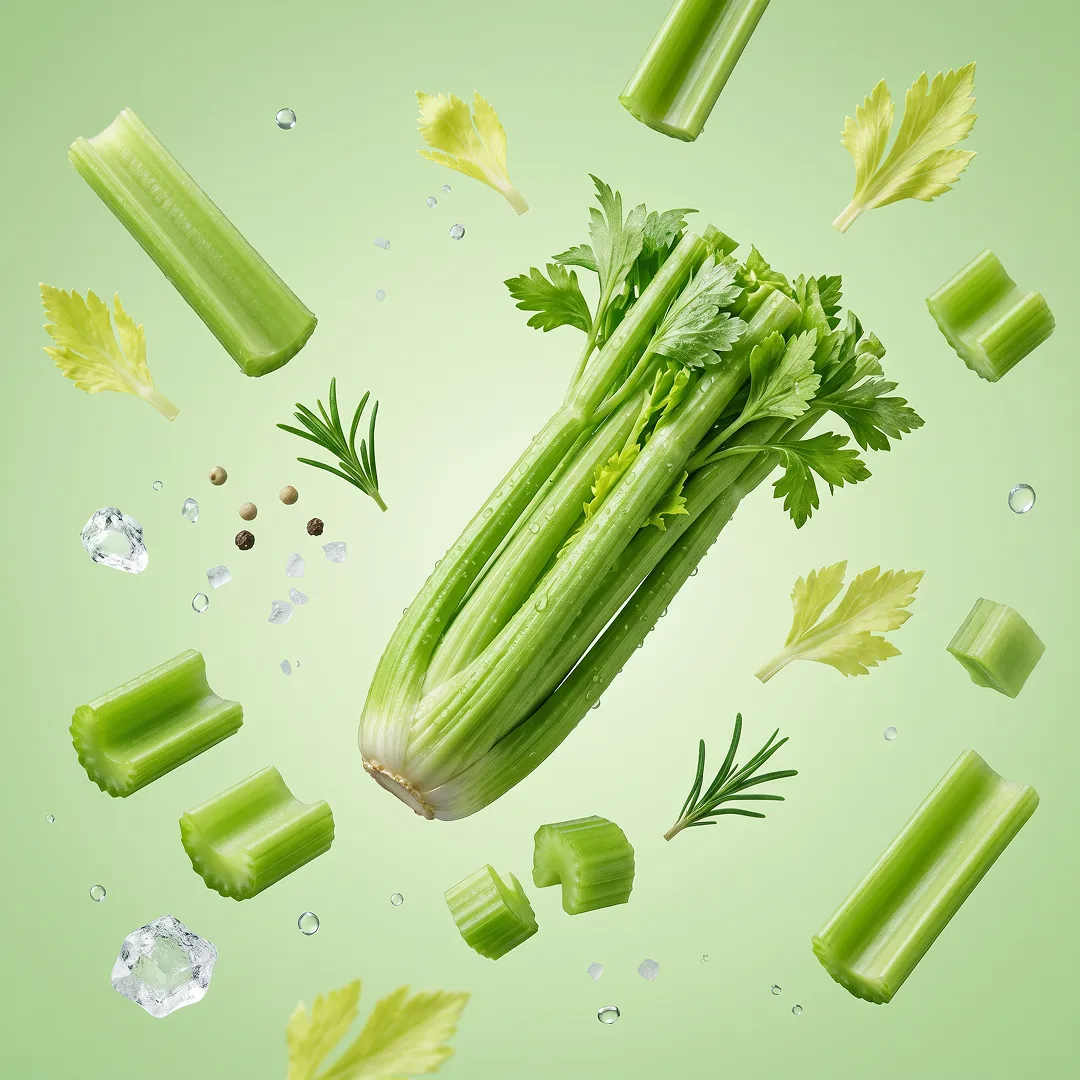
How to serve: Soft cooked celery sticks with strings removed, or mixed into soups and stews.
Raw celery is a high choking hazard for babies and toddlers — always cook until very soft. The stringy fibres must also be removed before serving.
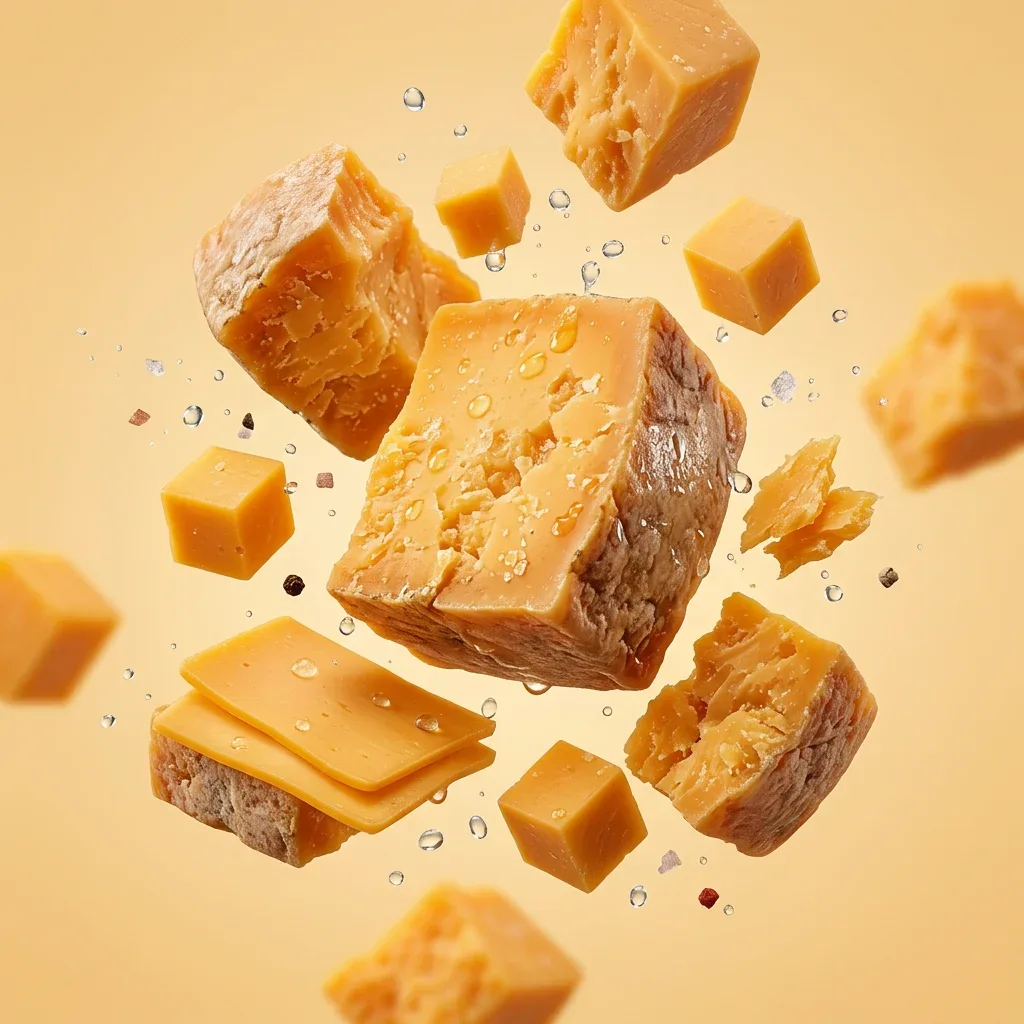
How to serve: Small cubes or strips for easy finger eating.

How to serve: Remove every stone and cut each cherry lengthways into quarters.
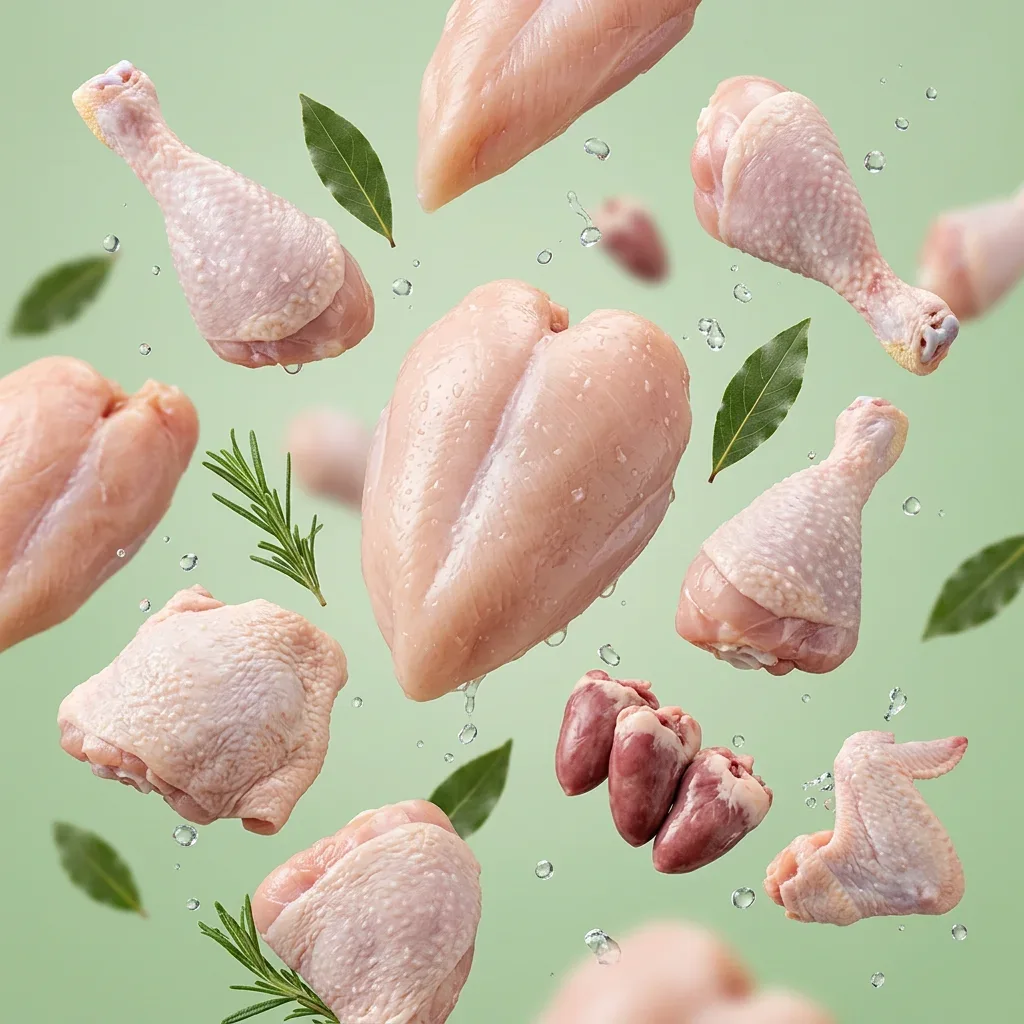
How to serve: Small soft pieces they can chew independently.

How to serve: Tiny pieces mixed into mashed foods — strong flavour goes a long way.
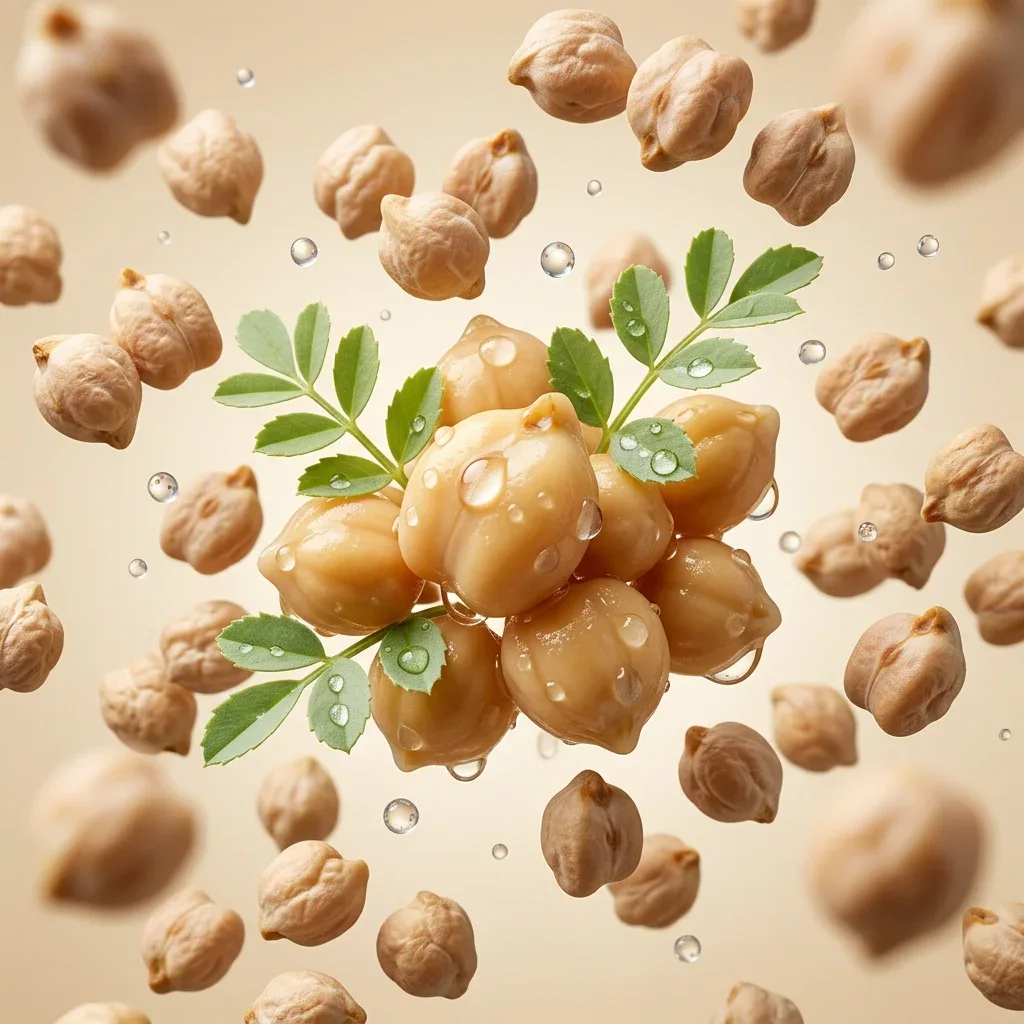
How to serve: Mashed or flattened chickpeas — never serve whole before 12 months.

How to serve: Soft fresh coconut pieces as finger food, or coconut-based dishes.
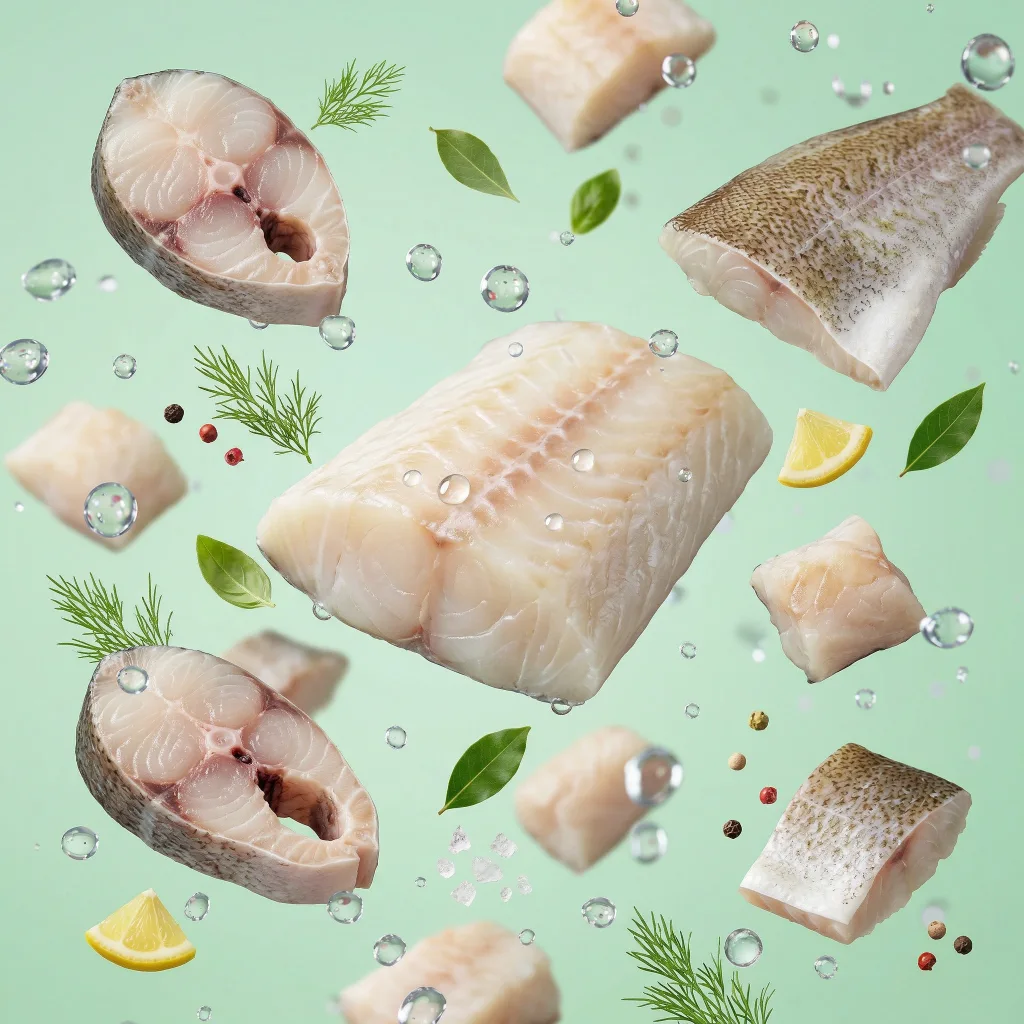
How to serve: Small flaked pieces — check for bones each time.
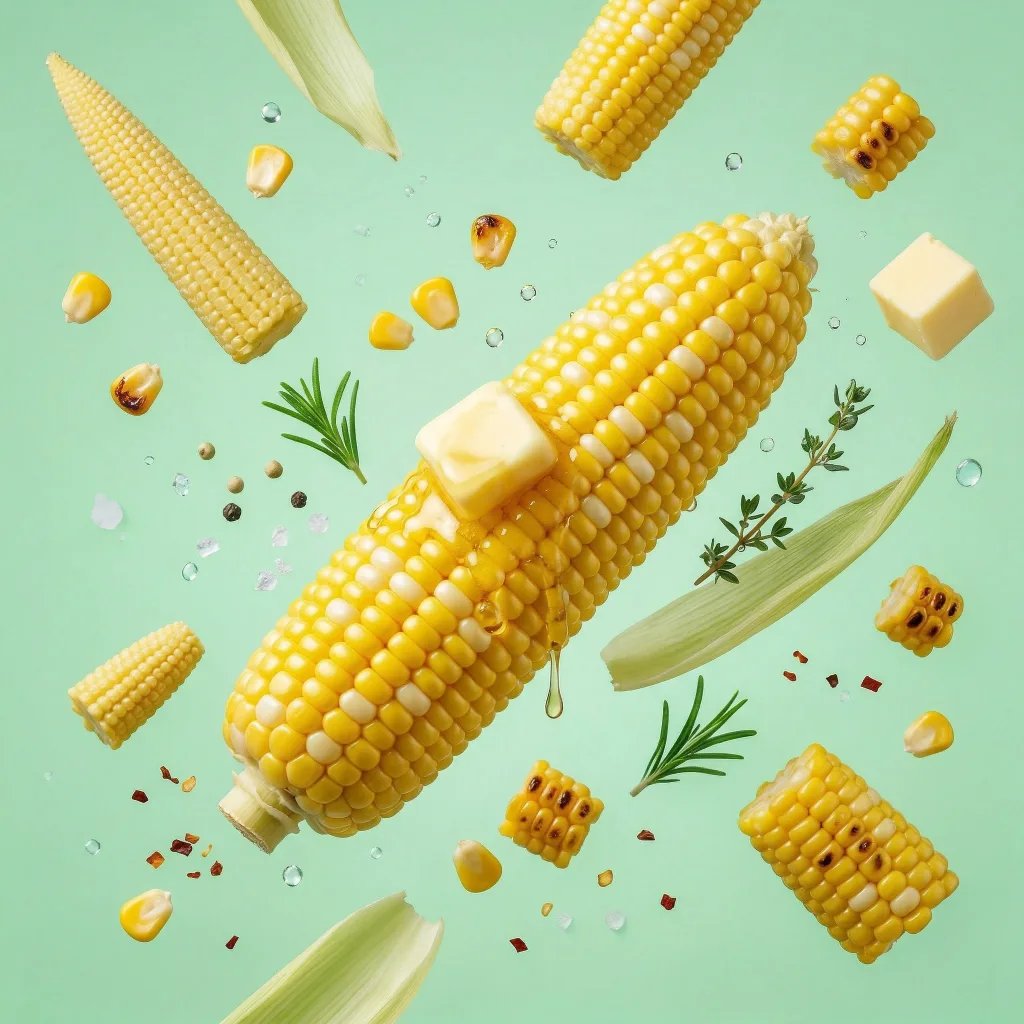
How to serve: Small soft kernel pieces — chewing must be established.
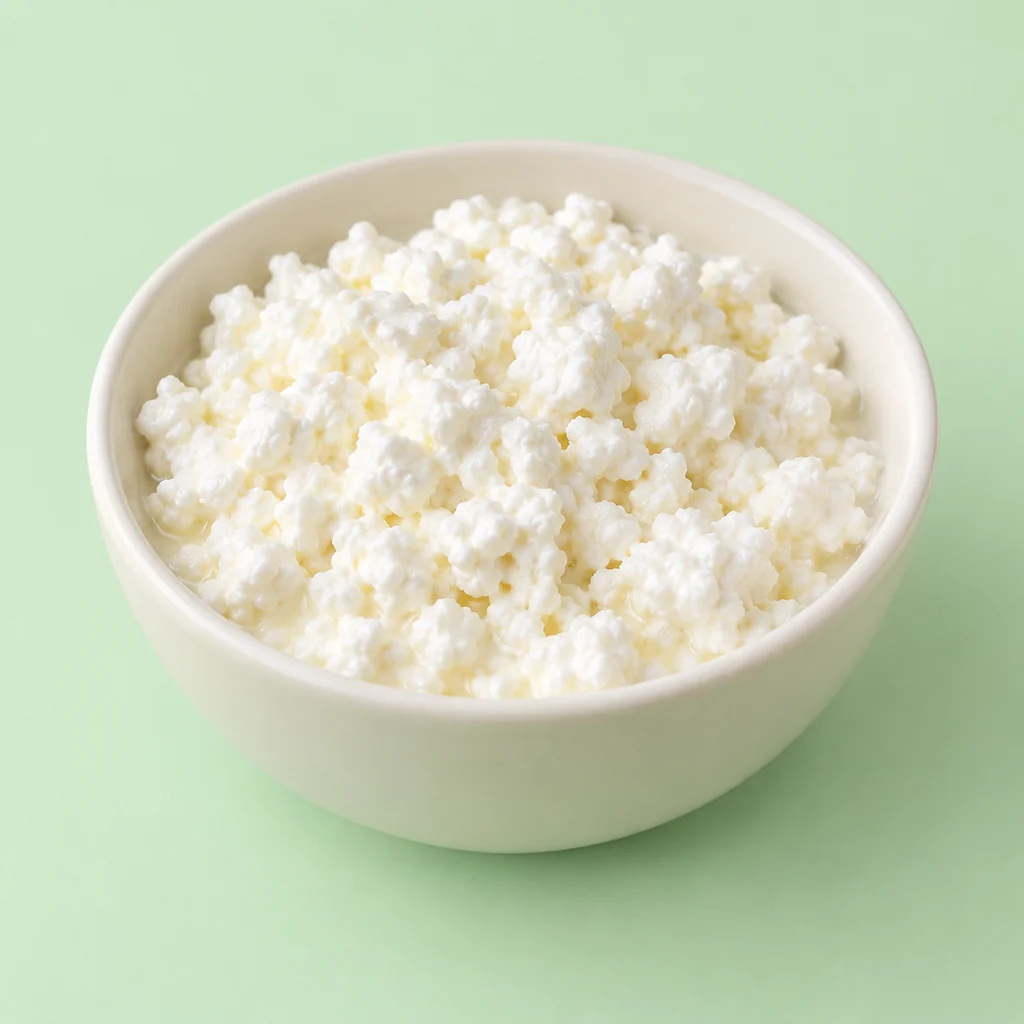
How to serve: Choose pasteurised full-fat cheese. Mixed into meals or served with soft finger foods.
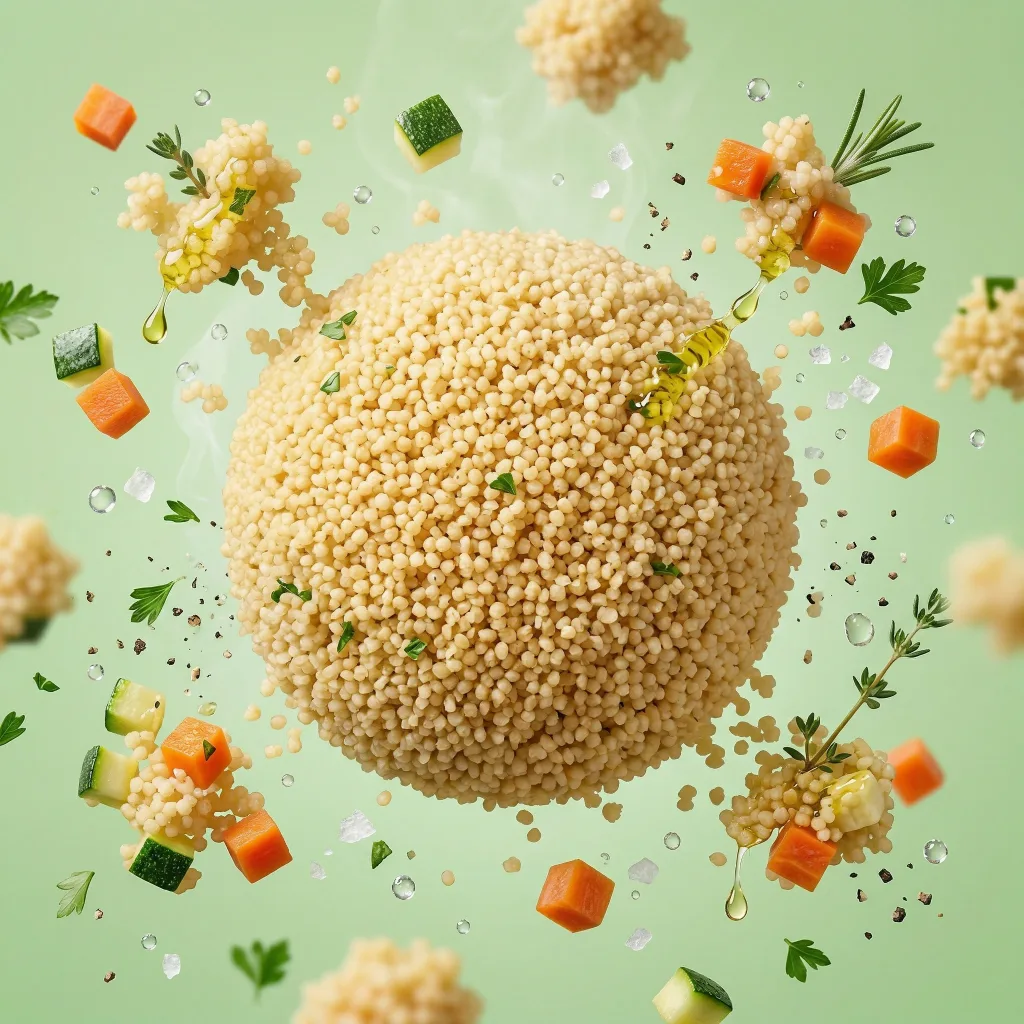
How to serve: Normal serving as a side dish.
How to serve: Choose pasteurised full-fat cheese. Spread on toast, crackers, or used as a dip.
How to serve: Normal porridge serving.
How to serve: Thin slices or sticks with or without peel.
How to serve: Remove every stone, soften if needed and chop very finely into moist food or use as a paste.
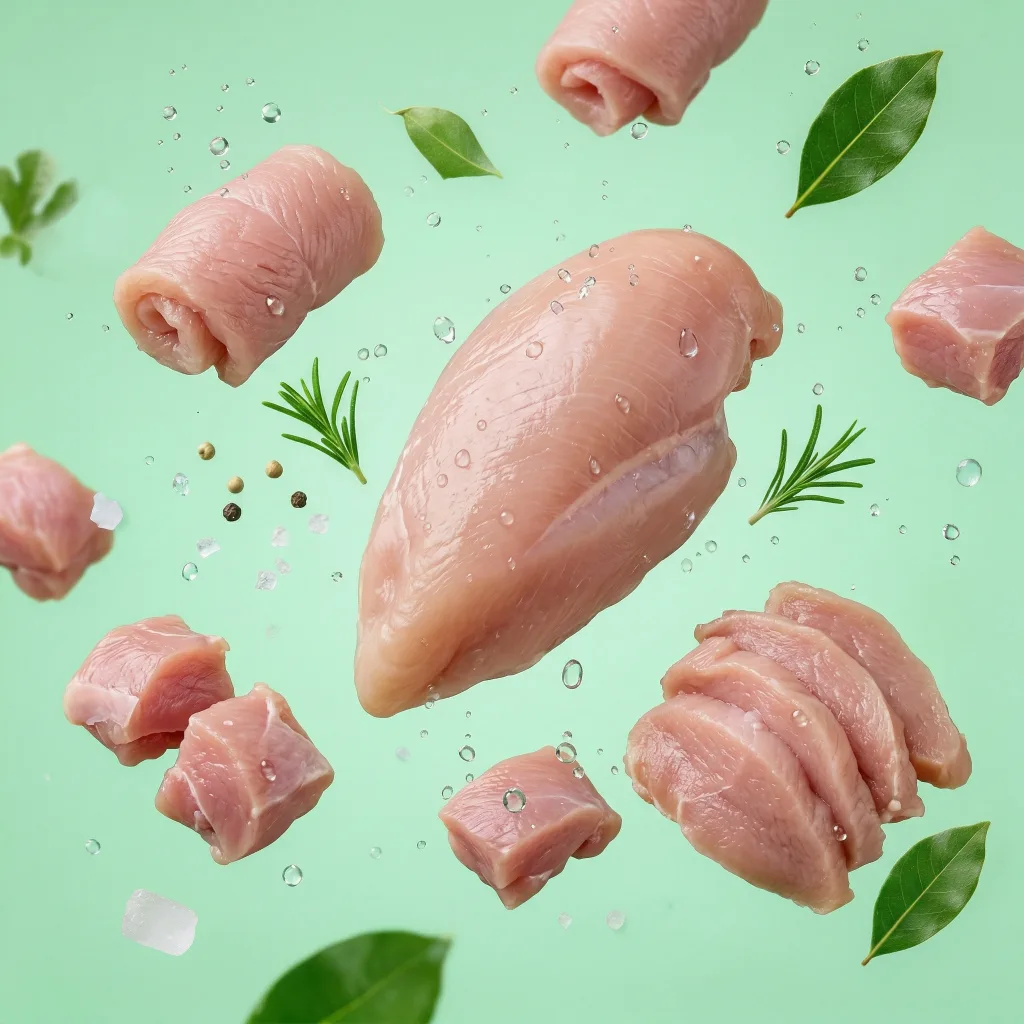
How to serve: Small bite-size pieces — use leg meat which stays tender.

How to serve: Mashed or halved beans — never whole before 12 months.
Whole edamame beans can be a choking hazard. Always remove from pods and mash before serving.

How to serve: Offer small pieces of fully cooked scrambled egg or omelette strips.
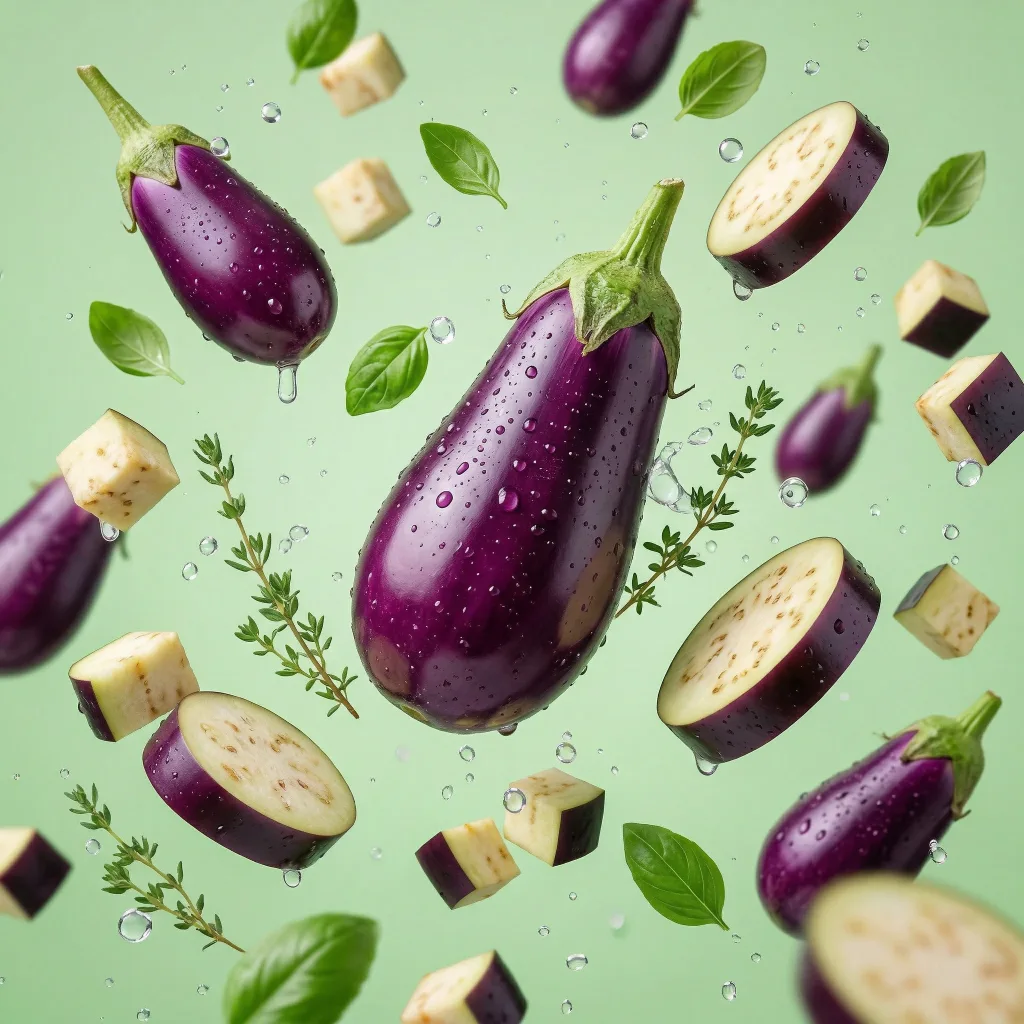
How to serve: Bite-size roasted pieces.
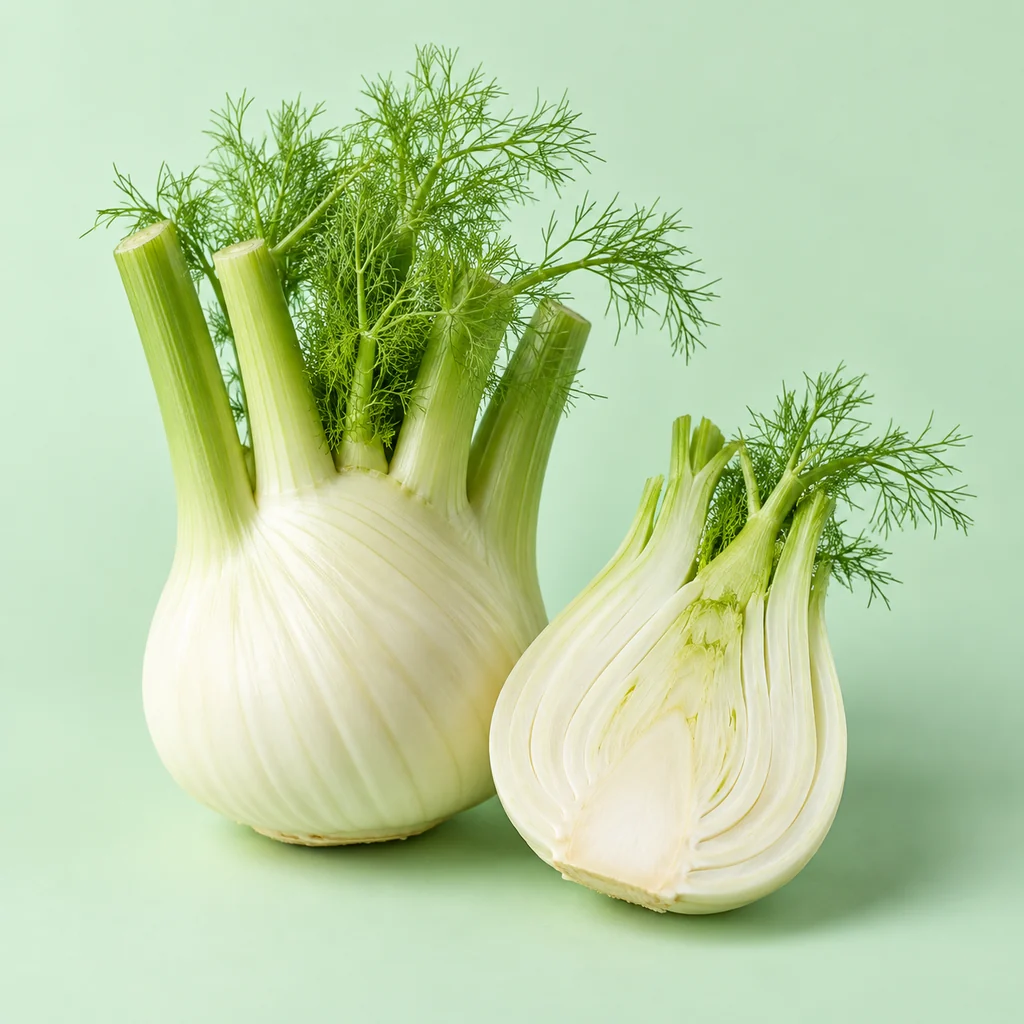
How to serve: Soft fennel pieces as finger food or sliced into a meal.
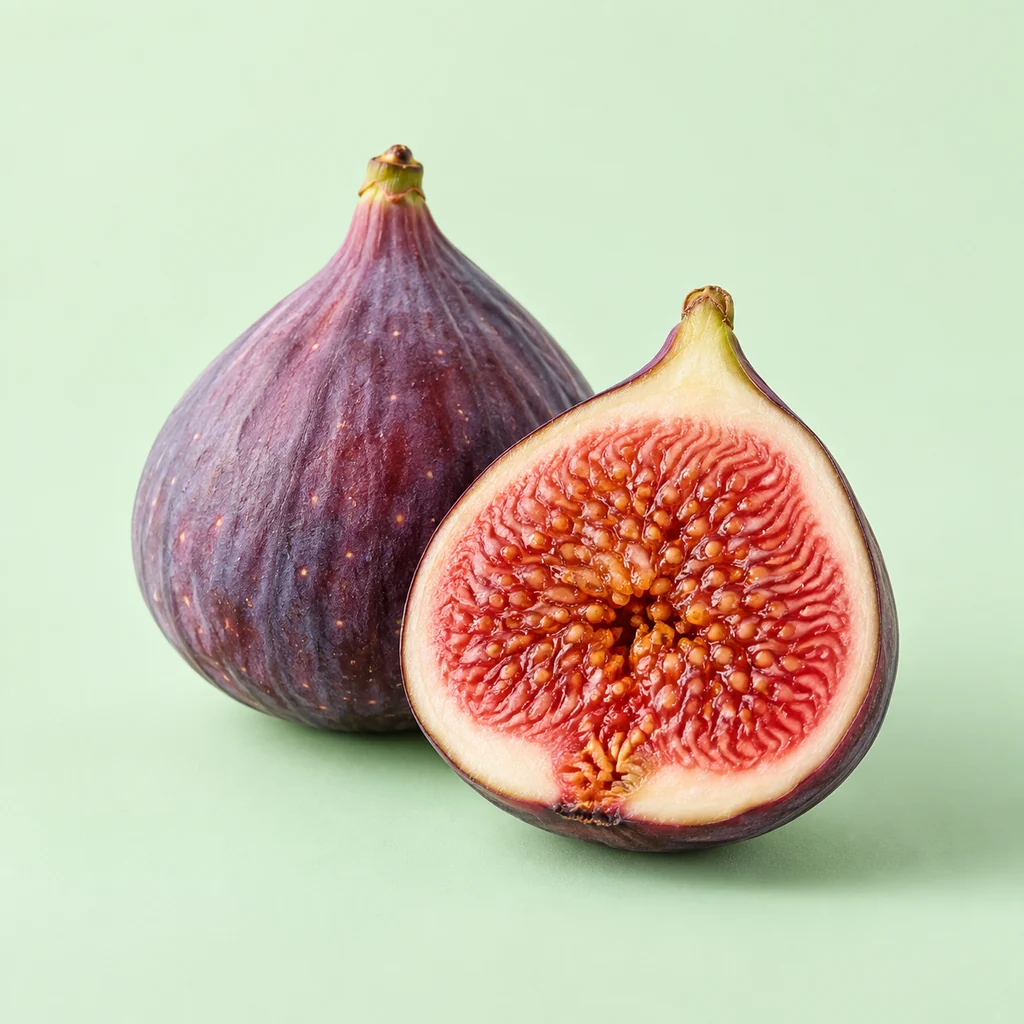
How to serve: Bite-size pieces with skin on.
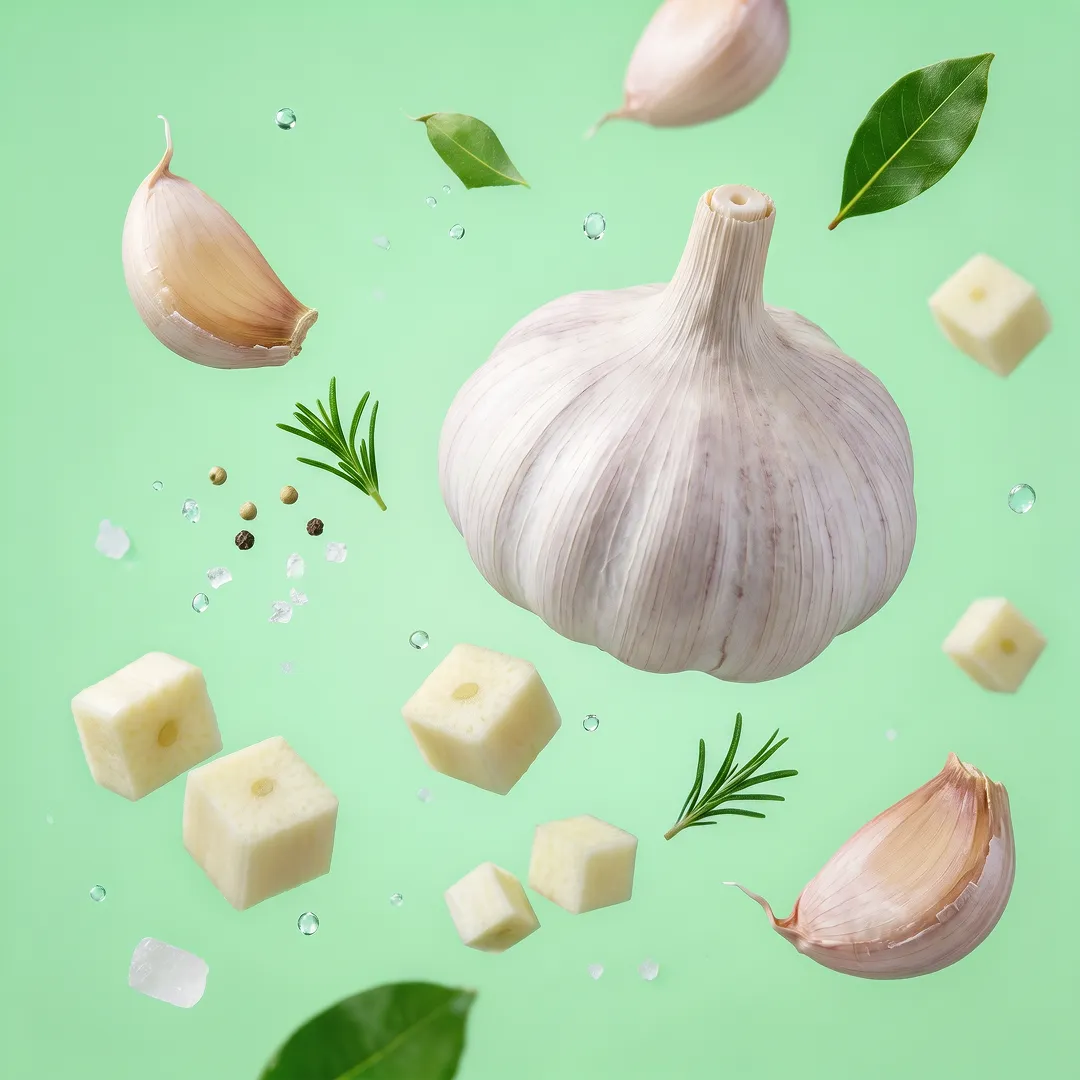
How to serve: Use freely in all cooked family meals as a flavouring ingredient.
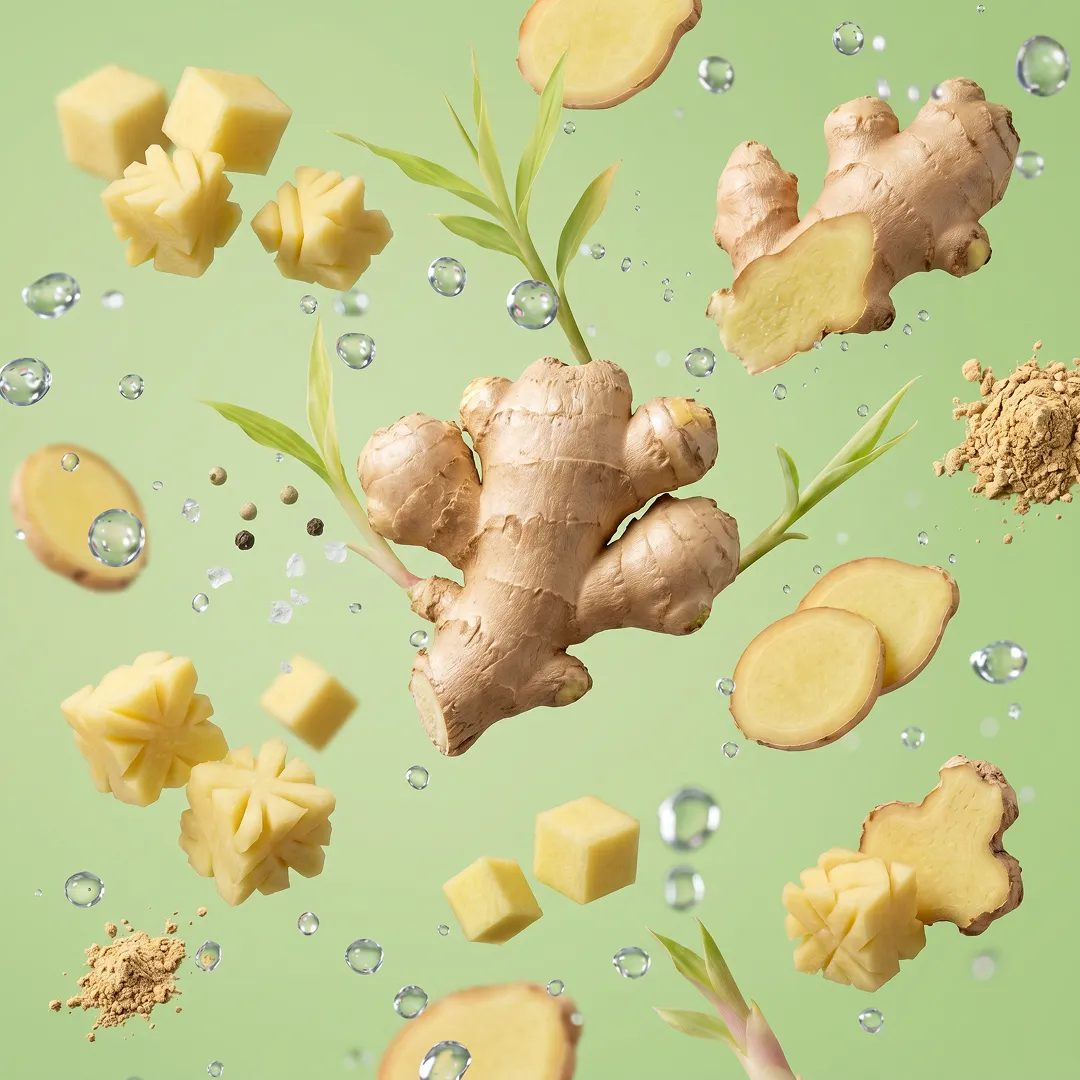
How to serve: Use in all family meals as a flavouring. Babies who accepted it early will enjoy ginger-flavoured foods.
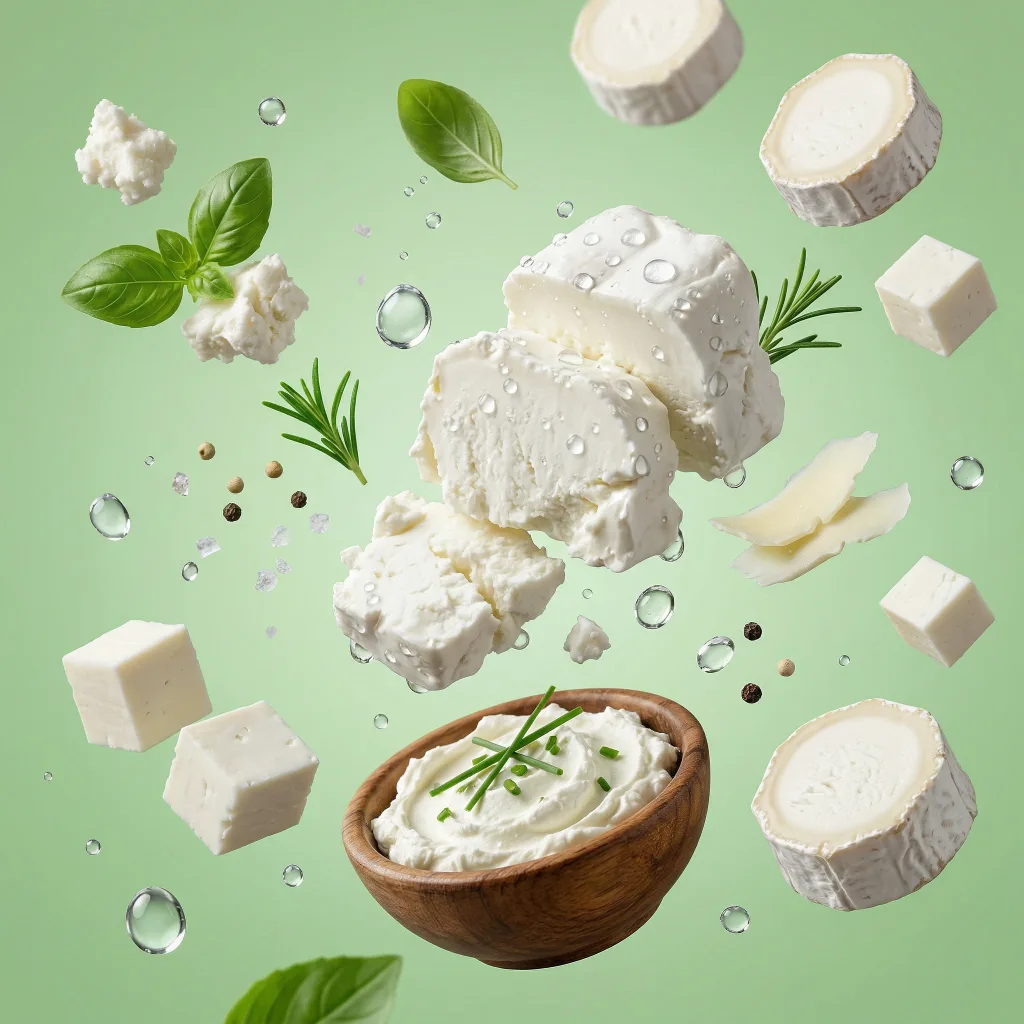
How to serve: Use a little pasteurised soft goats' cheese without a white rind as a spread or crumble into food.
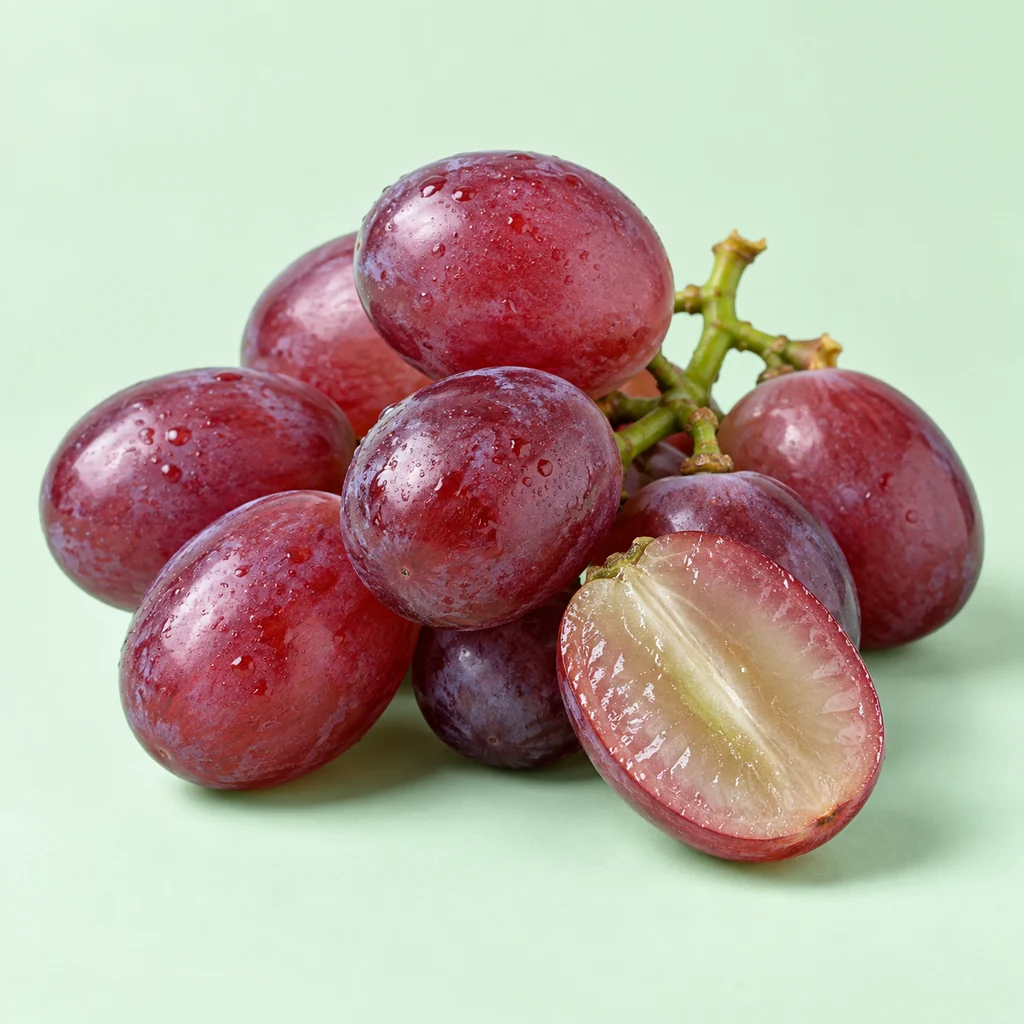
How to serve: Quarter grapes lengthways until at least 5 years old — whole grapes remain a choking hazard.
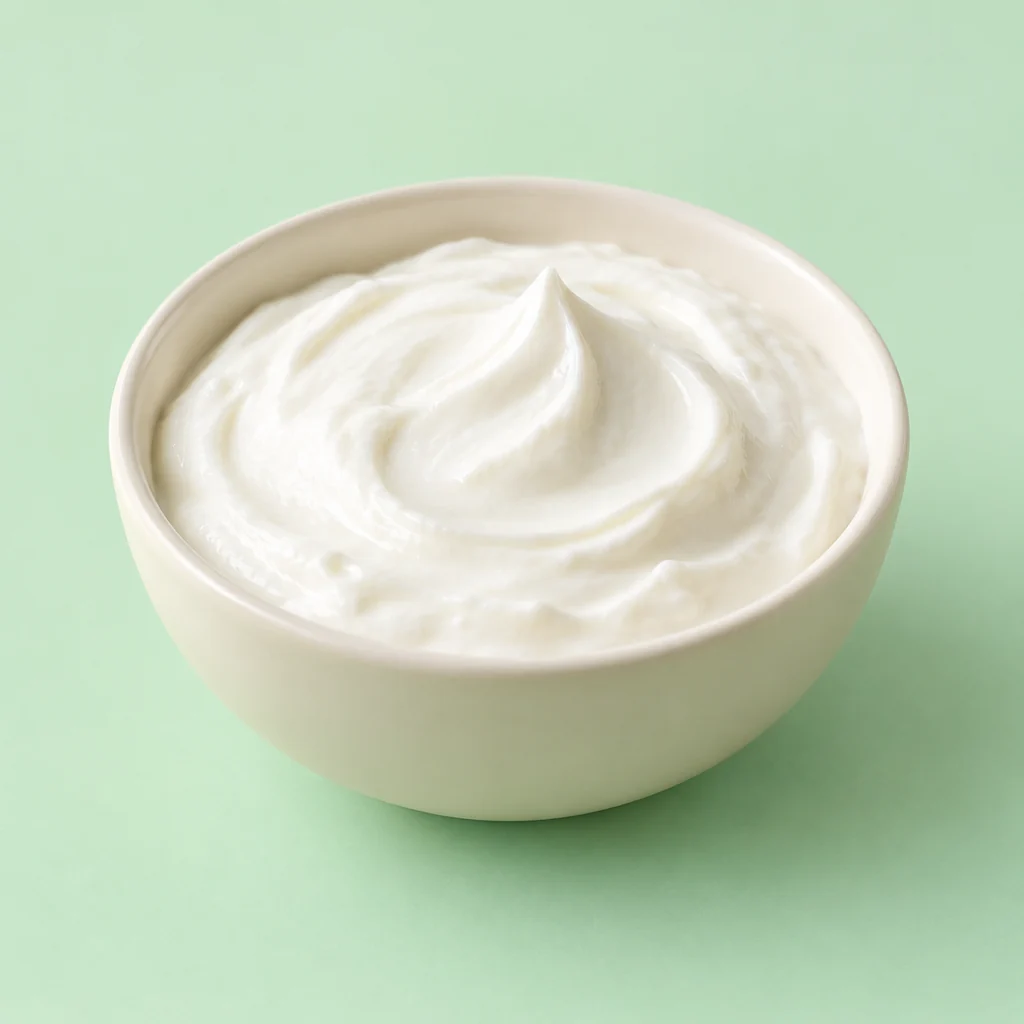
How to serve: Greek yogurt as a side, dip, or breakfast.

How to serve: Bite-size pieces they can pick up independently.
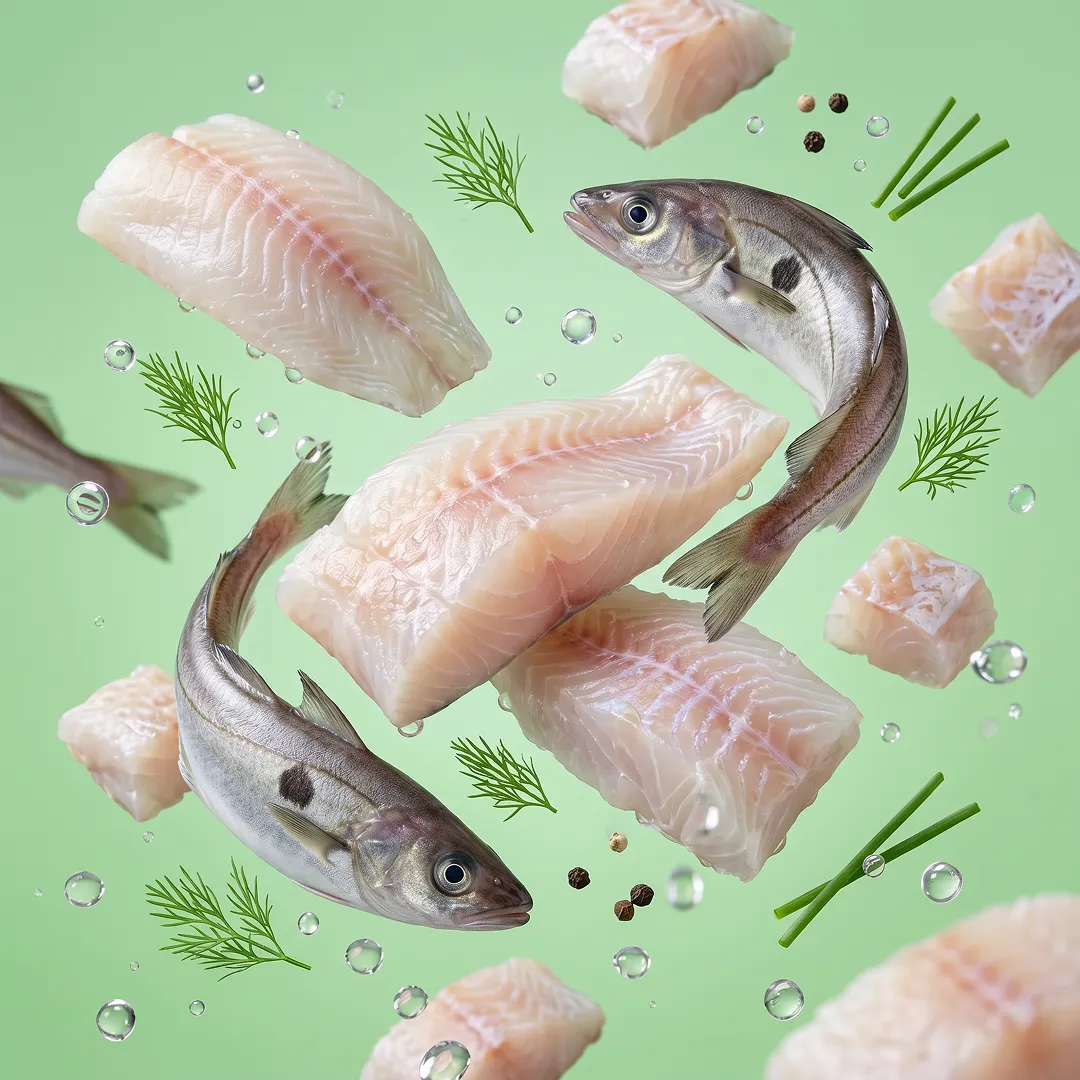
How to serve: Flaked haddock in family fish dishes, fish cakes, or pasta. Always check for bones.
Always check thoroughly for bones before serving fish to babies. Even boneless fish fillets can contain small pin bones — run your fingers along the flesh and remove any you find.
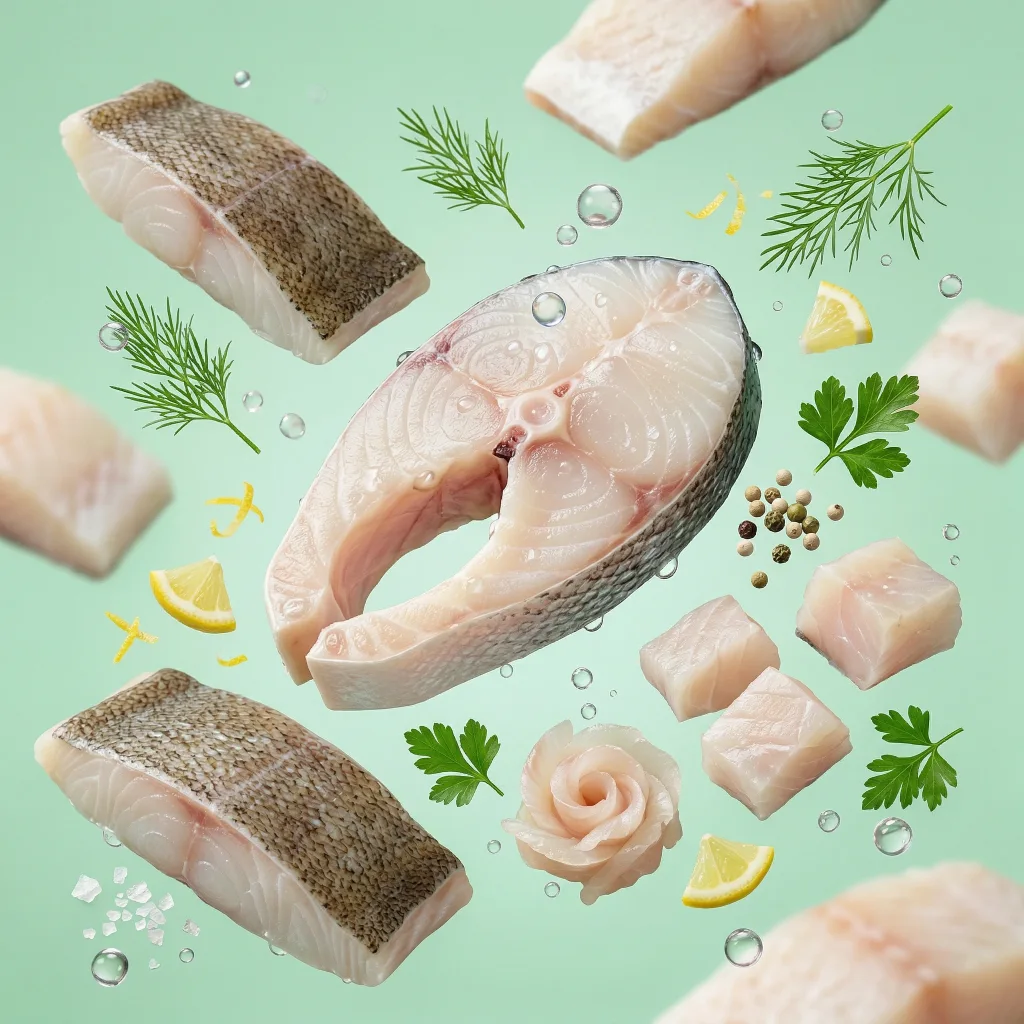
How to serve: Small bite-size flaked pieces.

How to serve: Small tender pieces — remove tough stems.

How to serve: Serve from a cup or mixed into meals.

How to serve: Mashed or lightly crushed beans served with meals.

How to serve: Bite-size pieces including skin if preferred.
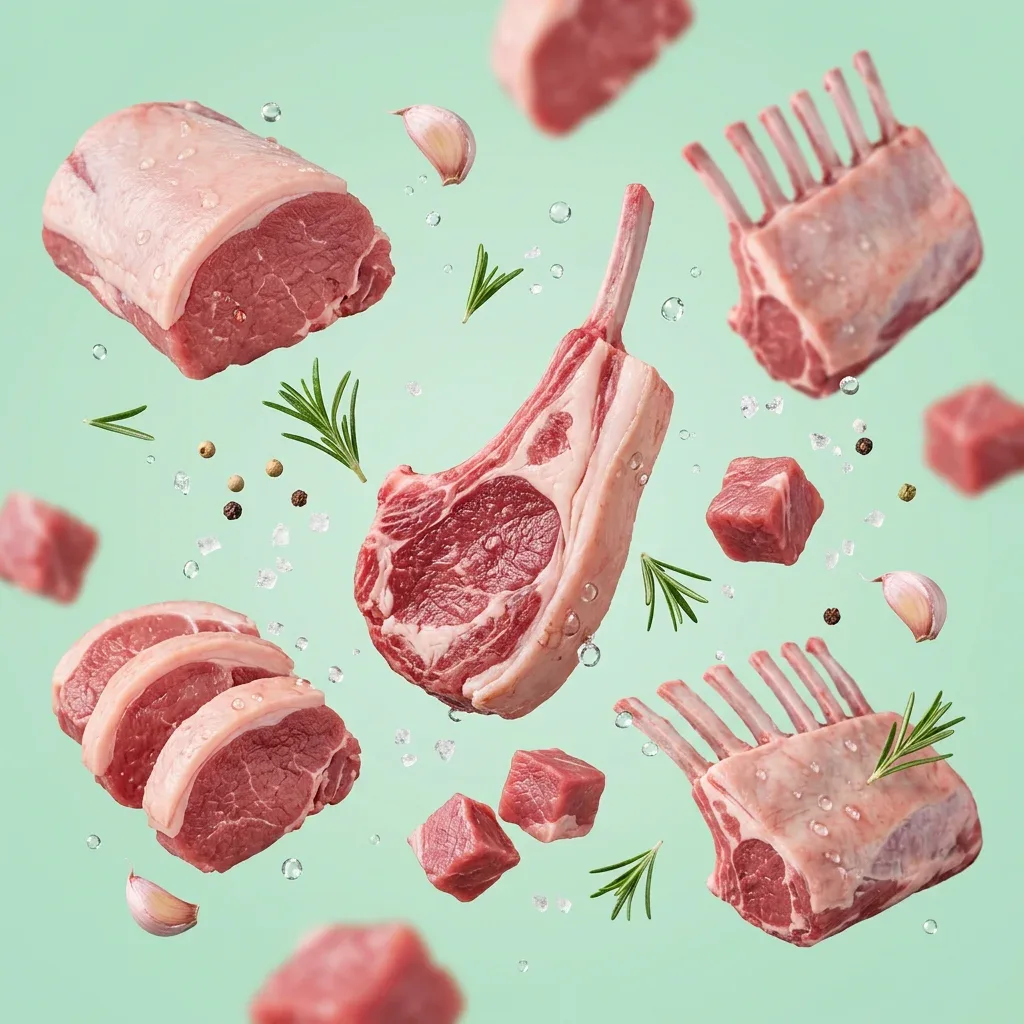
How to serve: Small tender pieces — lamb mince patties, kofta, or slow-cooked shredded lamb.
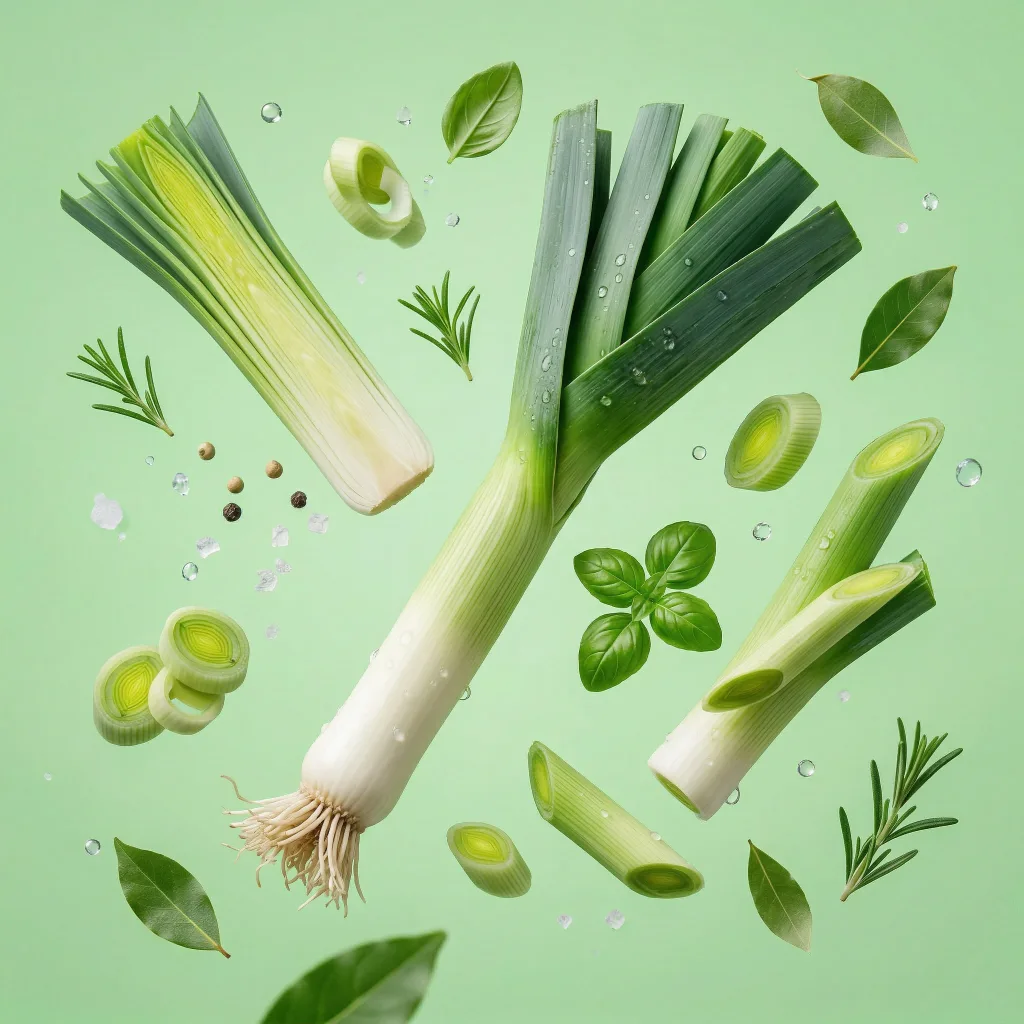
How to serve: Thinly sliced soft leek in cooked dishes.

How to serve: Use lemon freely in all family cooking. Many children love the sour taste.
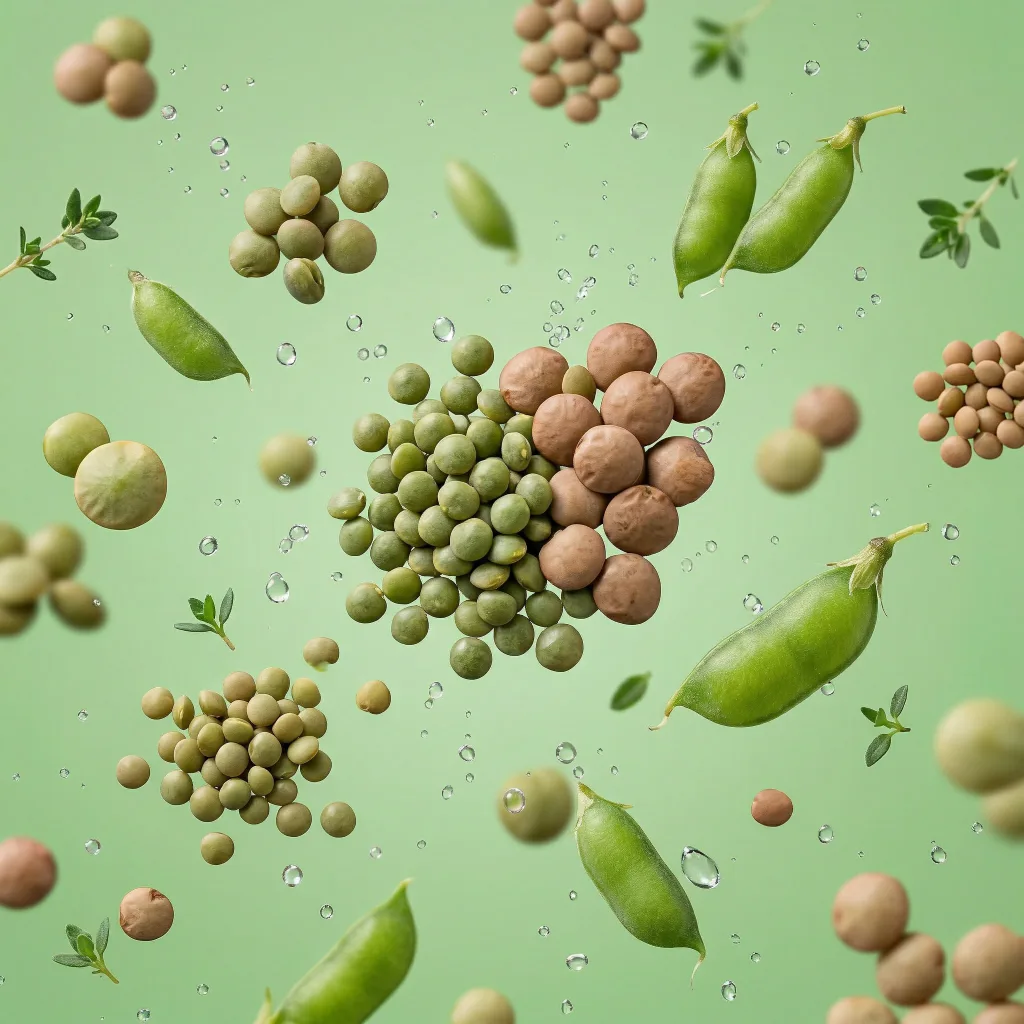
How to serve: Soft lentils served as part of a meal — dal or stew.
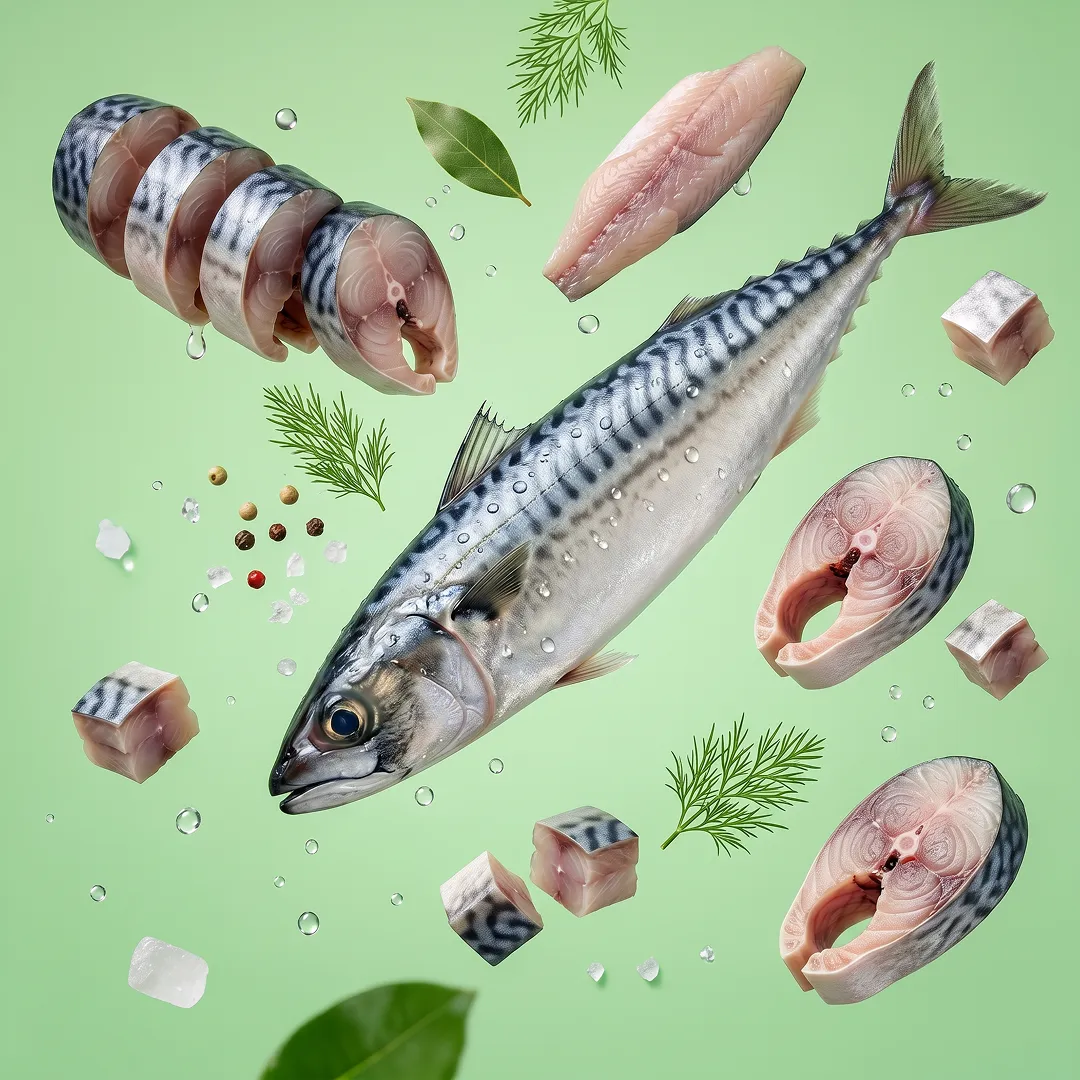
How to serve: Mackerel in family dishes — pate on toast, pasta, or fish cakes.
Check mackerel thoroughly for small pin bones before serving. Mackerel is an oily fish with a distinctive strong flavour — serve in small amounts initially.

How to serve: Small bite-size chunks they can manage independently.
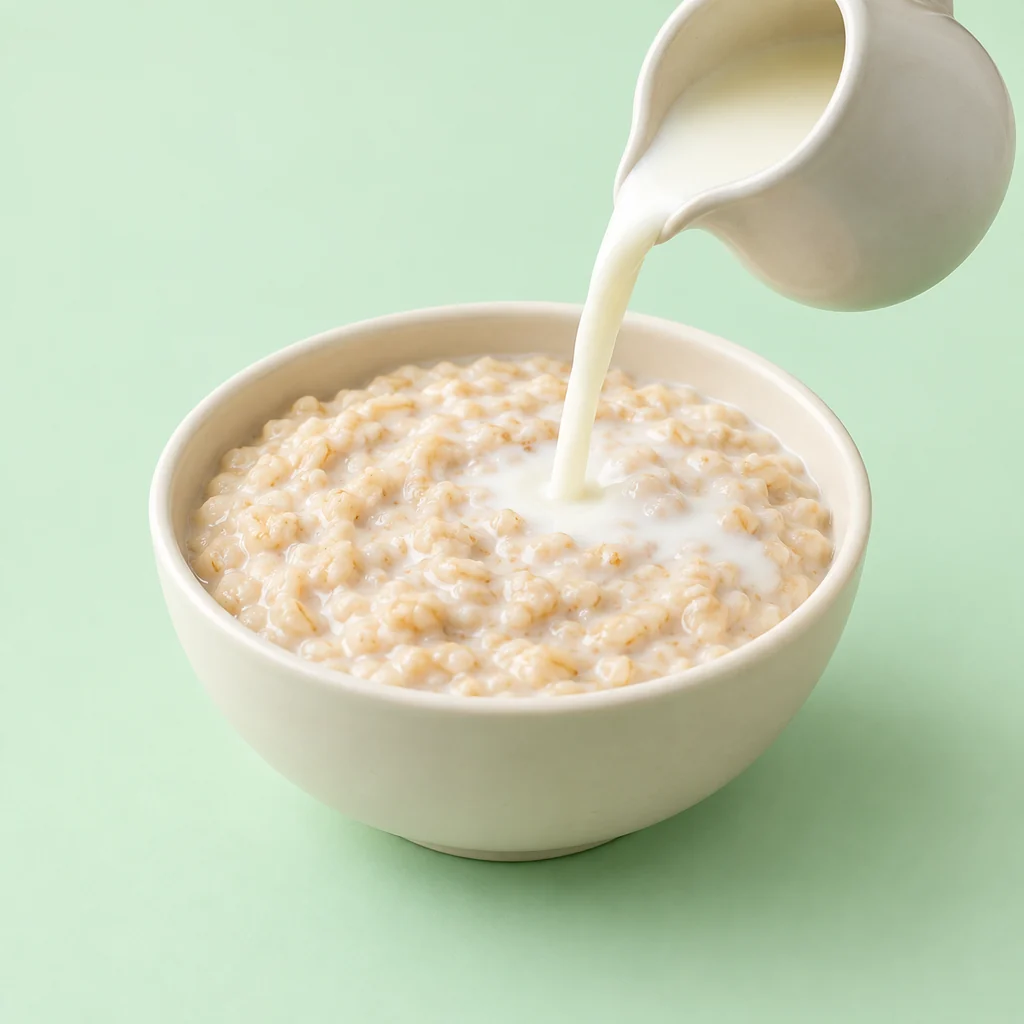
How to serve: Use pasteurised whole cows' milk in cooked family dishes as the recipe directs.

How to serve: Cooked millet served alongside their meal.
How to serve: Choose pasteurised full-fat cheese. Small bite-size pieces or melted on food.
String cheese and large mozzarella pieces can be a choking hazard. Cut into very small pieces.
How to serve: Normal serving in soups, curries, or as a side.
How to serve: Small sliced cooked pieces.
How to serve: Normal serving in dishes.

How to serve: Bite-size pieces as a juicy finger food.

How to serve: Regular porridge with added toppings.
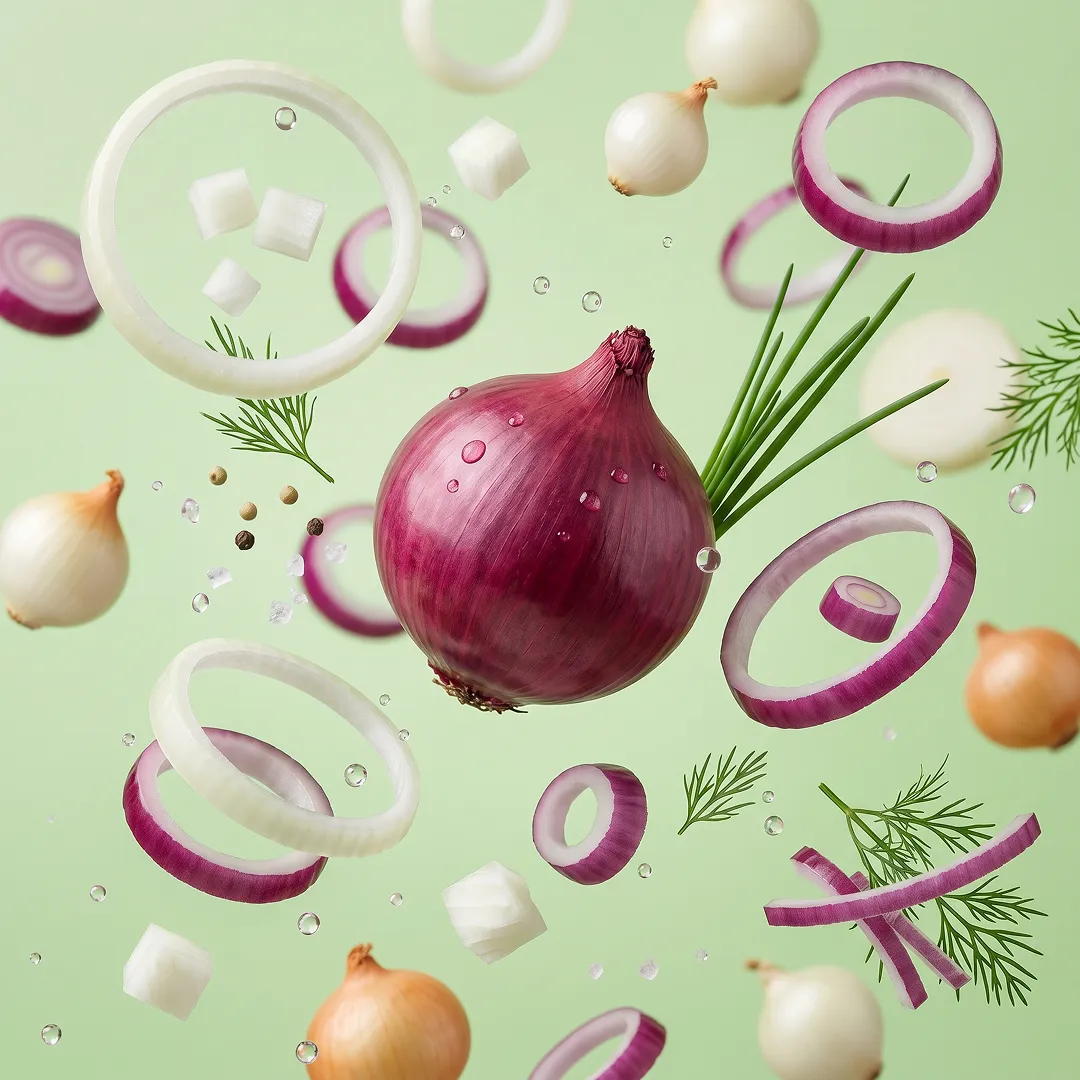
How to serve: Onion in all cooked family meals — stews, soups, sautéed vegetables.

How to serve: Orange segments cut in half as finger food — they can handle this well.
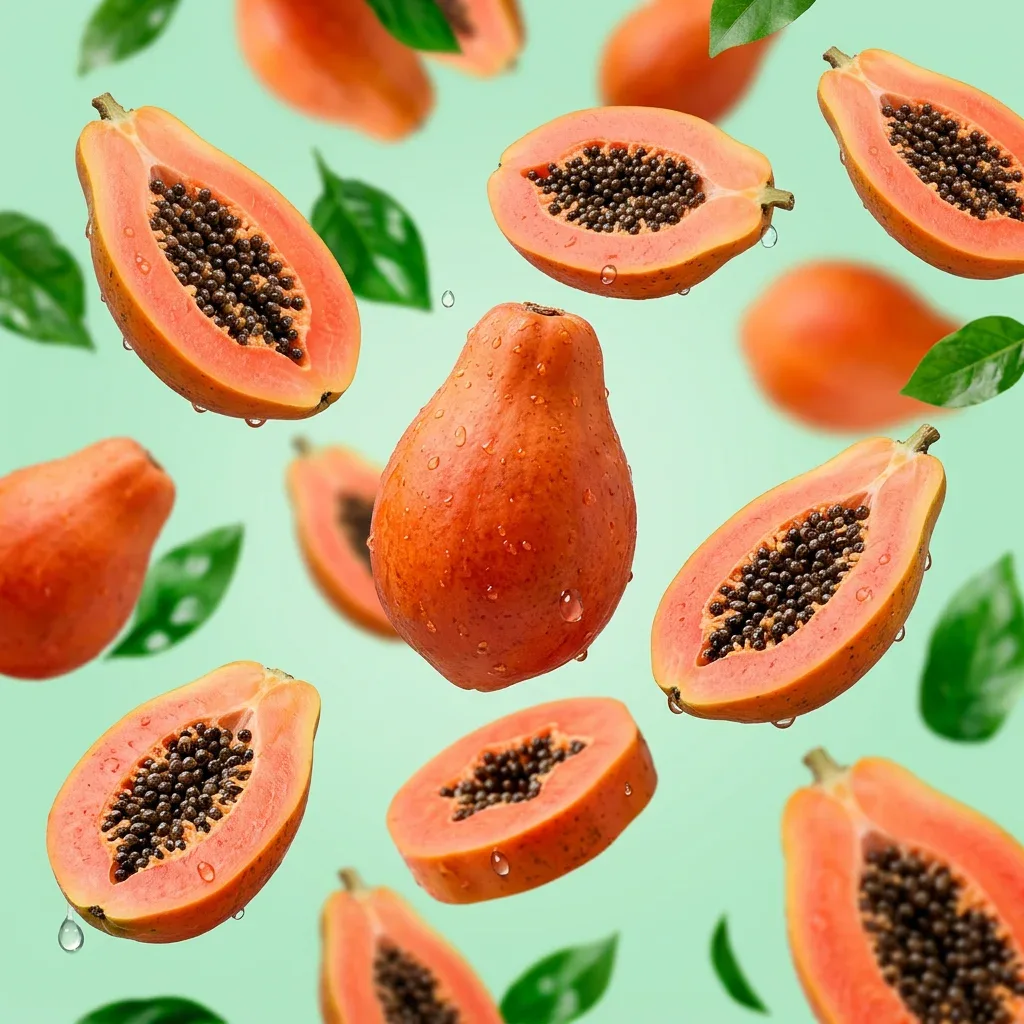
How to serve: Small bite-size pieces they can self-feed.
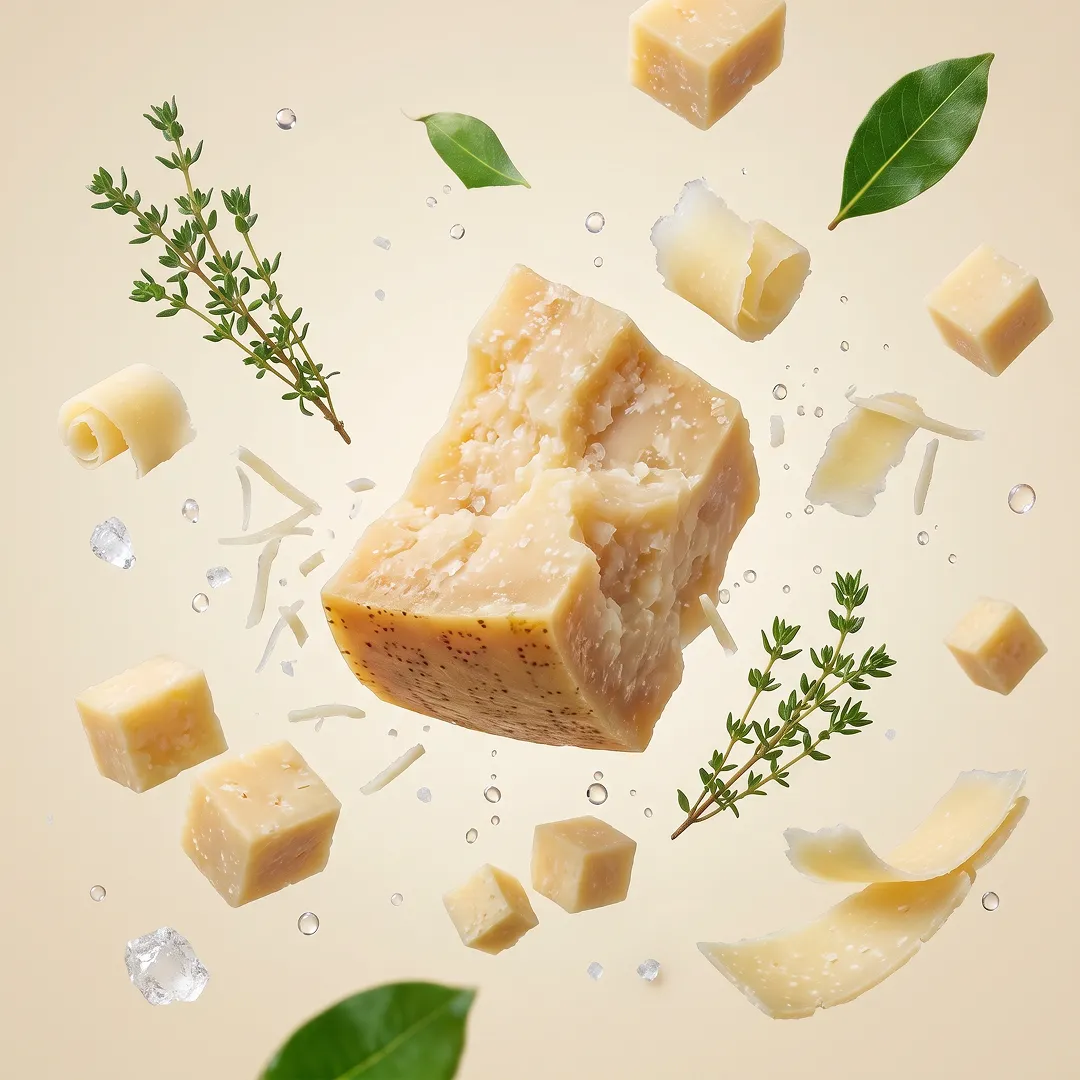
How to serve: A light sprinkle of finely grated pasteurised parmesan-style hard cheese. It is salty, so use only a little.
Always finely grate parmesan over food. Never offer chunks of hard cheese to babies as they are a choking hazard. Finely grated parmesan melts into food safely.
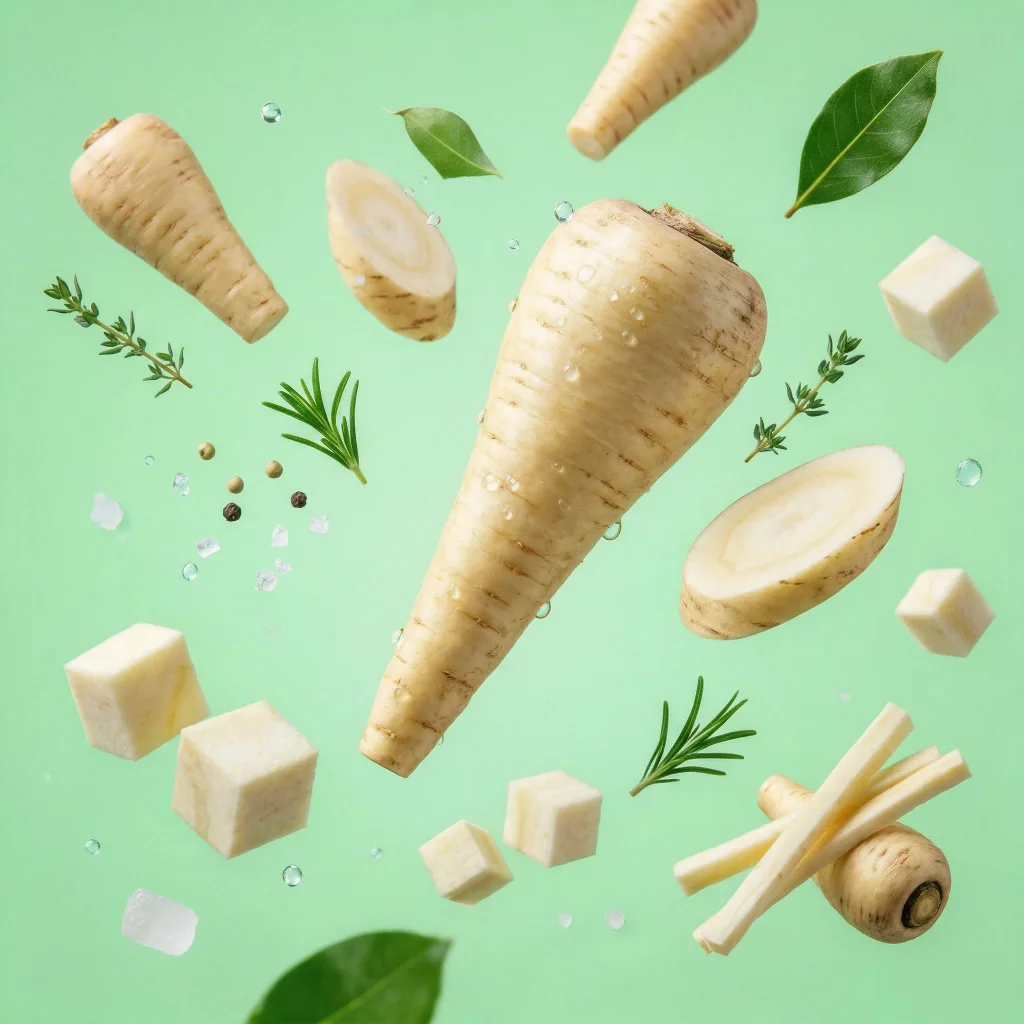
How to serve: Bite-size roasted pieces as a finger food.

How to serve: Bite-size chunks they can self-feed.
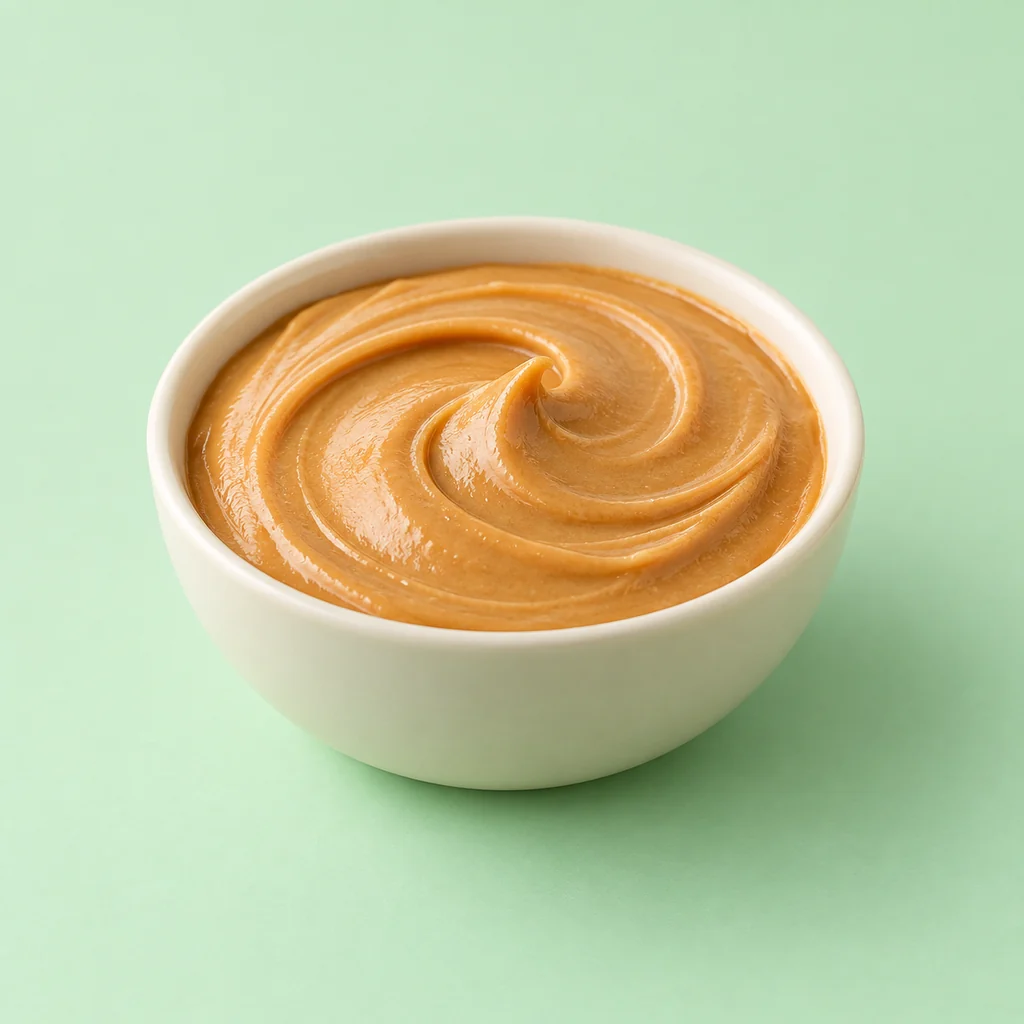
How to serve: Small amount of smooth peanut butter on bread.
Whole peanuts are a severe choking hazard. Only smooth peanut butter thinned with water or breast milk is safe.

How to serve: Bite-size pieces with skin removed.

How to serve: Lightly squashed peas — many toddlers can manage these, but continue to flatten as a precaution.

How to serve: Bite-size pieces as a finger food.
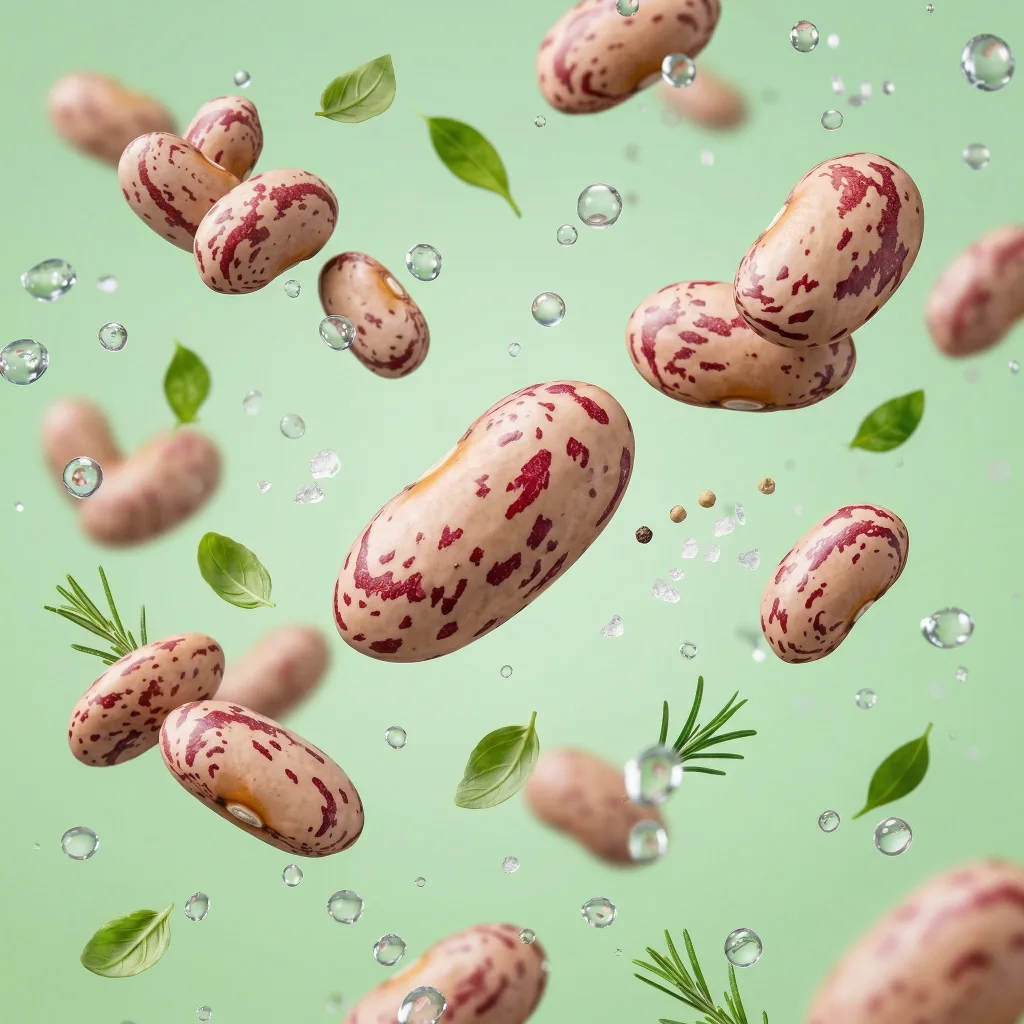
How to serve: Normal serving or in soft dishes.

How to serve: Bite-size pieces with or without skin.
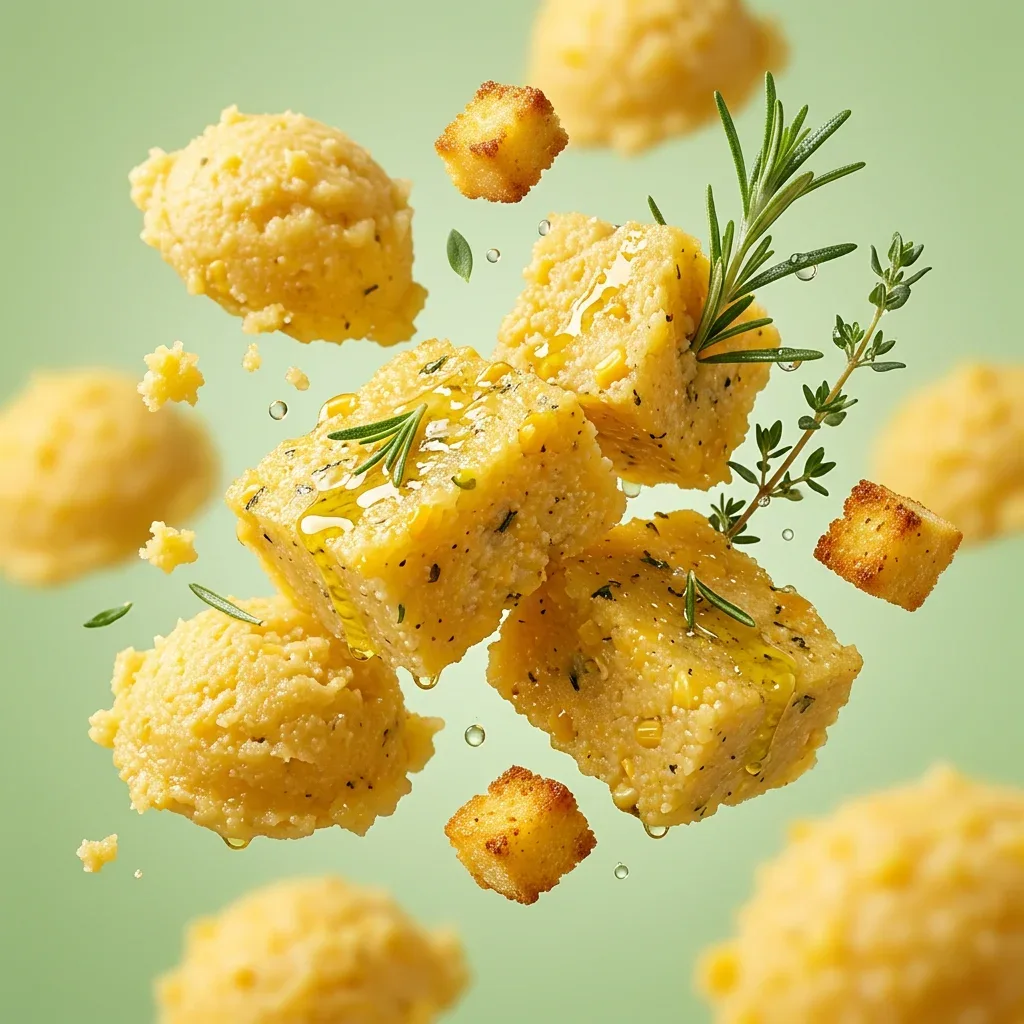
How to serve: Polenta served as a side, fingers, or mixed with toppings.

How to serve: Crush the arils and press them through a fine sieve. Stir seed-free pulp into food.
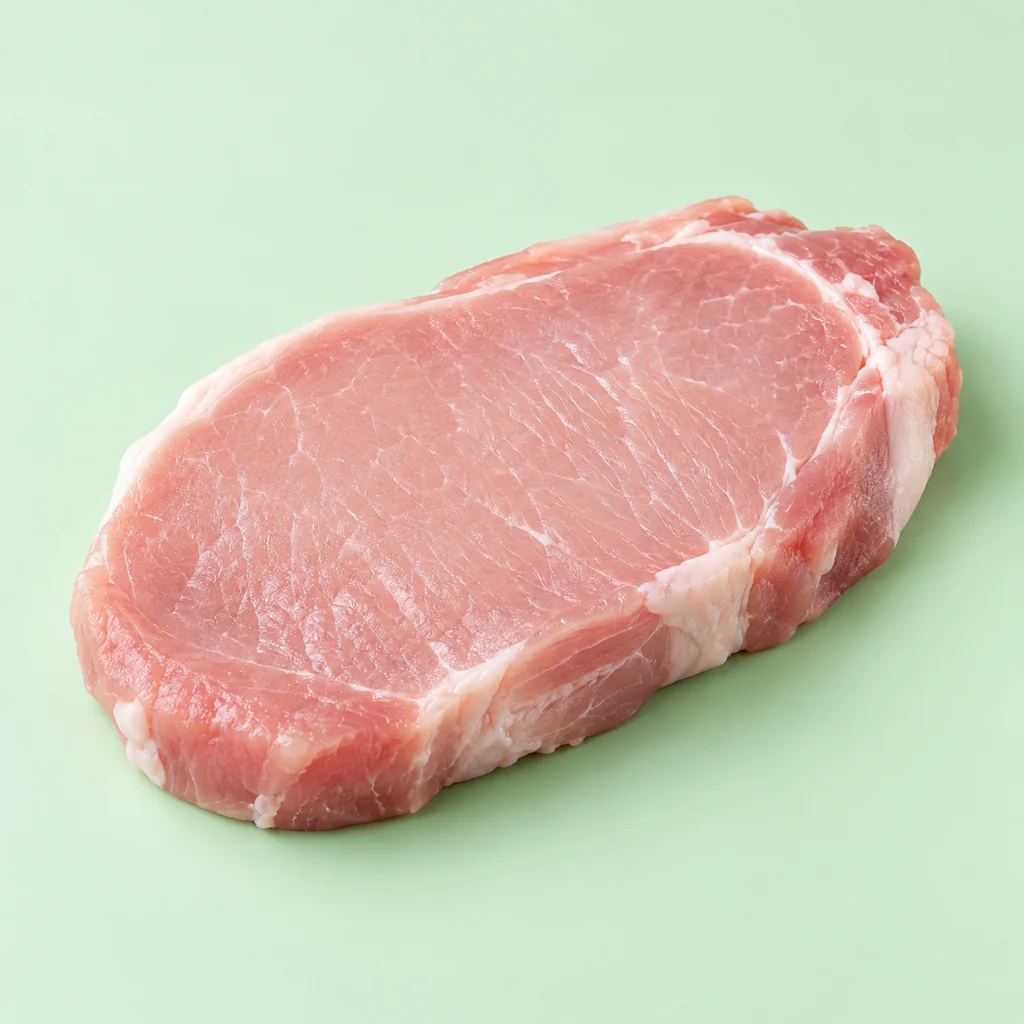
How to serve: Small tender pieces — well cooked.
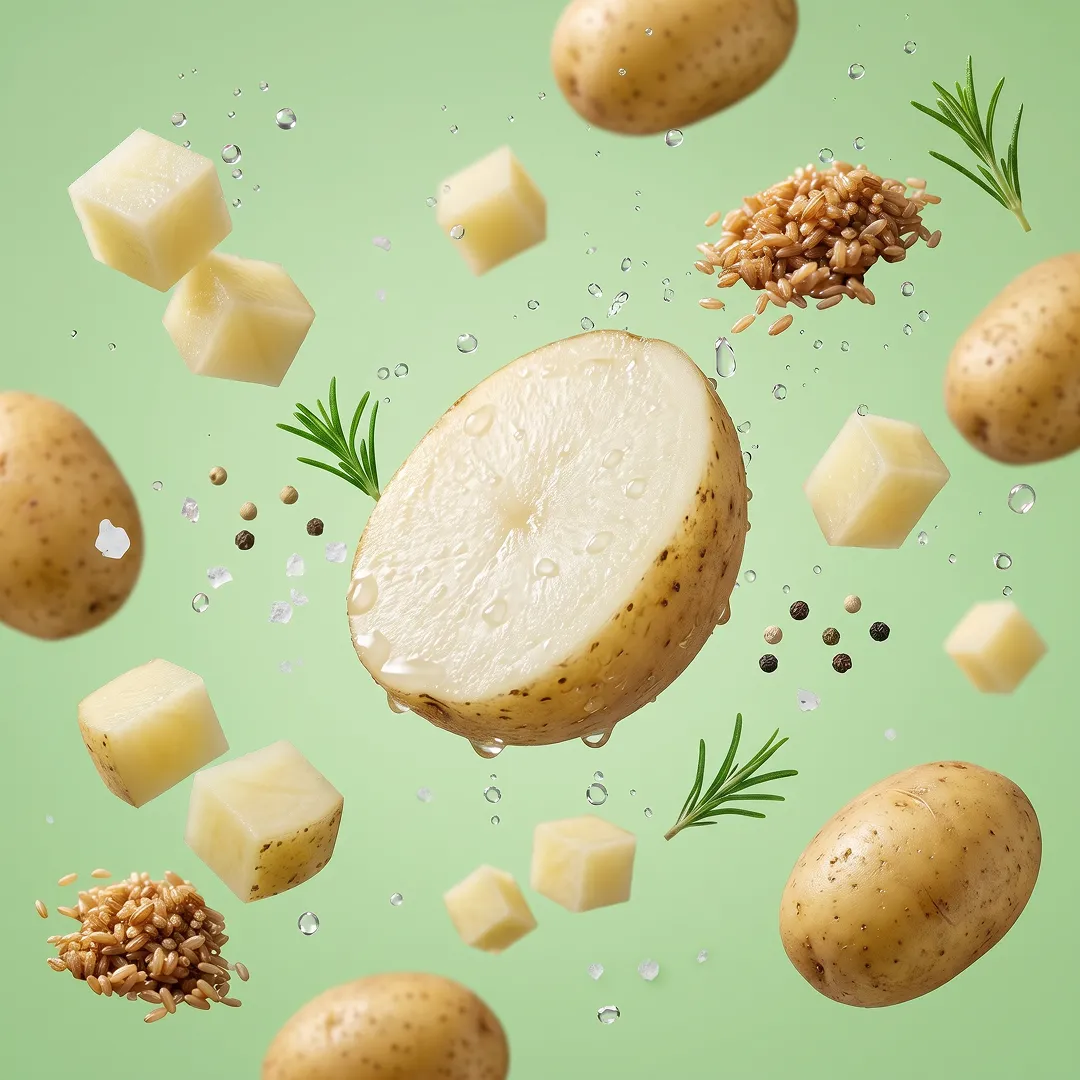
How to serve: All forms — mash, jacket potato, wedges, or diced in stews.
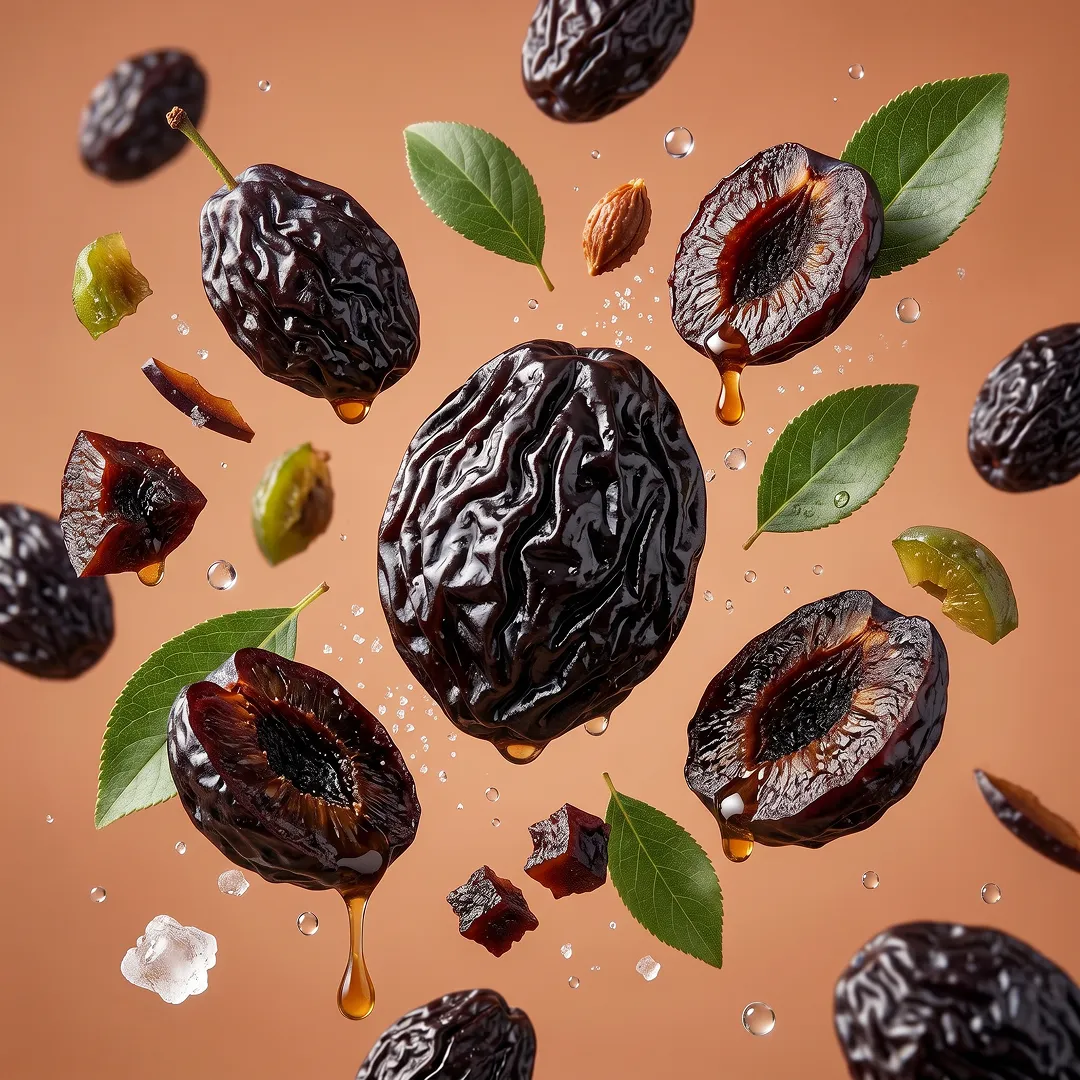
How to serve: Chopped soft prunes as a snack or in baked goods and porridge.

How to serve: Bite-size pieces.
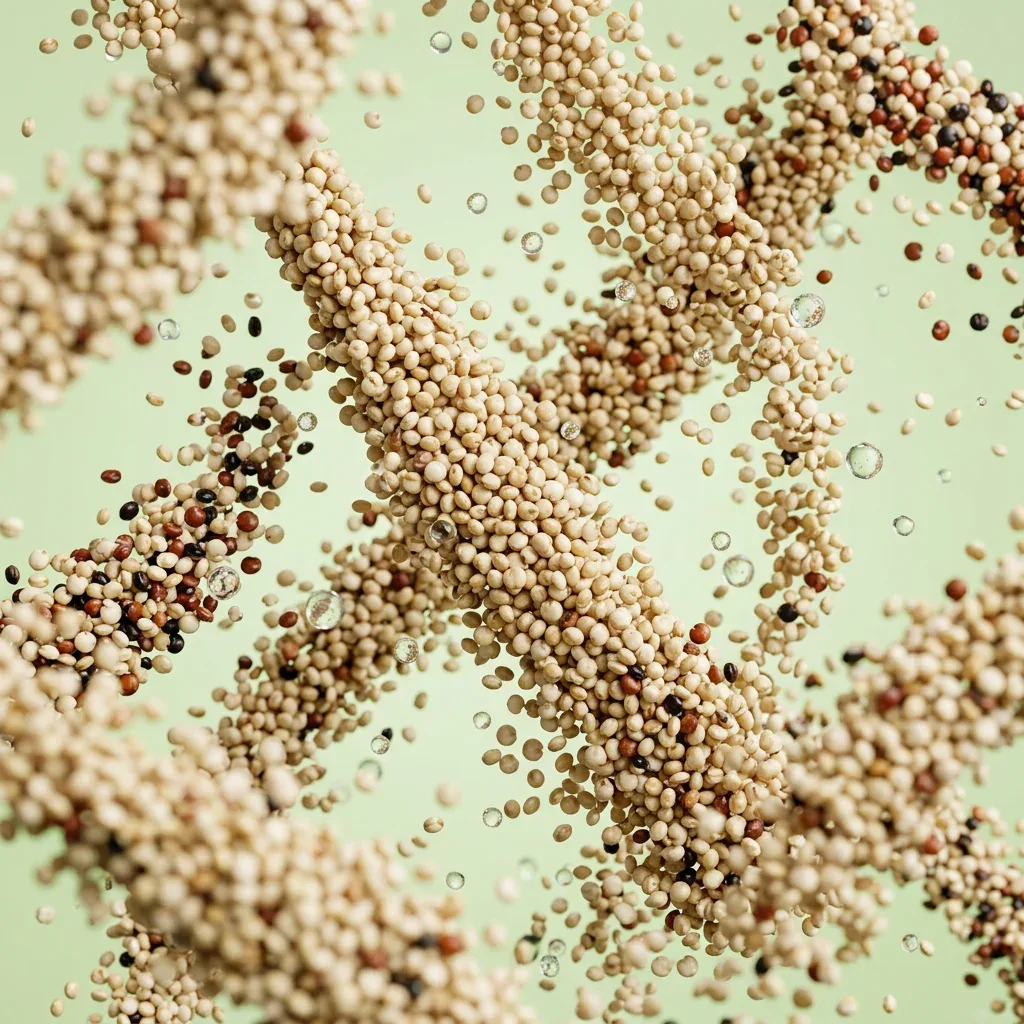
How to serve: Cooked quinoa served alongside their meal.

How to serve: Mash or quarter each raspberry before serving.
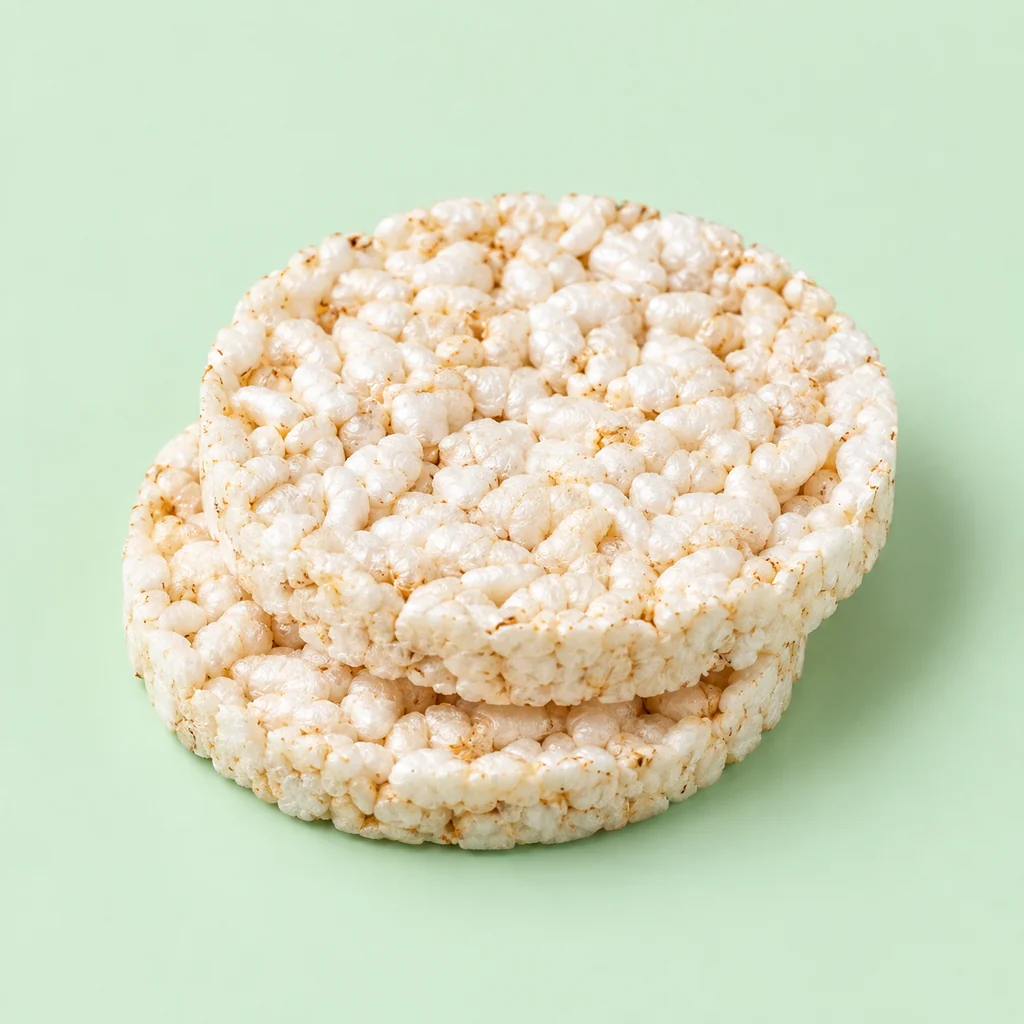
How to serve: Whole rice cake as a finger food — chewing well established.
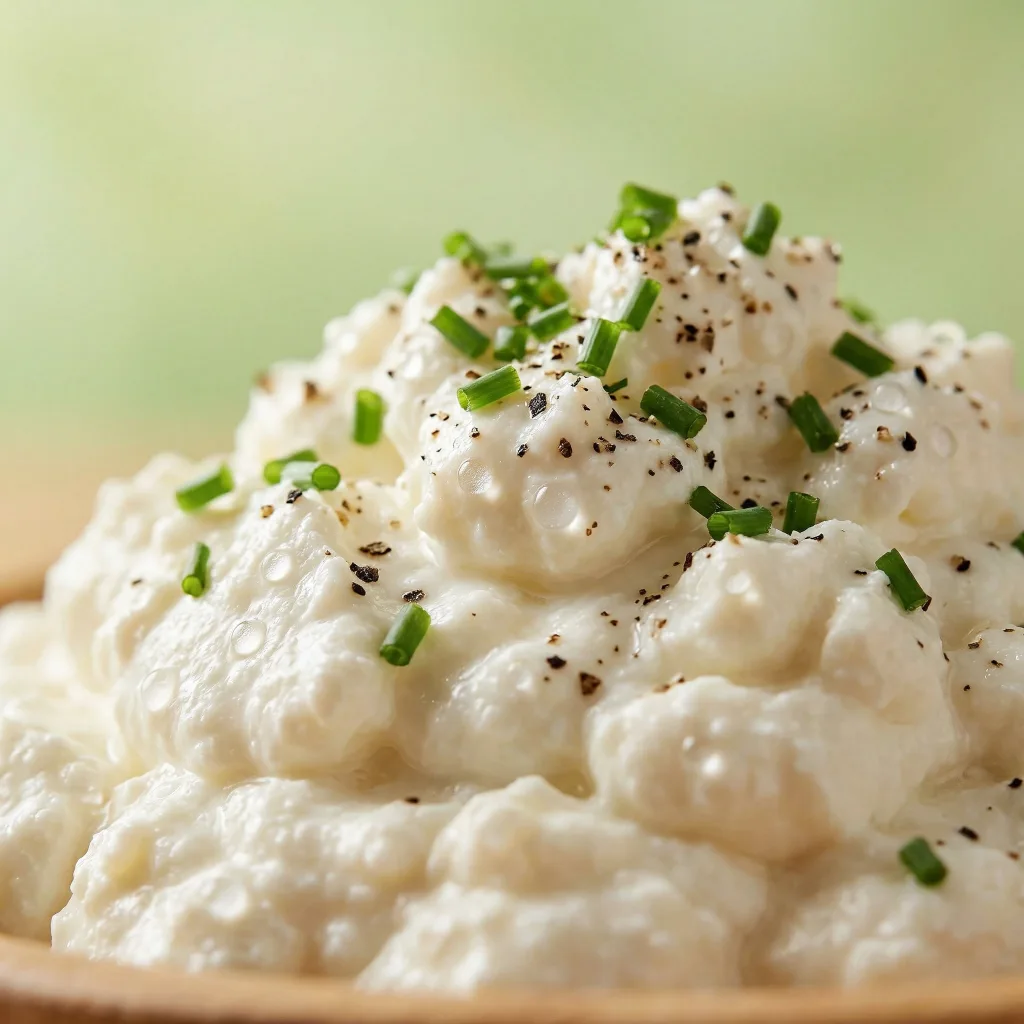
How to serve: Choose pasteurised full-fat cheese. Used in cooking or as a spread.

How to serve: Small flaked pieces — check for bones each time.

How to serve: Small pieces mixed into pasta or rice dishes.
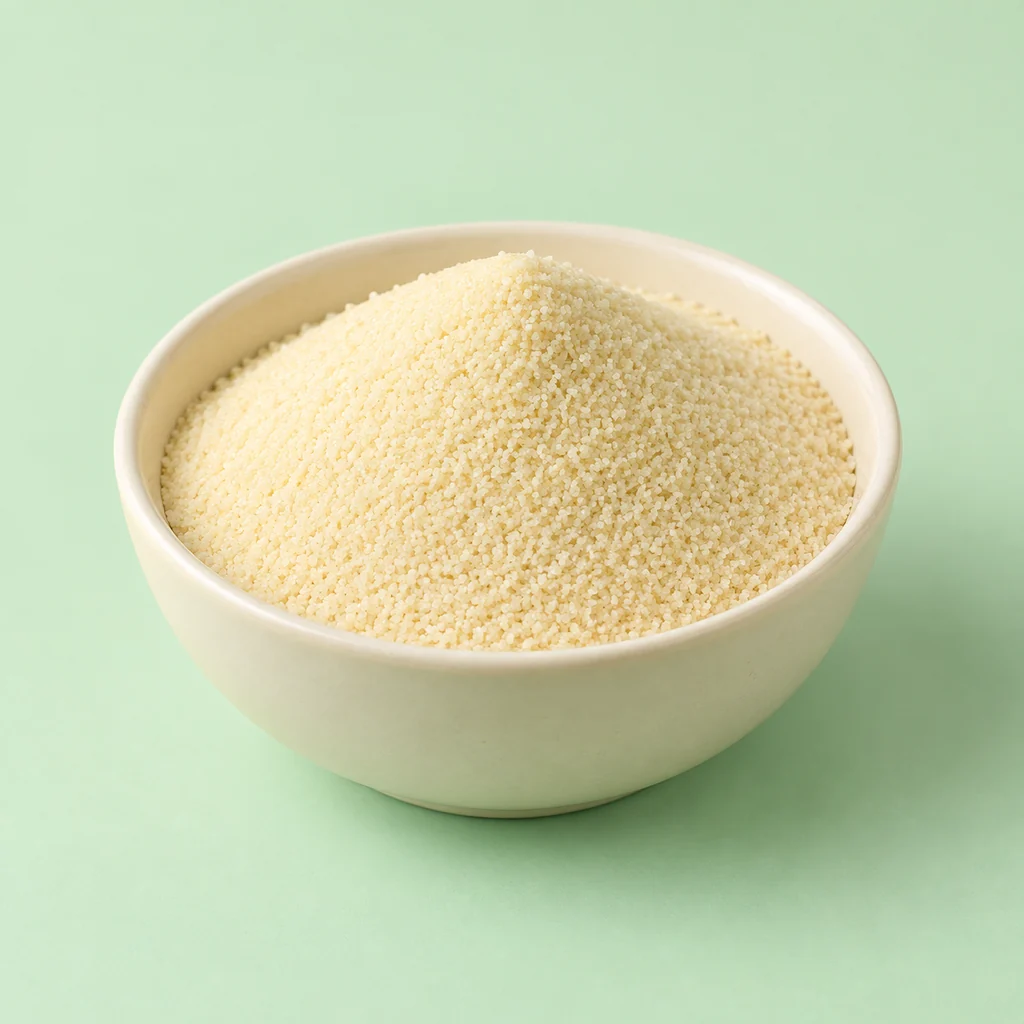
How to serve: Normal porridge or semolina pudding serving.
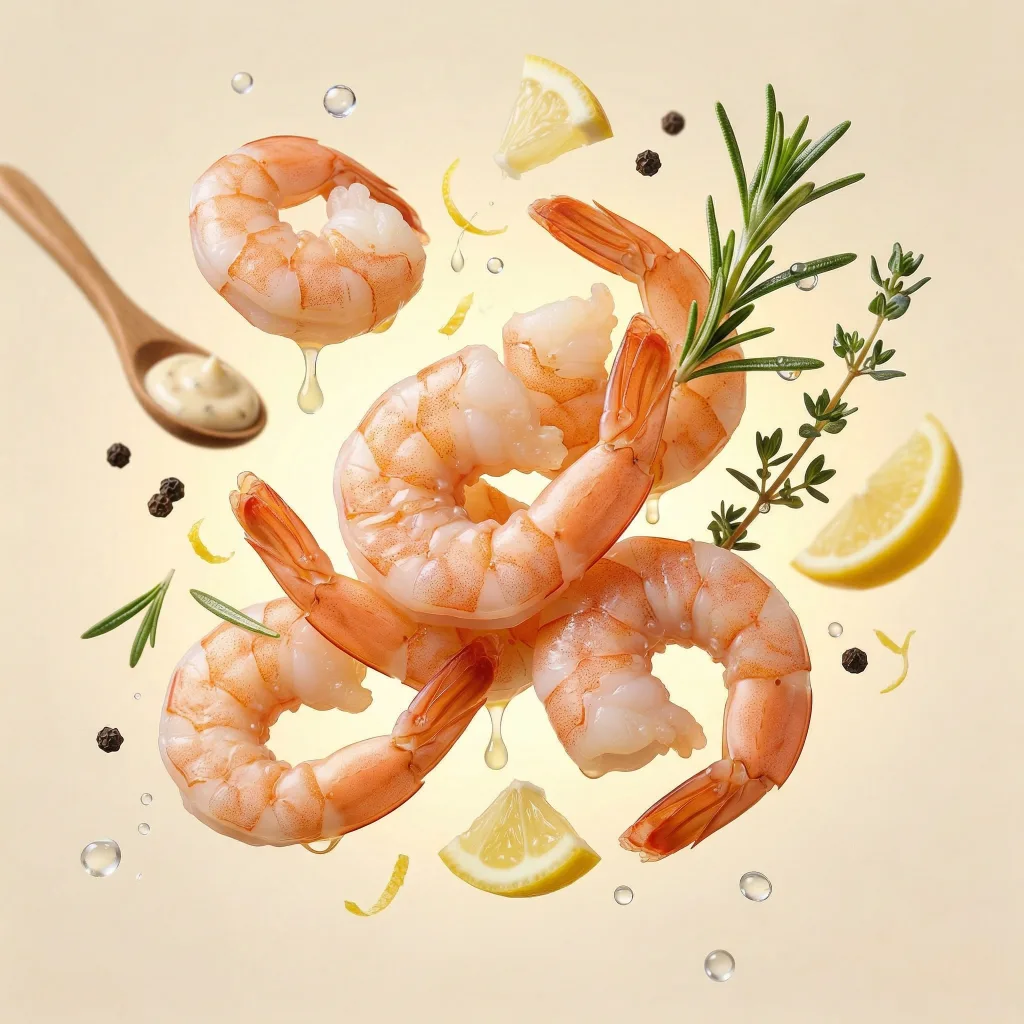
How to serve: Small bite-size pieces when chewing is well established.
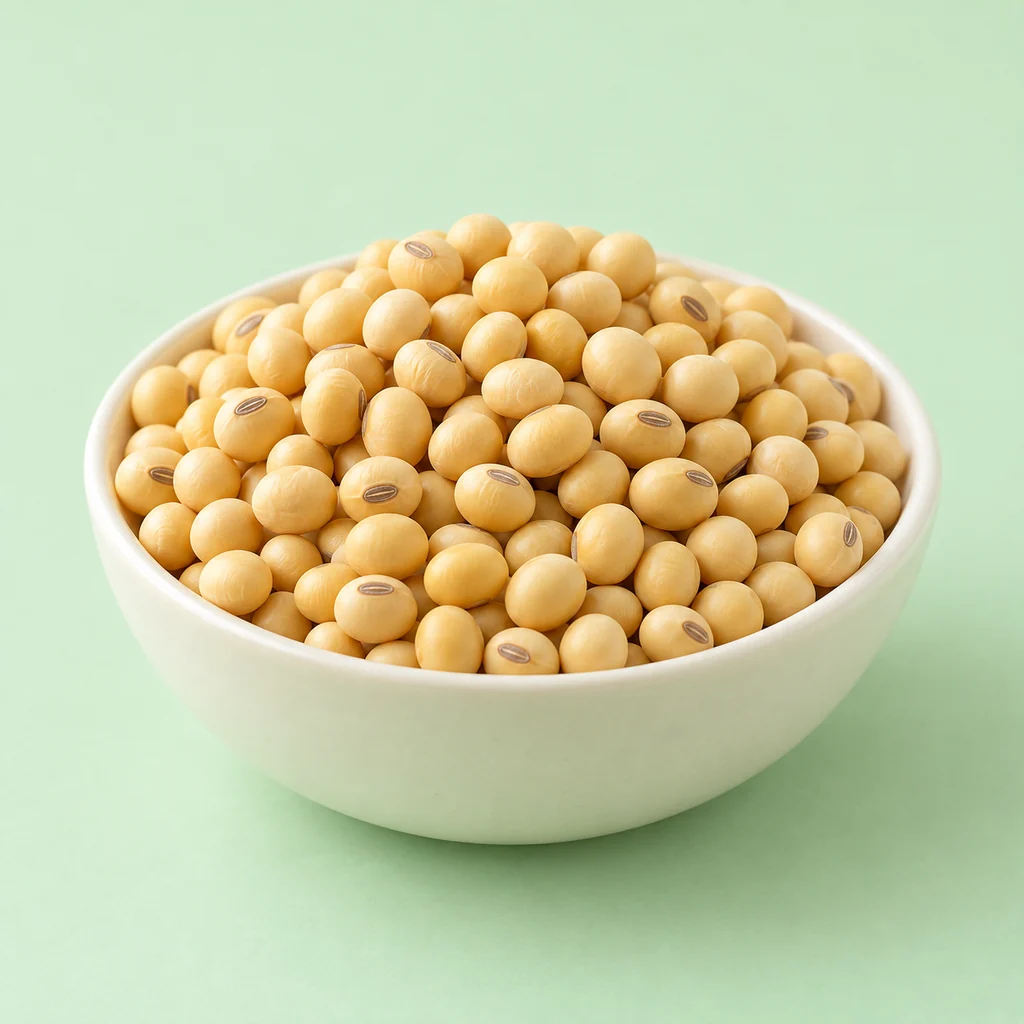
How to serve: Whole soft, shelled beans they can pick up, lightly squashed.
Whole soya beans (edamame) are a choking hazard. Remove them from the pod and squash or skin the beans for babies and younger toddlers.
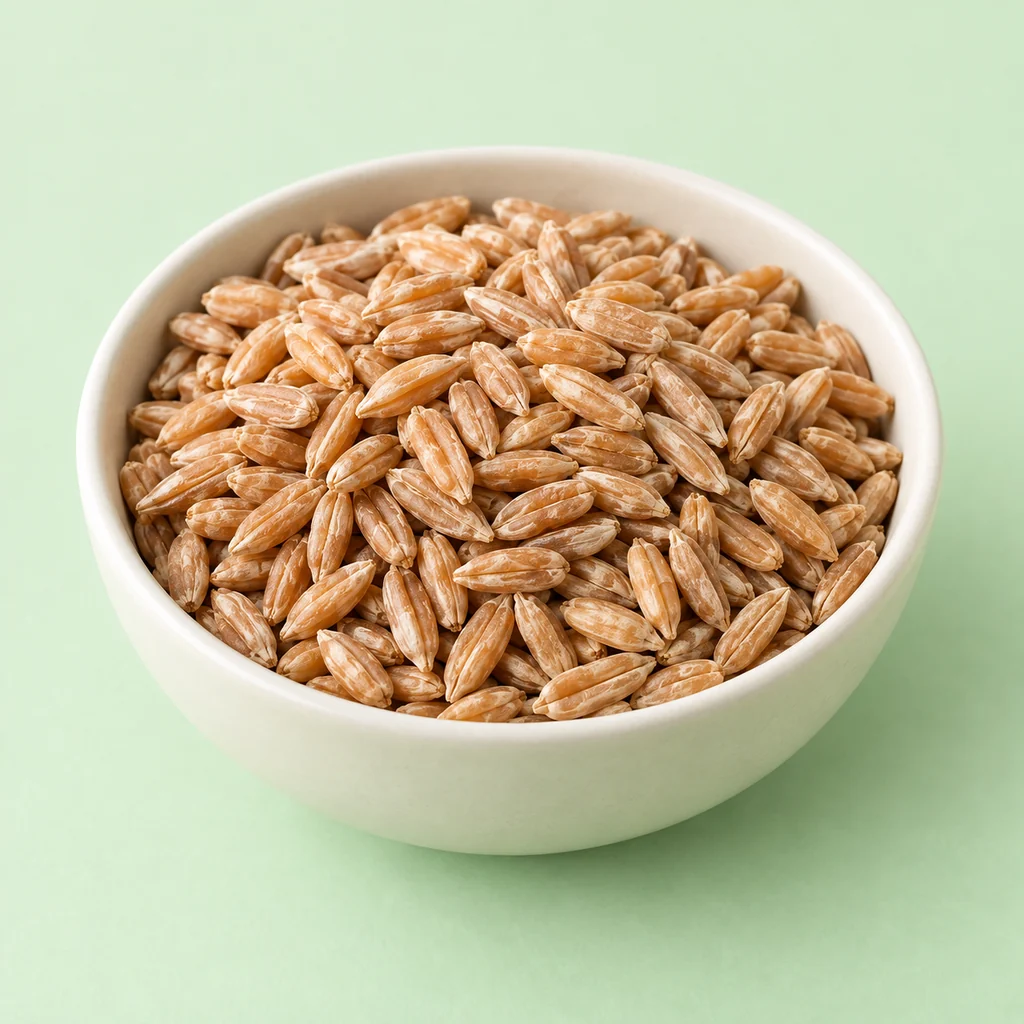
How to serve: Normal grain serving.

How to serve: Chopped pieces mixed into meals.
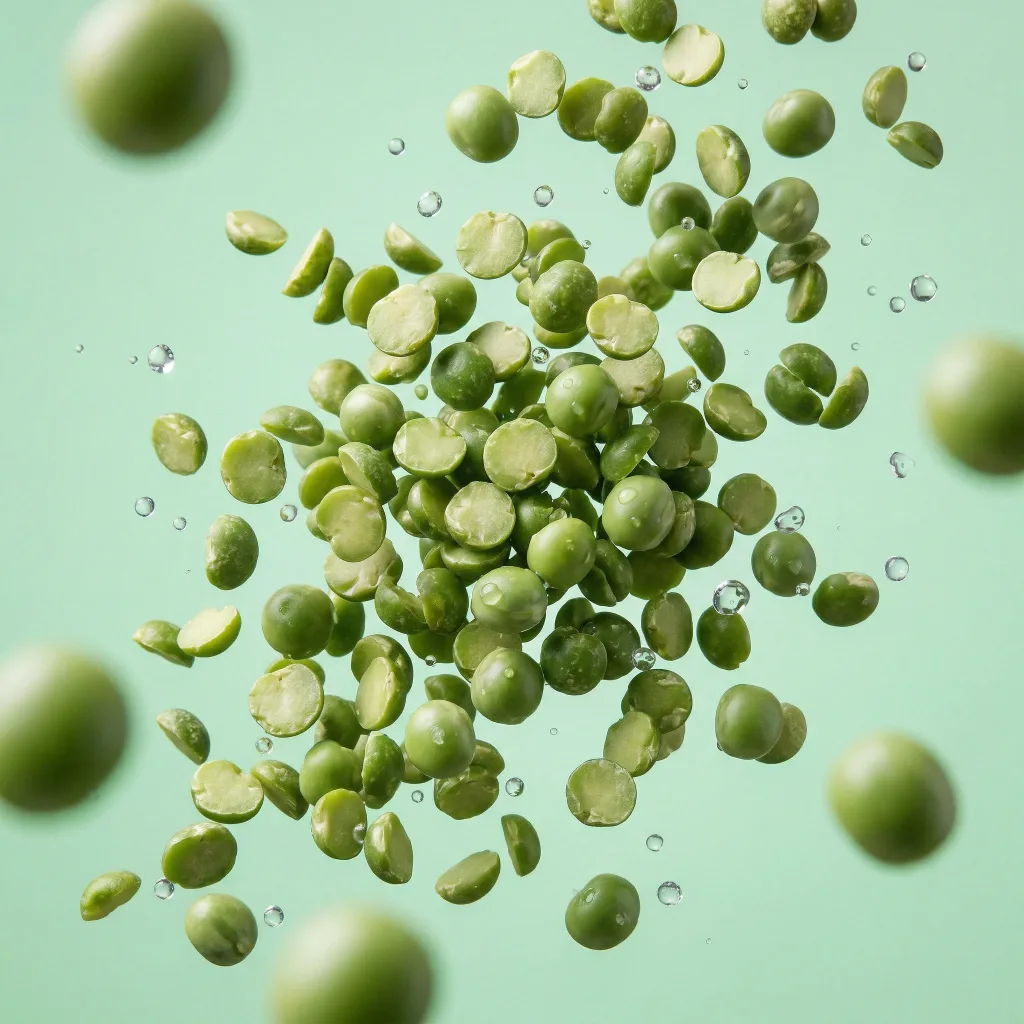
How to serve: Normal serving as a soup or purée.
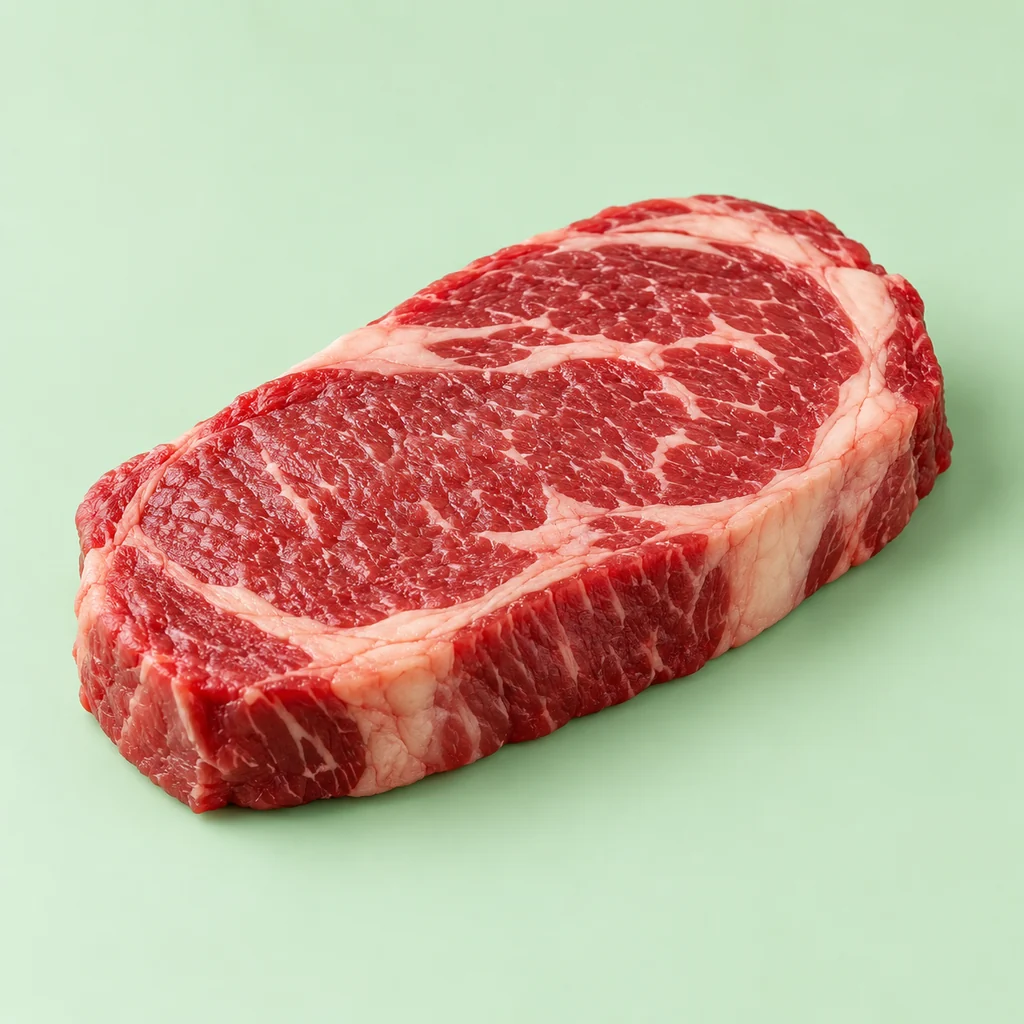
How to serve: Small, soft, tender pieces sliced across the grain, or shredded into family meals.

How to serve: Hull and quarter each strawberry lengthways; shorten large pieces and remove firm parts.
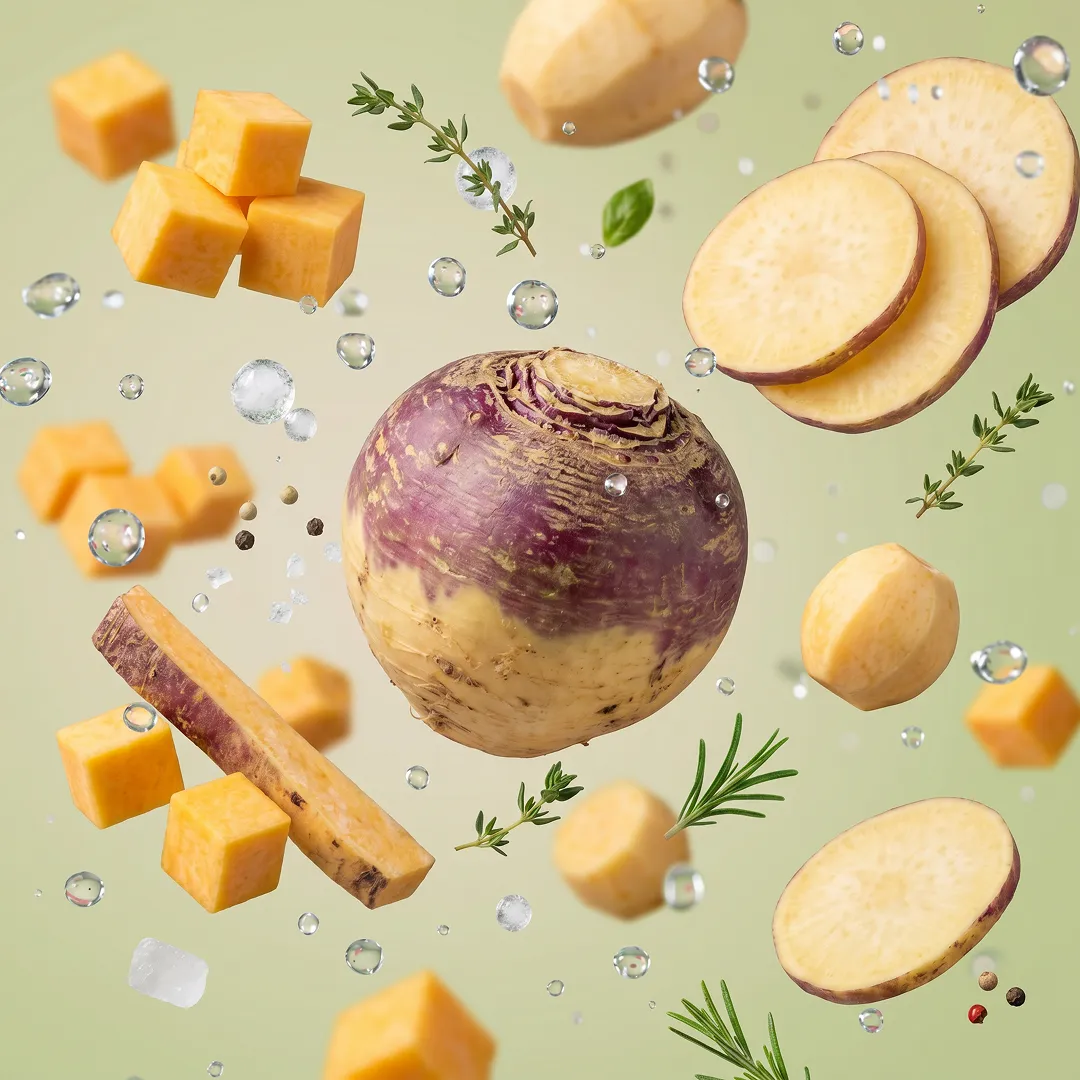
How to serve: Swede in stews, roasted in the oven, or mashed as part of family meals.
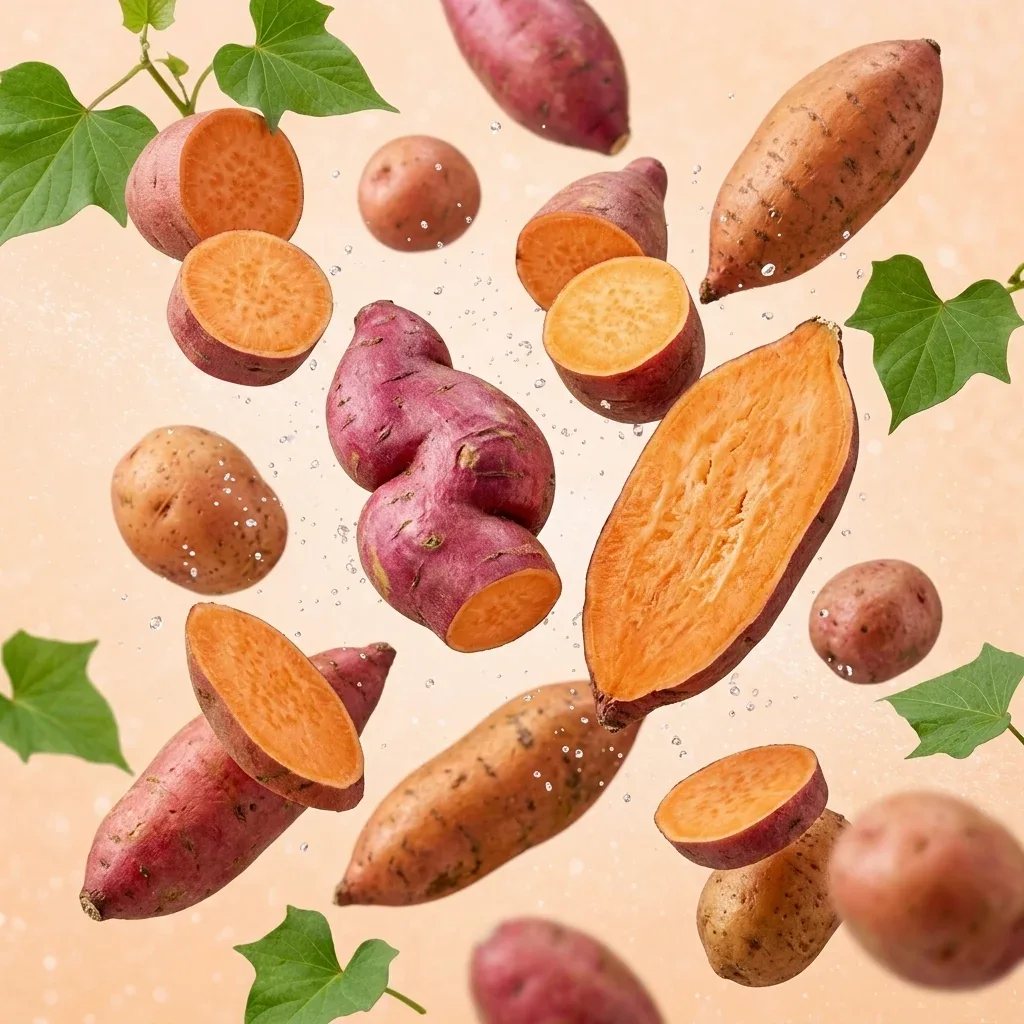
How to serve: Bite-size wedges, skins removed.
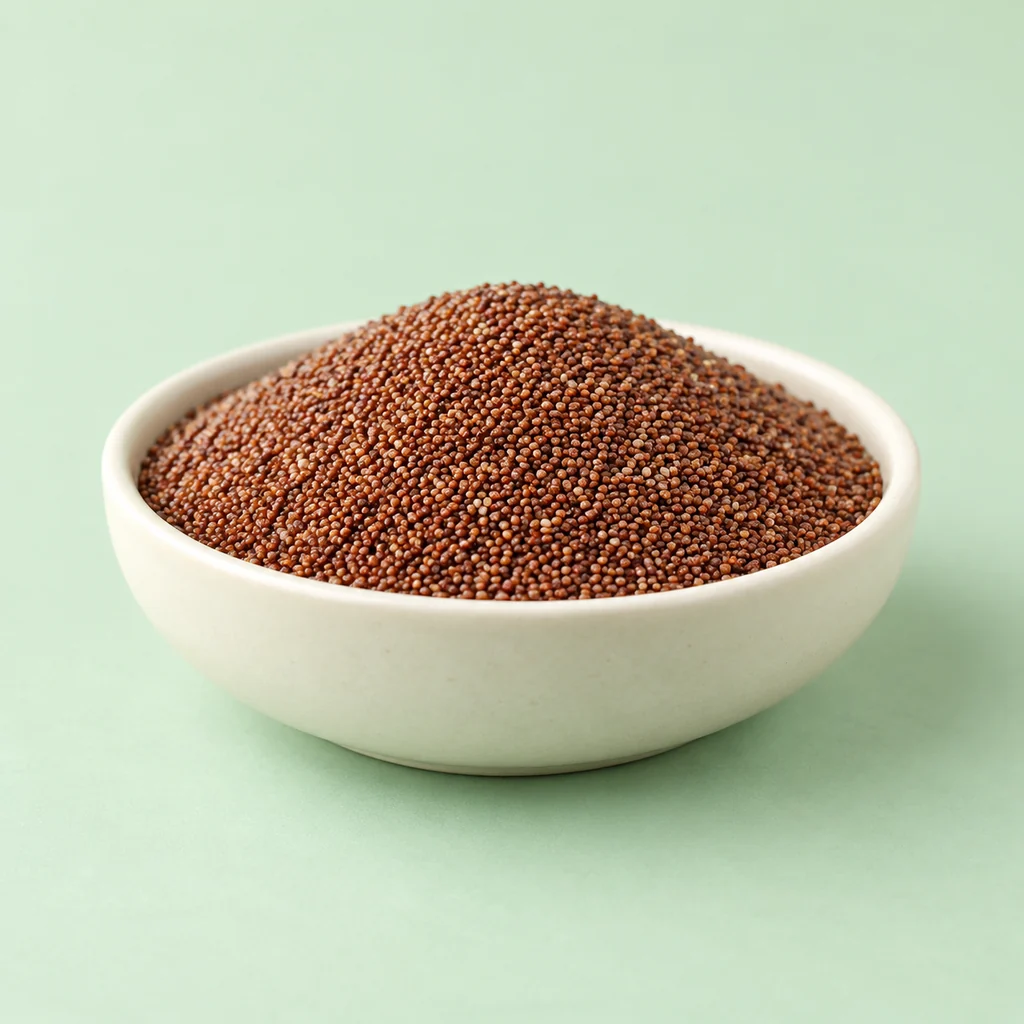
How to serve: Cooked as a porridge or mixed into other foods.
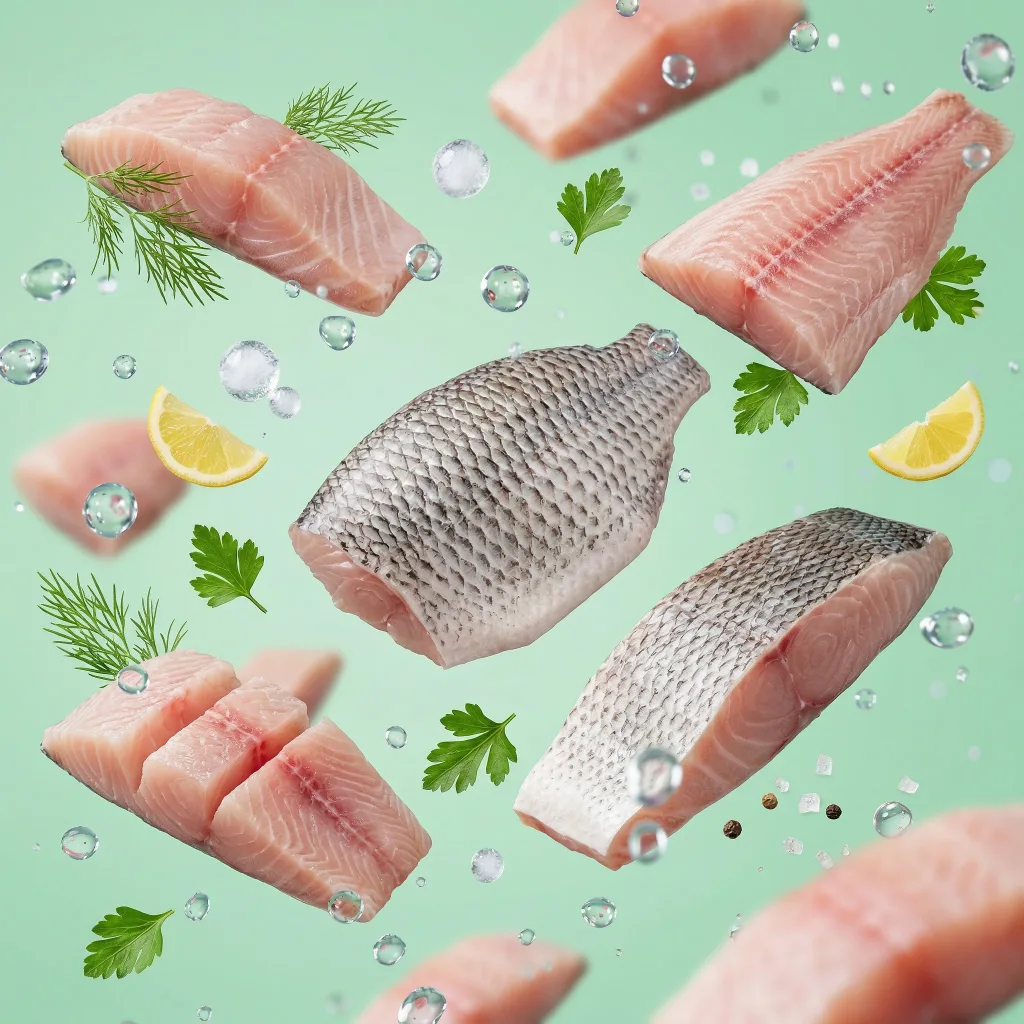
How to serve: Small bite-size flaked pieces.
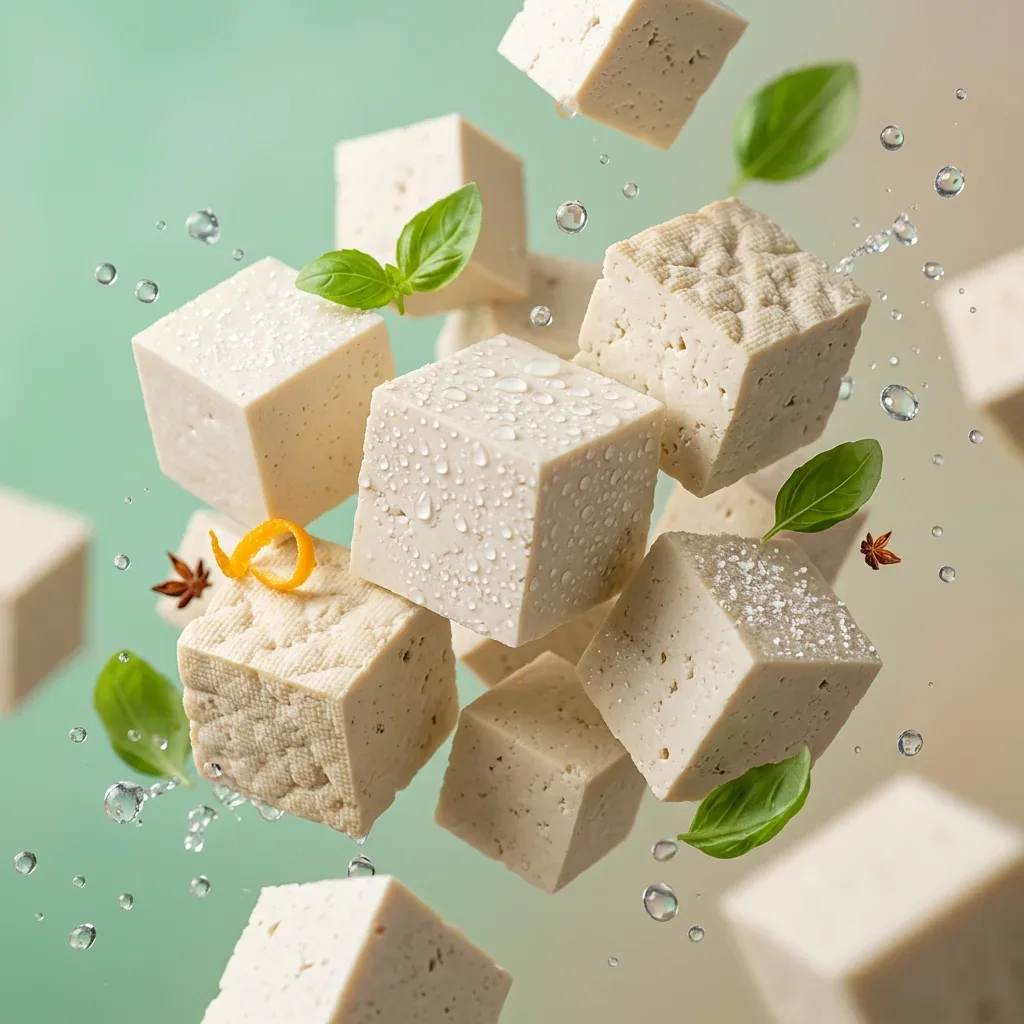
How to serve: Small cubes they can pick up with a pincer grip.

How to serve: Small pieces raw or cooked.
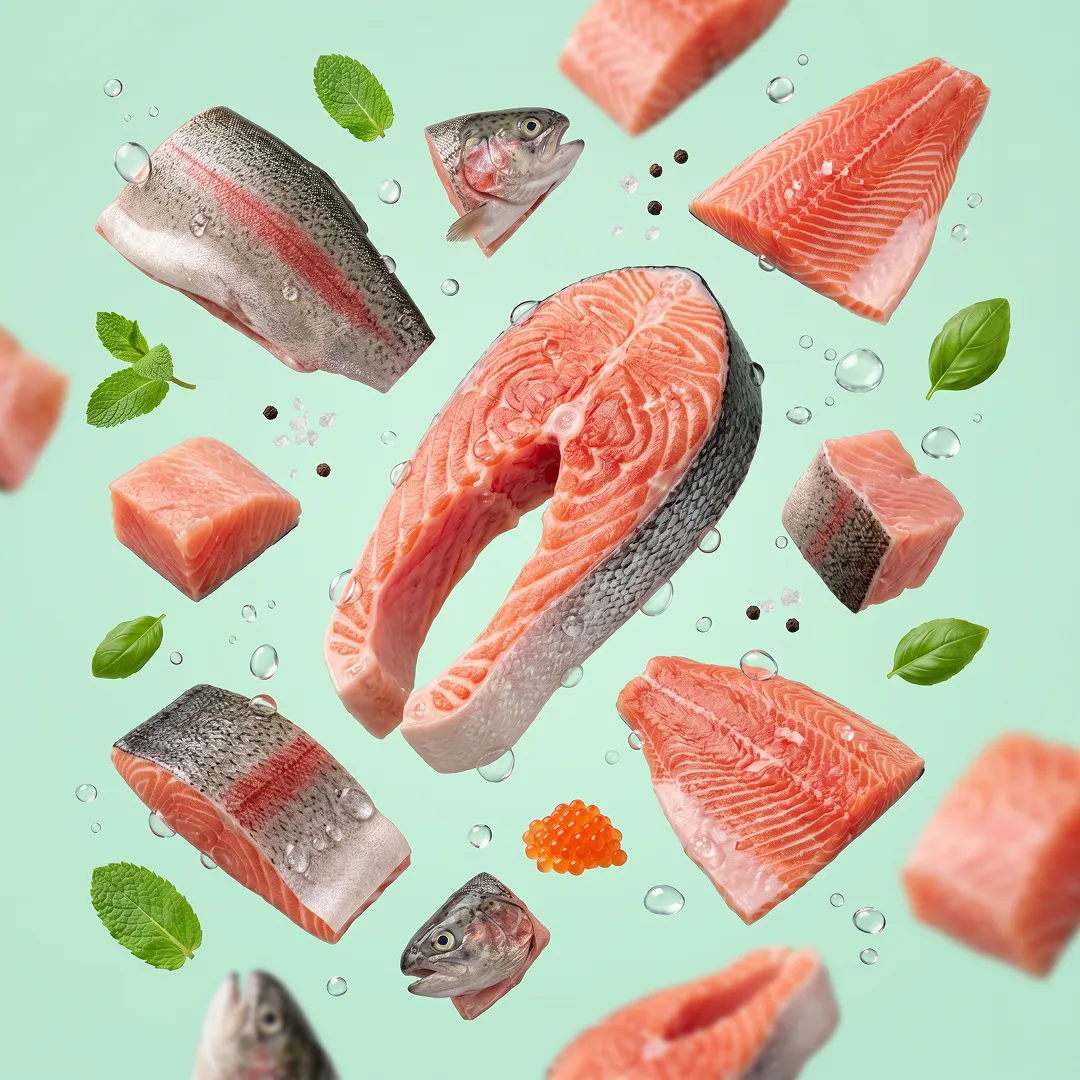
How to serve: Trout in family dishes — pan-fried fillet, fish cakes, or pasta.
Check trout very carefully for small pin bones before serving — trout is known to have many fine bones. Run your fingers along the flesh in all directions to detect them.
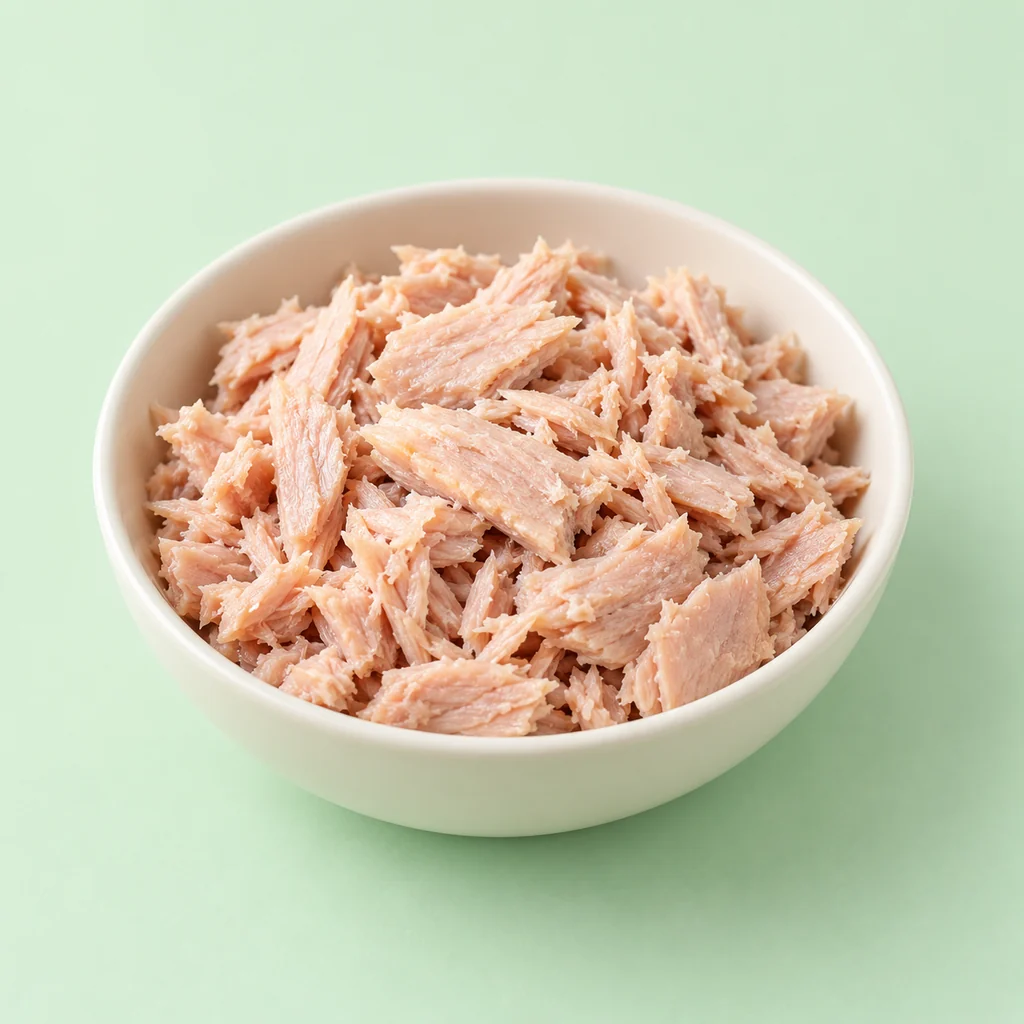
How to serve: Small flaked pieces in pasta, rice, or sandwich fillings.
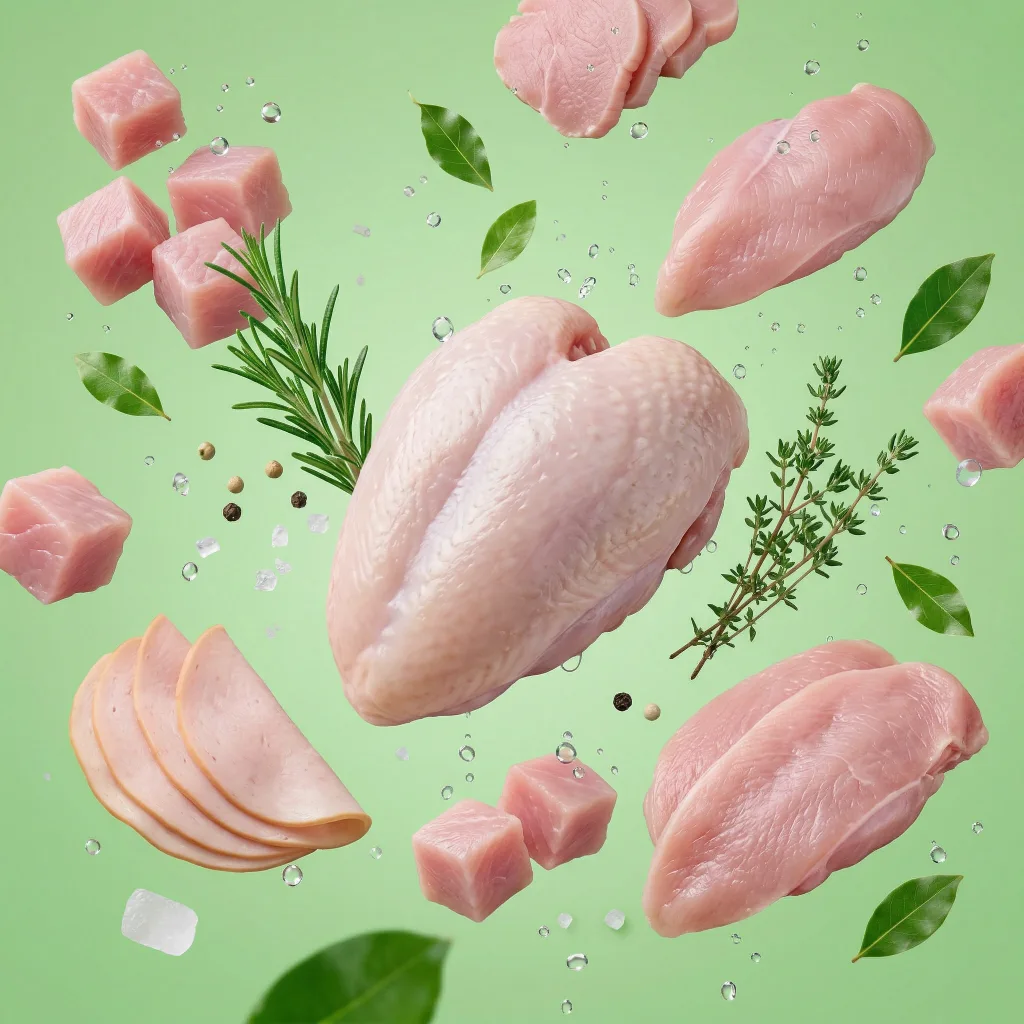
How to serve: Small soft pieces they can manage independently.
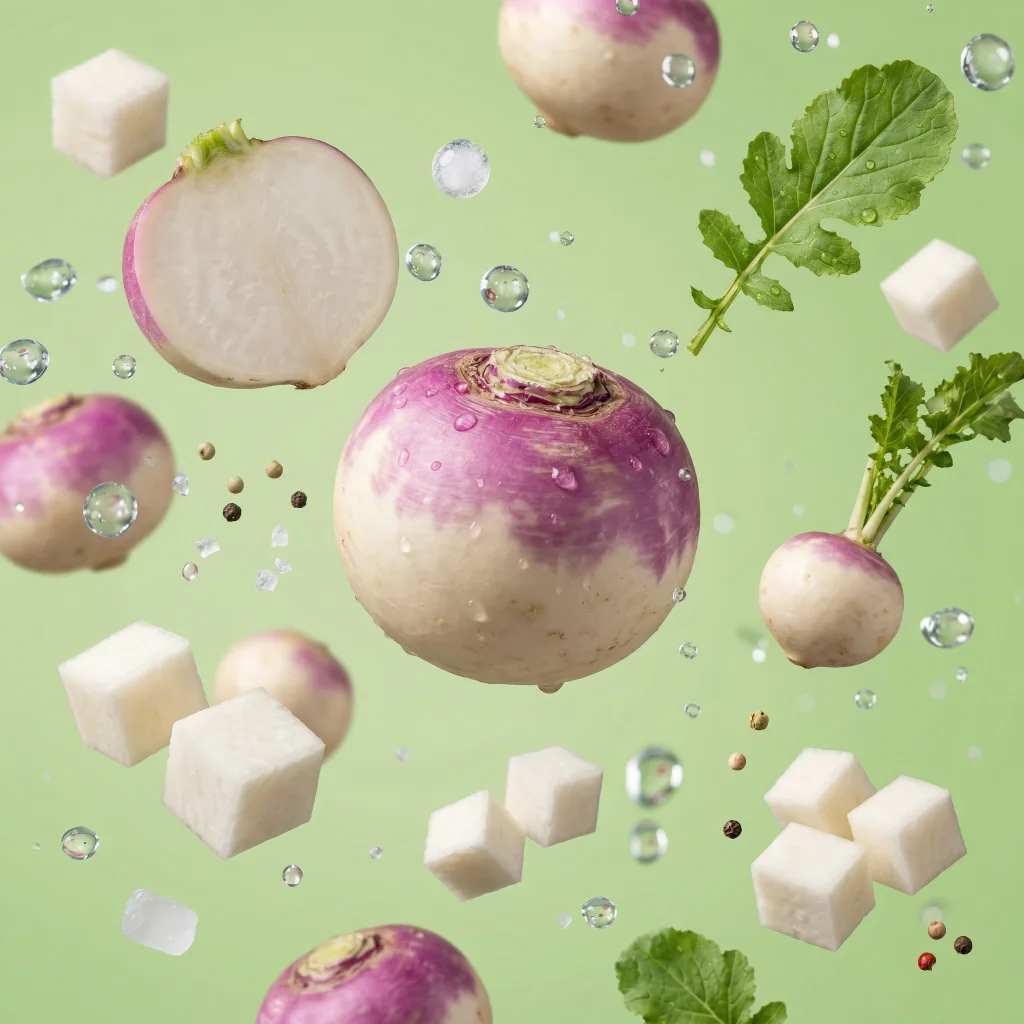
How to serve: Bite-size roasted pieces.
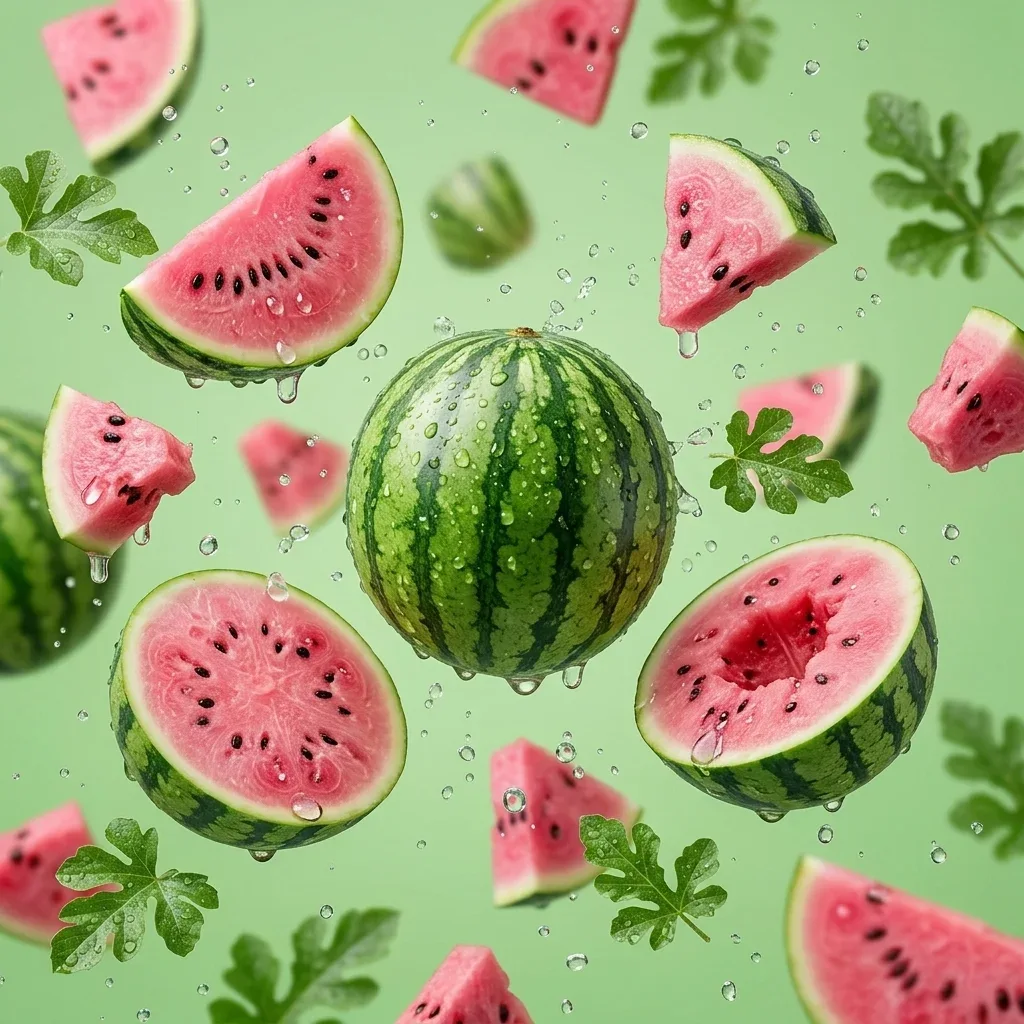
How to serve: Bite-size pieces — they can self-feed easily.
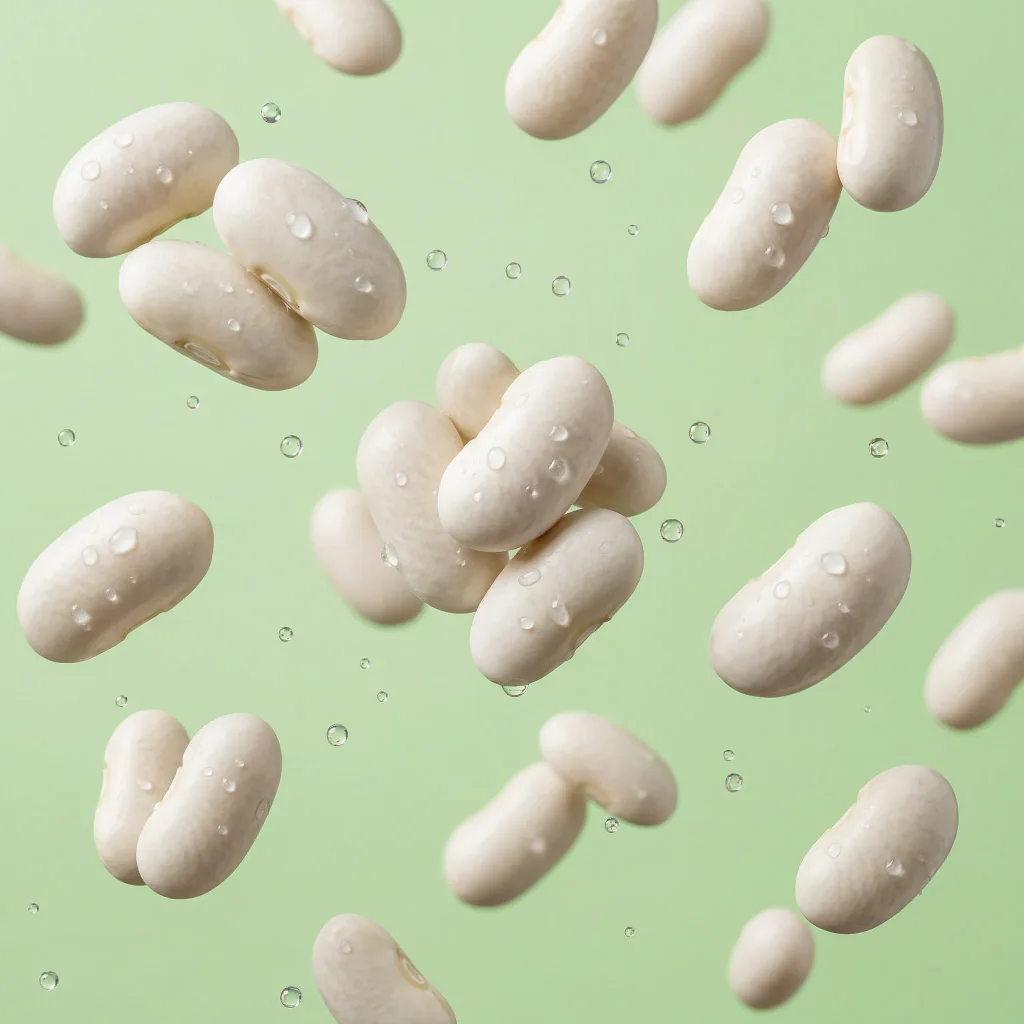
How to serve: Normal serving — whole, mashed, or in soups.
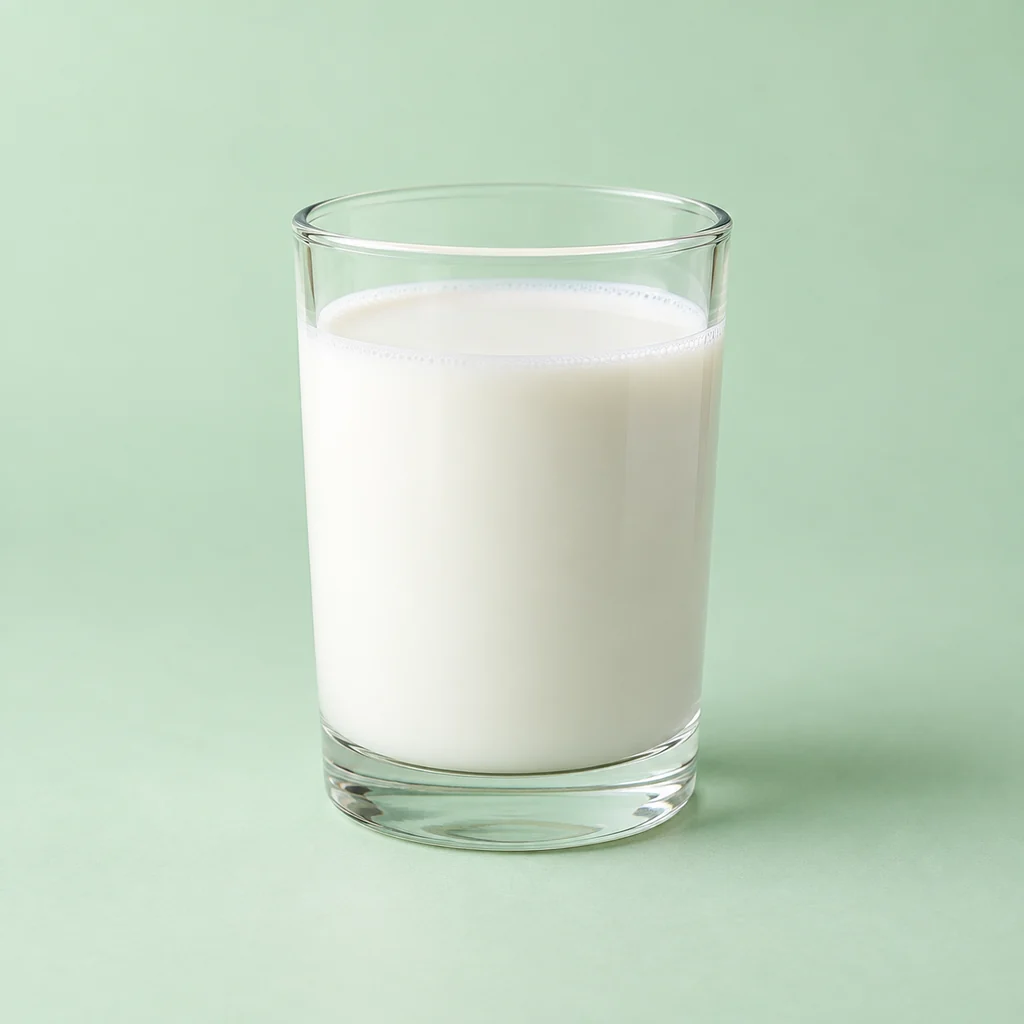
How to serve: As a main drink alongside water from 12 months.
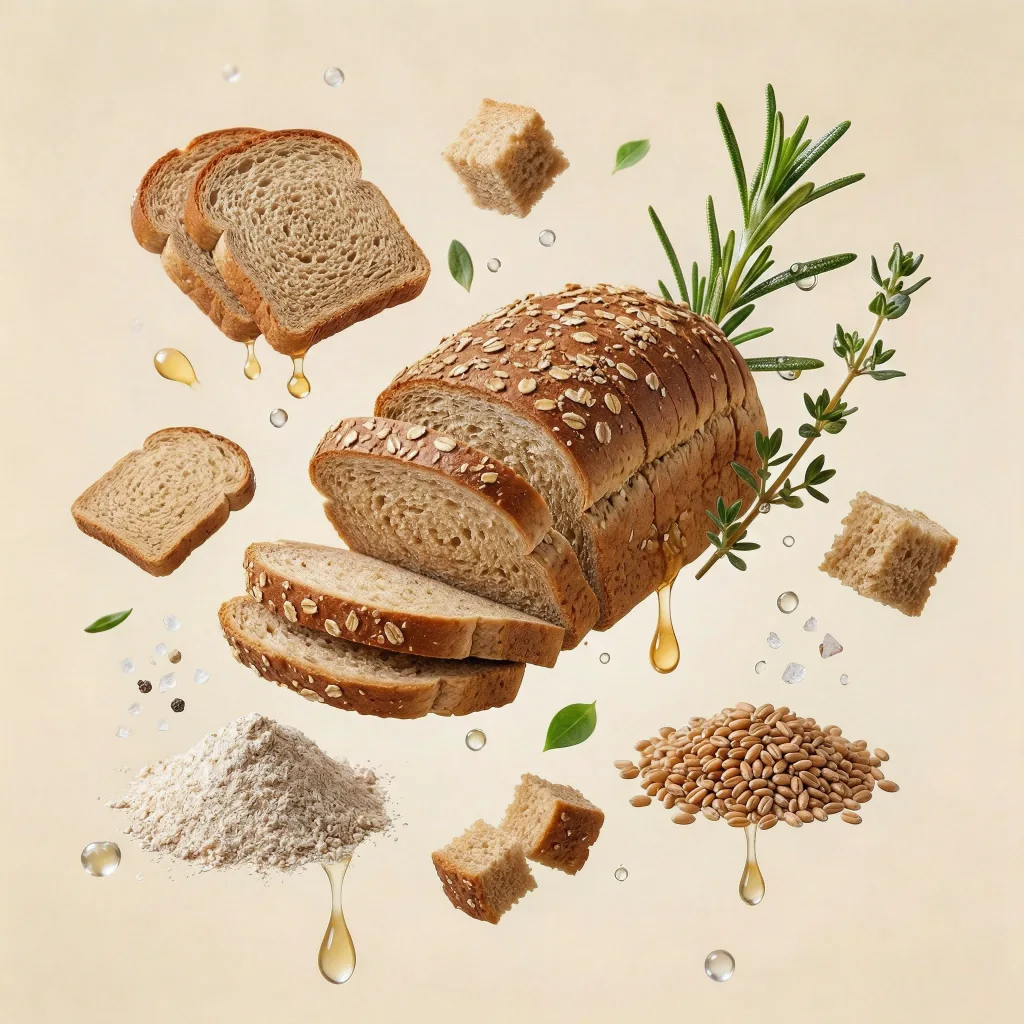
How to serve: Small sandwiches or normal bread portions.
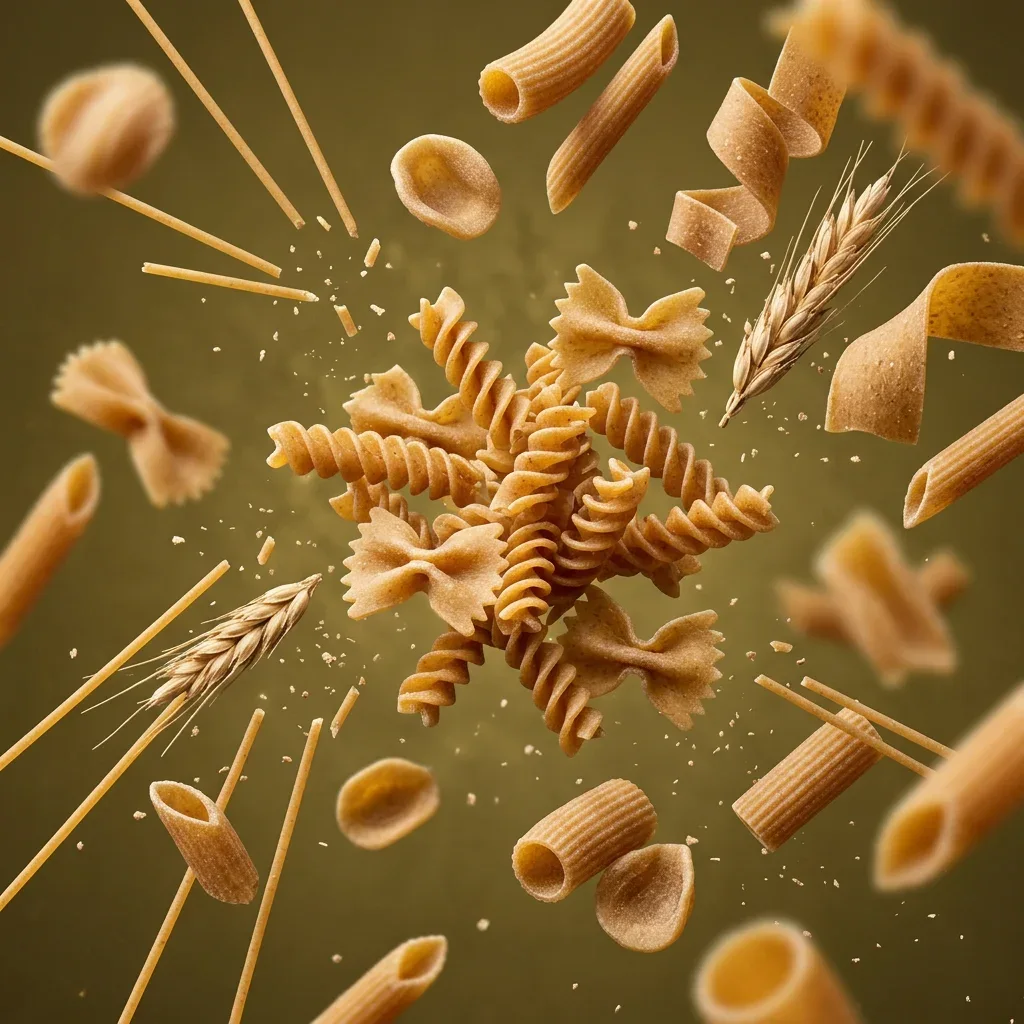
How to serve: Small pasta shapes they can pick up.
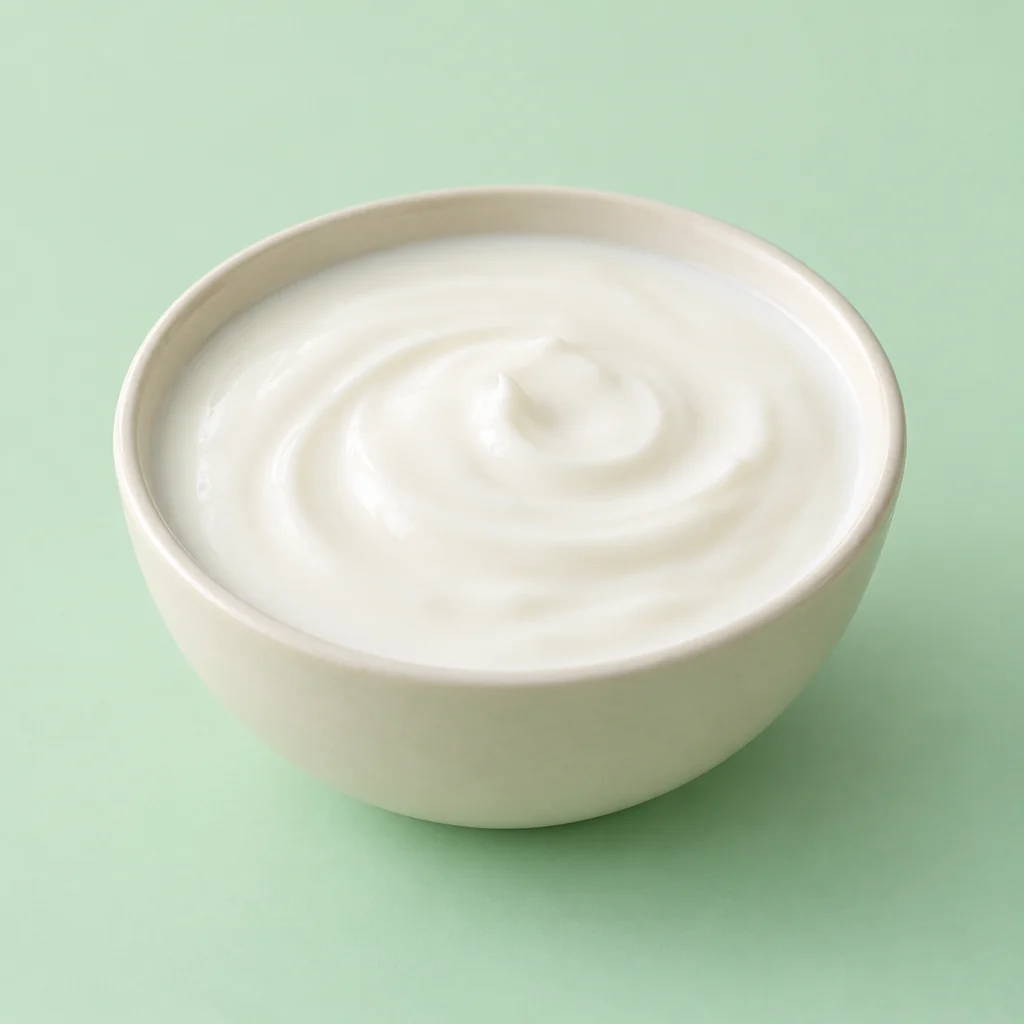
How to serve: Yogurt with a variety of toppings they can explore.
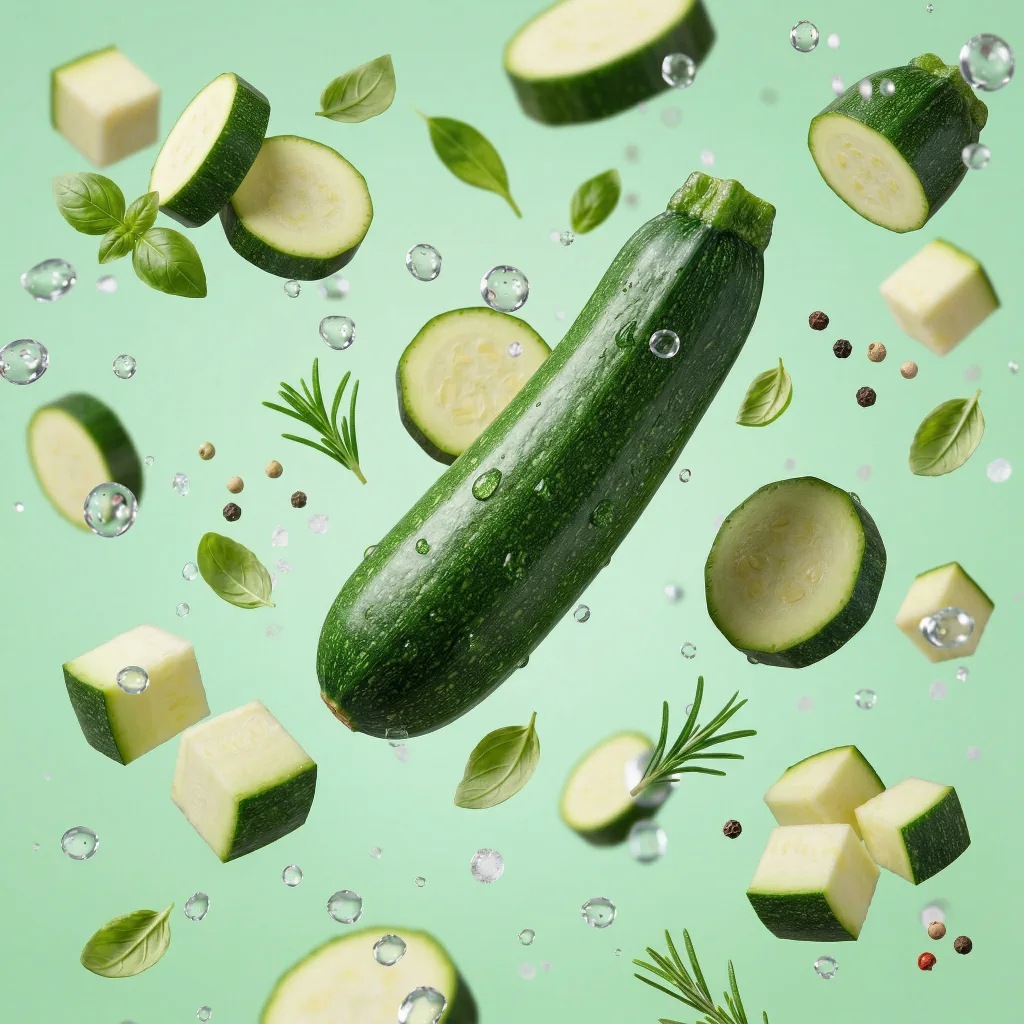
How to serve: Bite-size pieces they can self-feed.
No foods match that search.
Momsie tracks every food your baby has had, shows the gaps in their diet, and moves the guidance on by itself as they grow. Free on iPhone and Android.
General information based on NHS weaning guidance, not medical advice. Always stay with your baby while they eat. If you have concerns about allergies, choking or your baby's development, speak to your health visitor or GP.