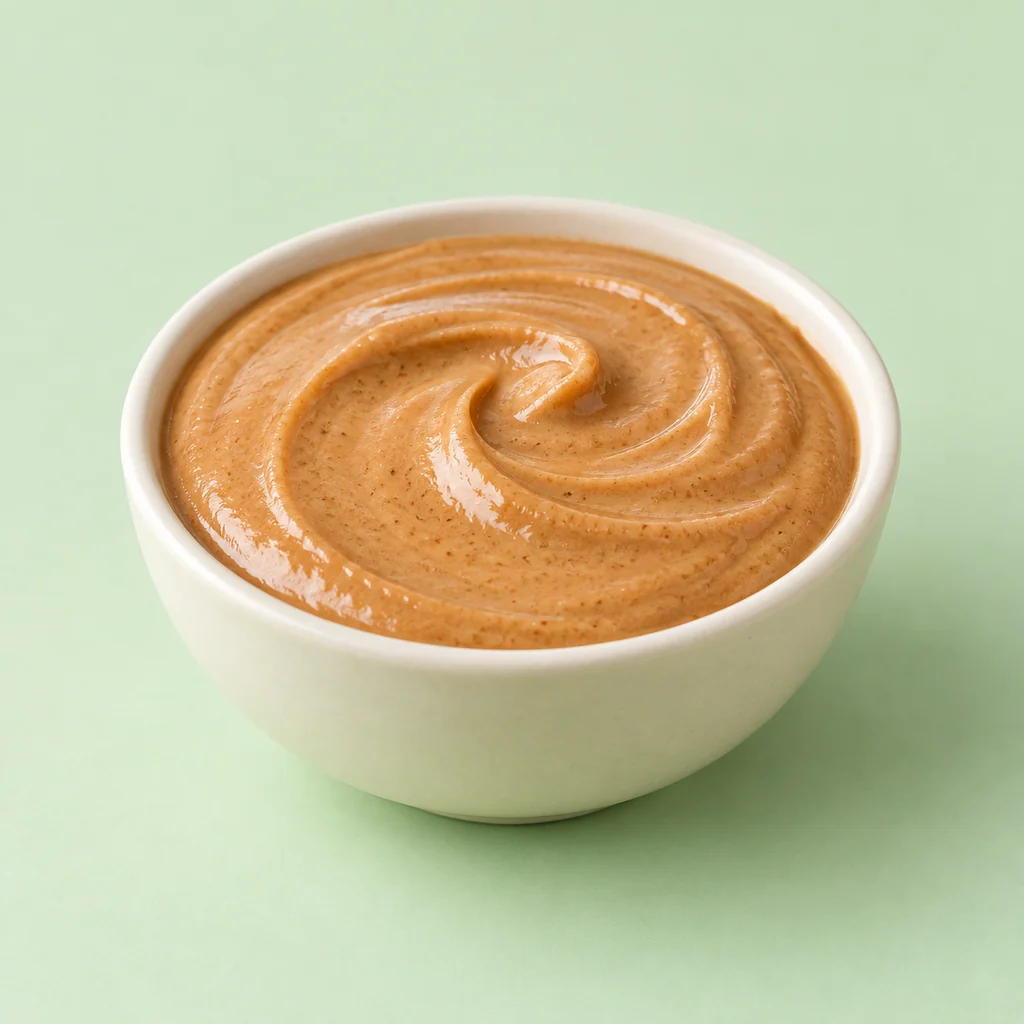
Almond Butter
How to serve: Mix 1 tsp smooth almond butter with 2–3 tsp water until runny — never thick.
Whole almonds and thick nut butter are choking hazards. Only thinned smooth almond butter is safe.
Momsie › What can my baby eat › 8 months
At 8 months, 122 of 123 foods in this guide are safe to offer, and 1 is still worth waiting on. Every serving suggestion below is written for the 6 to 8 months stage. Free, no sign-up, based on NHS weaning guidance.
Nothing new unlocks at 8 months. 122 of the 123 foods in this guide are safe to offer, prepared the right way.
Texture and preparation: 8 months falls in the 6 to 8 months band, so every serving suggestion below is the one written for that stage.
Next change: at 12 months, 1 more become suitable: whole milk.
Want to compare ages, or check a different month? Use the age slider to move through every stage.
How to serve: Mix 1 tsp smooth almond butter with 2–3 tsp water until runny — never thick.
Whole almonds and thick nut butter are choking hazards. Only thinned smooth almond butter is safe.
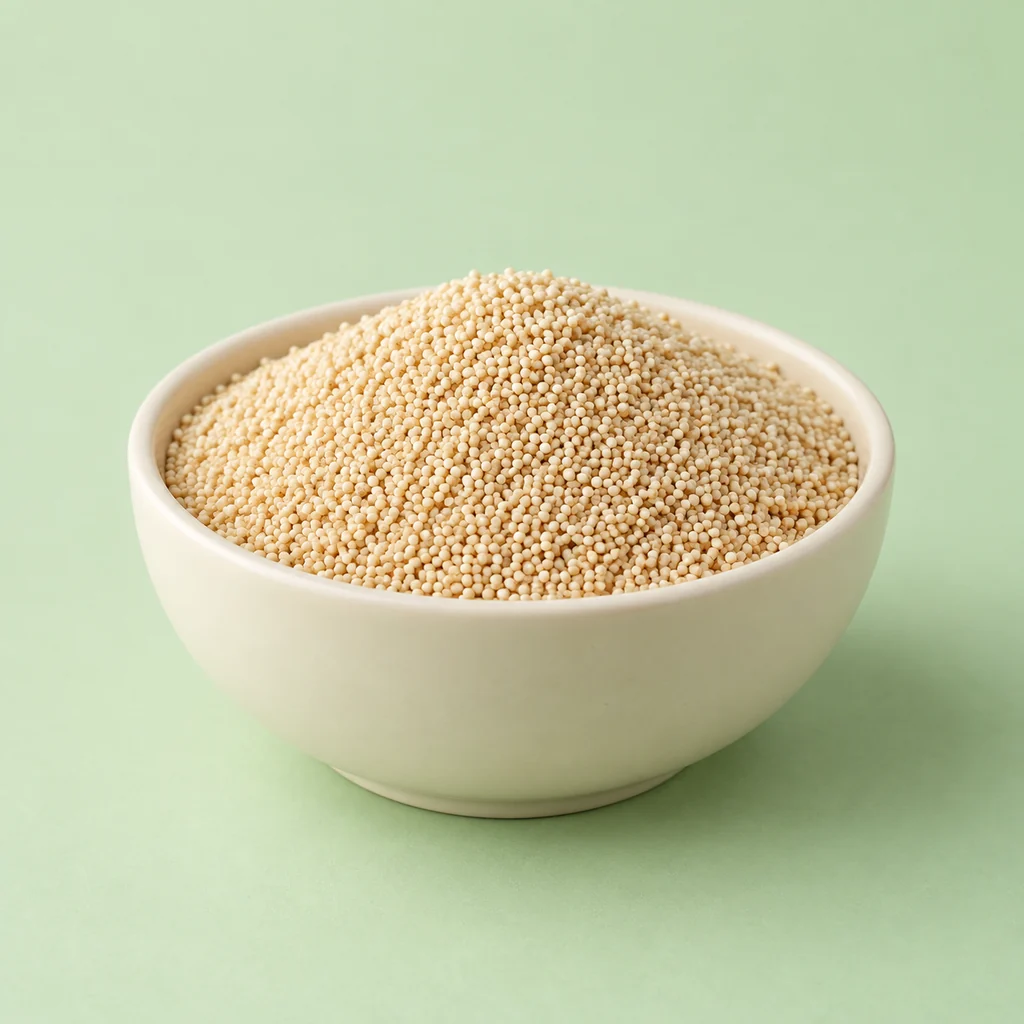
How to serve: Boil 1 part amaranth in 3 parts water for 20 min, stirring often. Blend until smooth.

How to serve: Steam until soft, then blend into a smooth purée.

How to serve: Steam until soft, blend to a smooth purée. Remove skin and stone first.
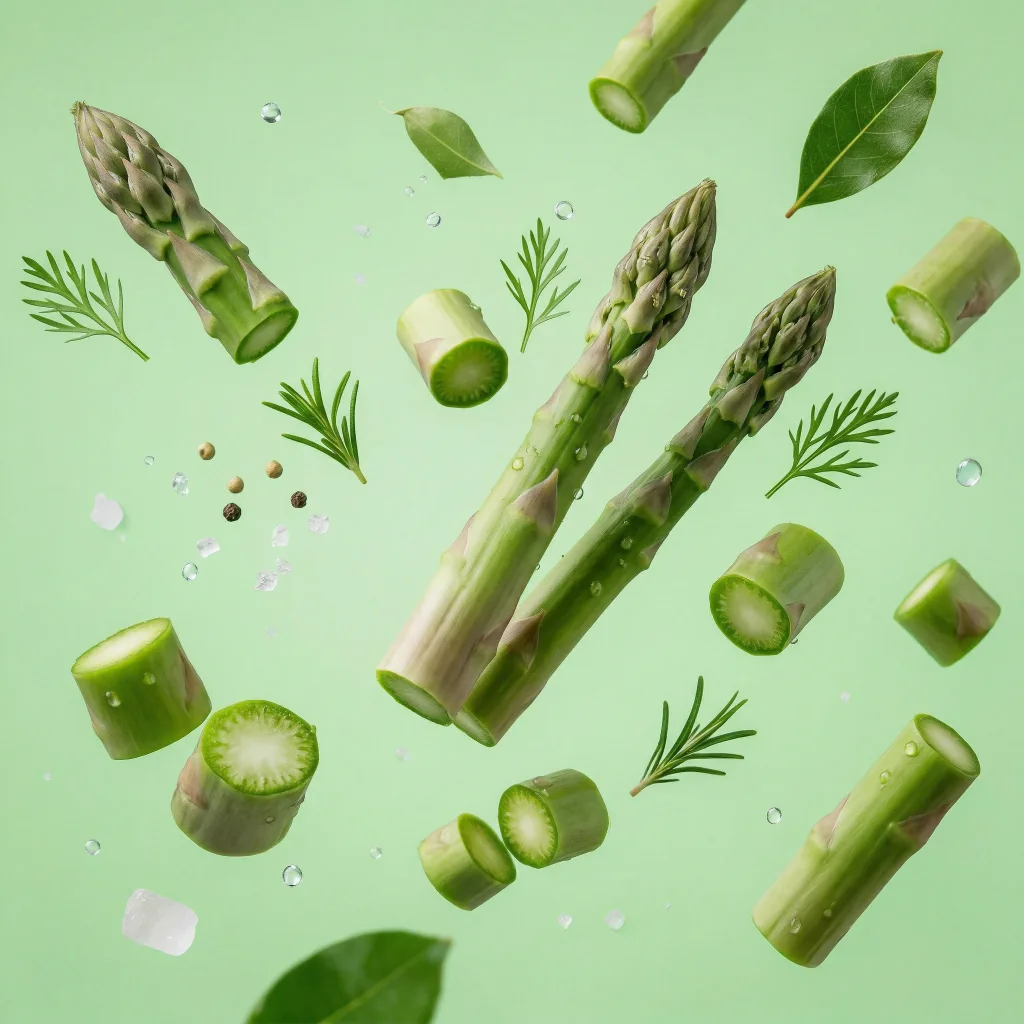
How to serve: Steam spears until very tender, blend into a smooth purée.
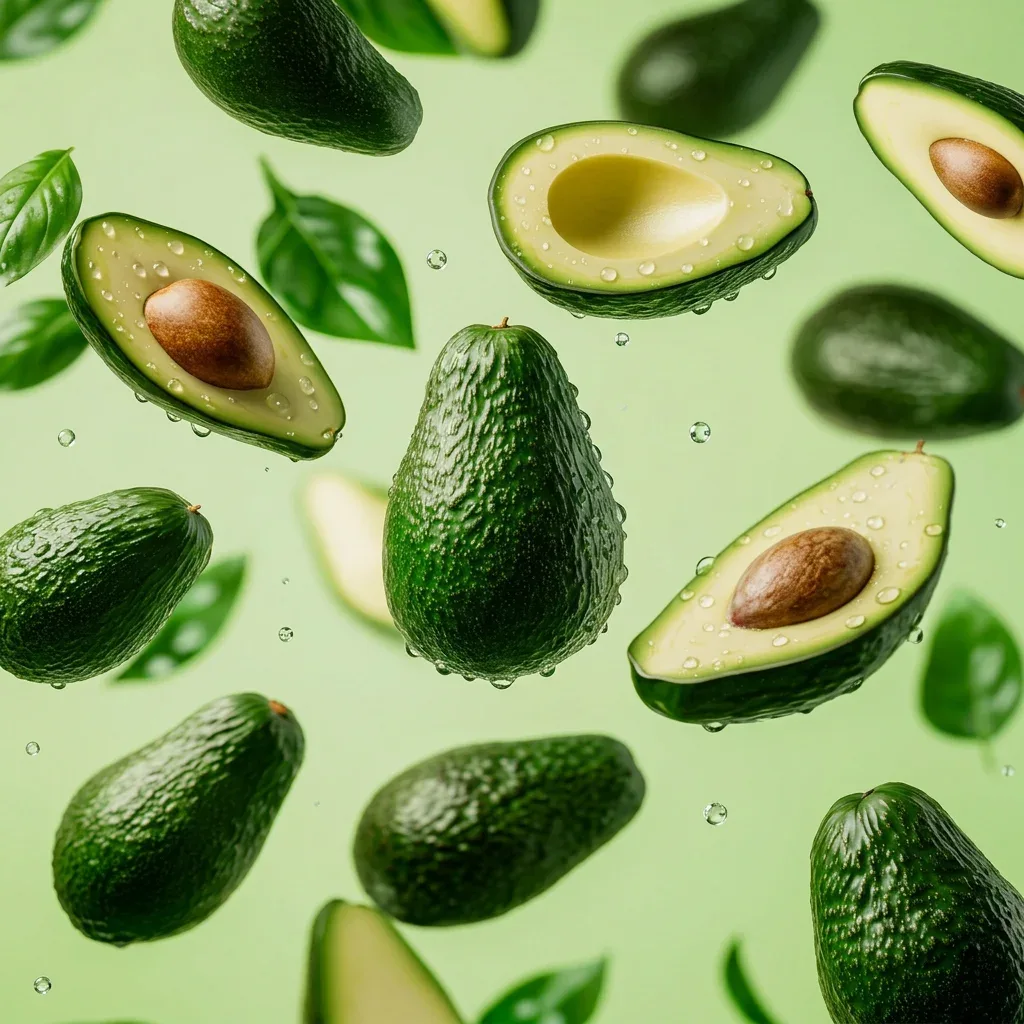
How to serve: Mash ripe flesh with a fork until completely smooth.

How to serve: Mash or blend to a smooth purée with no lumps.
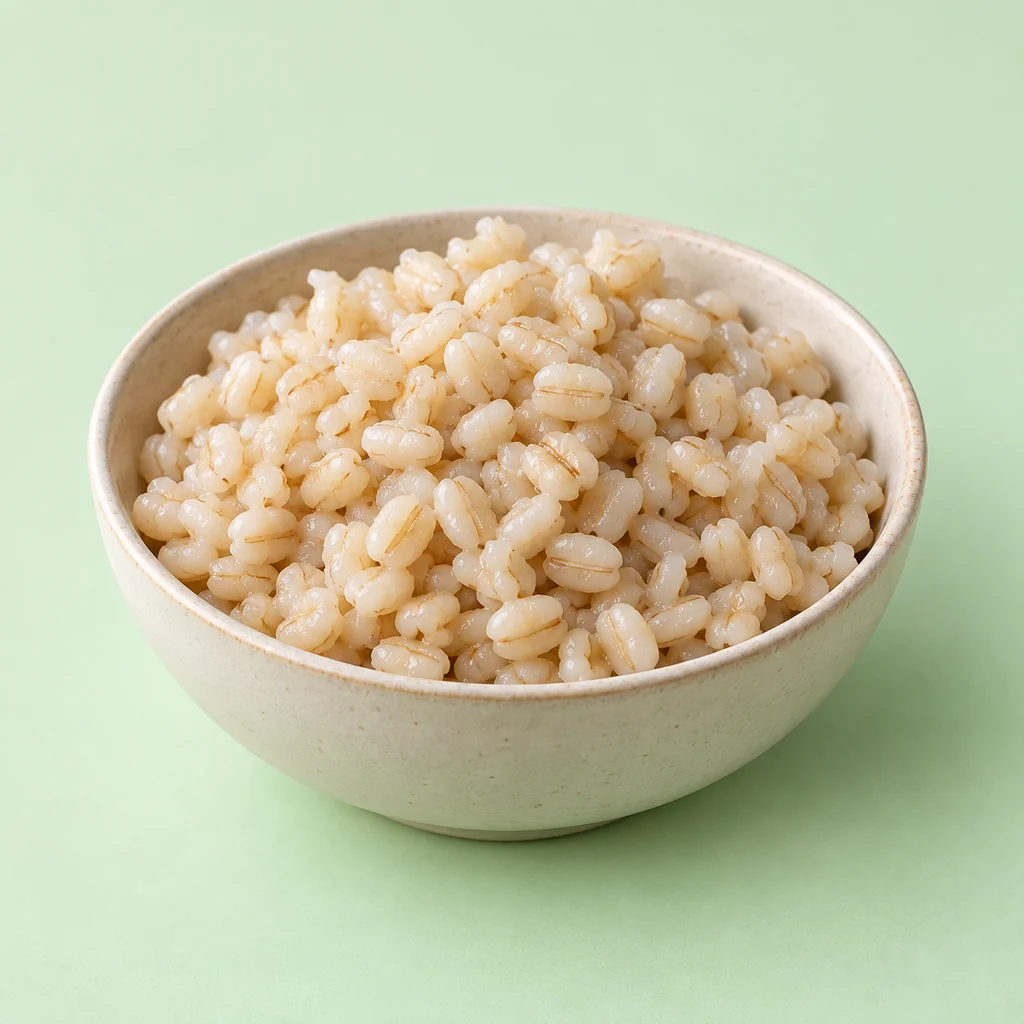
How to serve: Simmer pearl barley in water until very soft, then blend.

How to serve: Cook mince thoroughly until no pink remains, then blend with water or homemade unsalted stock (not a stock cube) to a smooth purée.

How to serve: Steam or roast until tender, peel and blend into a smooth purée.

How to serve: Roast until skin blisters, peel and blend into a smooth purée.
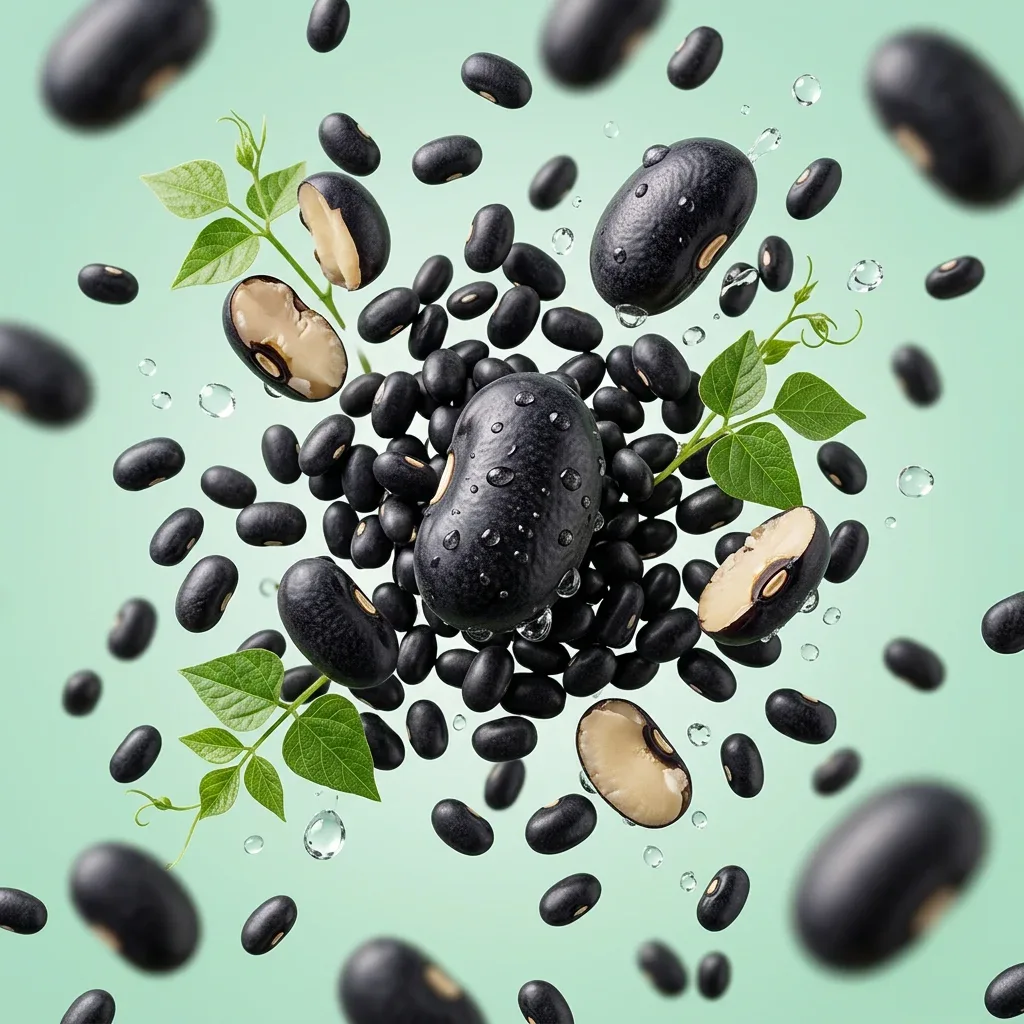
How to serve: Cook until very soft, then blend or mash to a smooth purée.

How to serve: Blend or mash and strain seeds for a smooth purée.

How to serve: Mash or blend raw blueberries into a smooth purée.
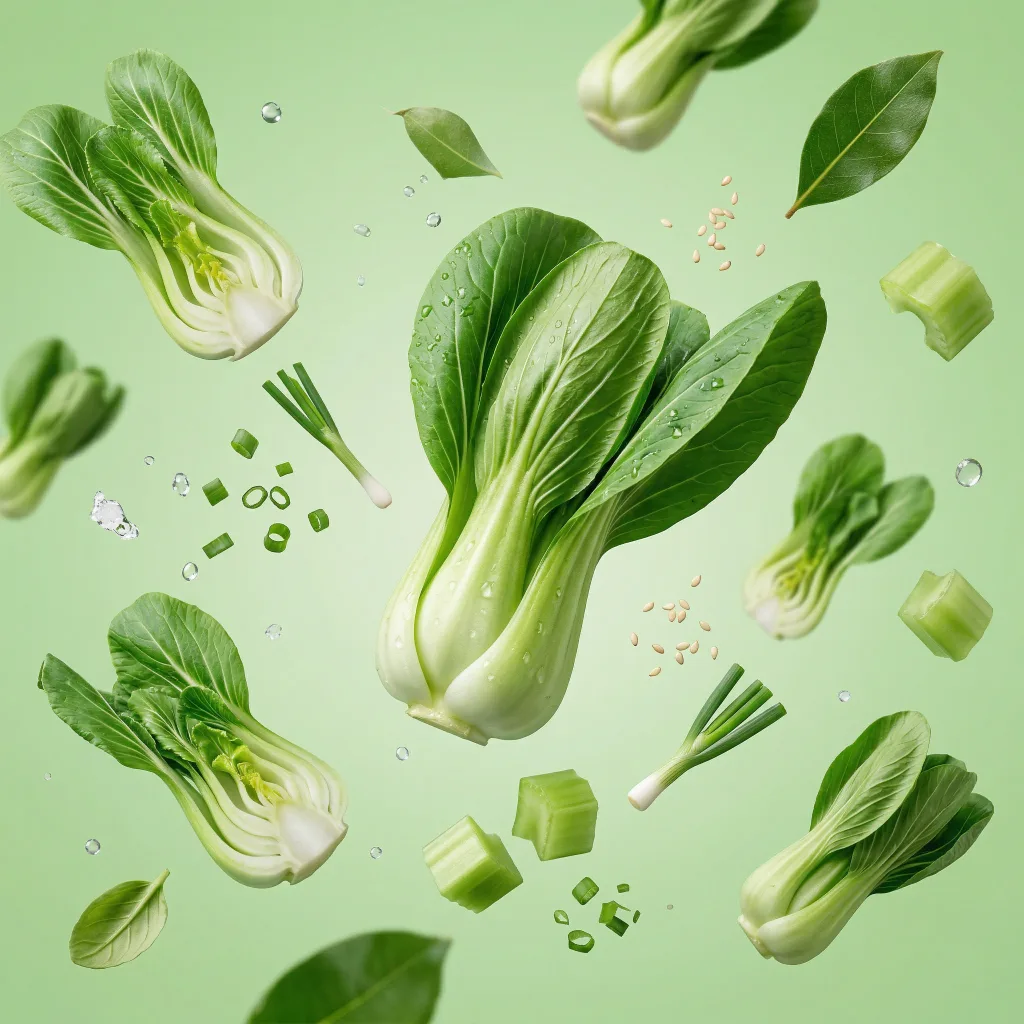
How to serve: Steam until very tender, blend leaves and stems into a smooth purée.

How to serve: Cook until very soft, remove skins, then blend or mash to a smooth purée.

How to serve: Steam until very tender, then blend with cooking water to a smooth purée.
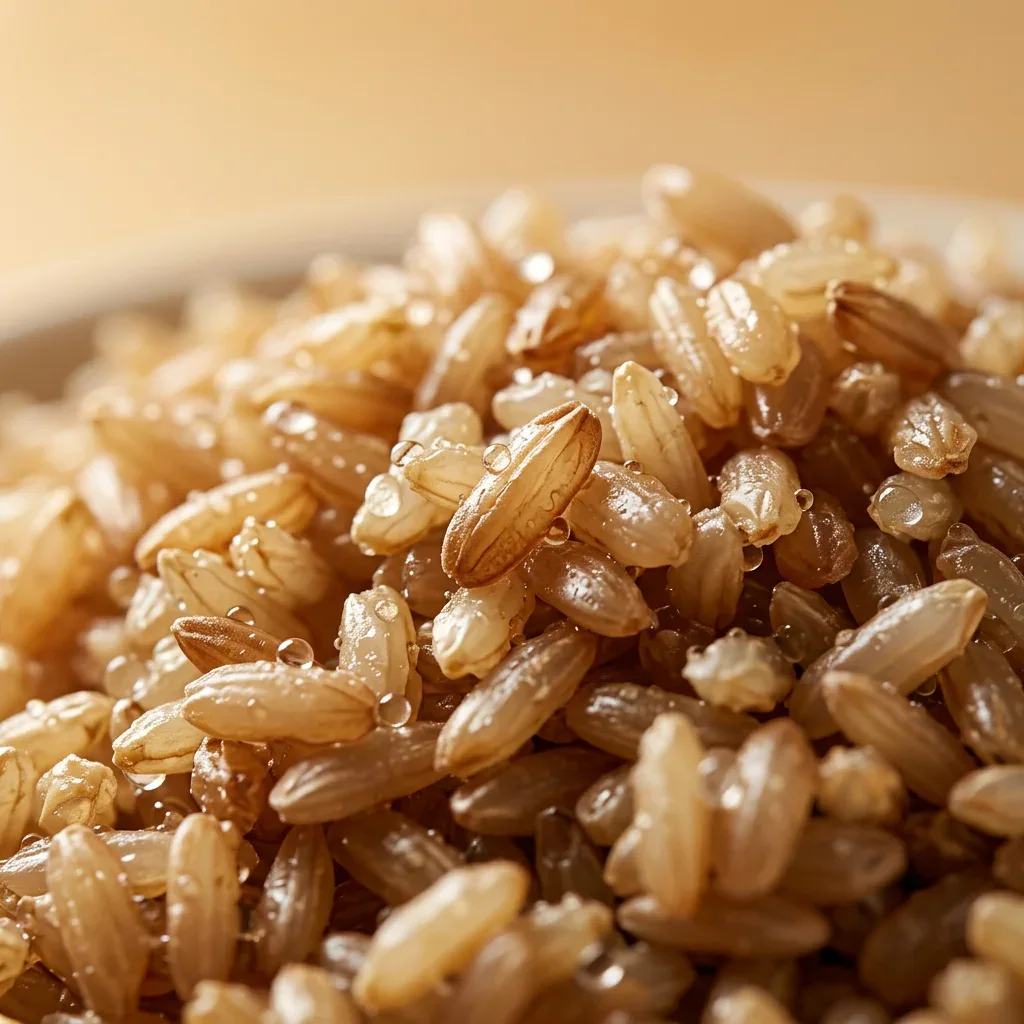
How to serve: Simmer until very soft, then blend with water into a smooth rice purée.
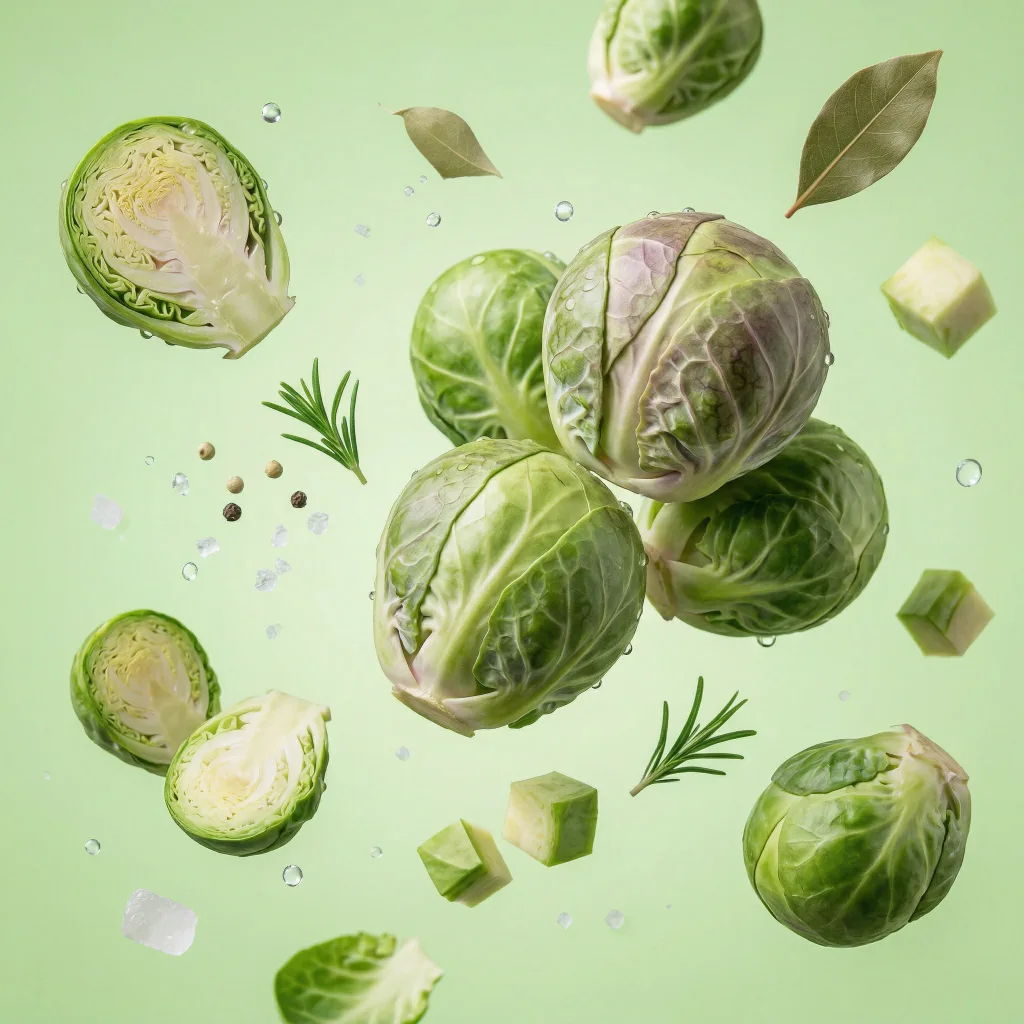
How to serve: Steam until very soft, blend into a smooth purée. Pair with sweet potato to balance bitterness.

How to serve: Cook groats in water until very soft, then blend until smooth.
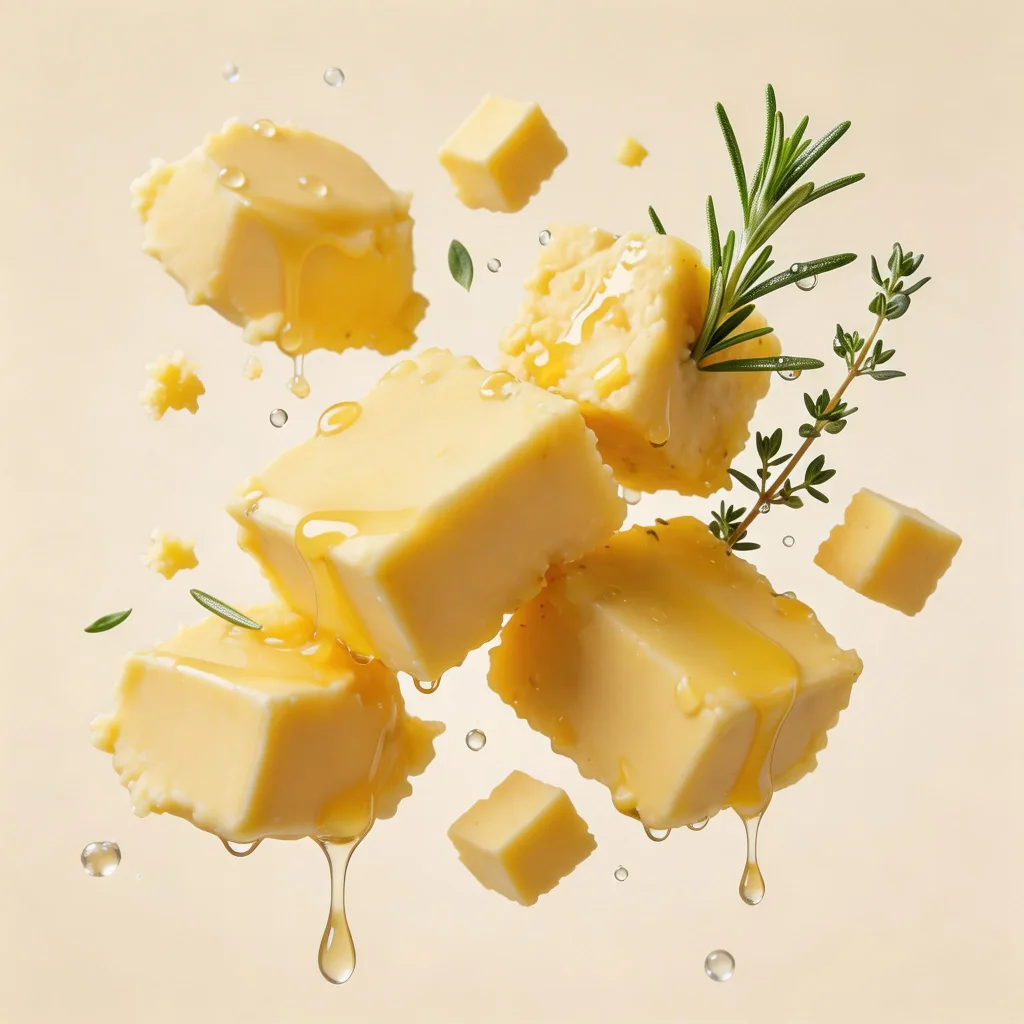
How to serve: Melt a small amount into warm foods — no additional cooking required.

How to serve: Use canned butter beans and blend until creamy smooth.
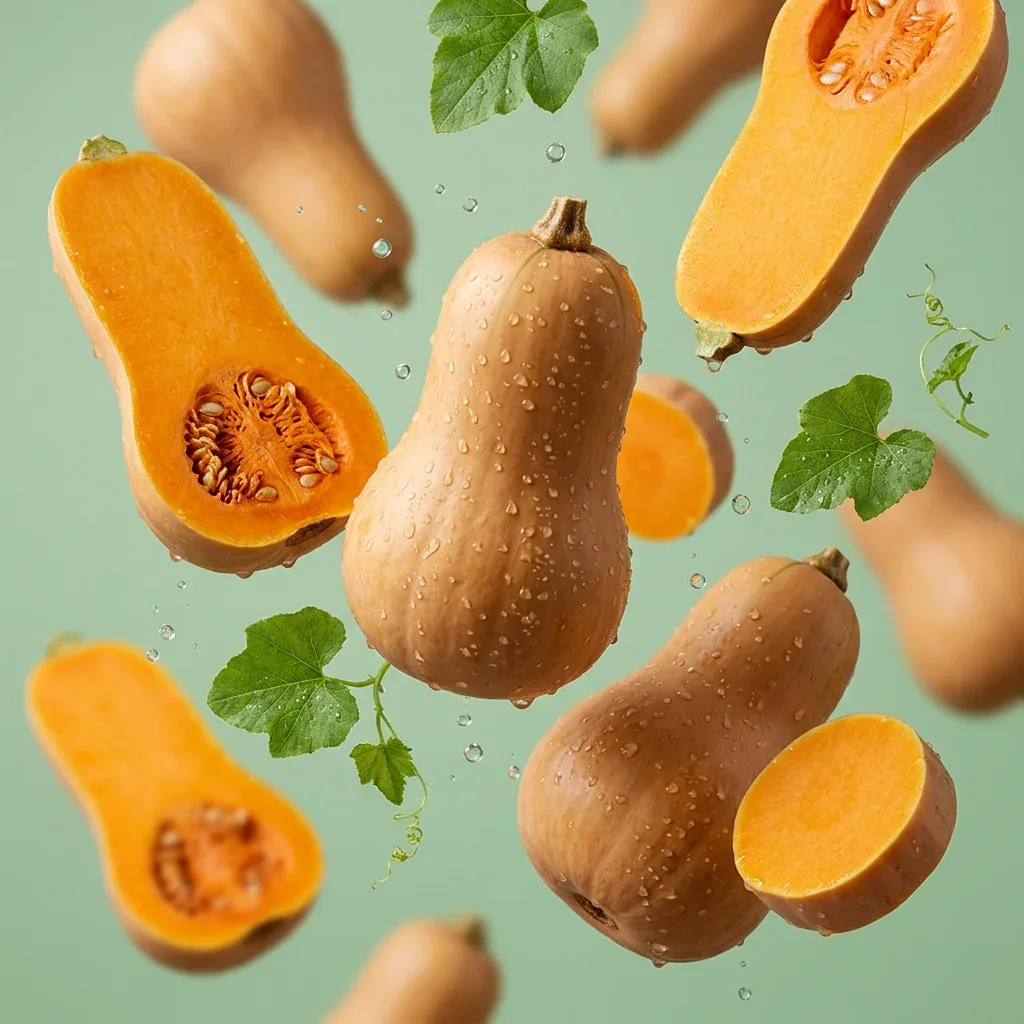
How to serve: Halve, roast with skin on at 200°C, then scoop and blend.

How to serve: Steam until very soft and blend to a smooth purée. Mix with potato or carrot for a milder flavour.
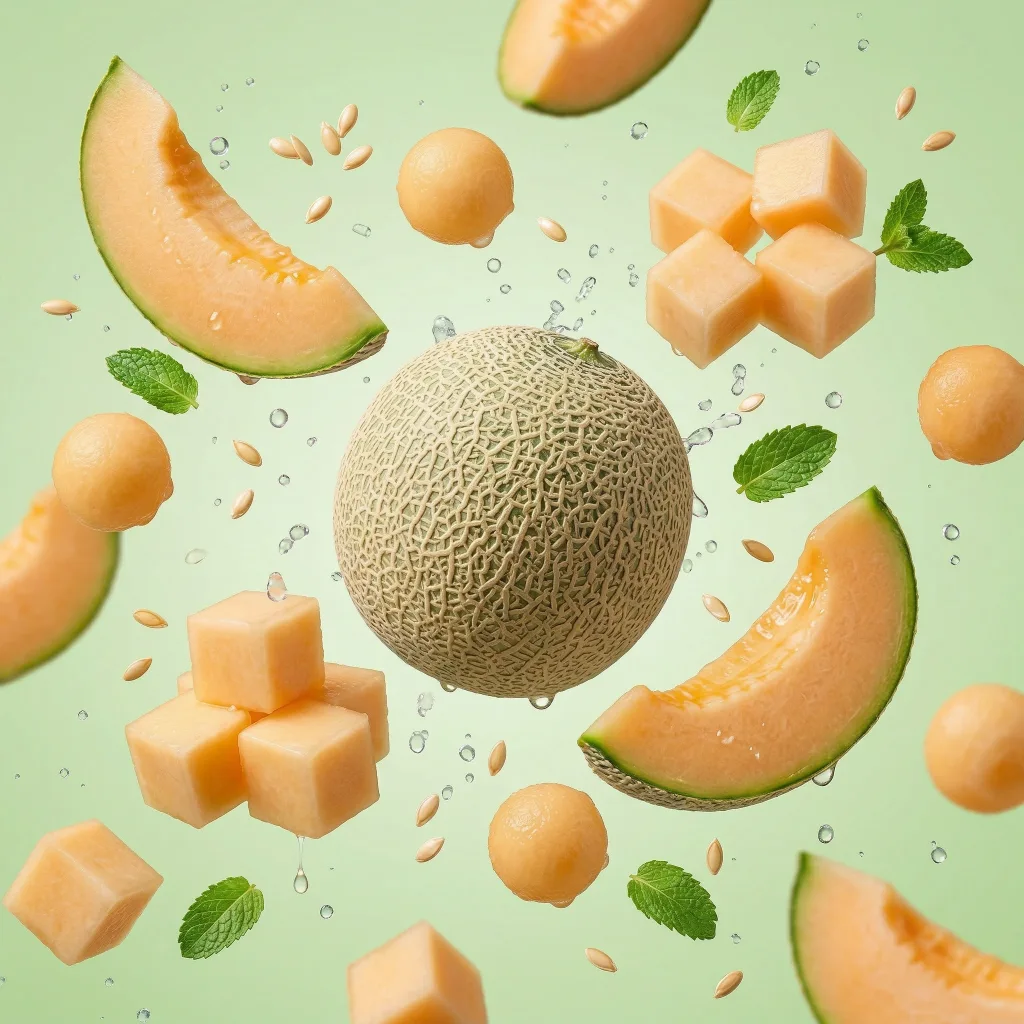
How to serve: Blend ripe flesh into a smooth purée.

How to serve: Steam until completely tender, then blend to a smooth purée.
How to serve: Steam until very soft, then blend to a creamy purée.
How to serve: Remove all stringy fibres, cook until completely soft, then blend to a smooth purée.
Raw celery is a high choking hazard for babies and toddlers — always cook until very soft. The stringy fibres must also be removed before serving.
How to serve: Grate finely and stir into warm foods to melt in.

How to serve: Pit and blend into a smooth purée.

How to serve: Poach until cooked through, then blend with water or homemade unsalted stock (not a stock cube) to a smooth purée.
How to serve: Cook thoroughly until steaming hot throughout, with no pink centre. Blend into a smooth purée.
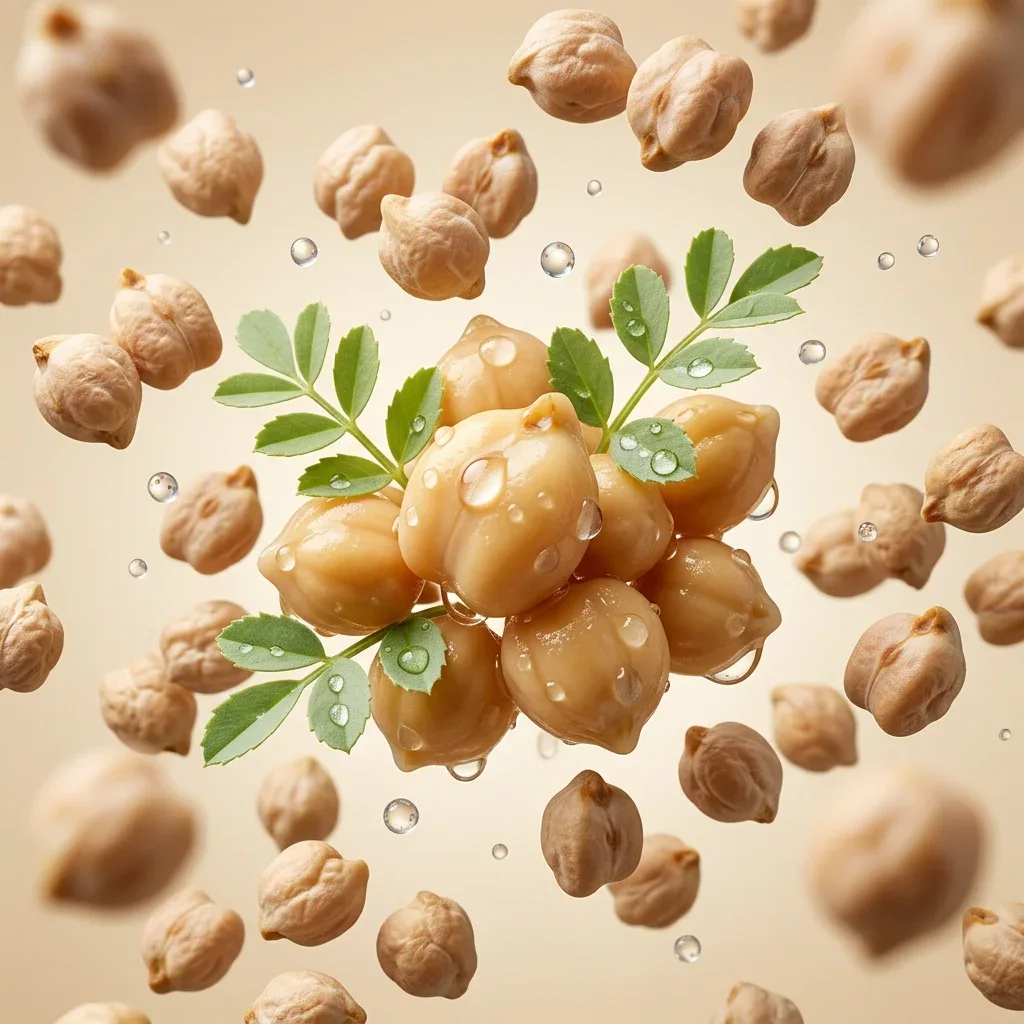
How to serve: Blend cooked chickpeas with olive oil and a small amount of water.
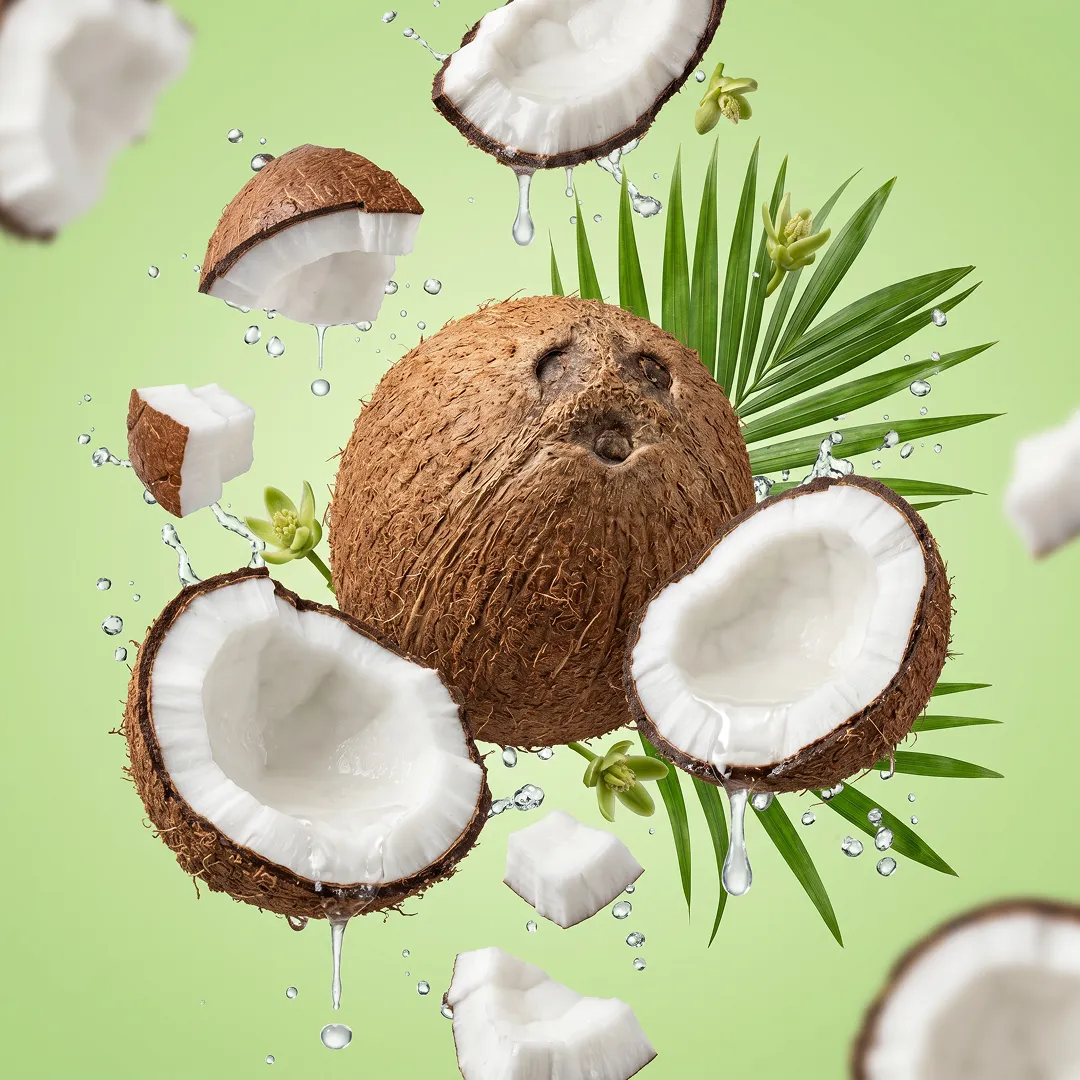
How to serve: Use full-fat coconut milk or cream mixed into purées. Avoid desiccated coconut entirely.
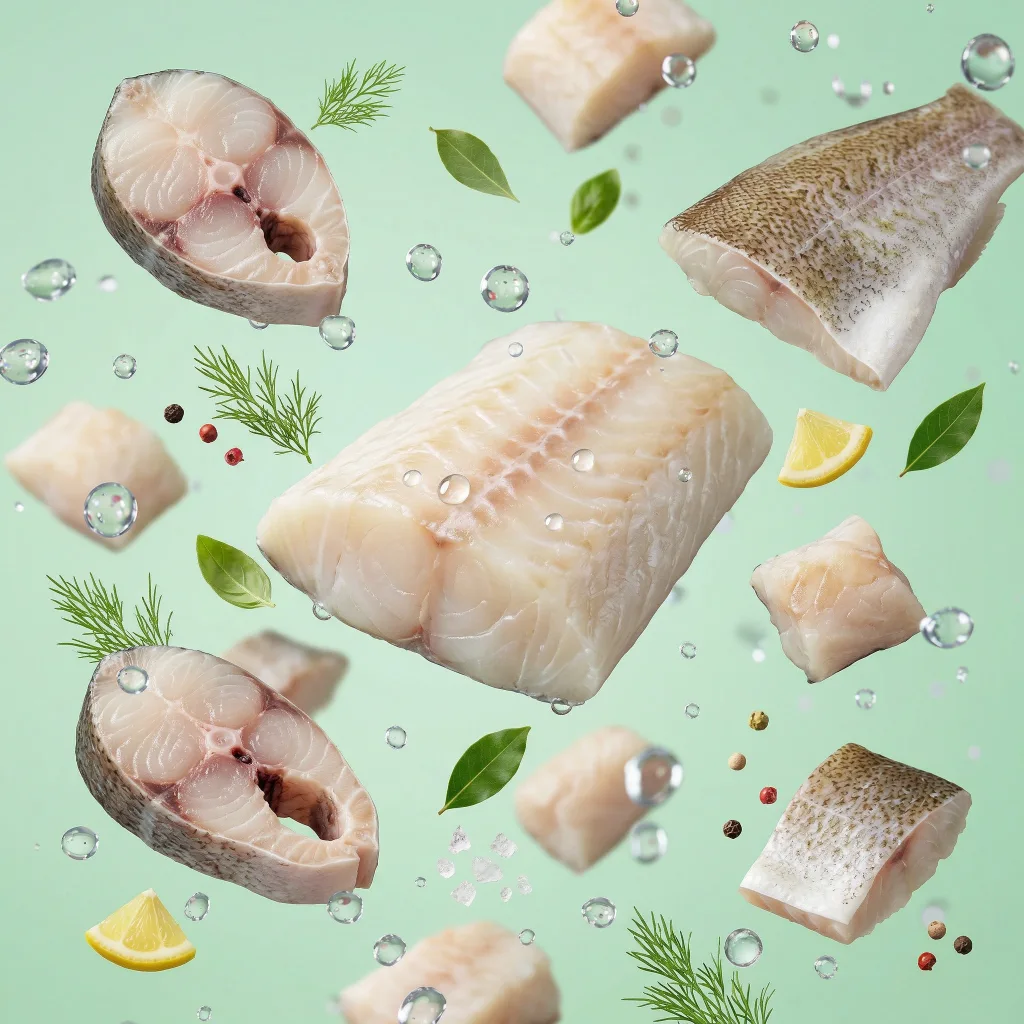
How to serve: Steam or bake until cooked through — mash and check carefully for bones.

How to serve: Cook until very tender, cut kernels off cob and blend into a smooth purée.
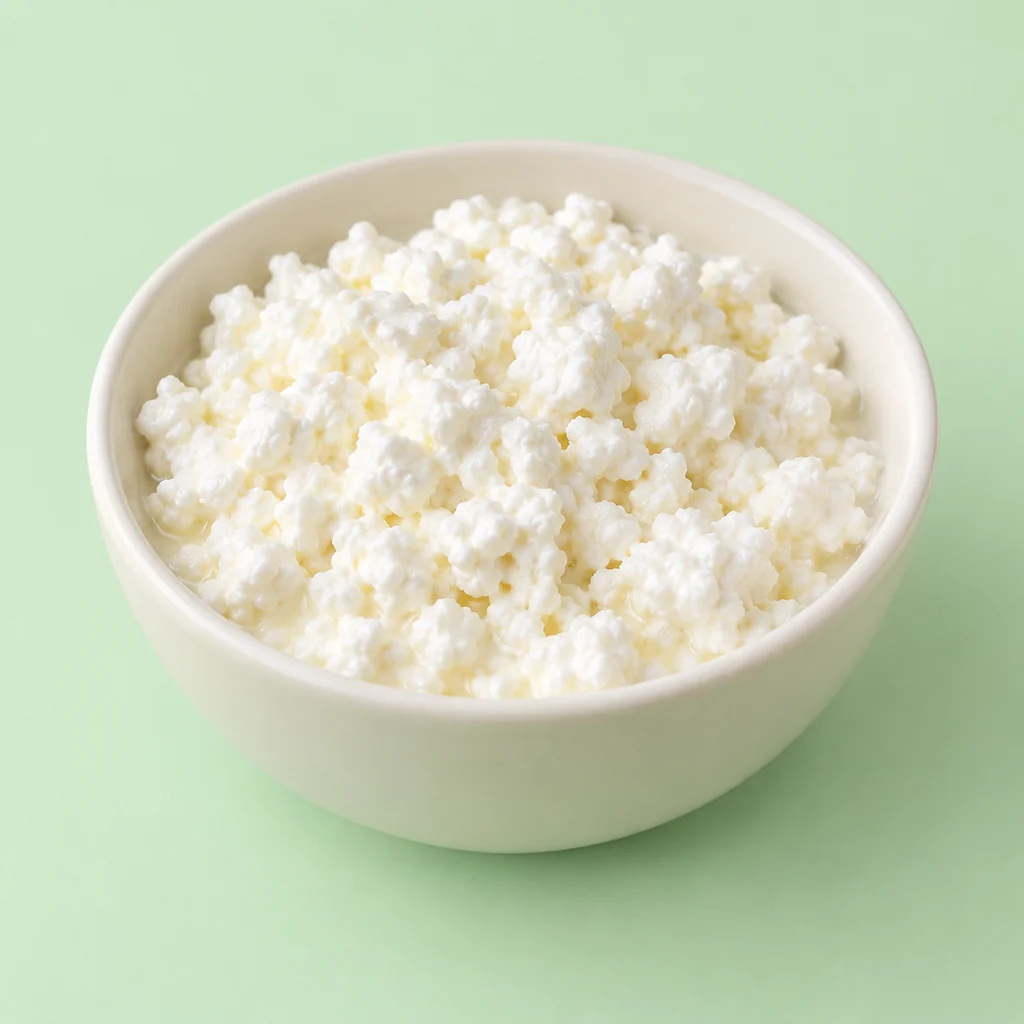
How to serve: Choose pasteurised full-fat cheese. Serve plain full-fat cottage cheese at room temperature.
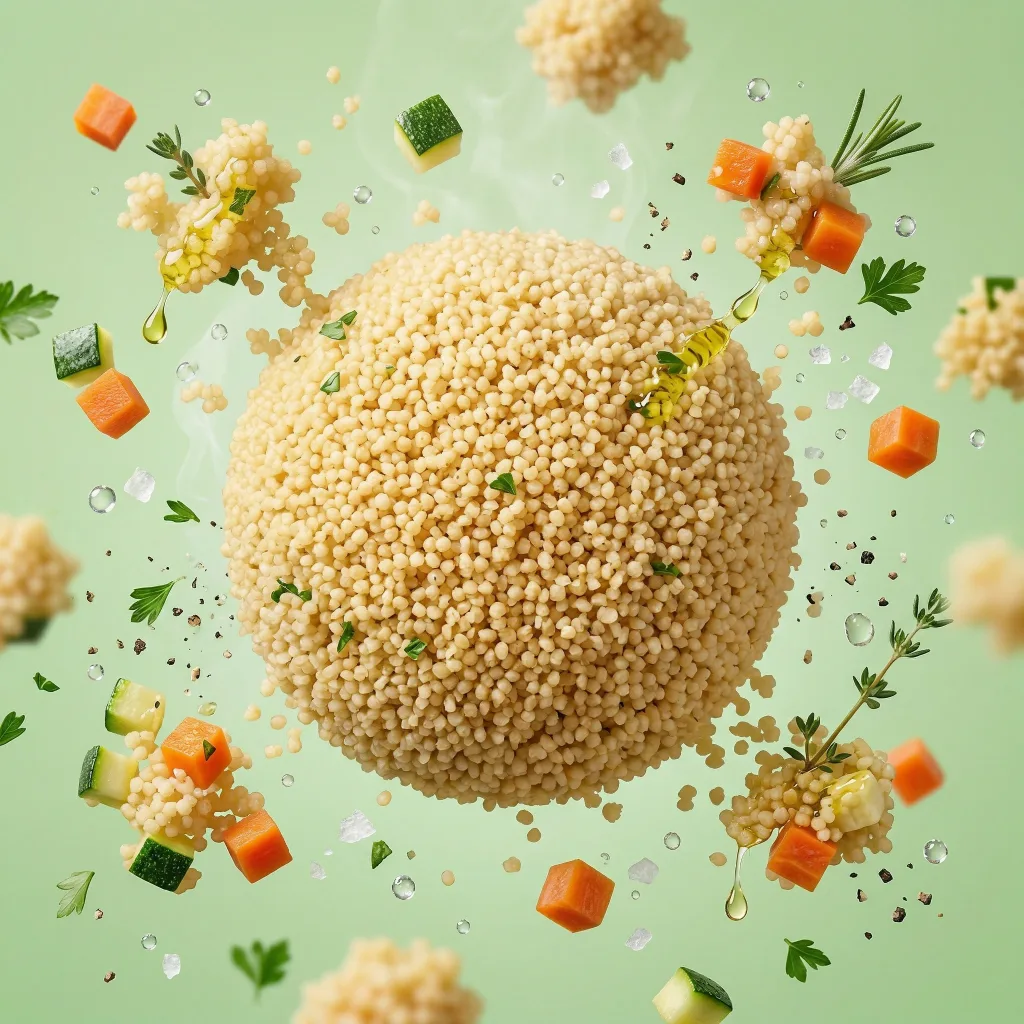
How to serve: Pour boiling water over couscous, cover and rest 5 min. Fluff and mash into soft food.
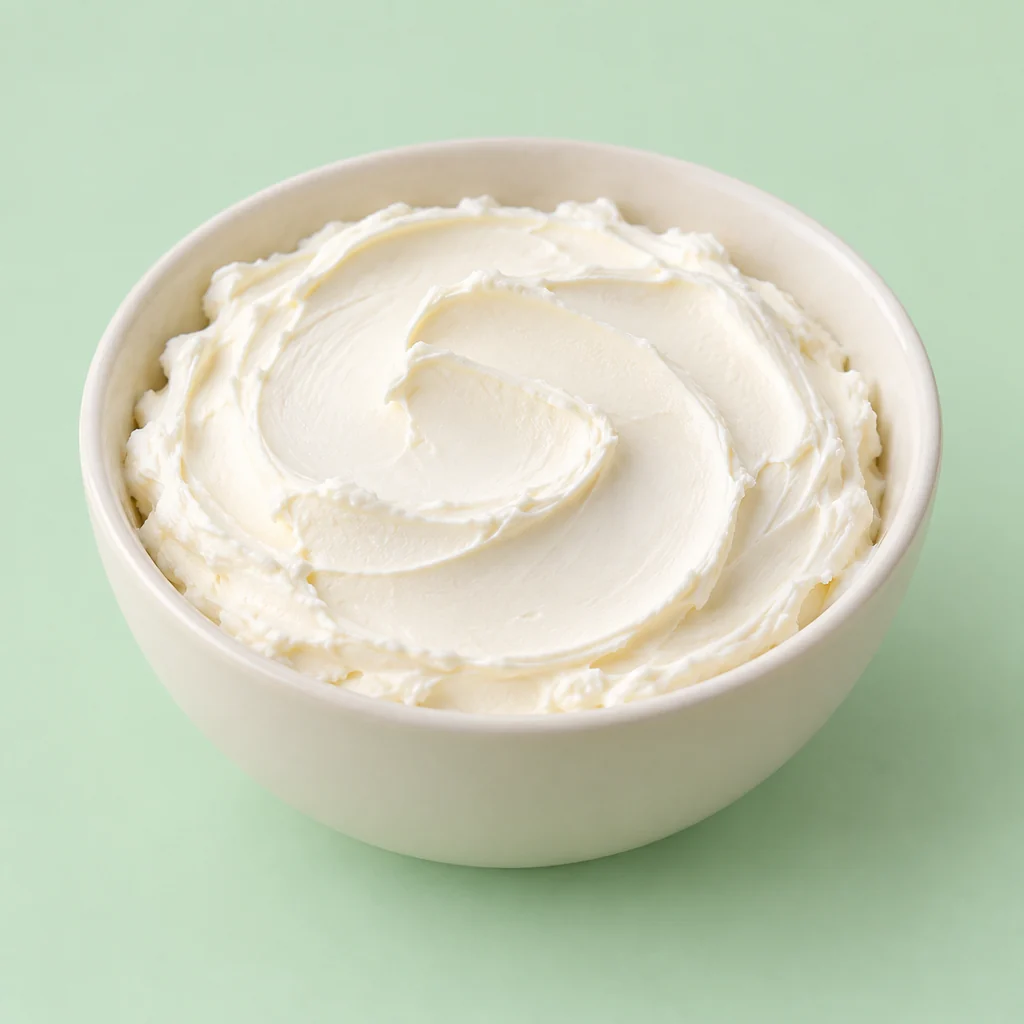
How to serve: Choose pasteurised full-fat cheese. Serve plain, no-salt cream cheese spread on soft foods.
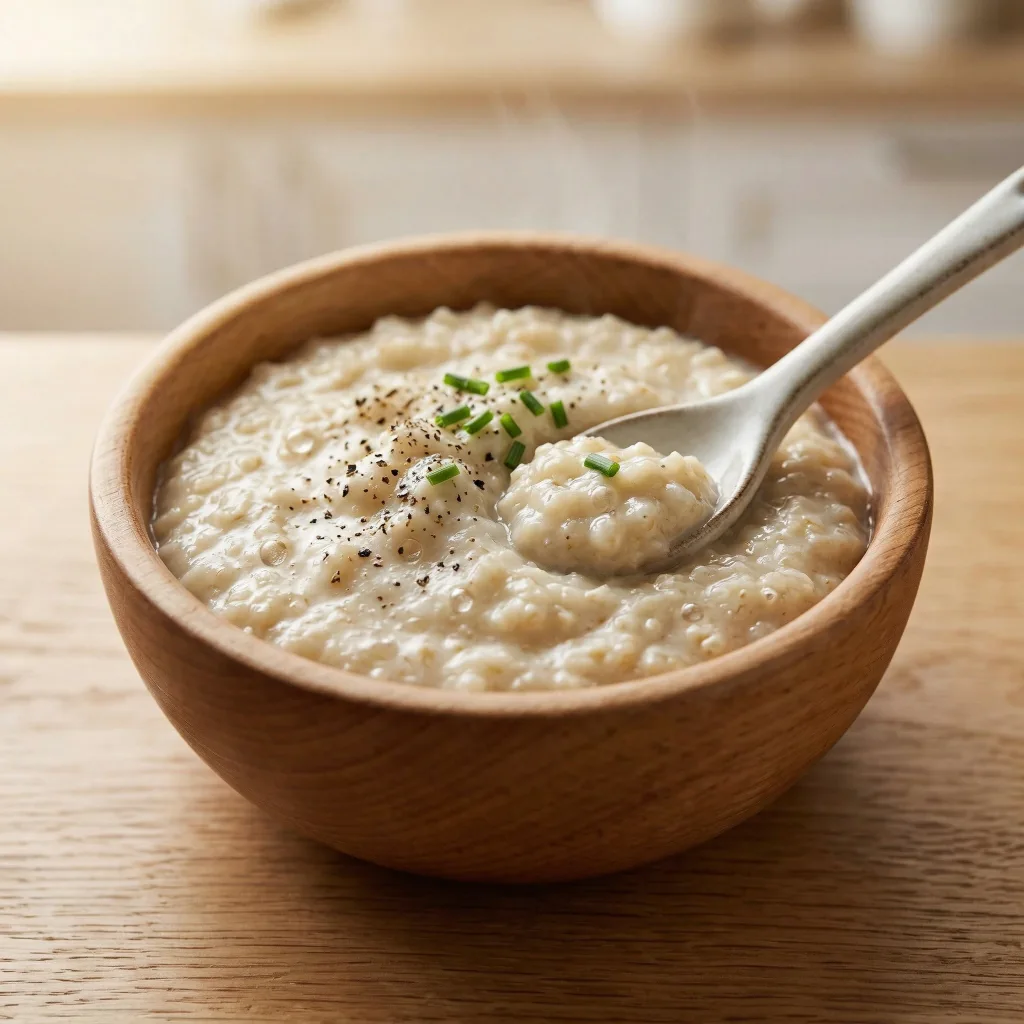
How to serve: Cook in water or breast milk until very smooth and thick. Cool before serving.
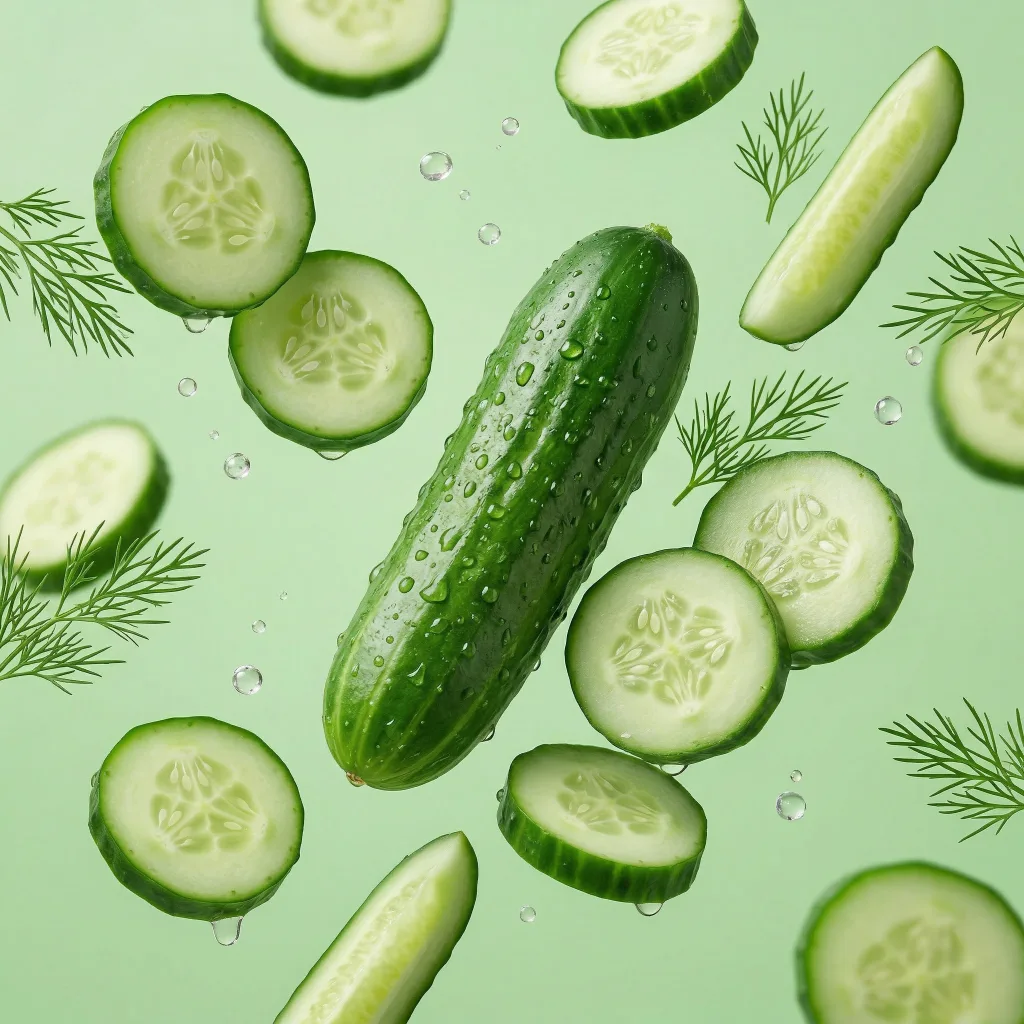
How to serve: Peel, deseed and offer as a long soft strip for gnawing at 6 months.

How to serve: Soak in warm water, remove pit, then blend to a smooth paste. Mix into porridge or fruit purées.
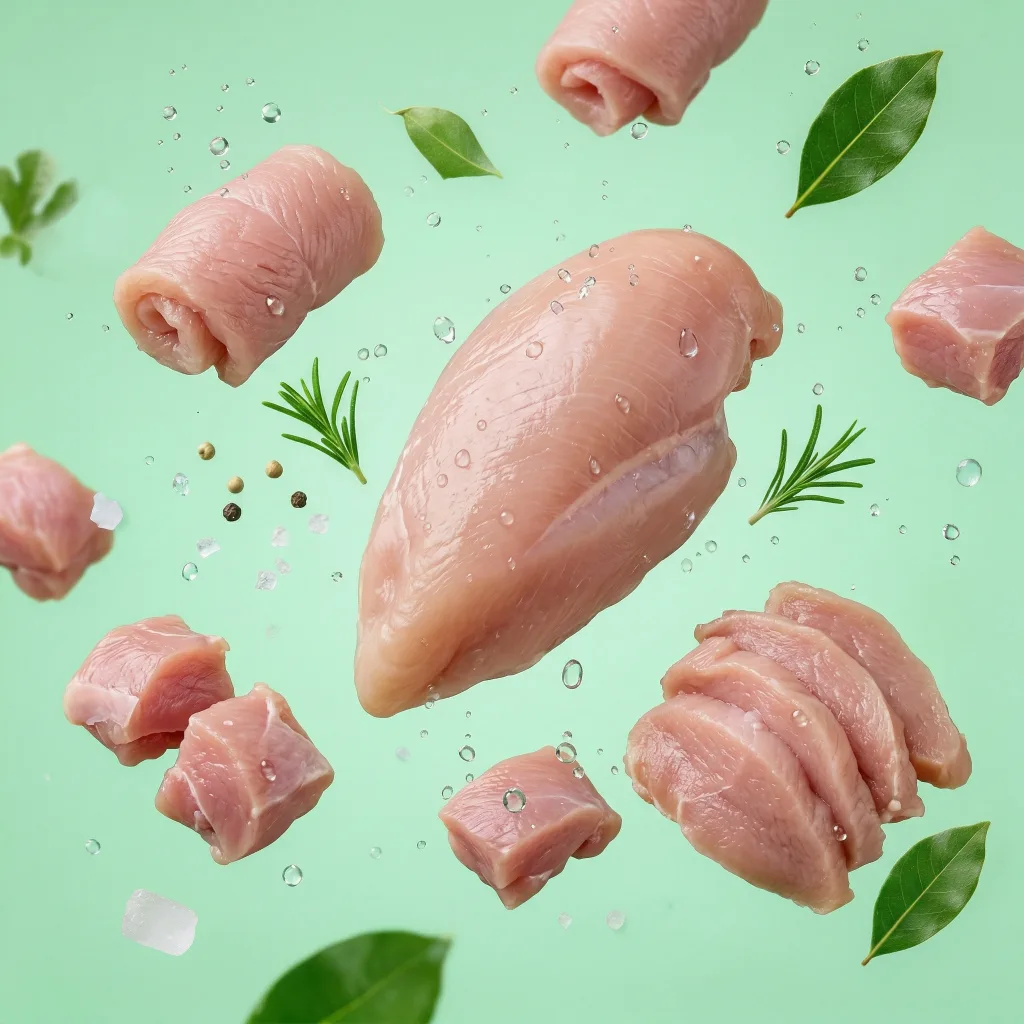
How to serve: Cook until very tender, blend leg meat with cooking juices into a smooth purée.

How to serve: Steam shelled beans until tender, then mash or blend thoroughly.
Whole edamame beans can be a choking hazard. Always remove from pods and mash before serving.

How to serve: Cook the egg until white and yolk are fully set, then mash into a soft purée. Do not add salt.

How to serve: Roast until very soft, scoop flesh and blend into a smooth purée.
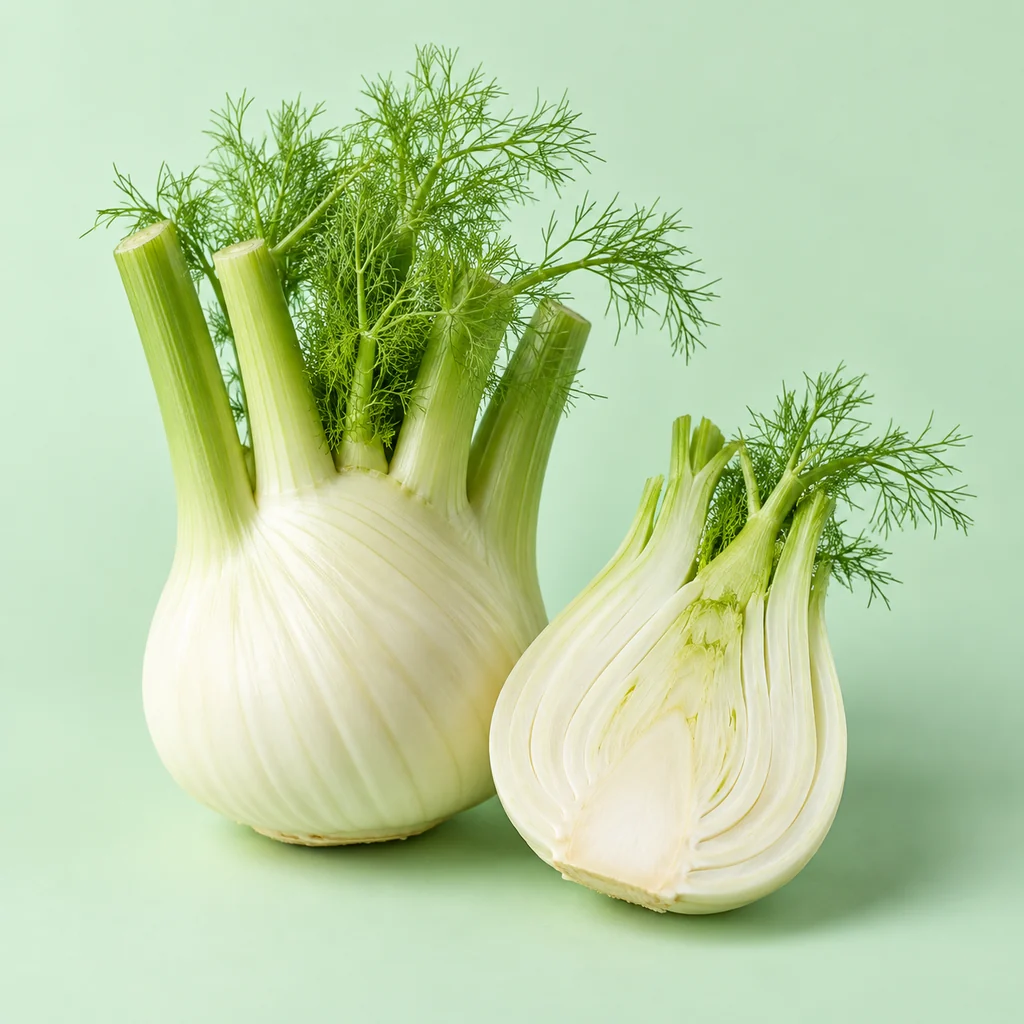
How to serve: Slice the bulb, roast or steam until very soft, then blend to a smooth purée.
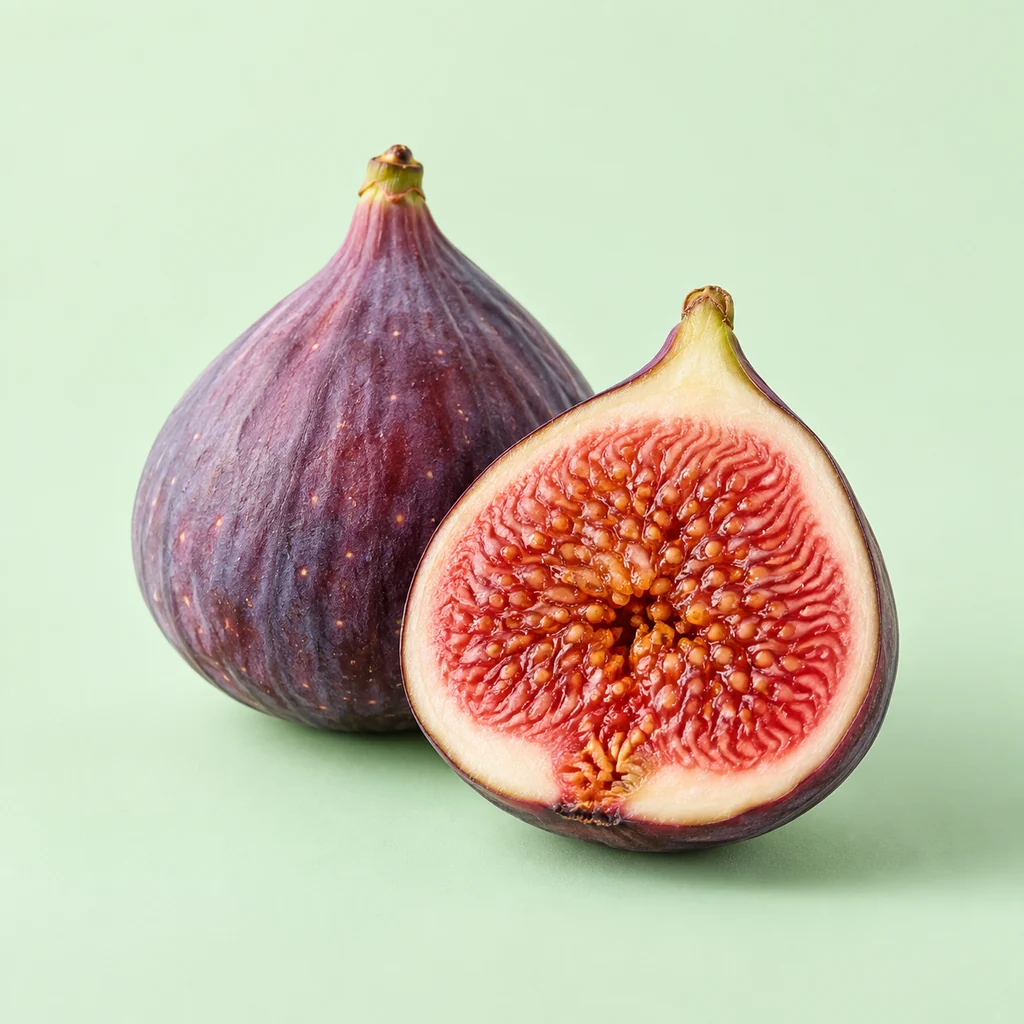
How to serve: Blend very ripe fig flesh into a smooth purée. Remove skin for young babies.
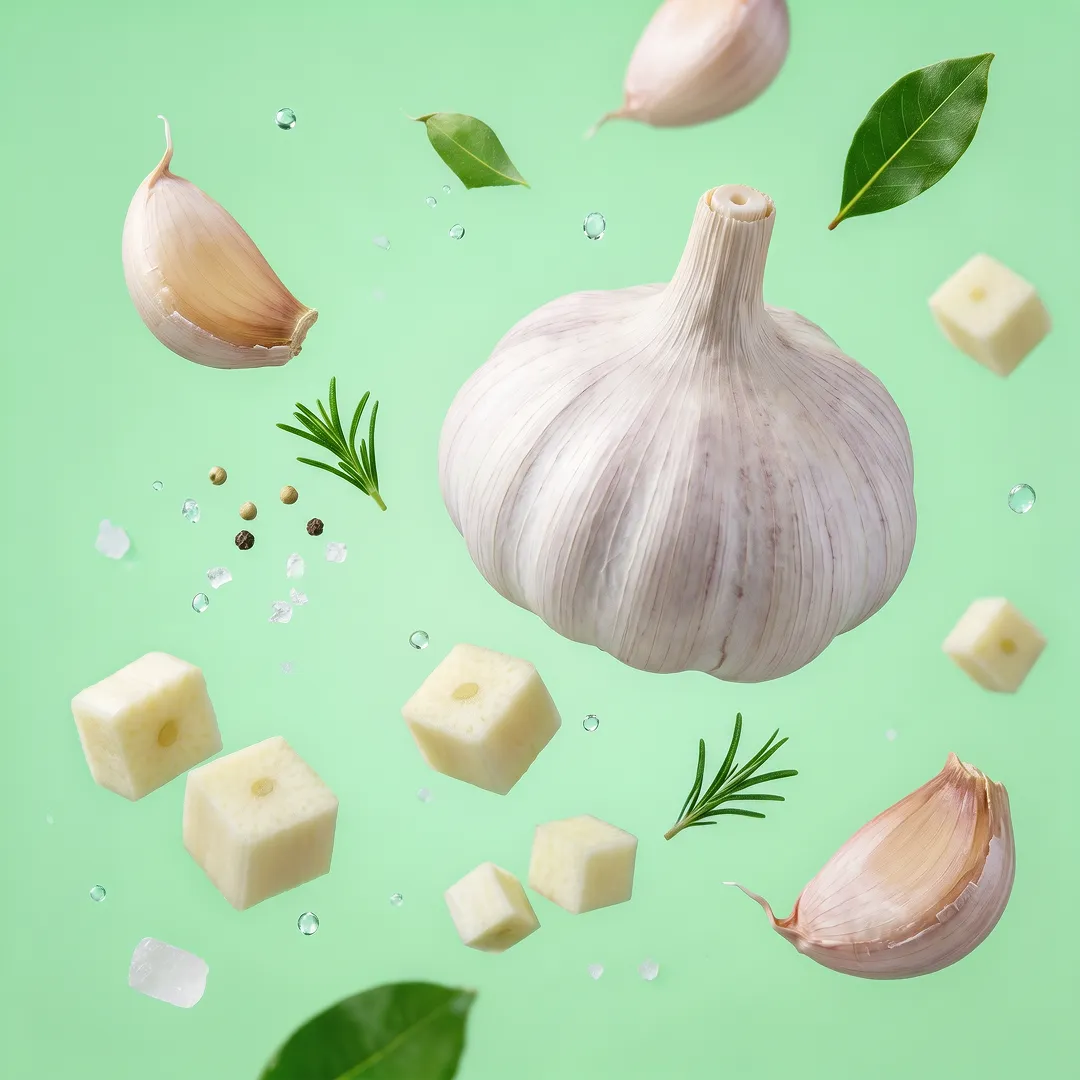
How to serve: Add one small crushed garlic clove to purées while cooking. It mellows beautifully when cooked.
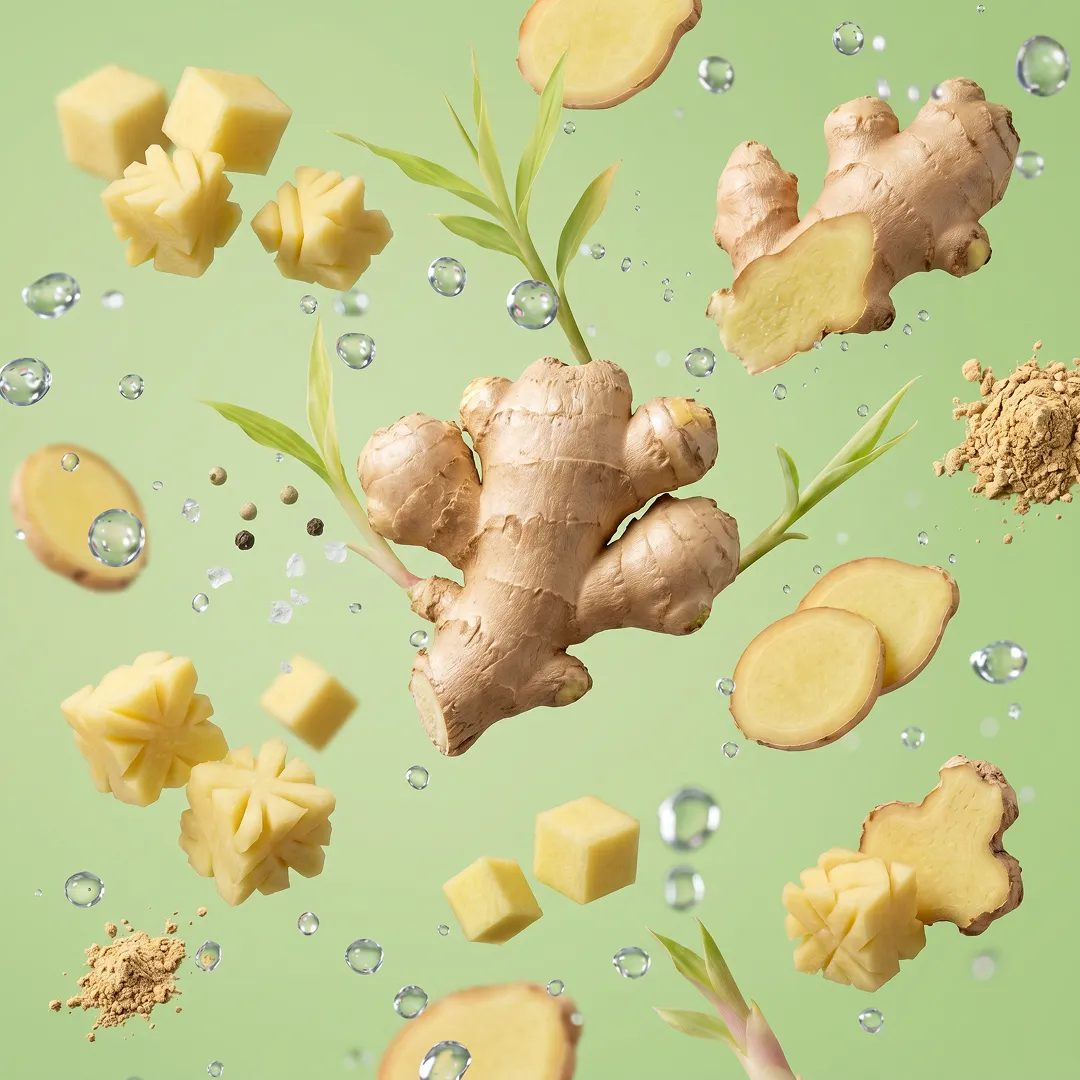
How to serve: Use a tiny pinch of ground ginger or a small amount of freshly grated ginger in purées. Start with very small amounts.
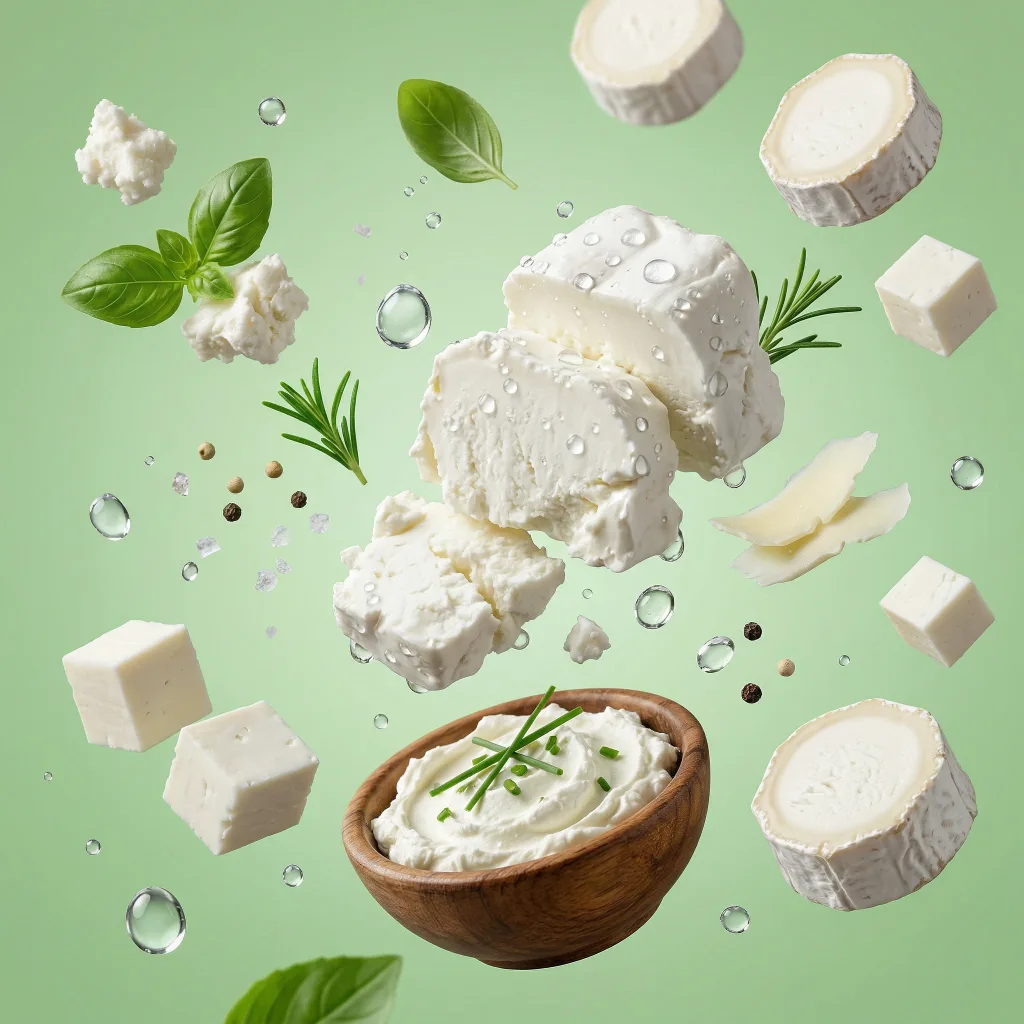
How to serve: Mix a little pasteurised soft goats' cheese without a white rind into a smooth purée.
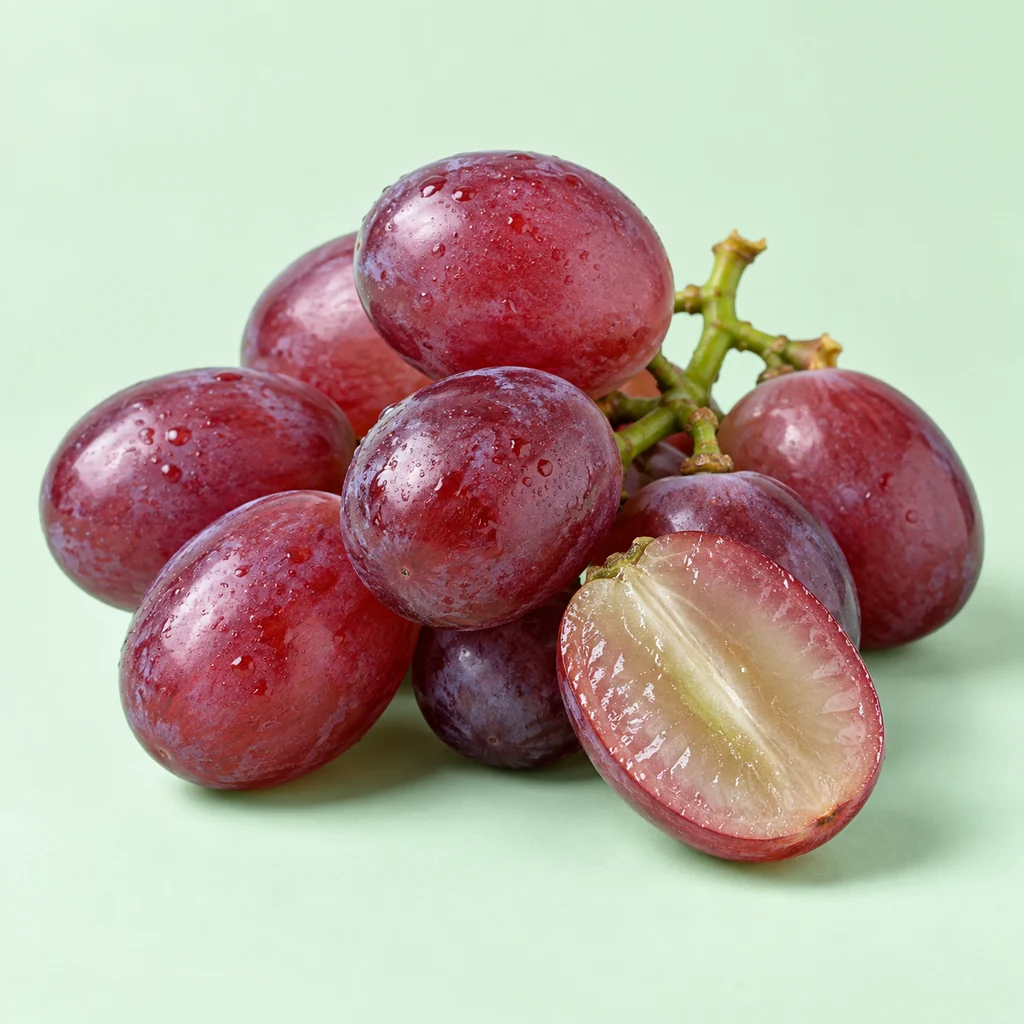
How to serve: Blend seedless grapes into a smooth purée, or mash very finely.
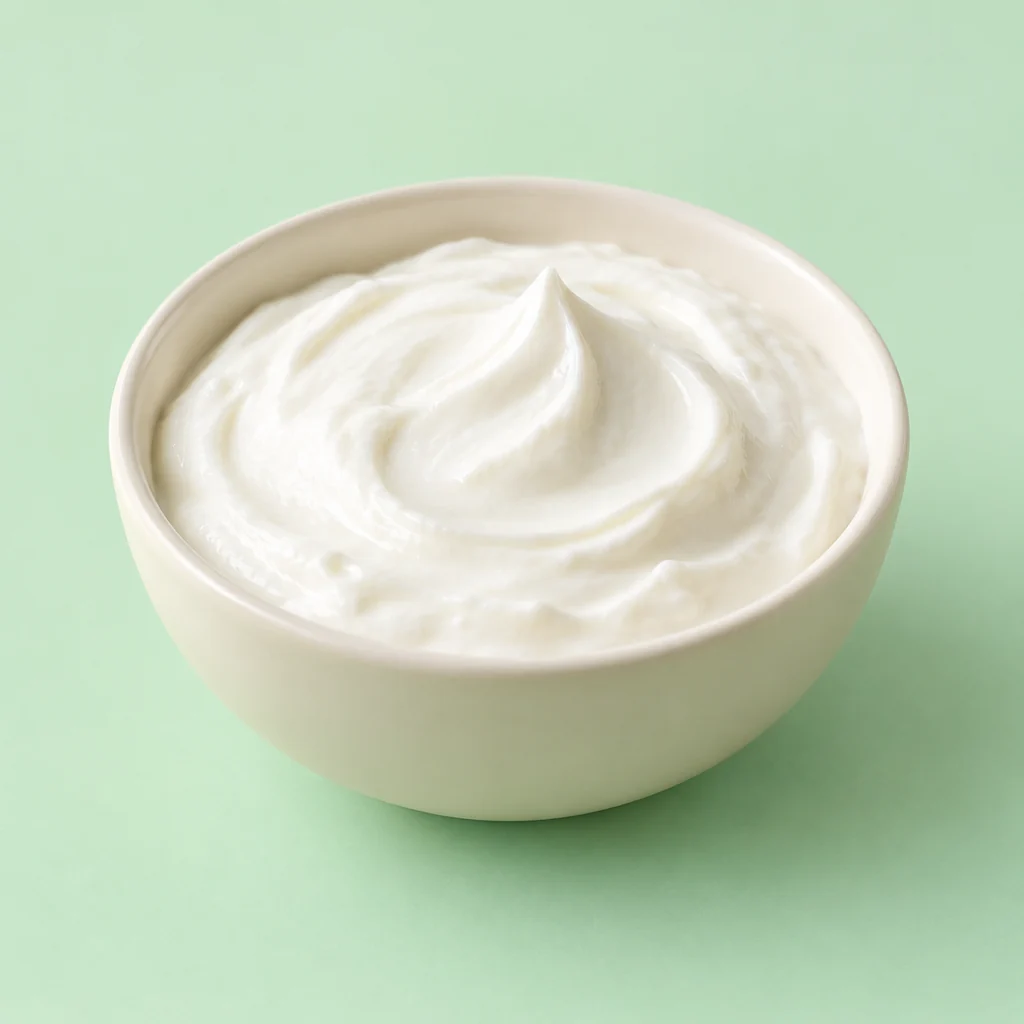
How to serve: Offer plain full-fat Greek yogurt directly — no preparation needed.

How to serve: Steam until very tender, then blend with water until smooth.
How to serve: Bake or steam thoroughly, check for all bones, then blend or mash with a little milk or cooking liquid to a smooth purée.
Always check thoroughly for bones before serving fish to babies. Even boneless fish fillets can contain small pin bones — run your fingers along the flesh and remove any you find.
How to serve: Steam until flaky and opaque, remove any bones, blend into a smooth purée.

How to serve: Steam until very soft, blend into a smooth purée — combine with sweeter veg like sweet potato.

How to serve: Serve plain full-fat kefir at room temperature — stir gently before serving.
How to serve: Use canned (already cooked) and blend with a little liquid until smooth.
How to serve: Scoop flesh and blend into a smooth purée.
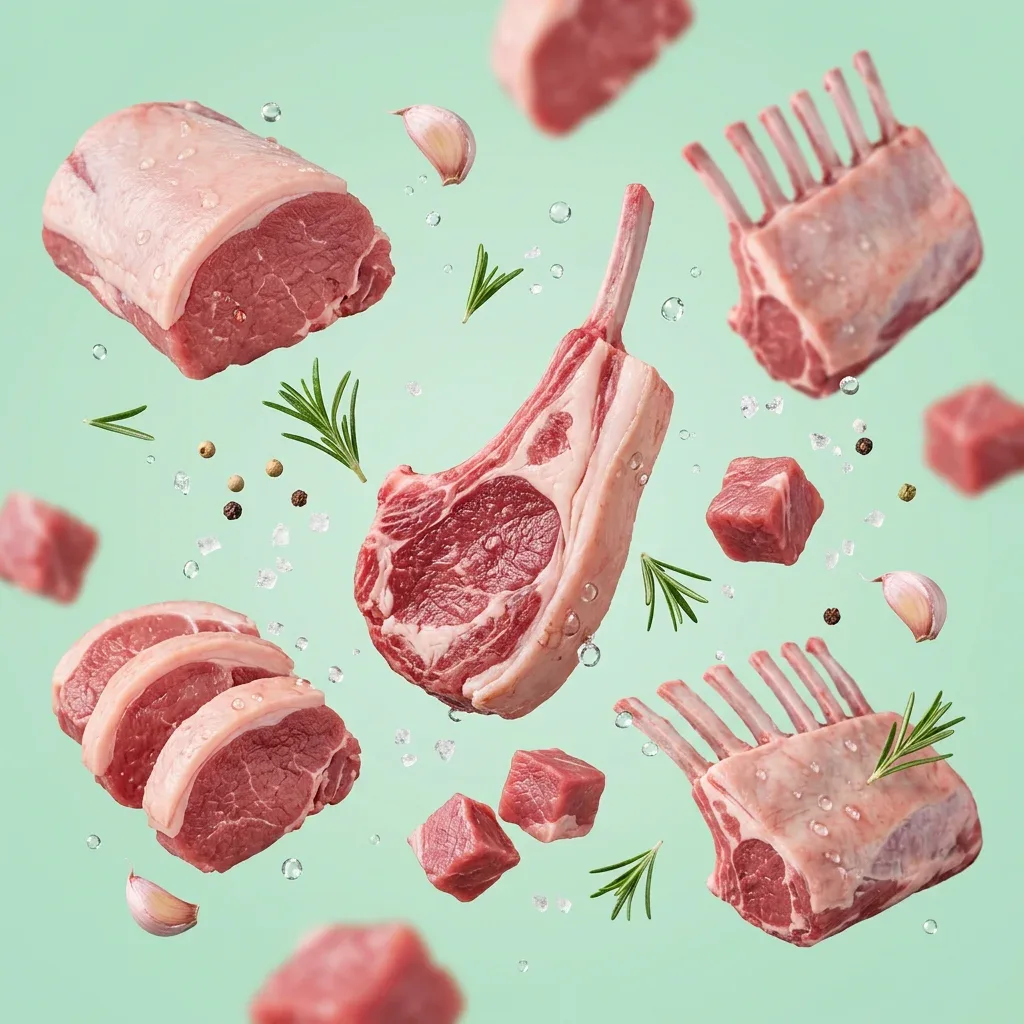
How to serve: Cook mince thoroughly until no pink remains, then blend with cooking liquid to a smooth purée.
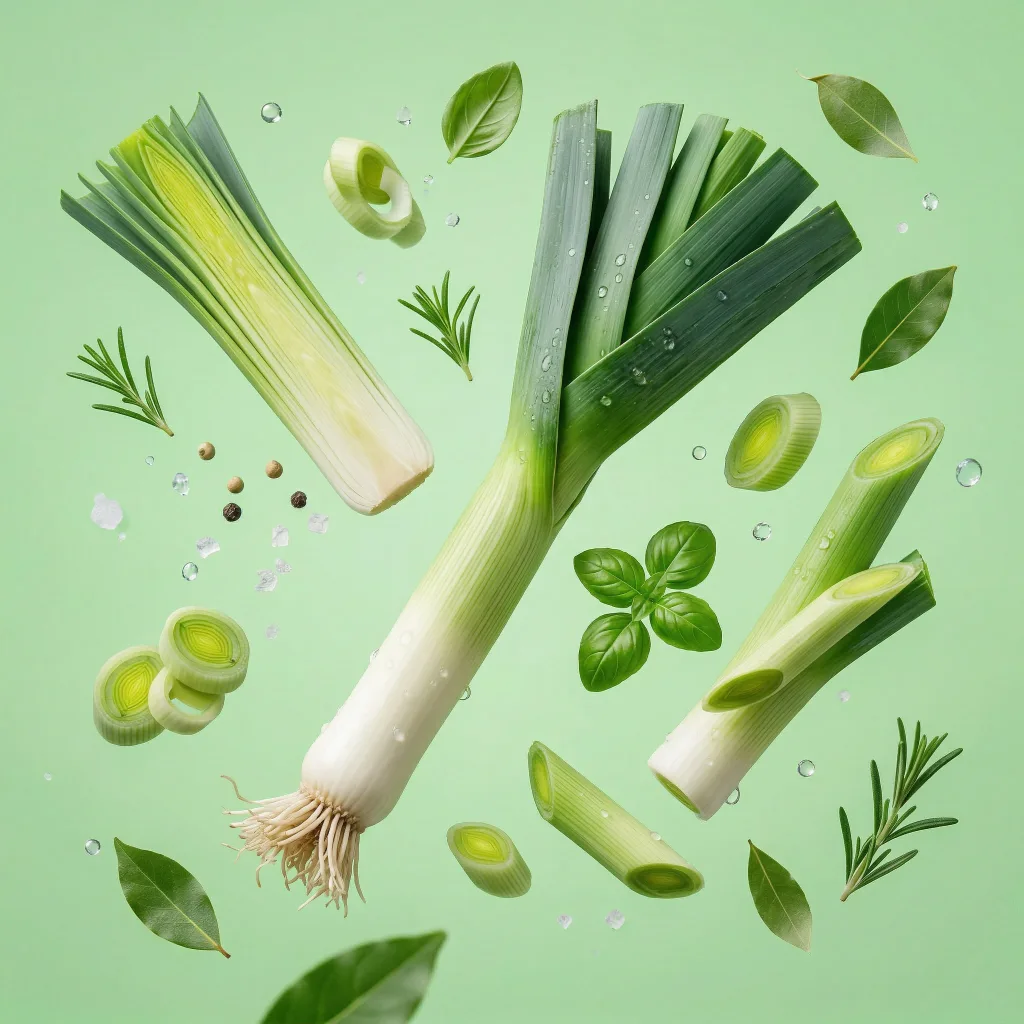
How to serve: Cook until very soft, blend into a smooth purée. Use the white and light green parts.

How to serve: Add a few drops of fresh lemon juice to purées or porridge to brighten flavour. Start with very small amounts.
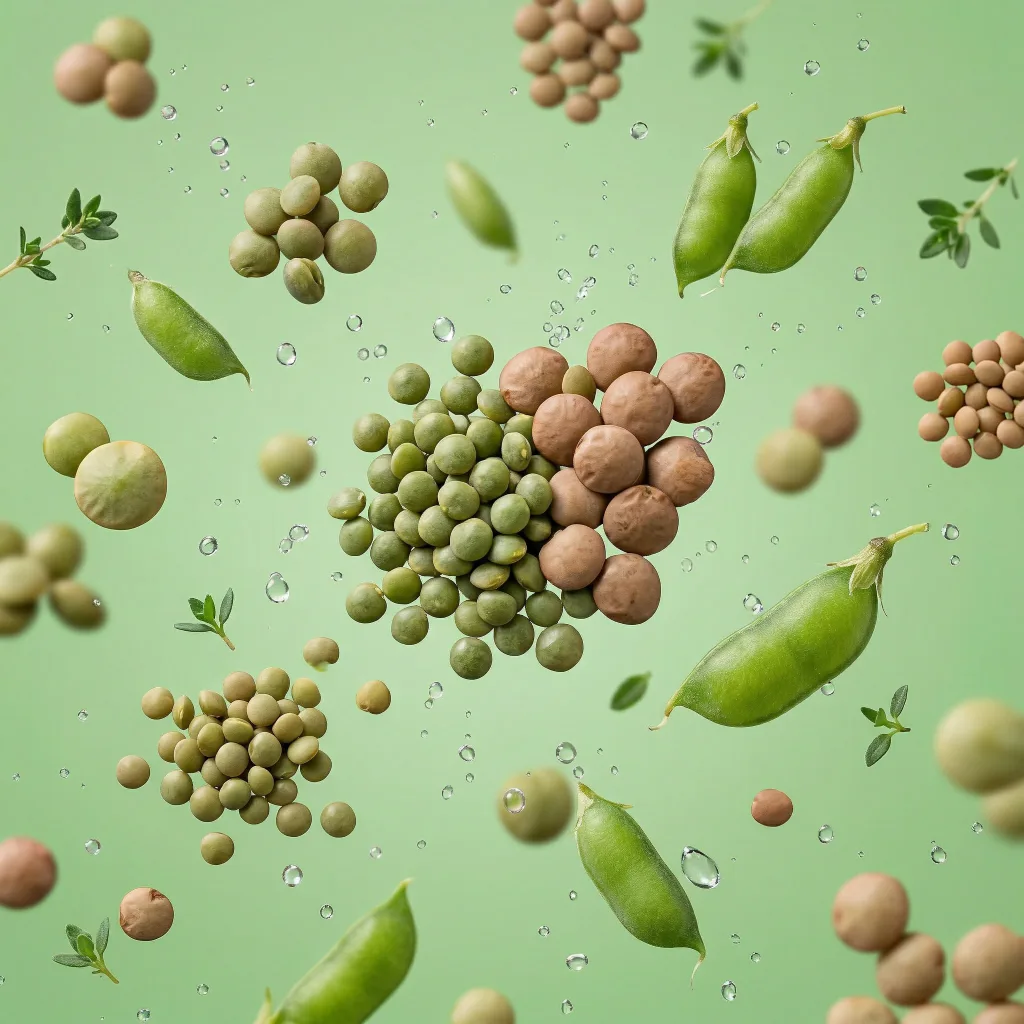
How to serve: Simmer red lentils until very soft, then blend with water to a smooth purée.
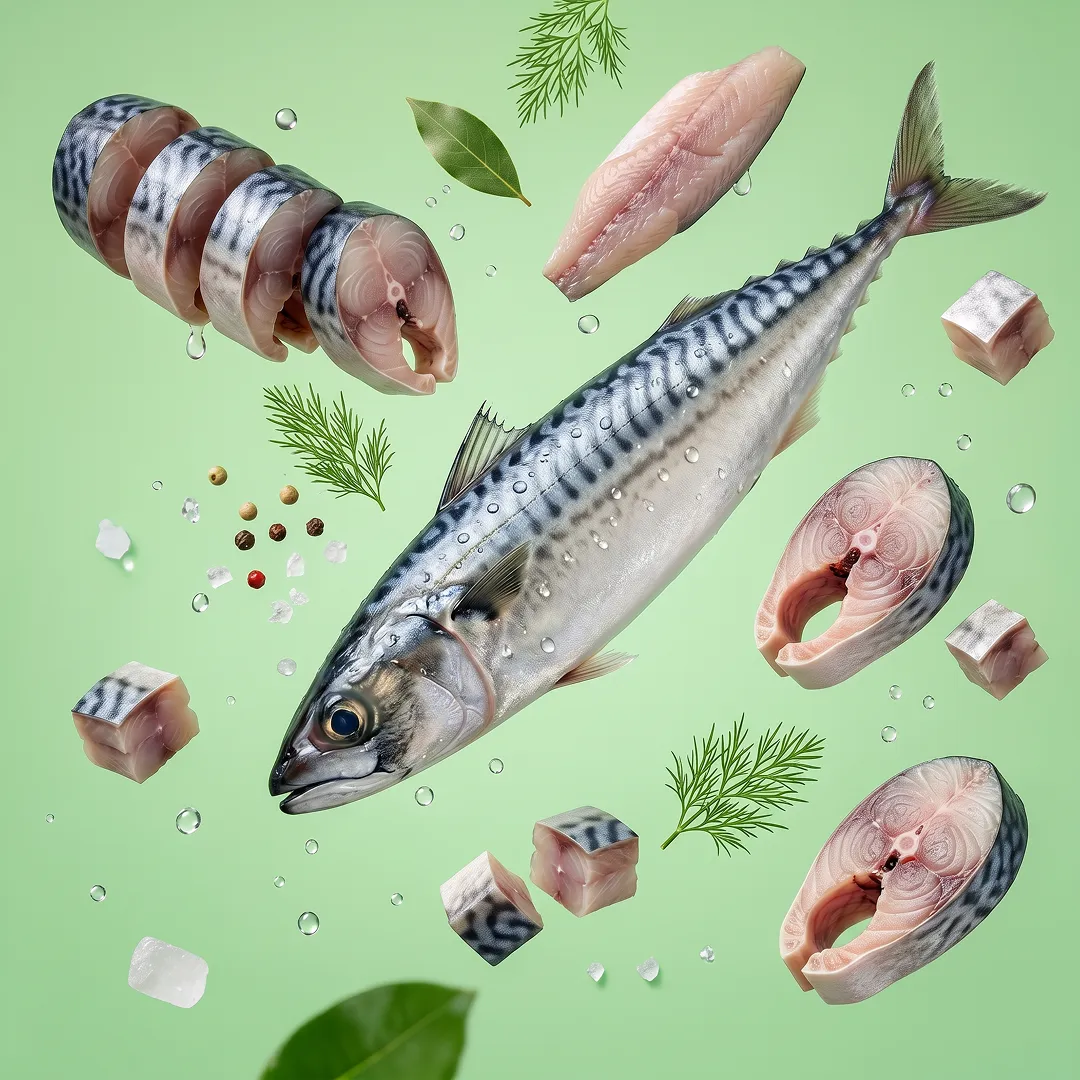
How to serve: Bake or grill thoroughly, remove all skin and bones, then blend or mash finely with vegetables.
Check mackerel thoroughly for small pin bones before serving. Mackerel is an oily fish with a distinctive strong flavour — serve in small amounts initially.

How to serve: Blend or purée flesh until completely smooth.
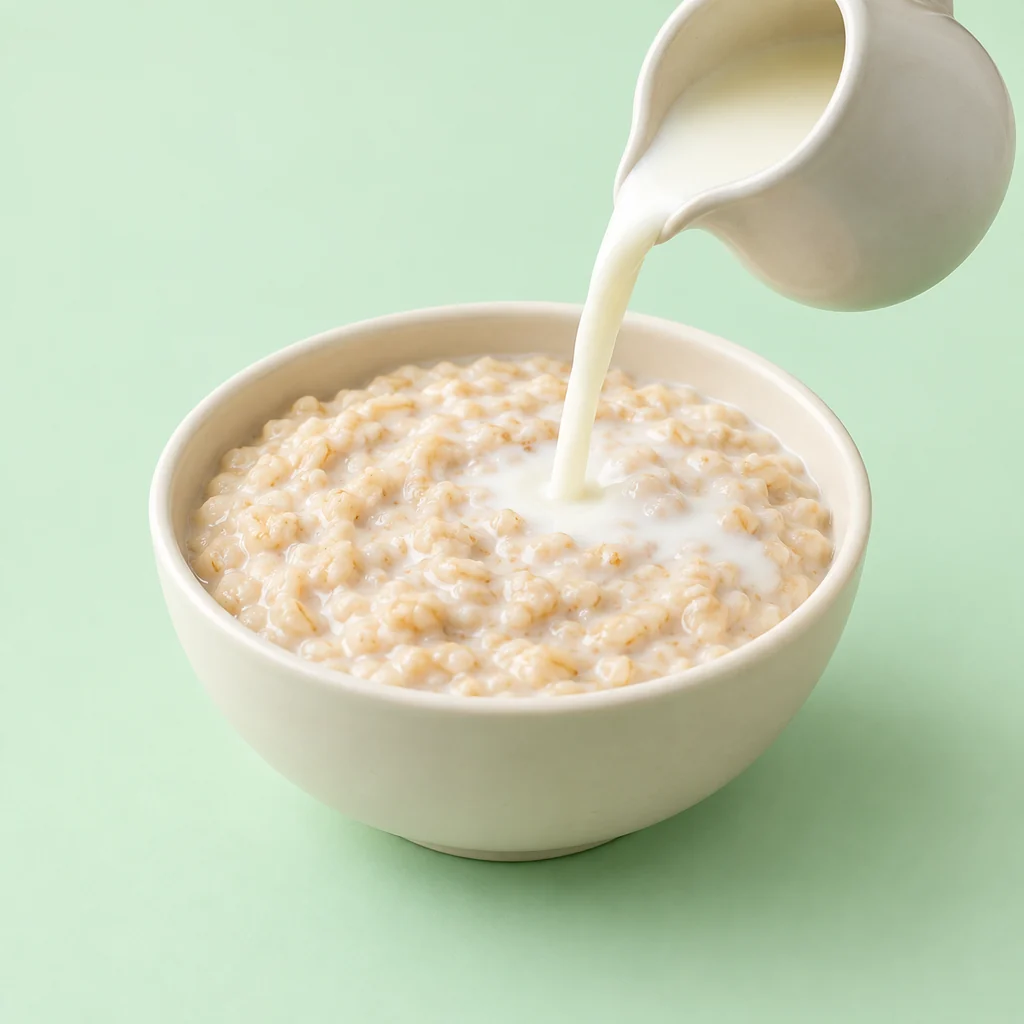
How to serve: Mix pasteurised whole cows' milk into porridge or a soft cooked dish. Do not offer it as a drink.

How to serve: Simmer in water until soft, then blend into a smooth porridge.
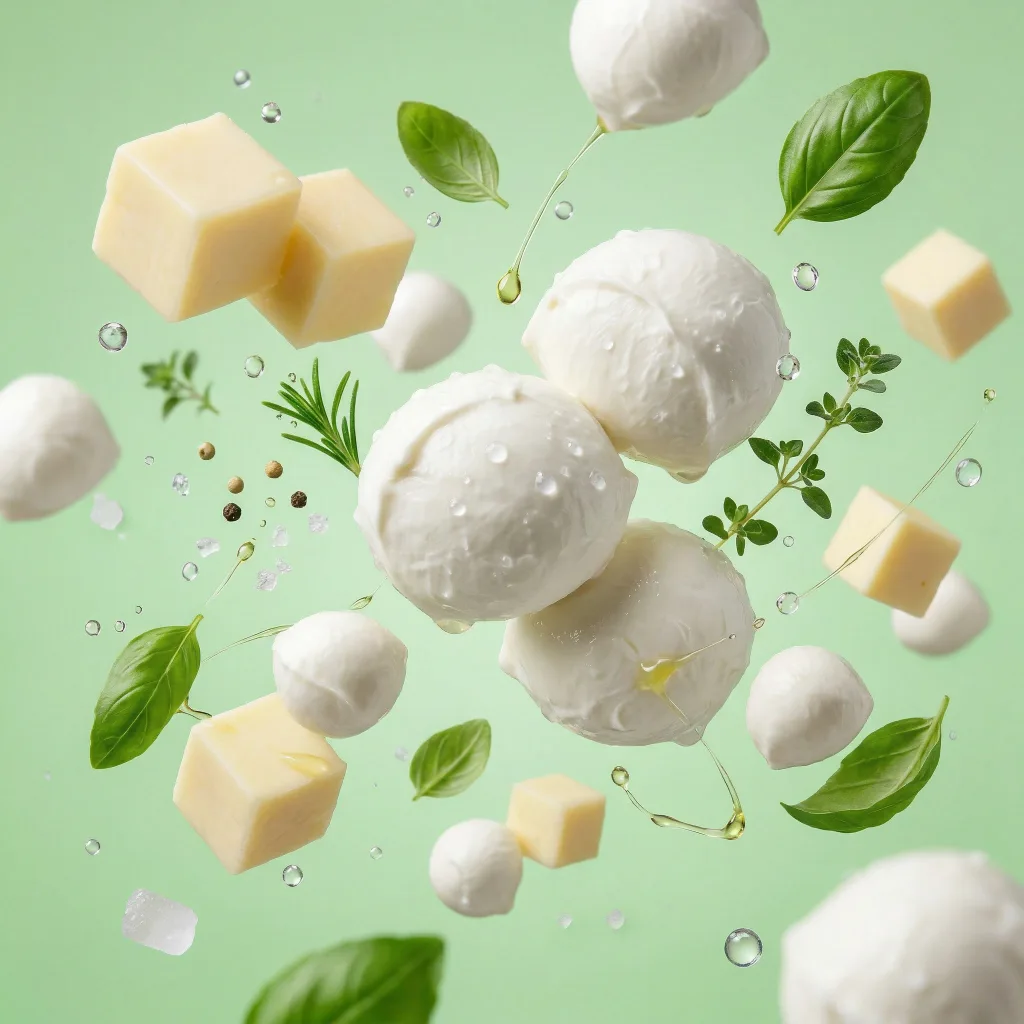
How to serve: Choose pasteurised full-fat cheese. Cut into very small pieces — never offer string-pull pieces to young babies.
String cheese and large mozzarella pieces can be a choking hazard. Cut into very small pieces.
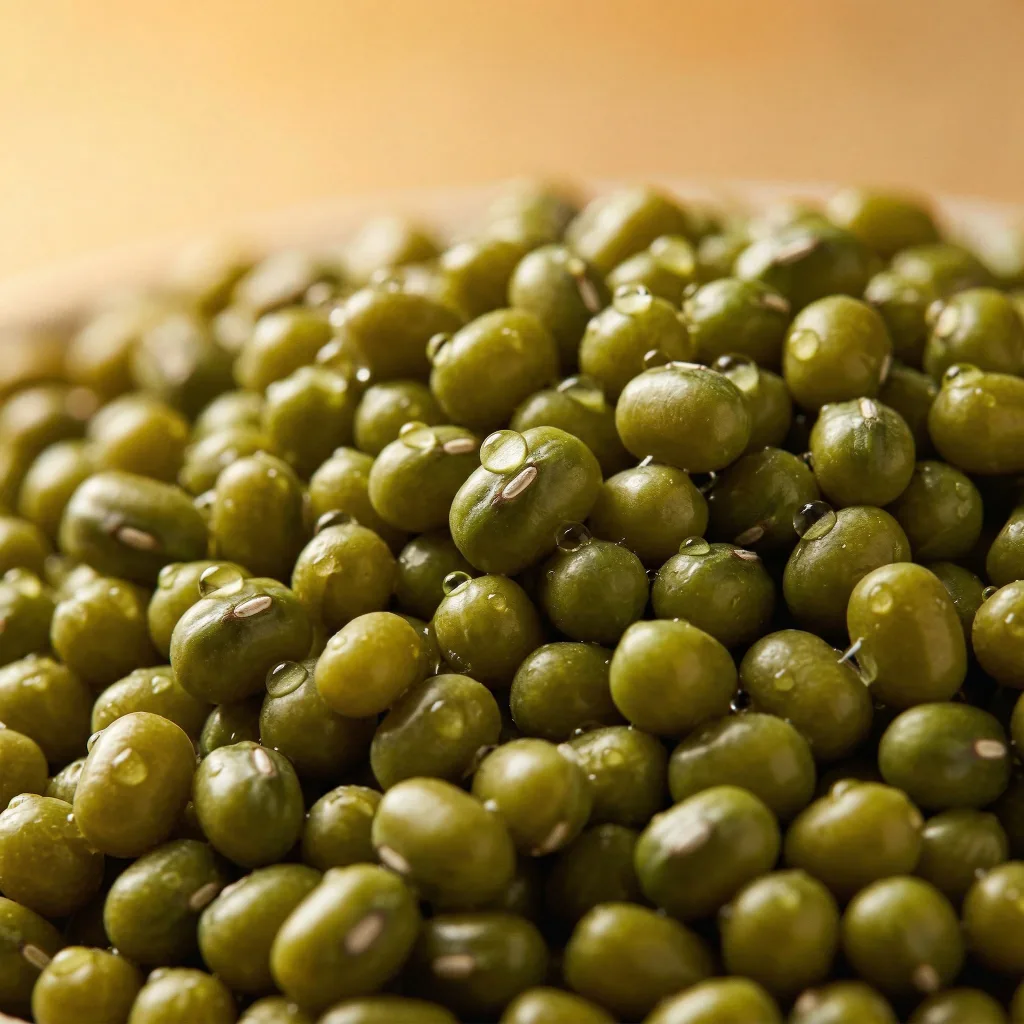
How to serve: Soak for 4 hours, boil until very soft, blend smooth.
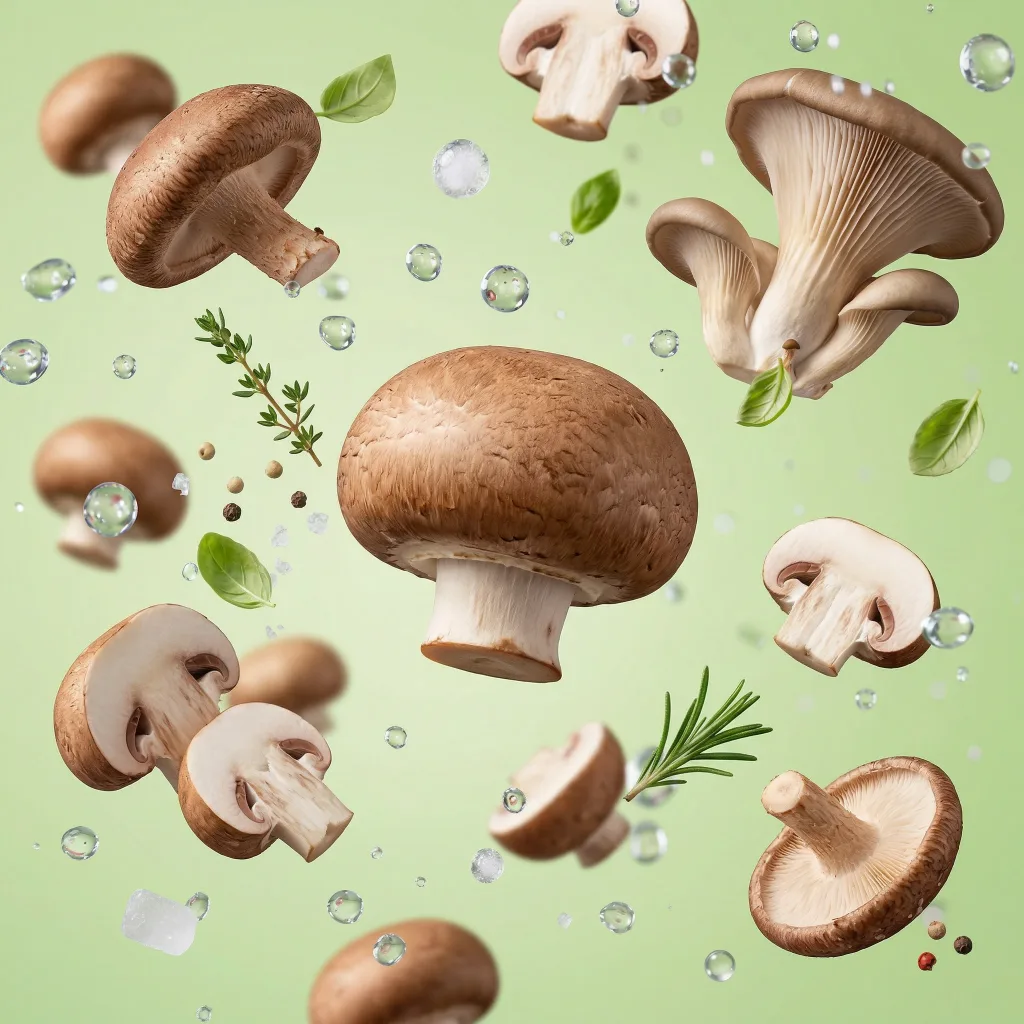
How to serve: Cook thoroughly until soft — never serve raw. Blend into a smooth purée.
How to serve: Cook until very soft — navy beans take longer than other beans. Blend smooth.

How to serve: Steam and blend, or mash very ripe raw nectarine. Remove skin and stone.

How to serve: Cook in water or breast milk until very smooth.
How to serve: Cook diced onion in a little olive oil until very soft and sweet, then blend into purées.

How to serve: Blend peeled, pipped segments into a smooth purée or mix juice into other fruit purées.
How to serve: Scoop ripe flesh and blend until completely smooth.
How to serve: Choose pasteurised full-fat cheese. Finely grate parmesan over purées and pasta to add flavour and calcium — it melts and blends easily.
Always finely grate parmesan over food. Never offer chunks of hard cheese to babies as they are a choking hazard. Finely grated parmesan melts into food safely.
How to serve: Steam or roast until very soft, blend into a smooth purée.

How to serve: Peel, stone, and blend ripe peach to a smooth purée.
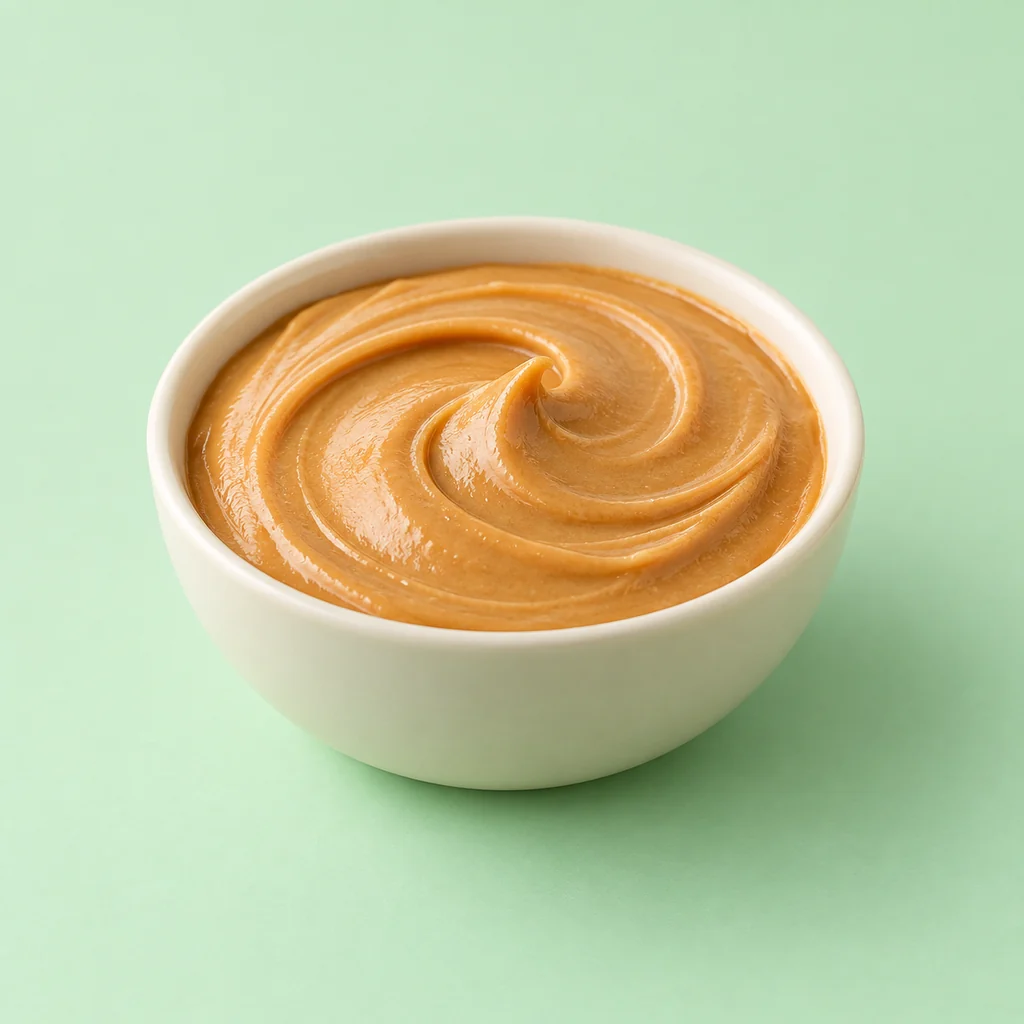
How to serve: Mix 1 tsp smooth peanut butter with 2–3 tsp water or breast milk until runny — never thick.
Whole peanuts are a severe choking hazard. Only smooth peanut butter thinned with water or breast milk is safe.

How to serve: Steam until very tender, blend until completely smooth.

How to serve: Boil briefly, then blend with a little liquid to a smooth purée.

How to serve: Blend very ripe pineapple into a smooth purée. Cooking reduces acidity.
How to serve: Cook until very soft, blend into a smooth purée.

How to serve: Steam and blend into a smooth purée, or use very ripe raw plum.
How to serve: Simmer in water or water or homemade unsalted stock (not a stock cube), stirring constantly, until very smooth and thick.

How to serve: Press arils through a sieve to extract juice and mix into purées or yogurt.
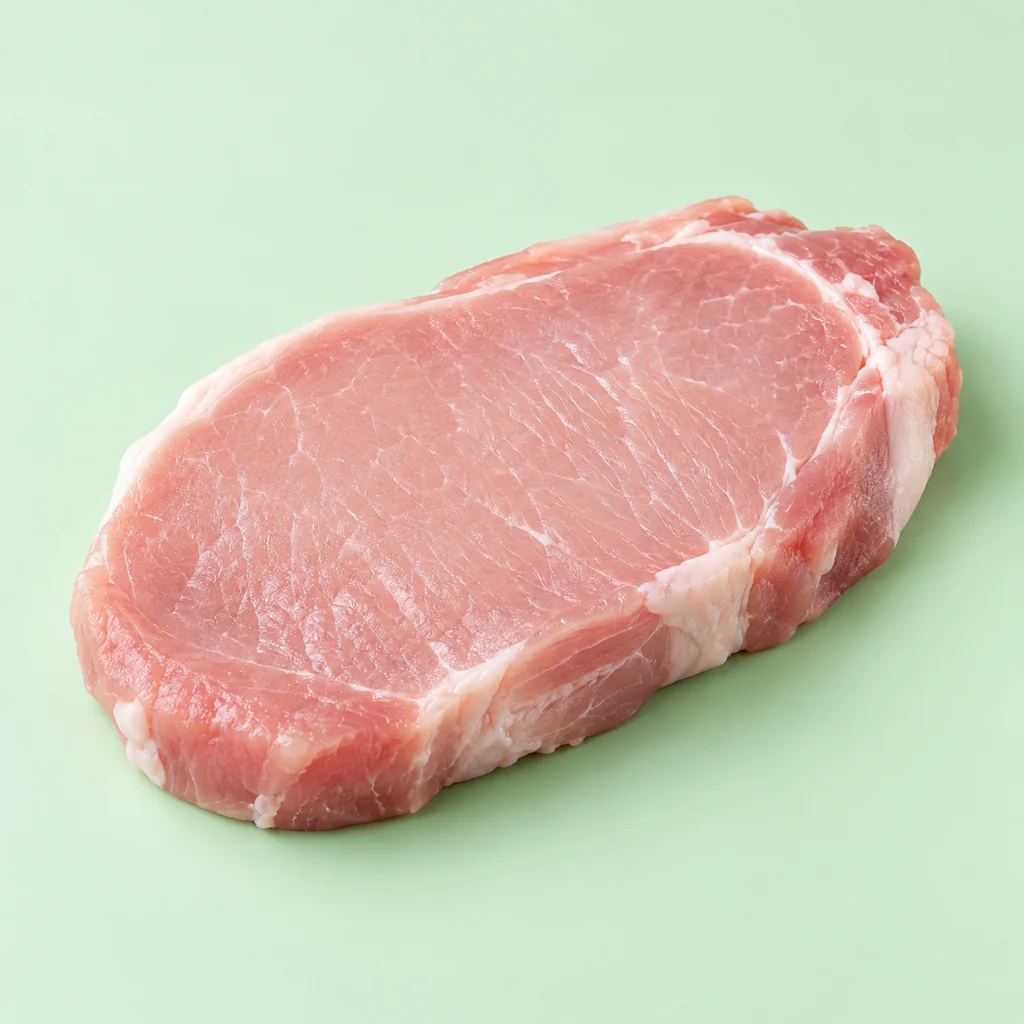
How to serve: Cook until very tender, blend with cooking liquid into a smooth purée.
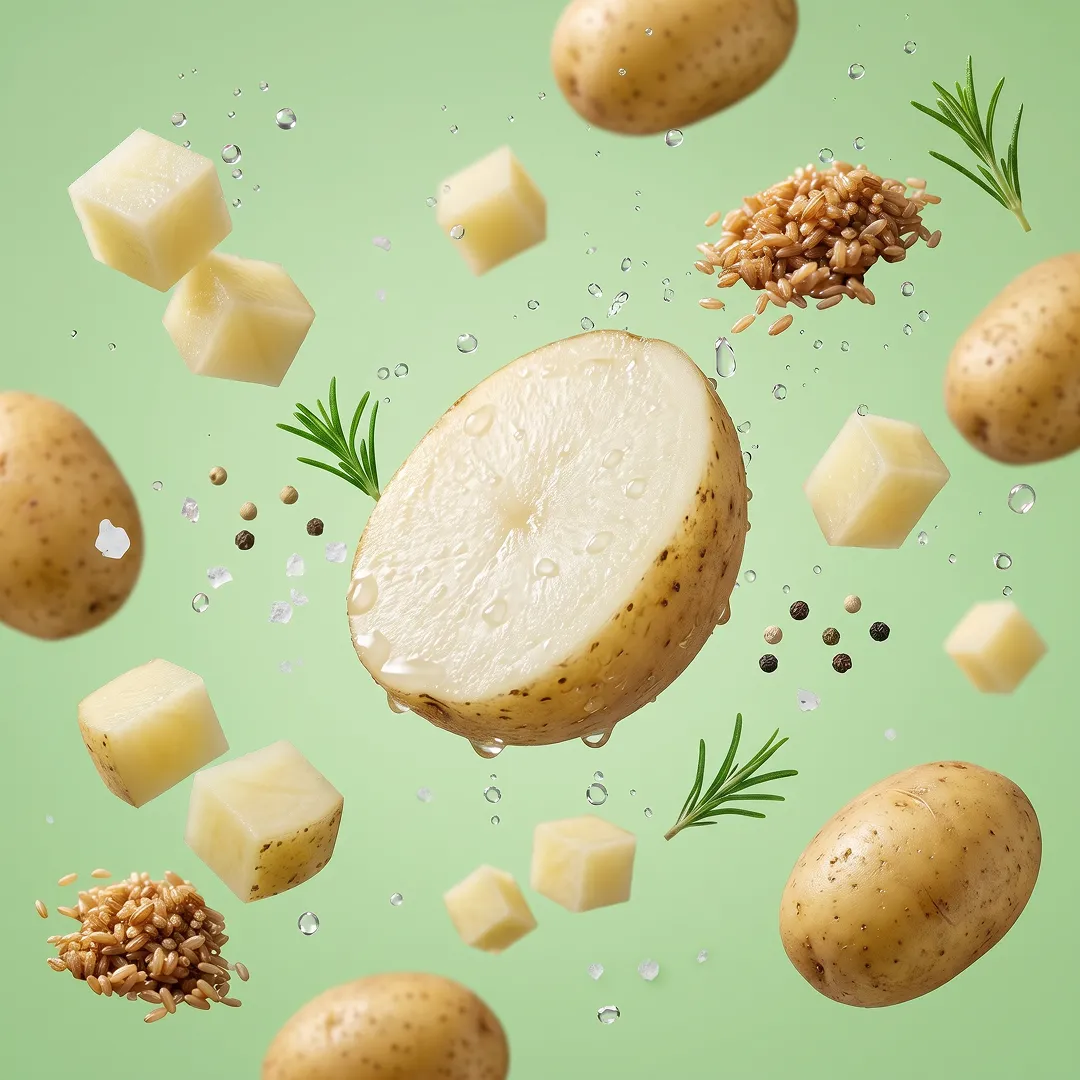
How to serve: Boil or steam until very soft, then mash with a little whole milk or breast milk to a smooth lump-free purée.
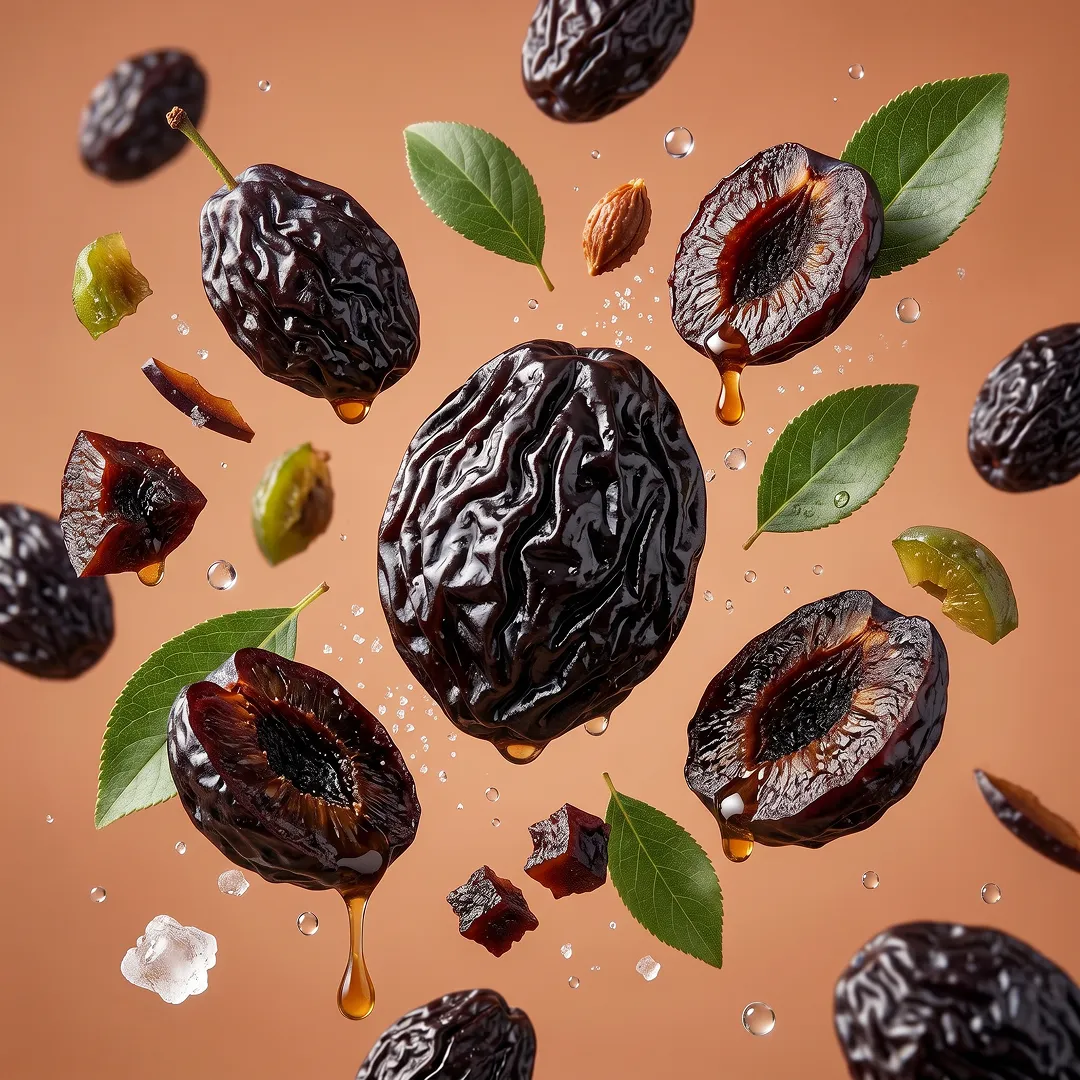
How to serve: Soak dried prunes in warm water for 30 minutes, remove pits, then blend to a smooth purée.

How to serve: Roast or steam until very tender, then blend until smooth.
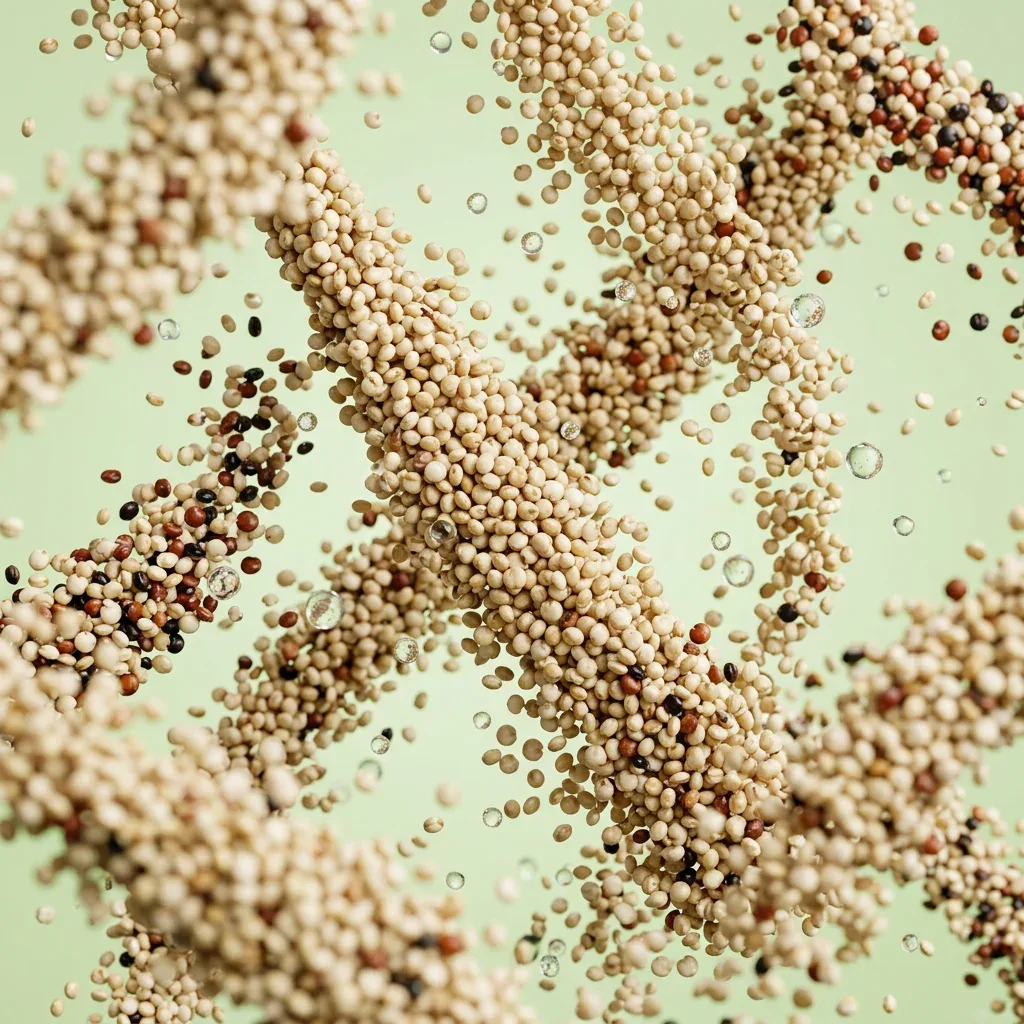
How to serve: Rinse well, then simmer until fully soft and blend if needed.

How to serve: Blend or mash into a smooth seedless purée — strain seeds out for young babies.
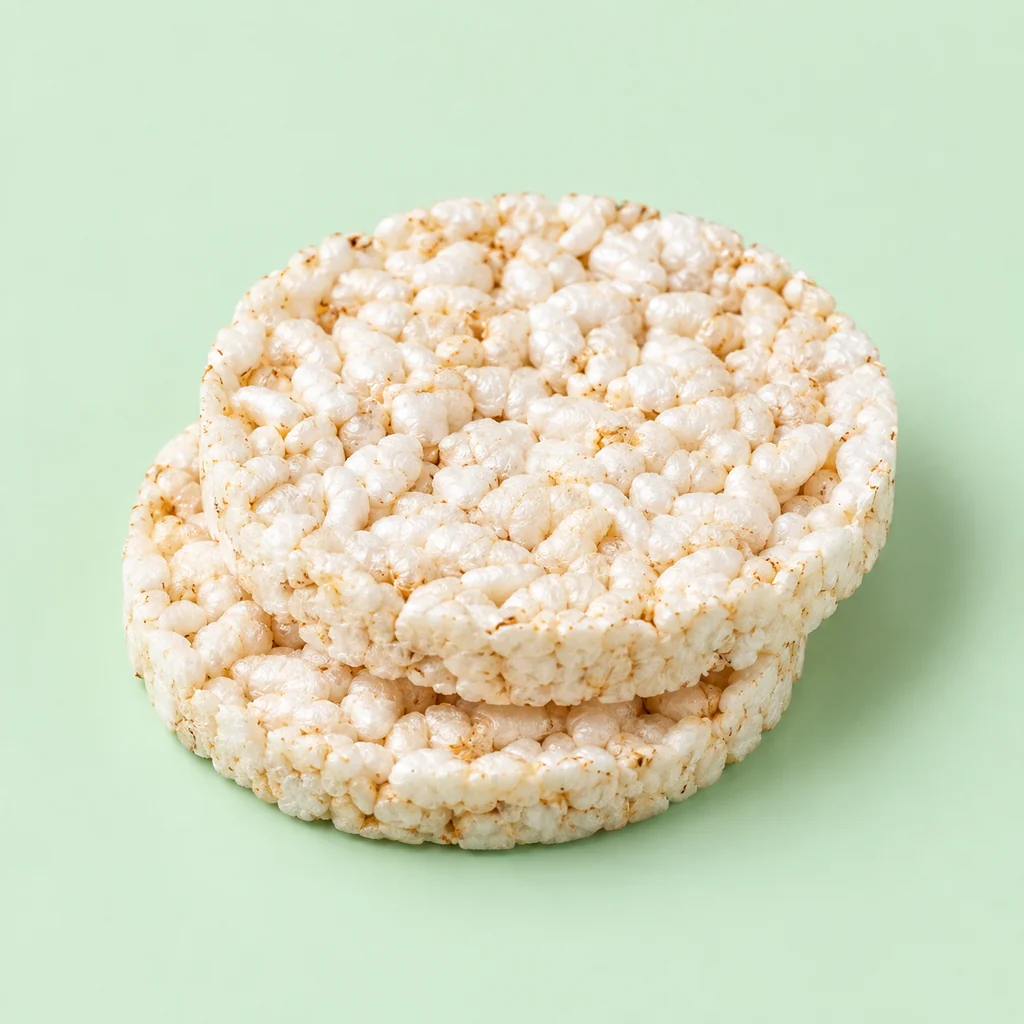
How to serve: Break into very small pieces — rice cake dissolves with saliva making it manageable.
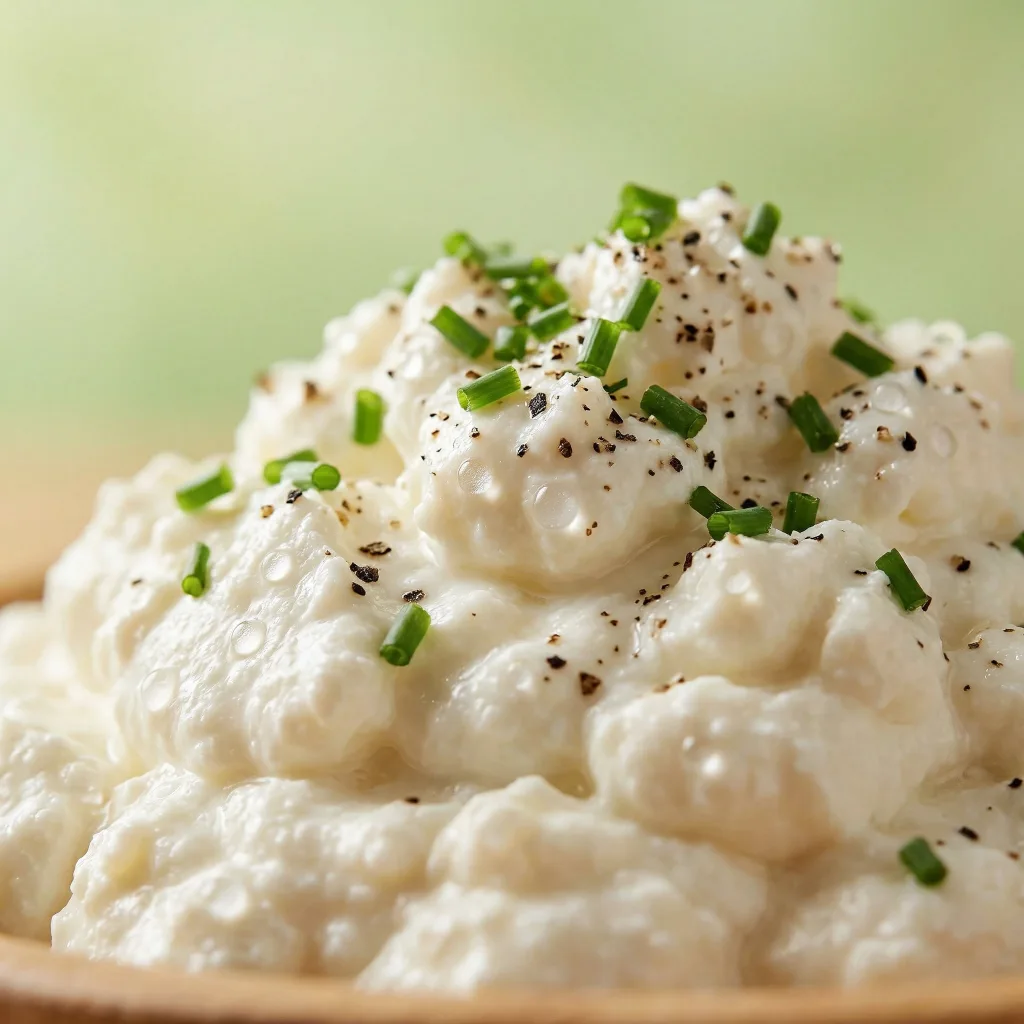
How to serve: Choose pasteurised full-fat cheese. Offer plain ricotta directly or blend into purées to add creaminess.

How to serve: Steam or bake until cooked through, blend with breast milk or formula.

How to serve: Drain canned sardines and mash thoroughly, checking for any bones.
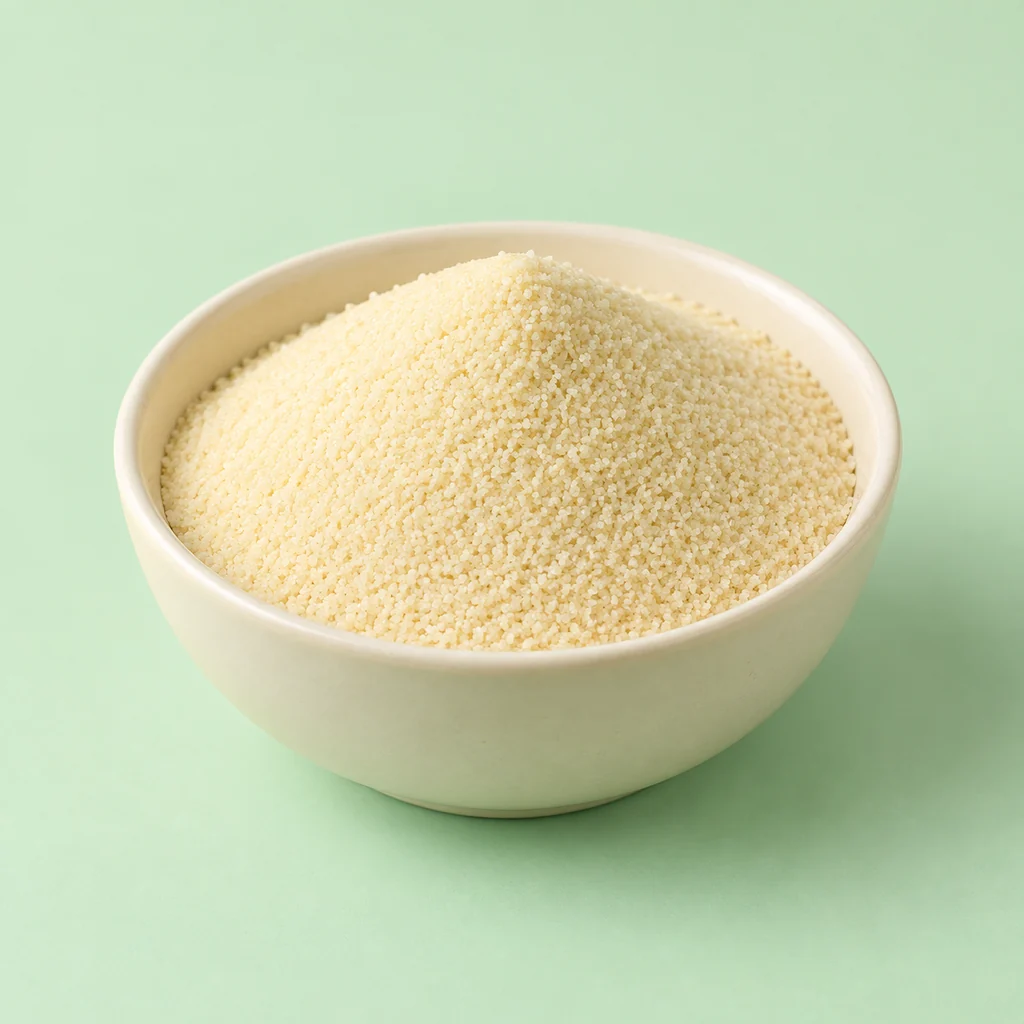
How to serve: Stir semolina into simmering water or milk gradually to avoid lumps. Cook until smooth.
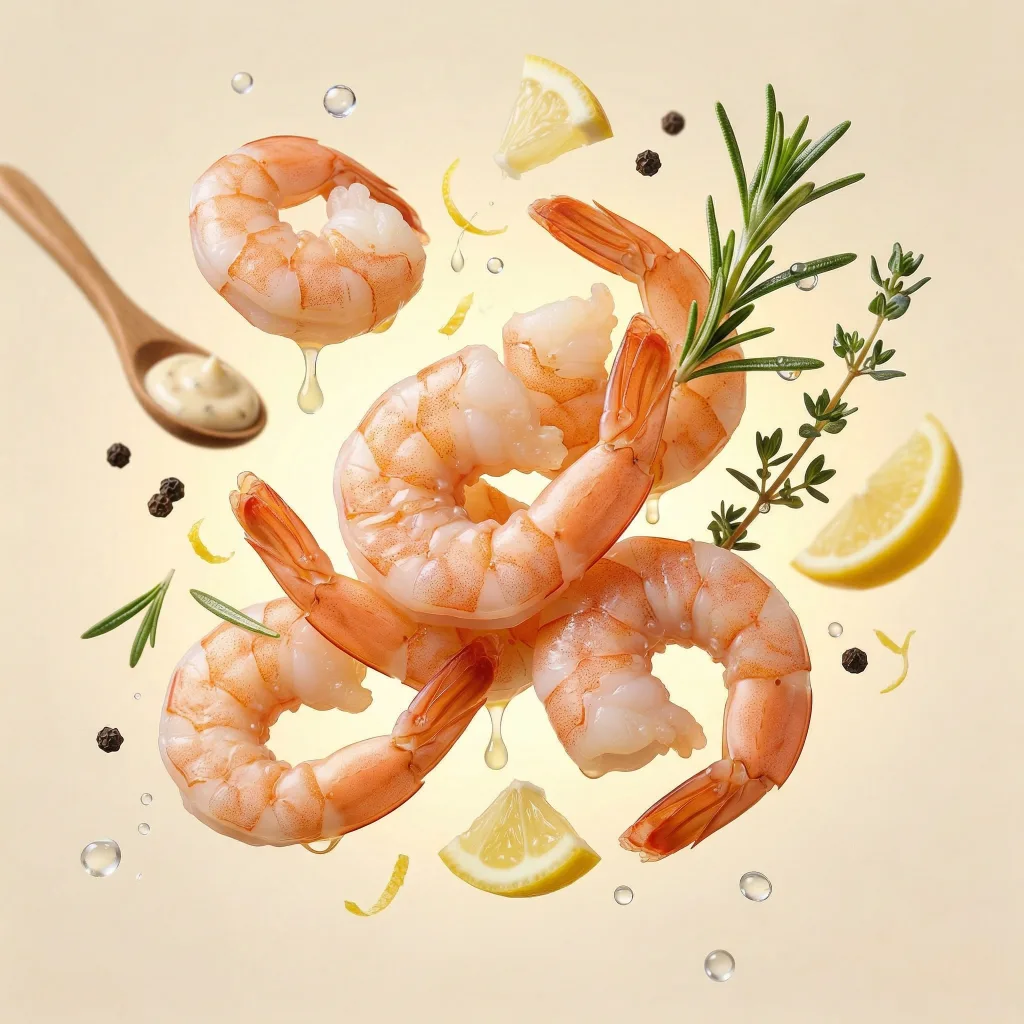
How to serve: Cook thoroughly until pink and opaque throughout, then blend into a smooth moist purée. Never serve raw or lightly cooked shellfish.

How to serve: Steam or boil until very soft, remove from the pods and skins, then blend into a smooth purée.
Whole soya beans (edamame) are a choking hazard. Remove them from the pod and squash or skin the beans for babies and younger toddlers.
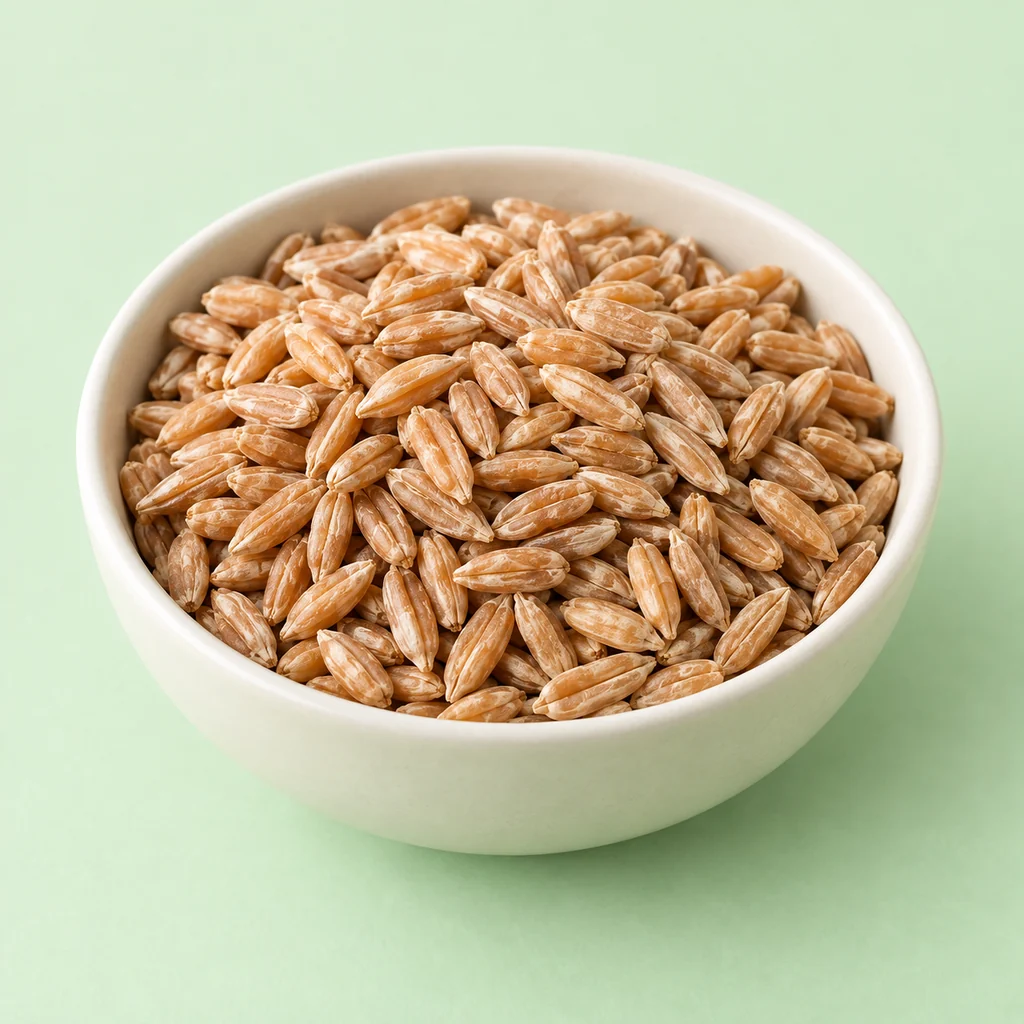
How to serve: Soak overnight, boil until very soft, then blend into a smooth porridge.

How to serve: Steam until wilted, then blend into a smooth purée.
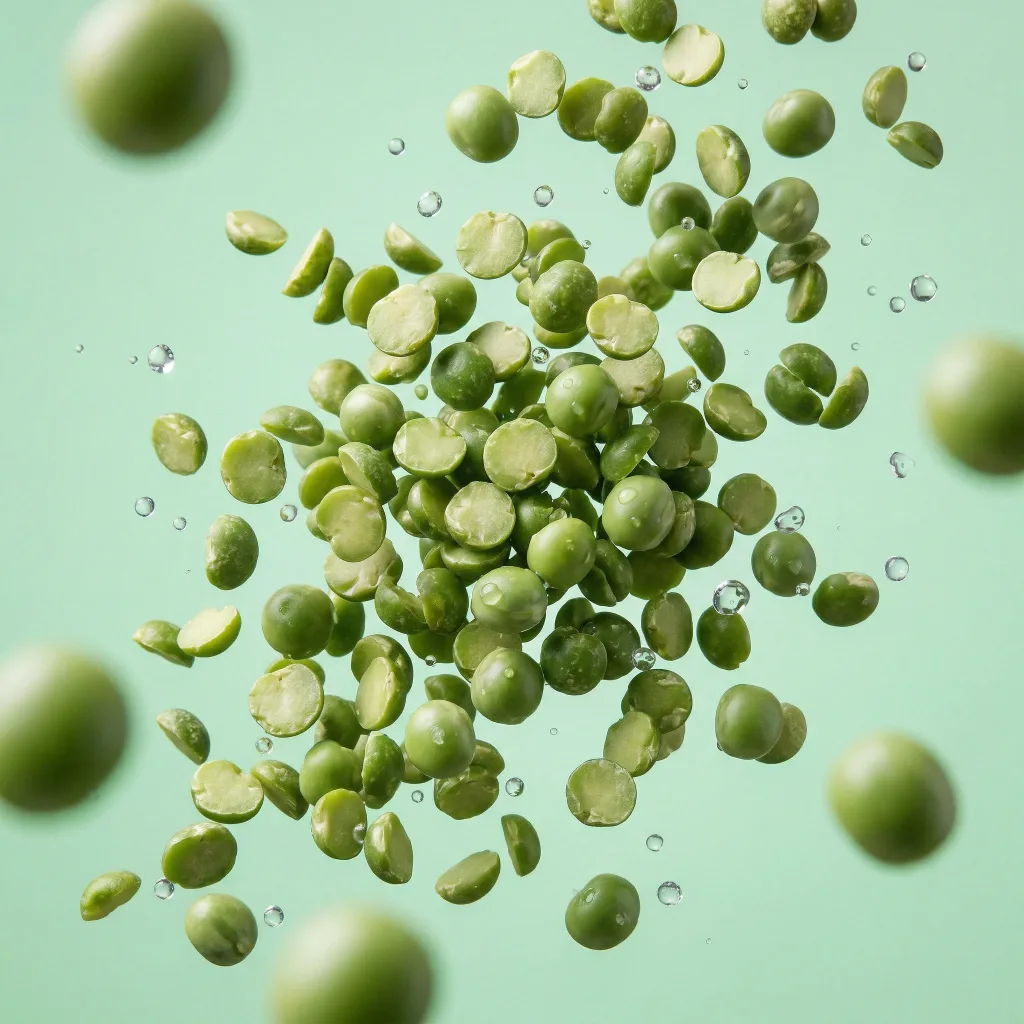
How to serve: No soaking required — simmer until completely soft, blend until very smooth.
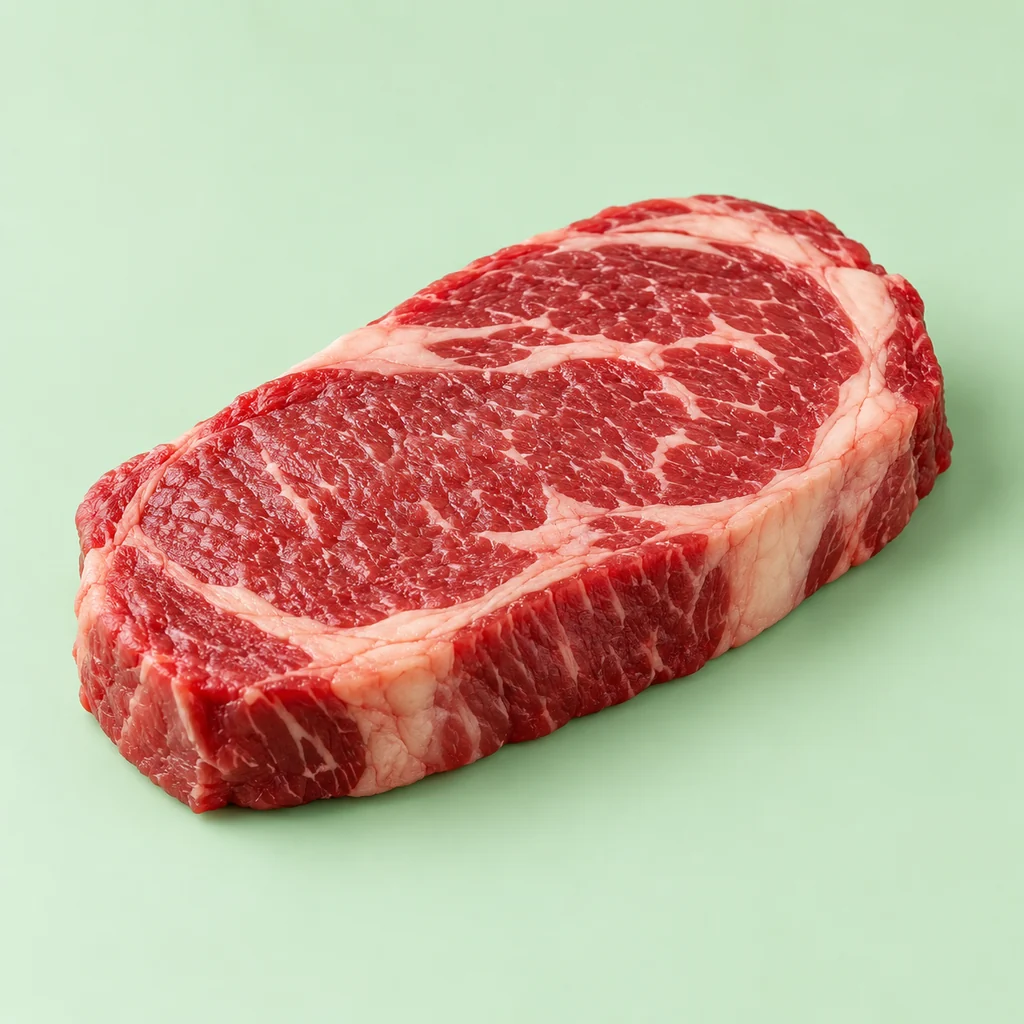
How to serve: Cook thoroughly until very tender, then blend with water or homemade unsalted stock (not a stock cube) to a smooth purée. Steak is a firm cut, so slow-cooking or blending suits early weaning best.

How to serve: Steam until very soft, then blend to a smooth purée with no lumps.
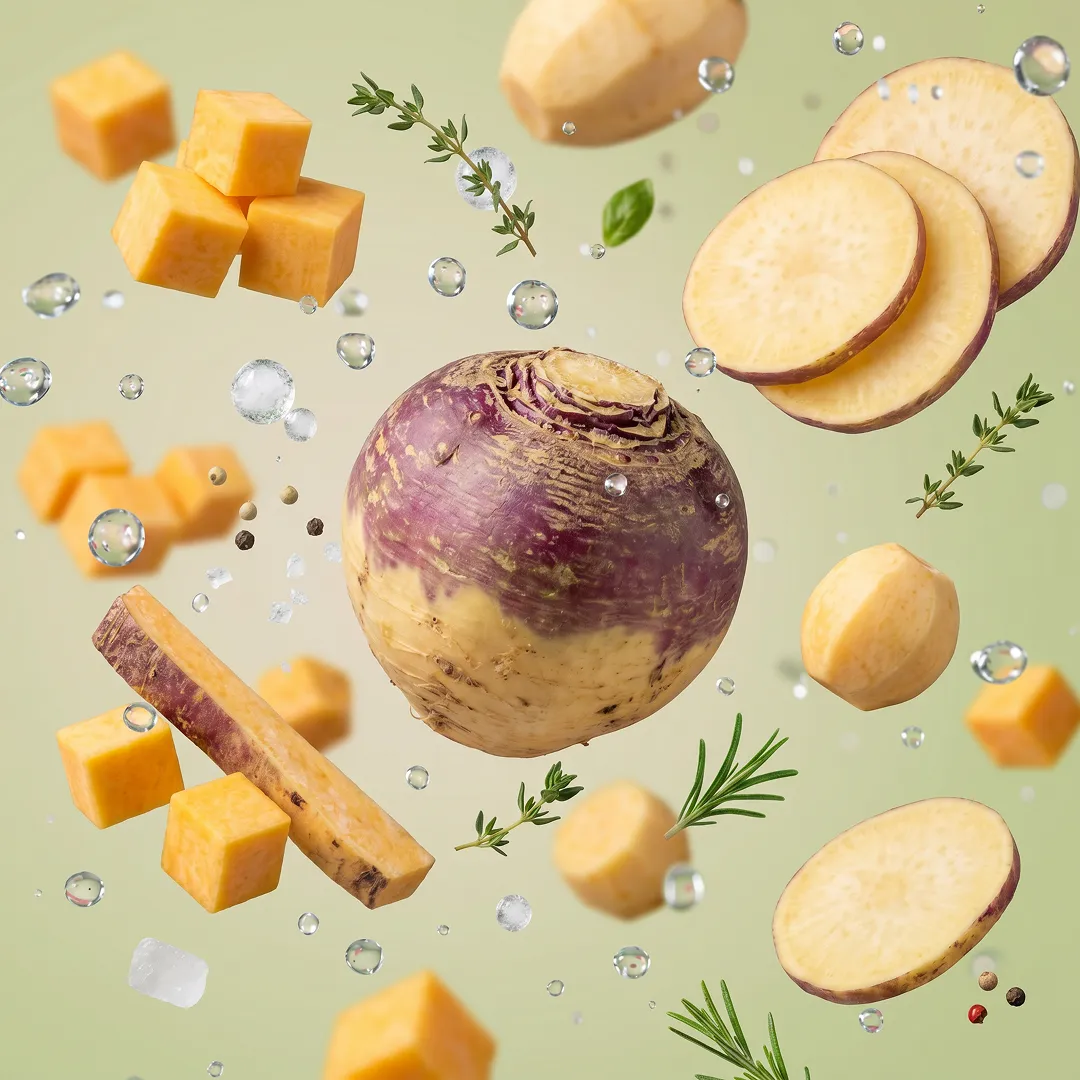
How to serve: Peel, dice, and boil until very soft, then blend to a smooth purée — mix with carrot or potato.
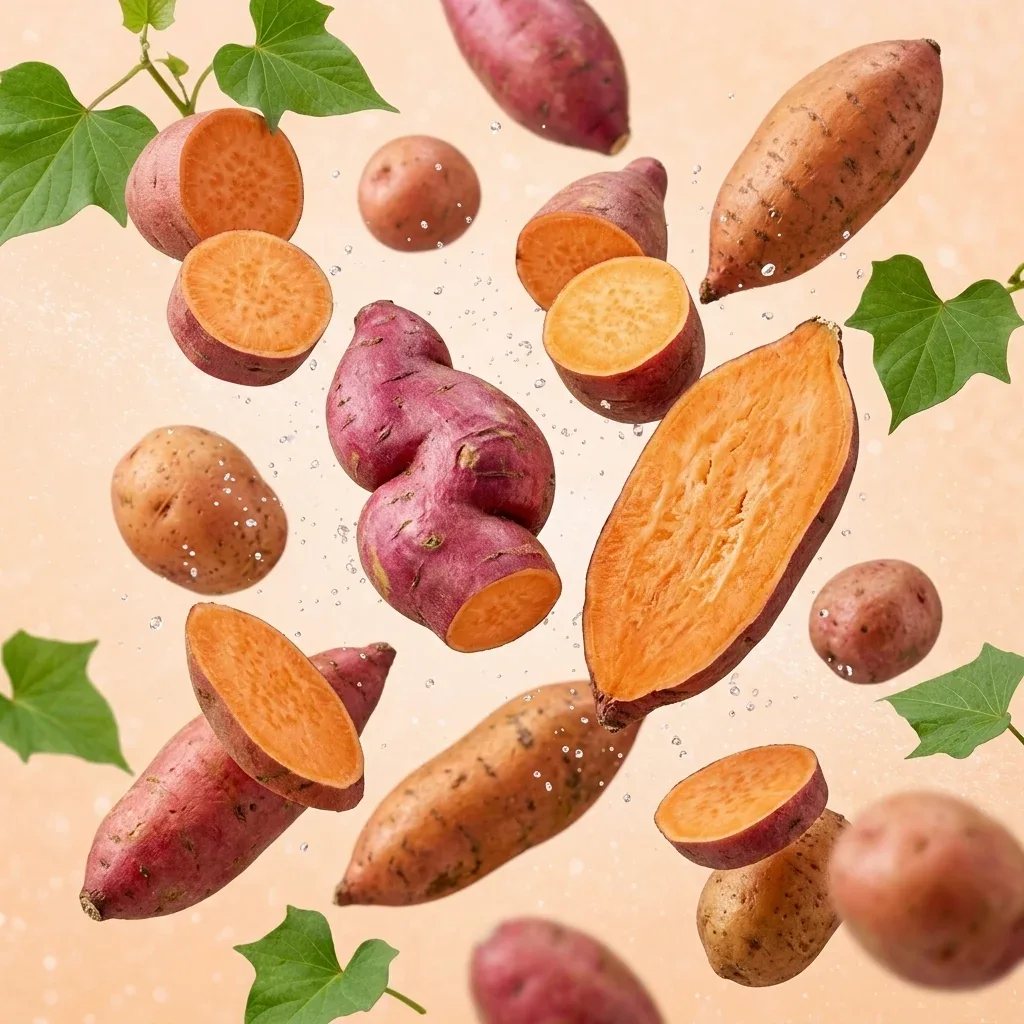
How to serve: Steam and purée until very smooth — no lumps.
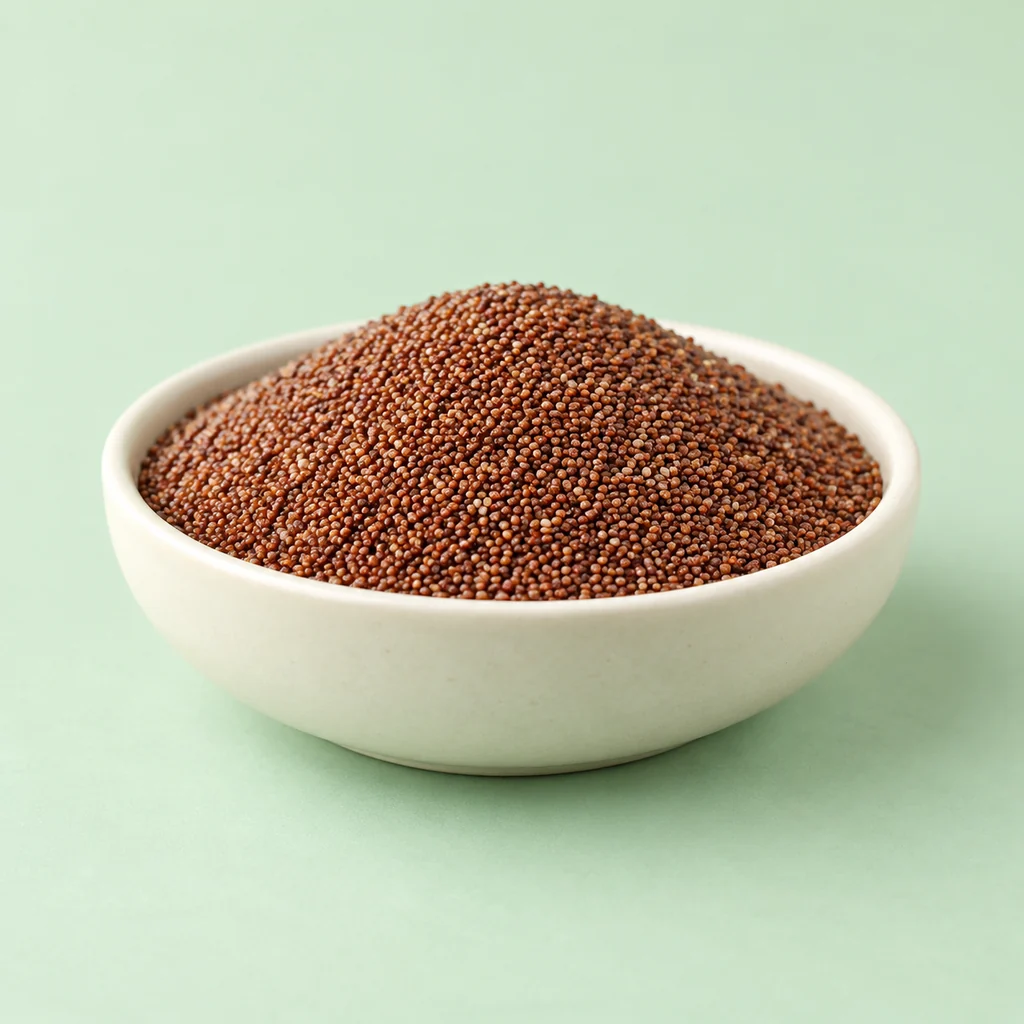
How to serve: Boil 1 part teff in 3 parts water for 15 min, stirring often. Blend until very smooth.
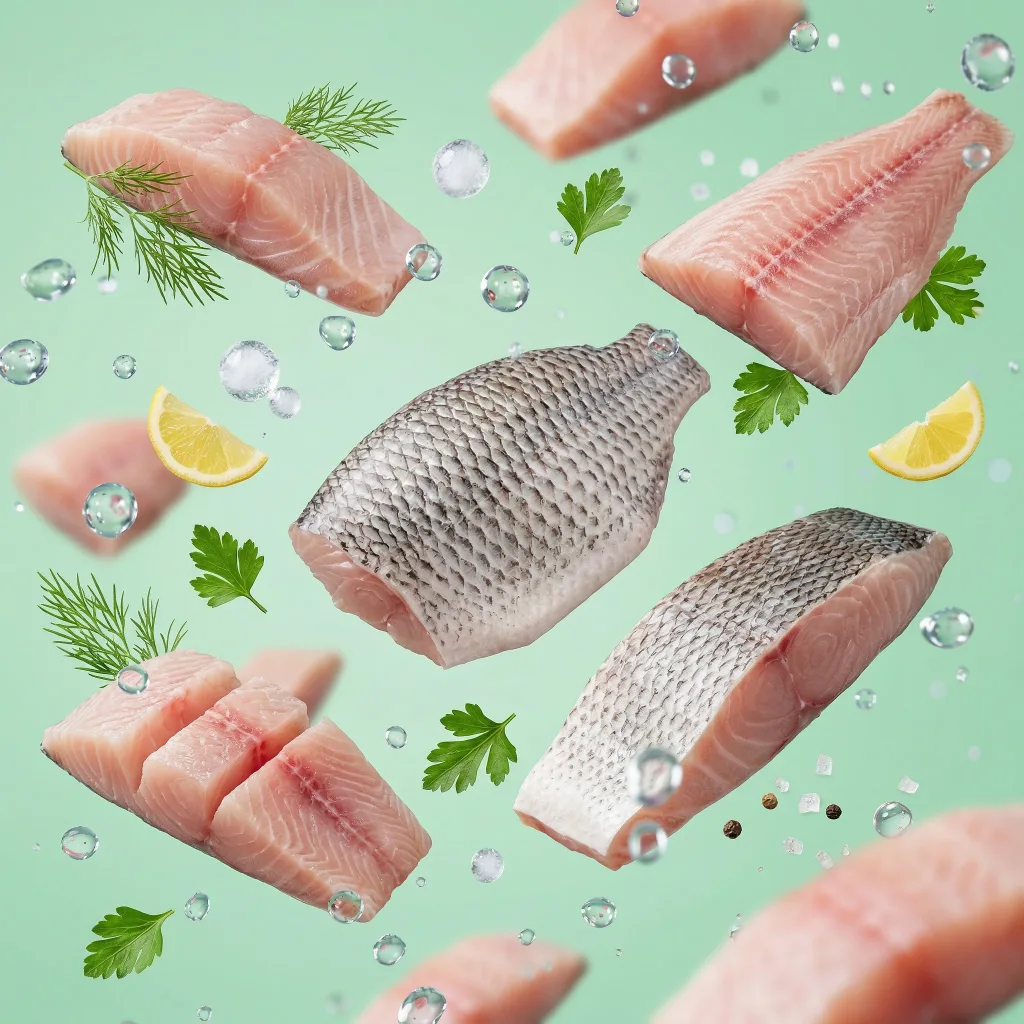
How to serve: Steam until flaky, remove any bones, blend into a smooth purée.
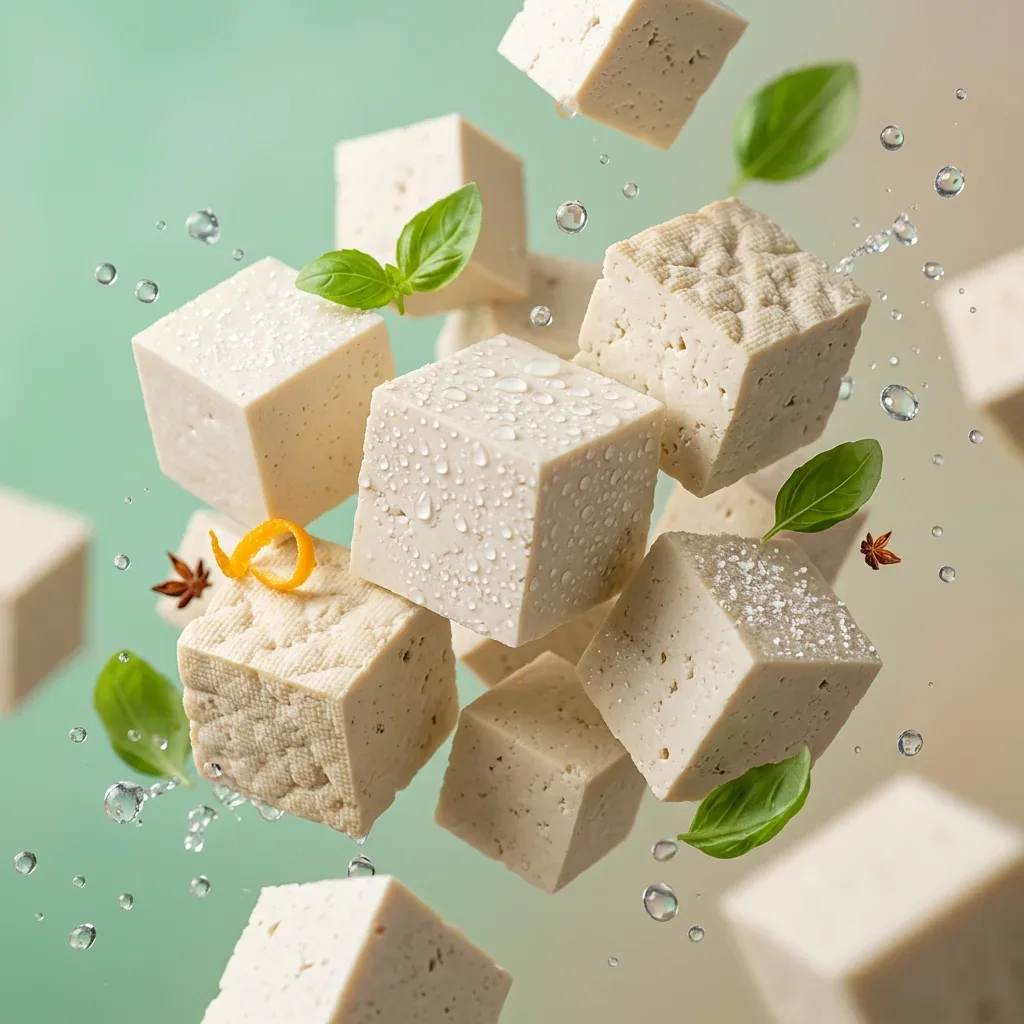
How to serve: Steam silken tofu until warm, then blend into a smooth purée.

How to serve: Cook tomatoes to reduce acidity, blend into a smooth purée. Strain seeds.
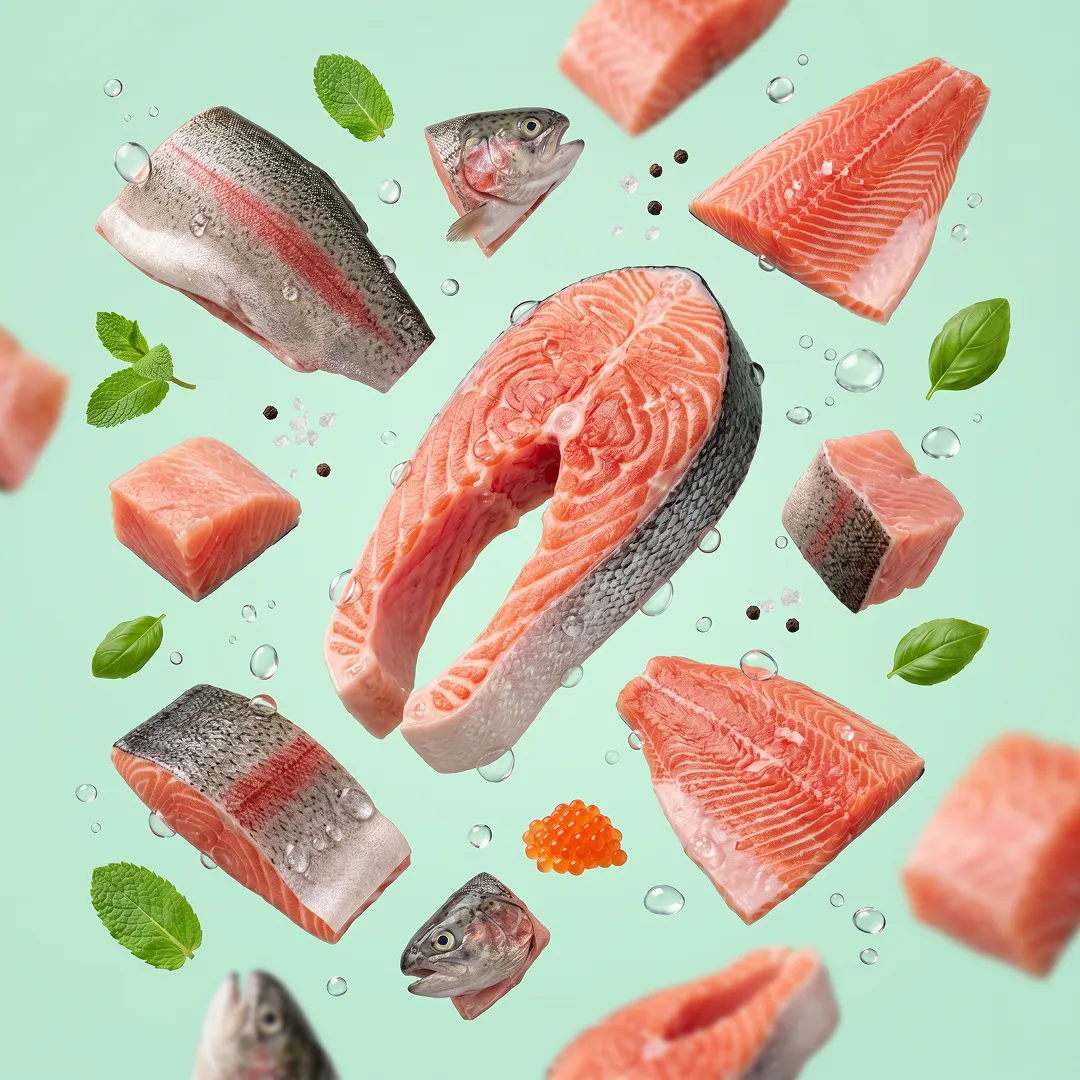
How to serve: Bake or steam thoroughly, remove all skin and bones, then blend or mash finely with a little cooking liquid.
Check trout very carefully for small pin bones before serving — trout is known to have many fine bones. Run your fingers along the flesh in all directions to detect them.
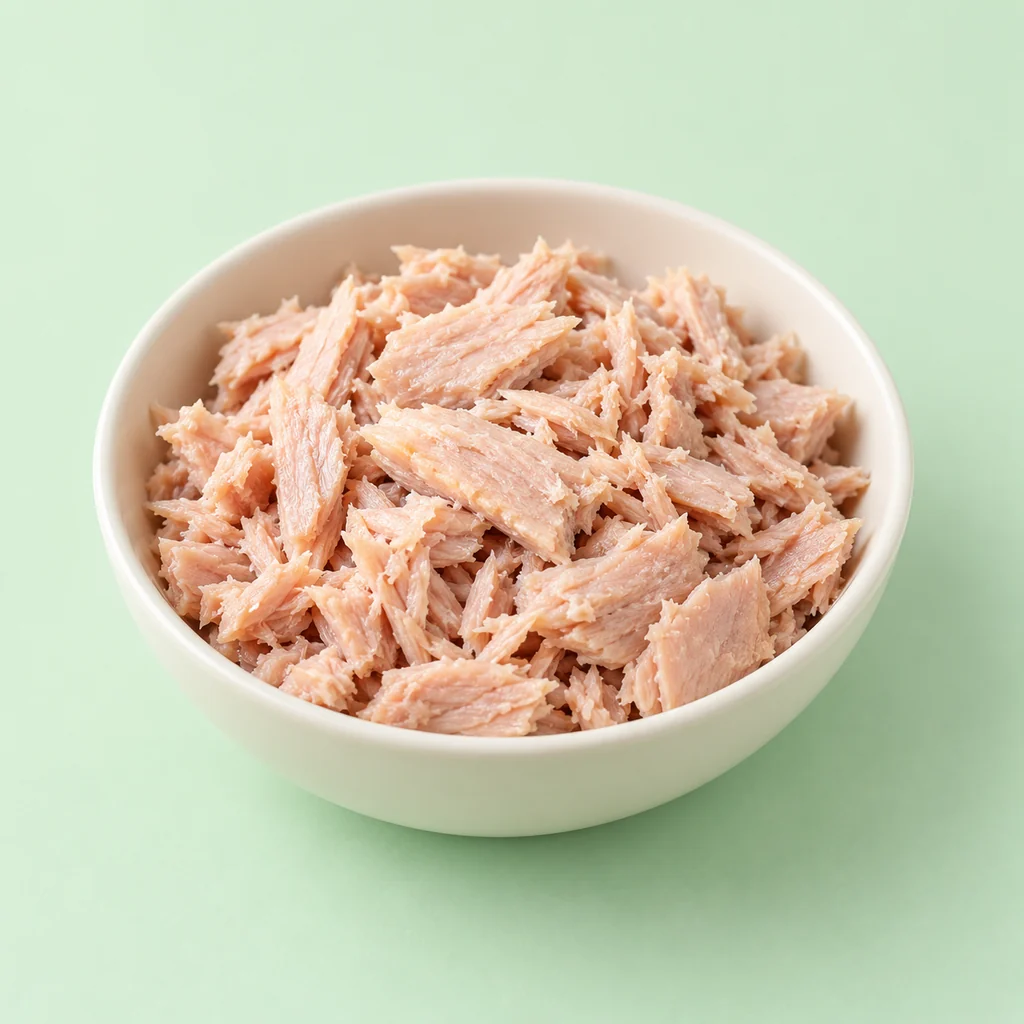
How to serve: Choose no-added-salt canned tuna in water. Drain, check for bones and blend finely into a smooth moist purée.
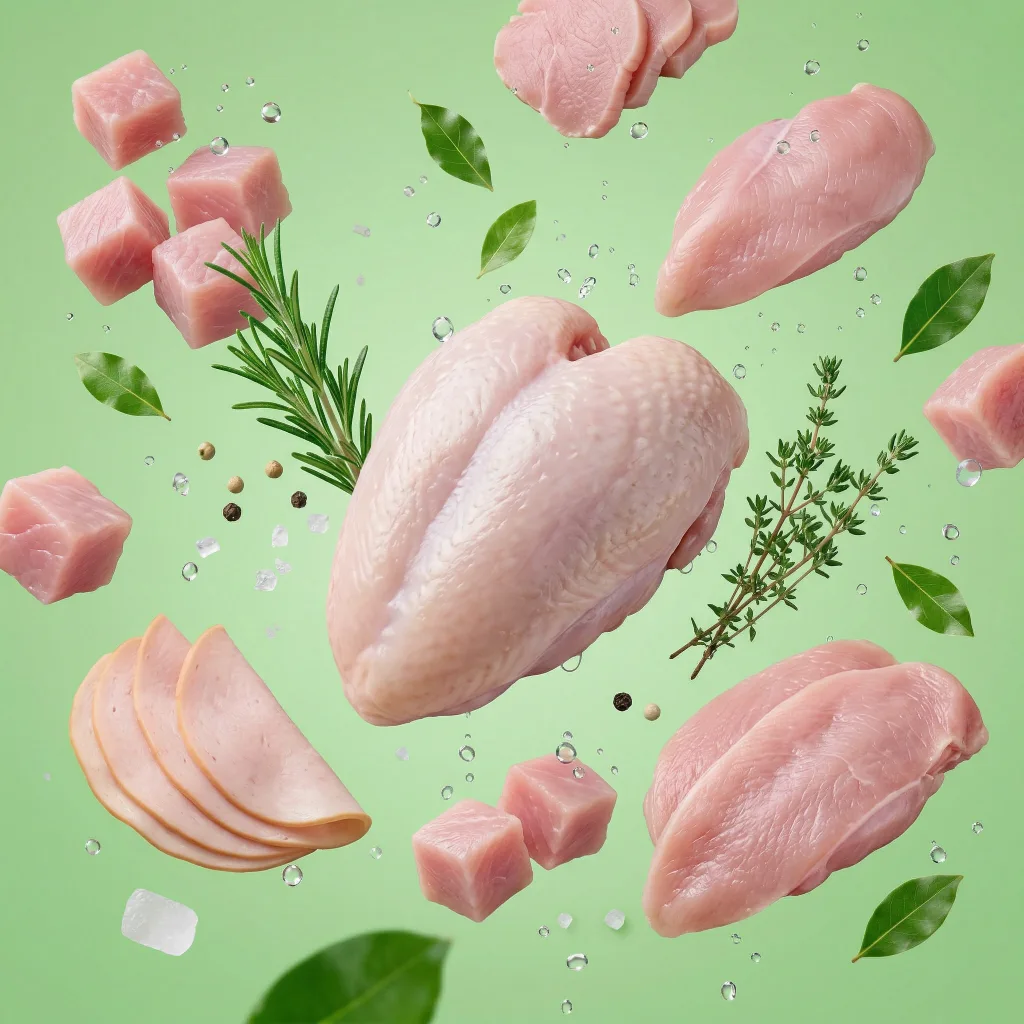
How to serve: Poach or roast until cooked through, blend with water or homemade unsalted stock (not a stock cube) to a smooth purée.
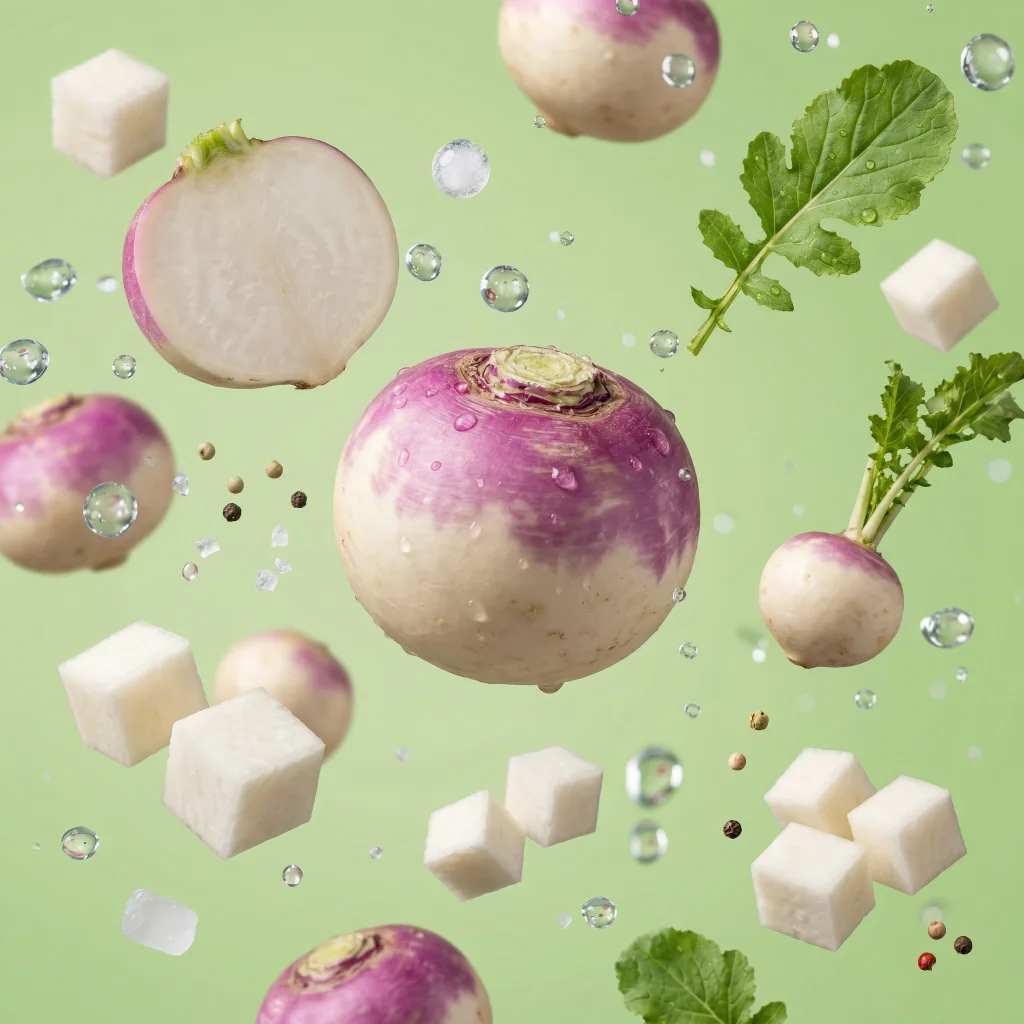
How to serve: Peel, steam until very soft, blend into a smooth purée.

How to serve: Blend seedless flesh into a smooth purée.
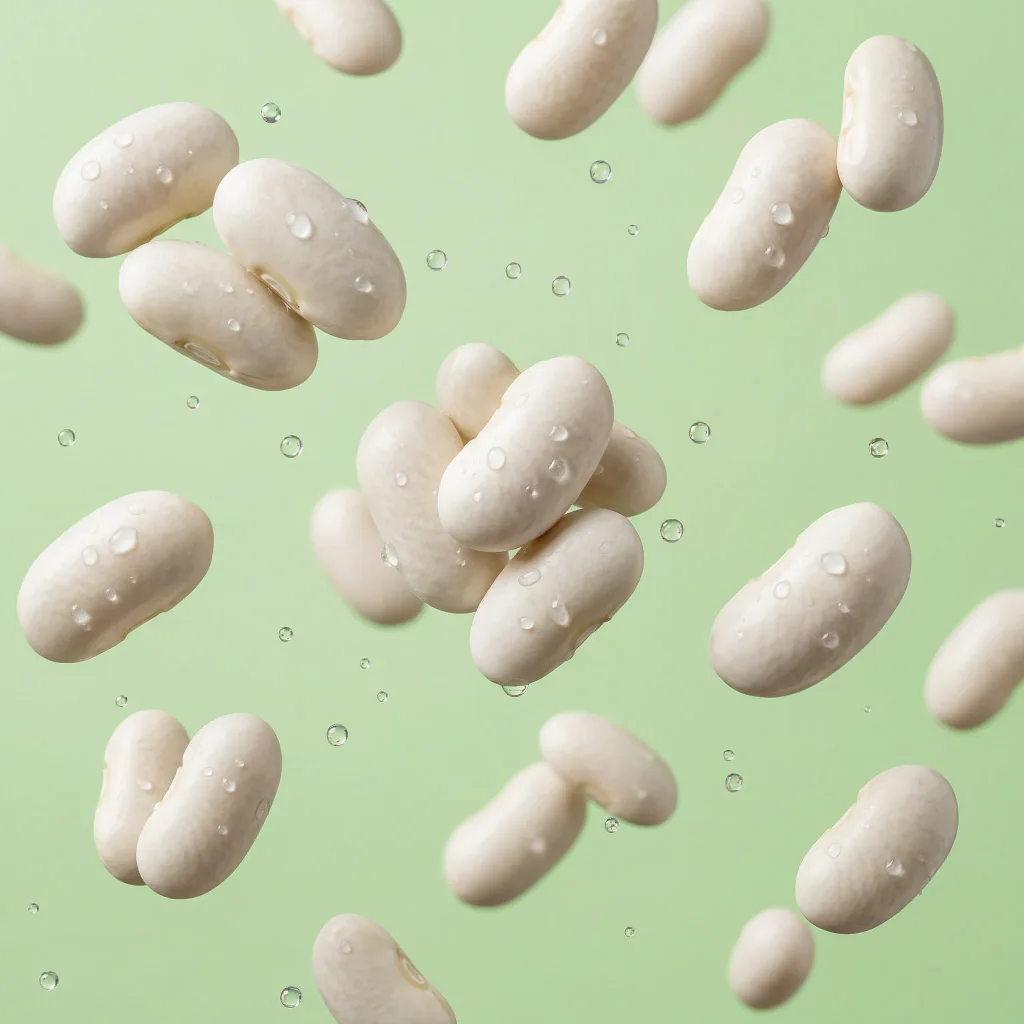
How to serve: Cook until very soft, blend into a smooth creamy purée.
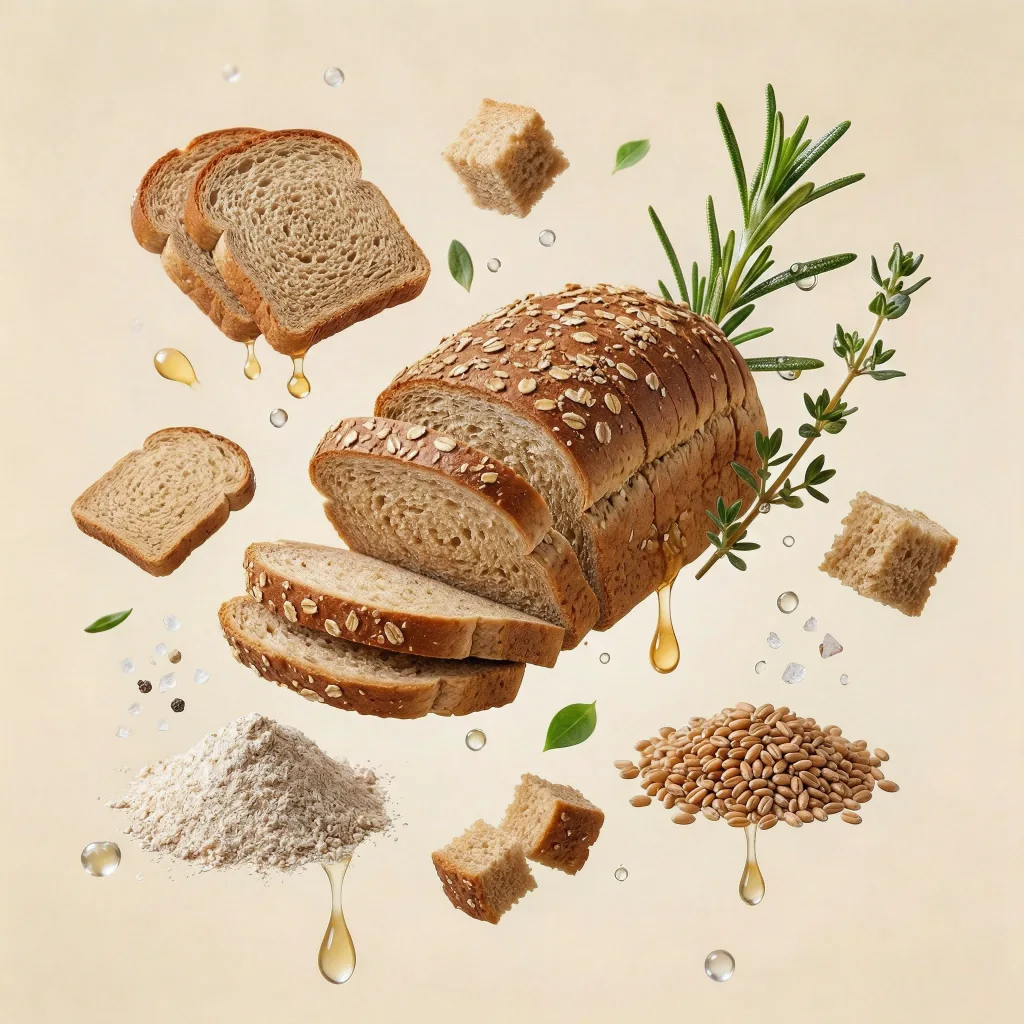
How to serve: Remove crusts, cut into thin strips — soft fresh bread is easiest for babies to manage.
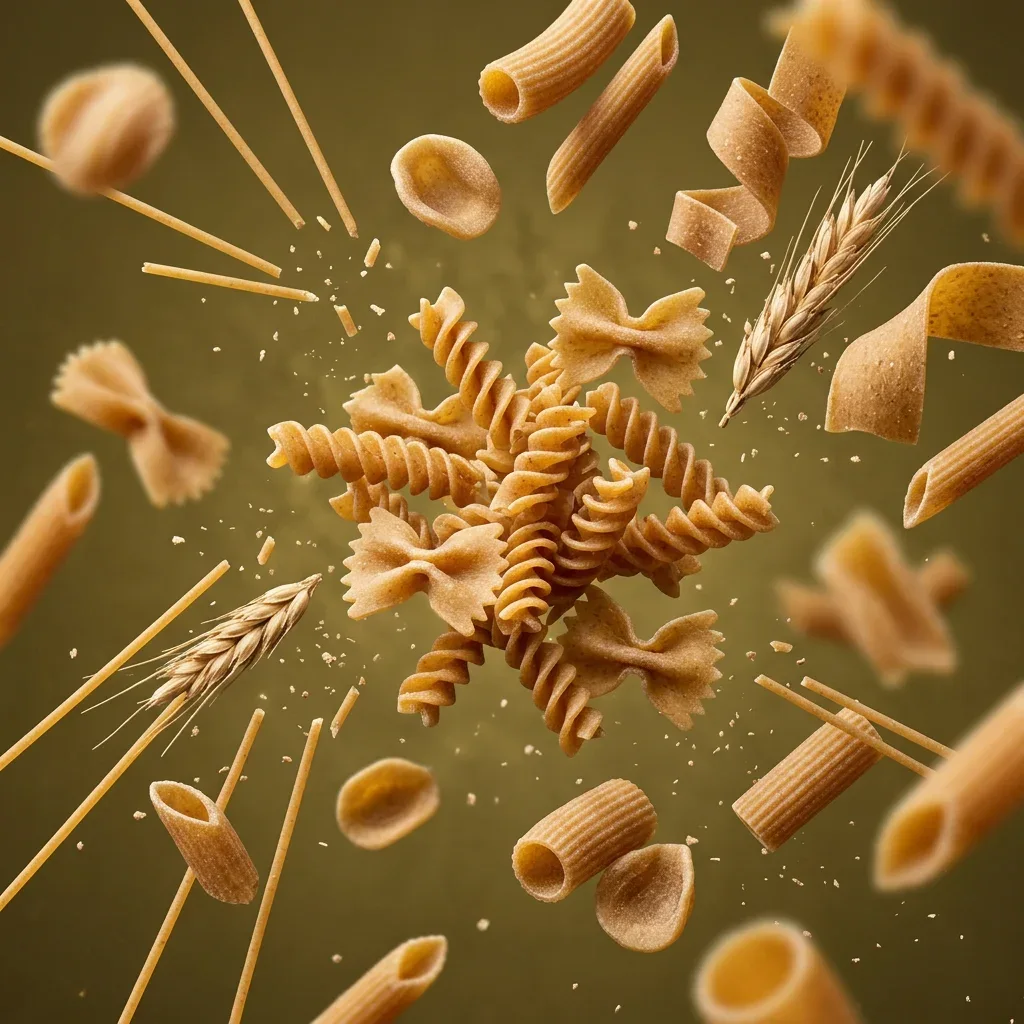
How to serve: Cook until very soft (past al dente), blend if needed for young babies.
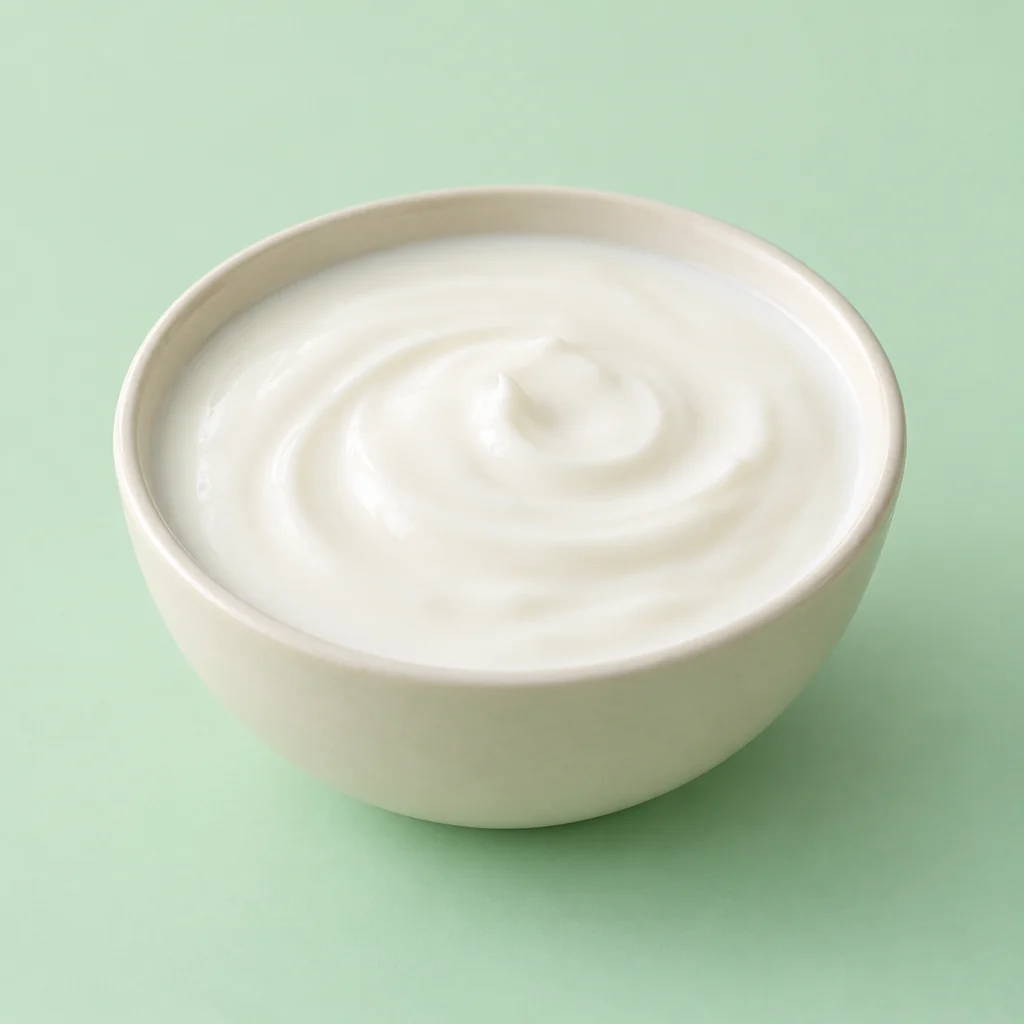
How to serve: Serve plain full-fat yogurt at room temperature.
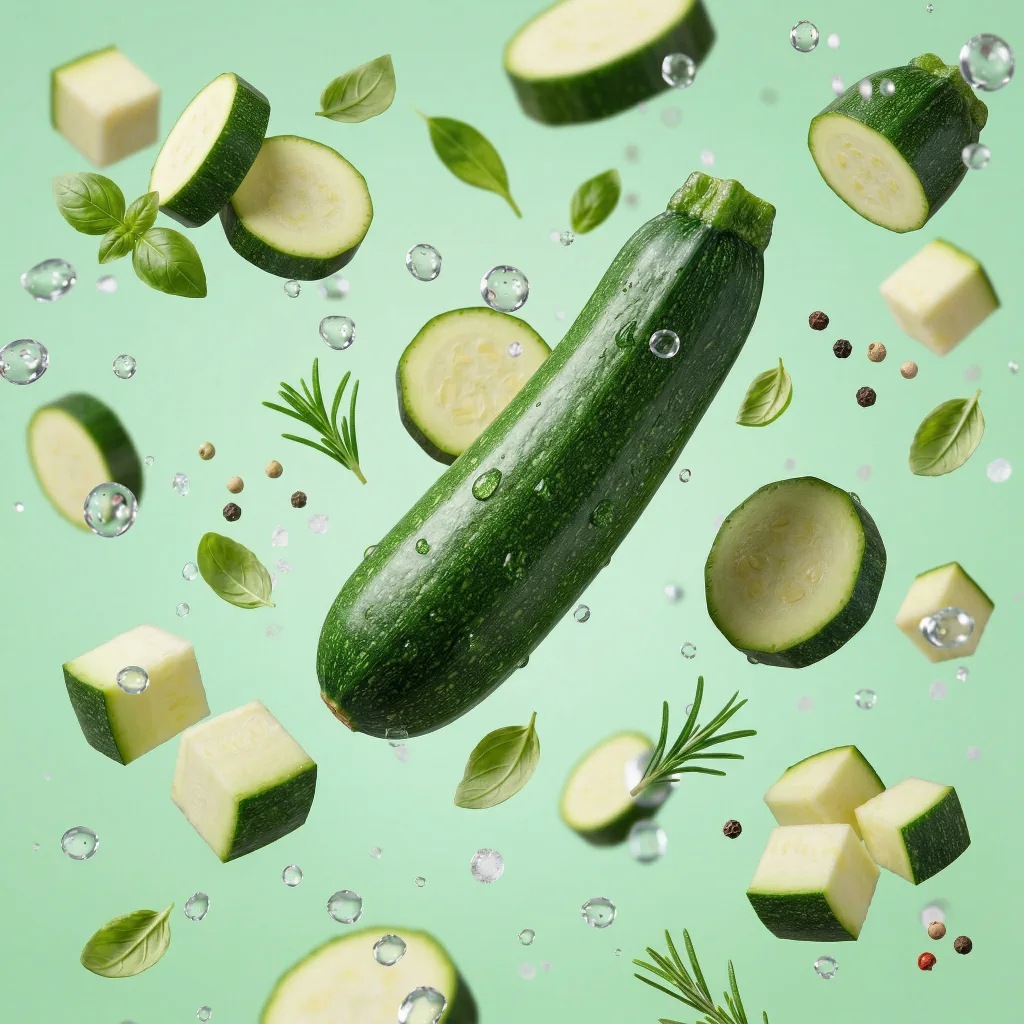
How to serve: Steam until tender, then blend until smooth.
No foods match that search.
Momsie tracks every food your baby has had, shows the gaps in their diet, and moves the guidance on by itself as they grow. Free on iPhone and Android.
General information based on NHS weaning guidance, not medical advice. Always stay with your baby while they eat. If you have concerns about allergies, choking or your baby's development, speak to your health visitor or GP.