Momsie › Can baby eat › Whole Wheat Pasta
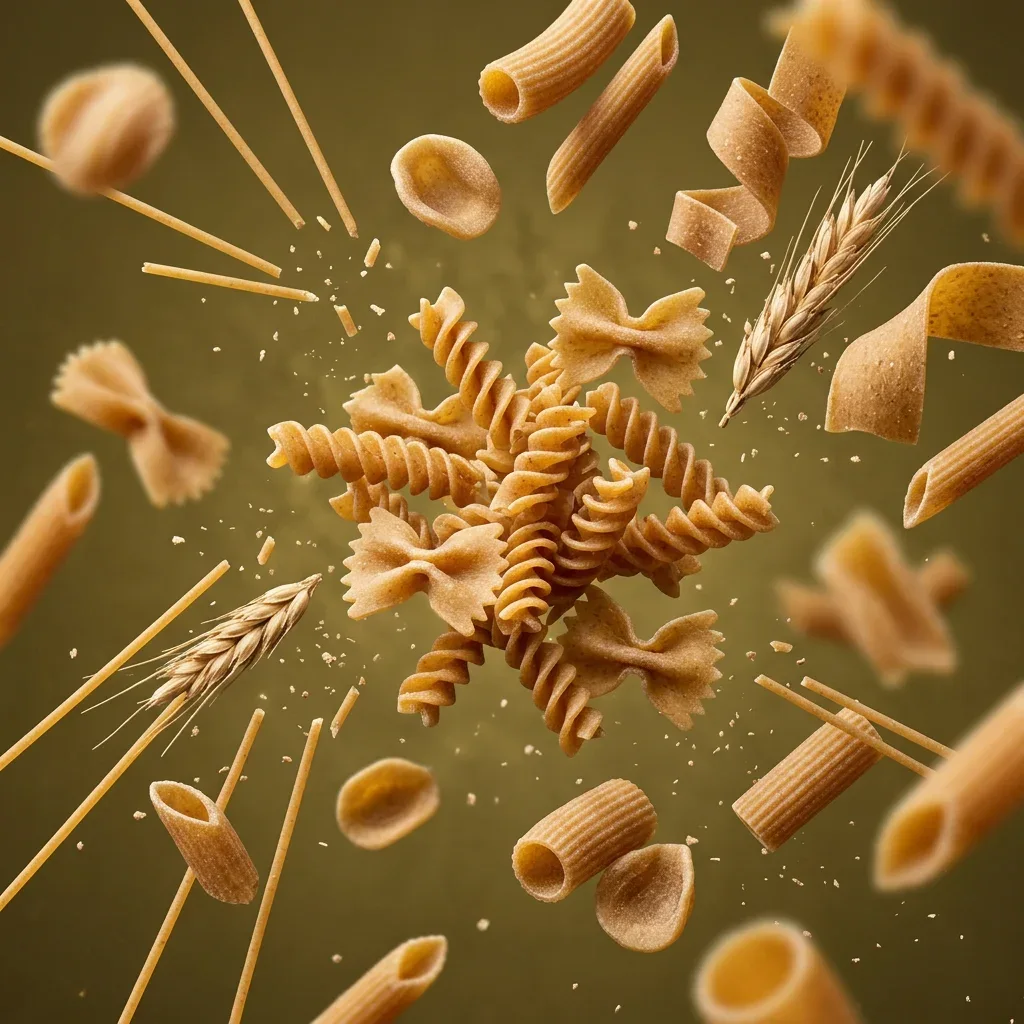
Can babies eat whole wheat pasta?
Whole Wheat Pasta can be offered once your baby has started solids, prepared to suit their stage. This is a common allergen (Gluten).
Want the whole picture for your baby's age? See every food they can eat right now, with how to serve each one. Free, no sign-up.
Has your baby tried whole wheat pasta?
Keep track, then see what to try next.
How to cook whole wheat pasta for a baby
- Method
- Boiled
- Ready in
- 12 Min.
- Texture
- Very soft
How you cut and serve whole wheat pasta changes as your baby grows. That is set out age by age below.
How to prepare whole wheat pasta, age by age
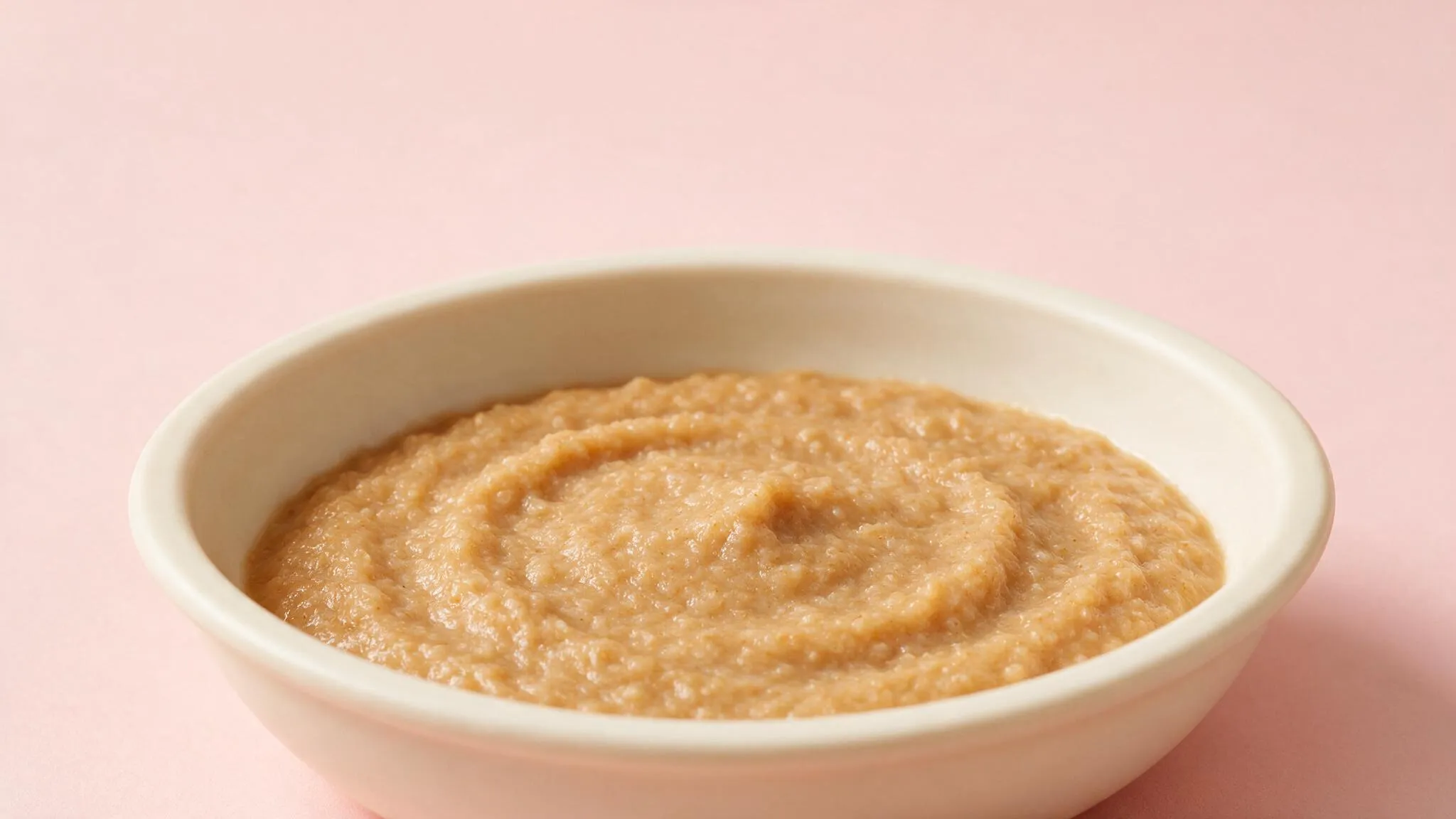
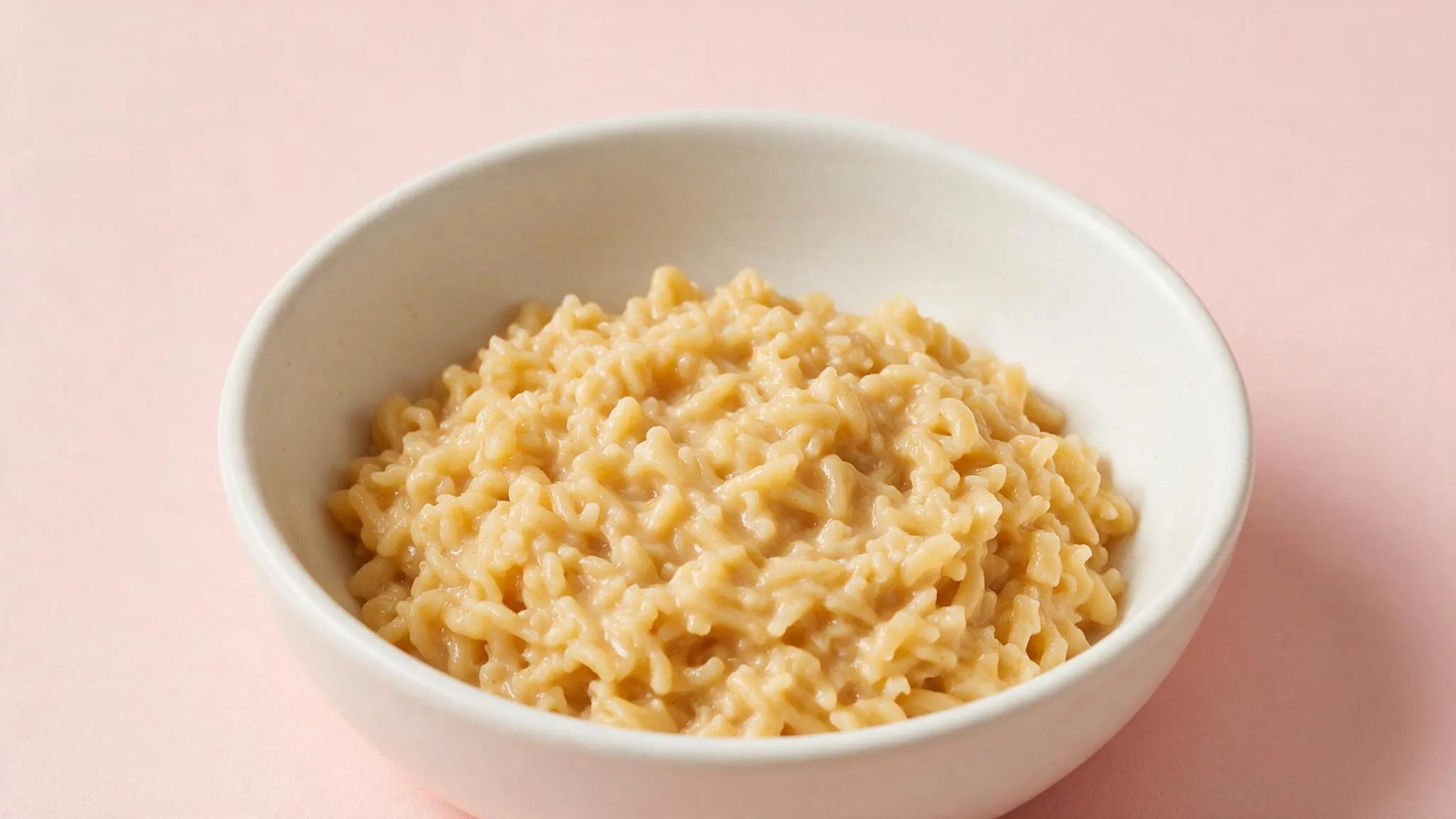
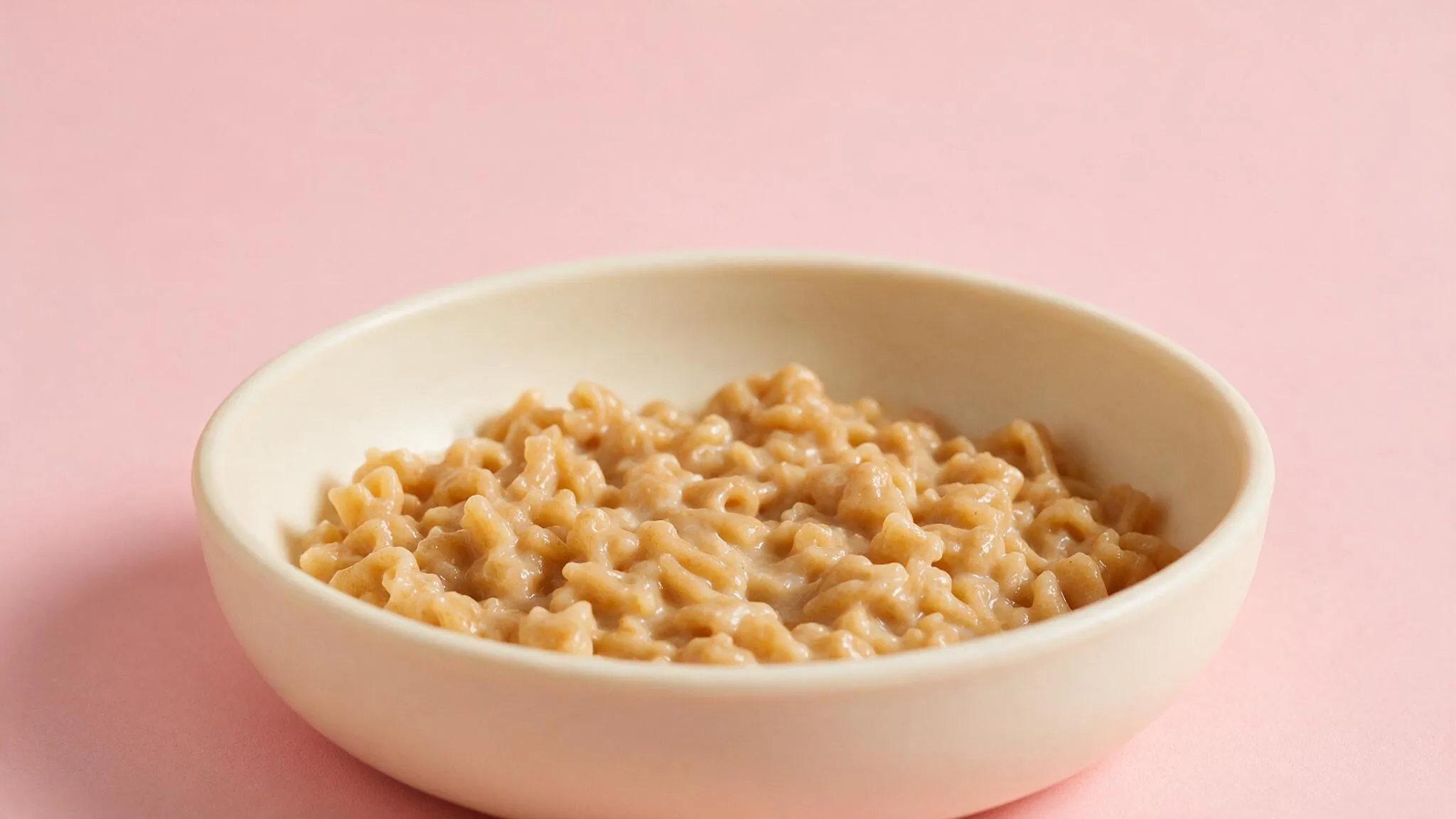
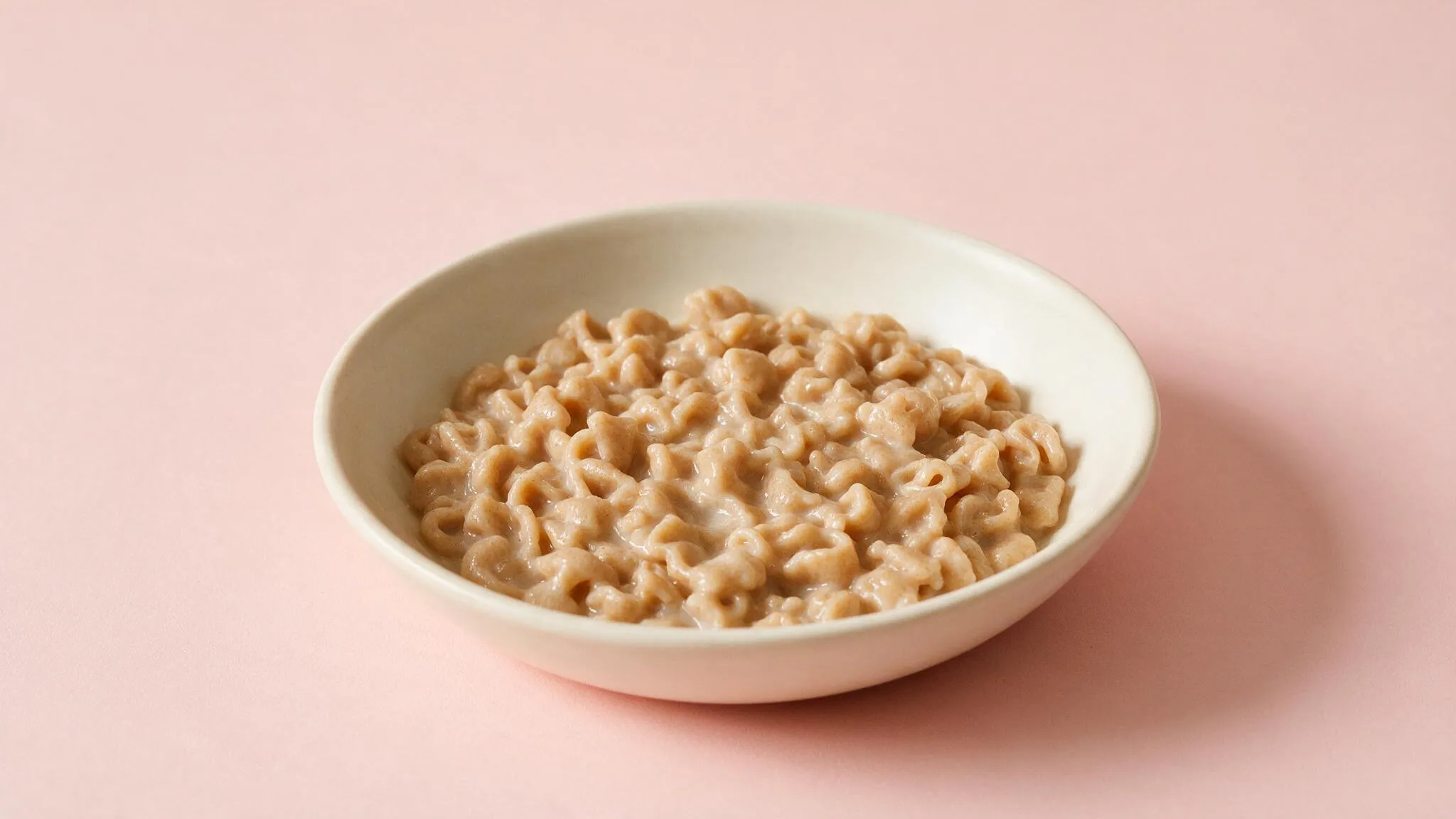
Your baby’s current preparation photo is free in the app.
Unlock every age stage with Momsie Premium.
Is whole wheat pasta an allergen?
This food contains gluten. Introduce one new food at a time and watch closely for any reaction.
Learn about gluten sensitivity
Is whole wheat pasta good for babies?
Whole wheat pasta provides significantly more fibre, iron, and B vitamins than white pasta. Complex carbohydrates provide sustained energy for active, growing babies. Cook well past al dente for young babies — it should be soft enough to squash between fingers. Its versatility makes it one of the most practical meal bases from 6 months onwards.
- Fiber
- Iron
- Vit B
- Magnesium
- Protein
Storing whole wheat pasta
In the fridge
2 Days. Refrigerate cooked pasta, toss with a little olive oil to prevent sticking
In the freezer
2 Months. Freeze cooked pasta portions — texture may soften on reheating
Goes well with
Baby recipes with whole wheat pasta
Not sure what to offer after whole wheat pasta?
Momsie turns your baby's age, the foods they have already tried and your allergen list into one clear next step. Free on iPhone and Android.
This page is general information based on NHS weaning guidance, not medical advice. Always stay with your baby while they eat. If you have concerns about allergies, choking or your baby's development, speak to your health visitor or GP.